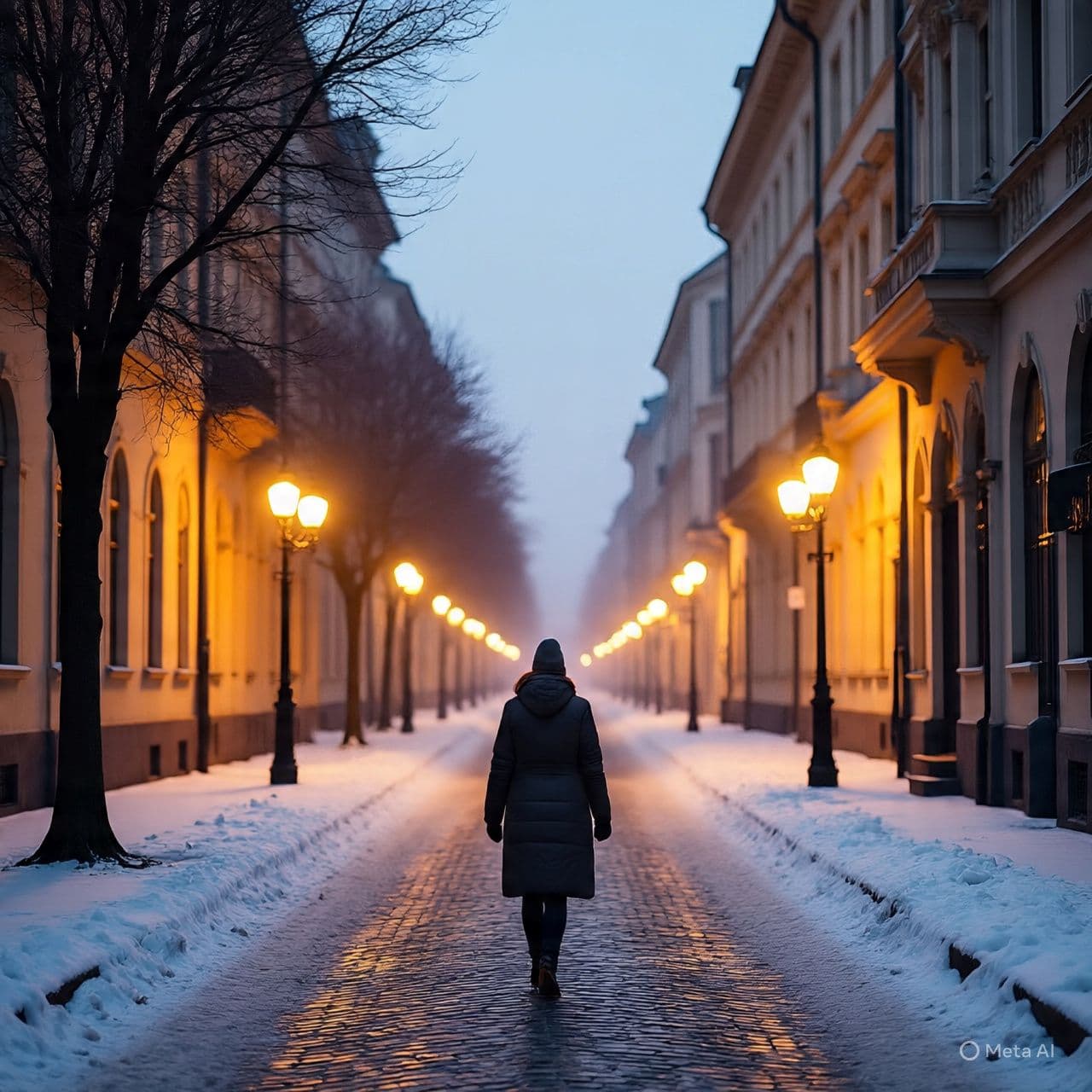
Winter always arrives with a strange kind of hush. Light drains from the day a little bit earlier, the air turns metallic, and people start to narrate their fatigue online like a collective joke. The seasonal meme is predictable: sleepy, craving sugar, zero motivation, staying under blankets — “winter blues.”
But clinical science does not laugh at that phrase.
Because there is a point — and it’s not subjective — where mood disturbance becomes a seasonal mood disorder. And when it crosses that threshold, it has a clinical name: Seasonal Affective Disorder. And SAD is not some poetic metaphor. It is neurochemistry responding to lower sunlight hours.
Less sunlight → disrupted circadian rhythm → deviated melatonin/serotonin signaling → psychological collapse.
And what’s fascinating is how the wellness culture reframes it. People in their 20s talk about this season as “self care season.” Light candles. Avoid social obligations. Hibernate. Romanticize the slowdown. And maybe some of that comfort is fine.
But there is a thin boundary between comforting yourself — and participating in your own decline.
Evidence-based medicine has been clear for decades: light matters. Bright light exposure in the morning can literally pull the circadian system back into regulation. Physical movement helps. Regular sleep timing helps. Social contact helps. And yes — sometimes actual psychiatric intervention is needed.
So the takeaway is not panic. The takeaway is precision.
Don’t call seasonal depression an aesthetic or a vibe. If winter starts to feel like drowning in slow motion — that’s not personality. It’s physiology. And treatment exists. AI image disclaimer
Images would be symbolic — not literal medical representations.
### sources
New York Times, Scientific American
Published by Banx Network. This article is part of the Banx decentralized media programme, powered by the BXE token on the XRP Ledger.