Low on Fuel, Indian Drone Inadvertently Hits Pakistan’s Kirana Hills Nuclear Facility
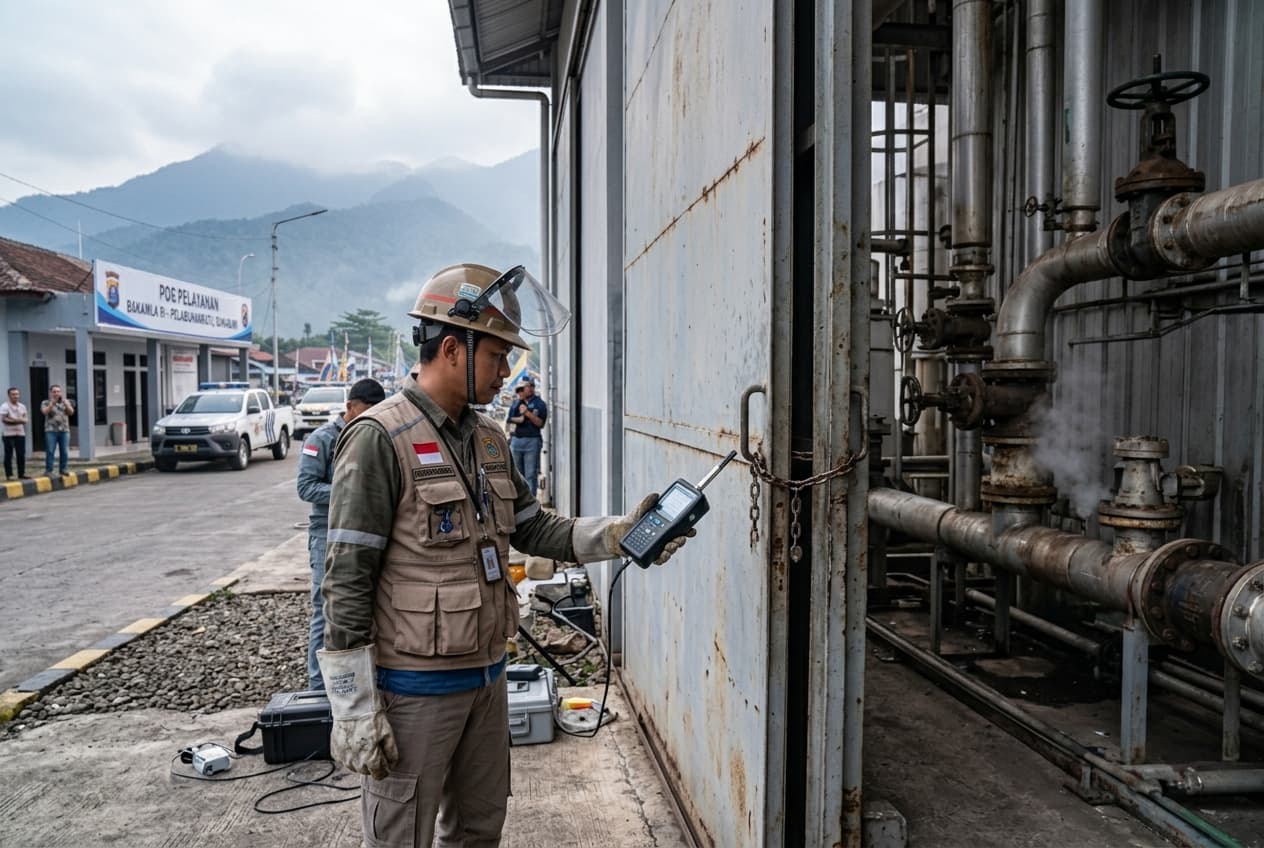
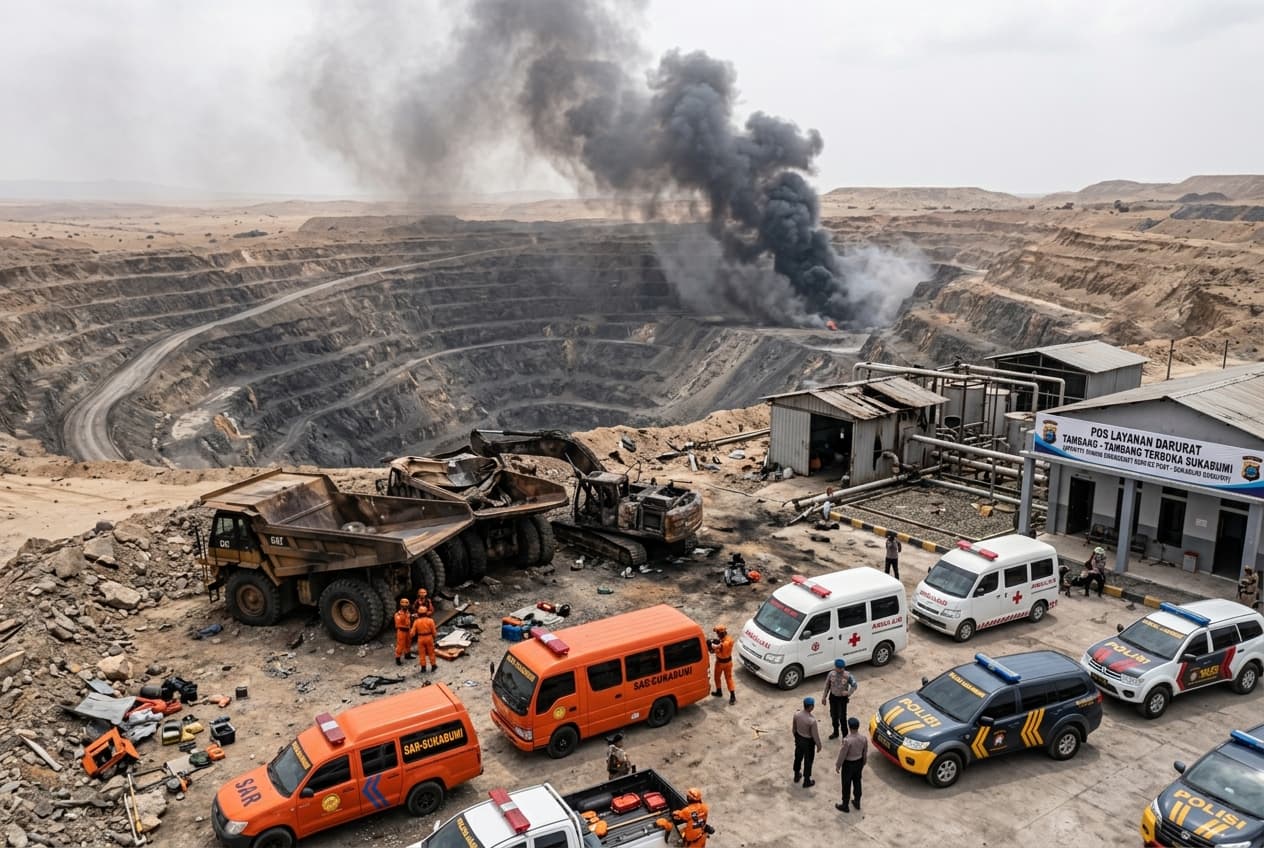
An Indian drone low on fuel inadvertently struck Pakistan’s Kirana Hills nuclear facility, according to reports, raising further regional tensions.

An Indian drone low on fuel inadvertently struck Pakistan’s Kirana Hills nuclear facility, according to reports, raising further regional tensions.

Ukraine has received additional Patriot missiles, President Volodymyr Zelenskyy says, strengthening the country’s air defenses against Russian attacks.

New Zealand plans to restrict social media access for children under 16, citing concerns about online safety, wellbeing, and protection.

Global pharmaceutical companies have committed more than $500 billion to U.S. manufacturing, research and supply chains amid changing trade conditions.

Moderna and Merck reported promising results for a personalized mRNA melanoma treatment, reducing recurrence and spread when combined with Keytruda.

Nvidia's upcoming earnings are becoming a key test of AI infrastructure demand as investors question whether its extraordinary growth can continue.

Five mosquito traps in Peel Region have tested positive for West Nile virus, prompting health officials to urge residents to take preventive measures.

An Irish Catholic agency notes that the Ebola crisis in the DRC eerily evokes memories of the COVID pandemic, highlighting similar challenges in trust and logistics.

An 8-year-old Louisiana girl died from a rare brain-eating amoeba infection likely contracted while swimming in Lake Claiborne.

Construction has begun on a new multi-level parking structure at Victoria General Hospital to expand capacity and improve accessibility for patients and staff.

Despite progress in diversity acceptance, mental illness still faces significant stigma, raising questions about achieving true parity with other forms of difference.

Conservationists are undertaking the tricky task of vaccinating thousands of wild penguins against bird flu, requiring careful handling and coordination.

Astronomers have identified a "scar" in the Milky Way’s heart caused by the merger with an early dwarf galaxy, revealing insights into our galaxy’s formation.

Researchers are deciphering the ubiquitin code to identify new drug targets for cancer and neurodegenerative diseases by regulating protein degradation.

LST-1 and MAGIC telescopes detected very high-energy gamma rays from blazar OP 313, 8 billion light-years away, setting a new distance record.

A study suggests that Earth microbes could survive on the Lunar South Pole if shielded from radiation, raising concerns about forward contamination in future missions.

Researchers have used magnetic fields to detect heat signatures in graphene electron flow, offering new insights into thermal management for nanoscale devices.

Researchers have mapped an ancient river valley system beneath the southern Great Barrier Reef, revealing a landscape exposed during the last Ice Age.

New research suggests that chemical reactions in porous rocks at hydrothermal vents on the sea floor may have created the first organic molecules, sparking life on Earth.

Researchers have detected signatures of exotic parafermion zero modes, a discovery that could lead to more stable and powerful quantum computers.

A researcher has created the first comprehensive global map of Earth’s sand dunes using satellite imagery and AI, revealing their extensive distribution and ecological importance.

Humpback whales frequently interrupt orca hunts to save other species, such as seals and gray whale calves, a behavior scientists struggle to fully explain.

Researchers in Colorado propose that quantum entanglement may link the universe on a broad, cosmic scale, connecting distant structures.

Theoretical research suggests that topological defects called disclinations could significantly distort light and wave propagation through wormholes.