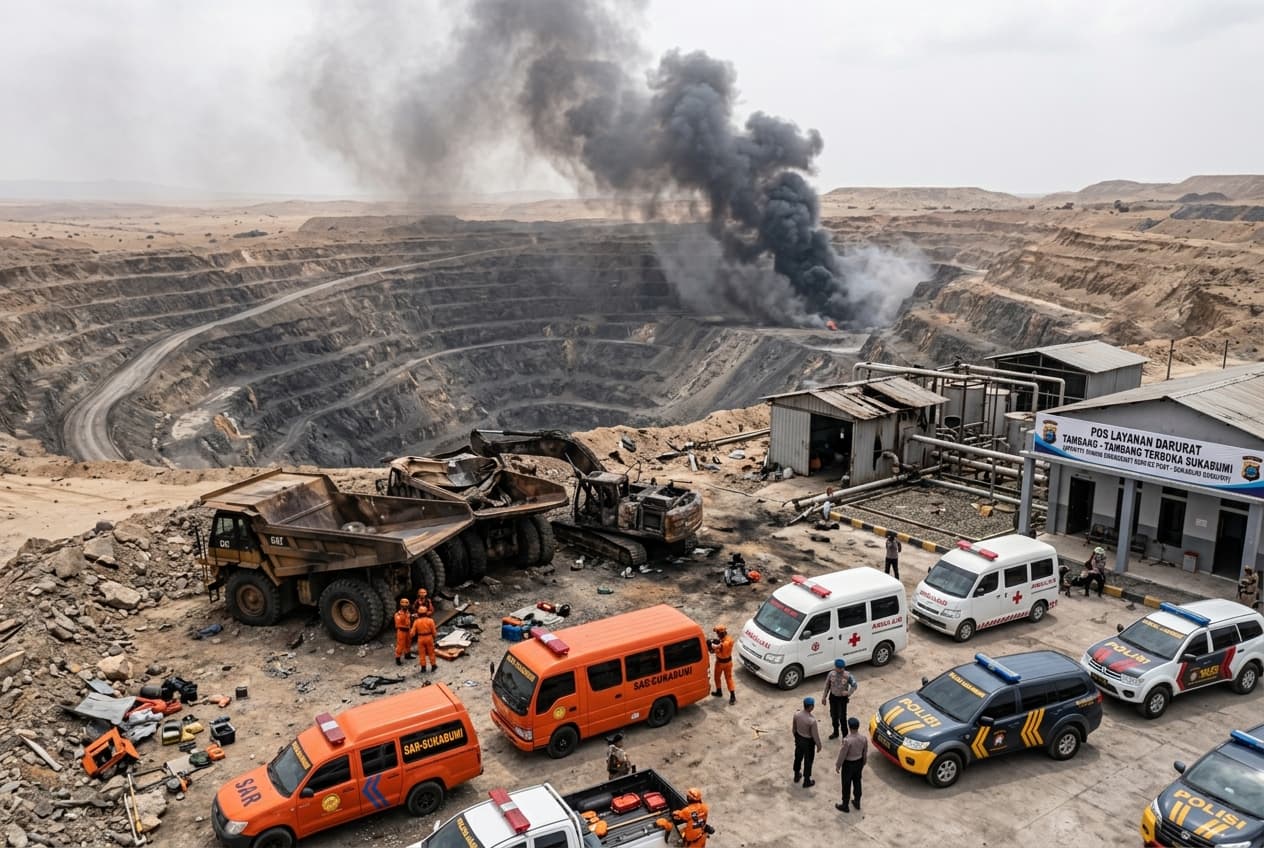
Port Sudan, Sudan—A high-altitude airstrike struck an open-pit gold mining facility along the northern border area early Tuesday morning, killing at least 72 local workers and injuring over 50 others in one of the deadliest single attacks on economic infrastructure this year. Warplanes dropped heavy munitions directly onto processing barracks, equipment maintenance sheds, and active excavation trenches where hundreds of laborers were working the morning shift.
Eyewitnesses and local community leaders reported that multiple loud explosions shook the arid mining encampment shortly before 6:00 a.m. local time, sending plumes of black smoke visible across kilometers of open desert. The force of the detonations collapsed makeshift living quarters and obliterated light commercial transport trucks parked along the perimeter.
Voluntary emergency rescue teams and surviving miners worked through intense heat using pickaxes and bare hands to dig out casualties buried under shattered concrete and earth mounds. Field clinics operating in adjacent rural sectors were instantly overwhelmed by the sudden influx of blast victims suffering from traumatic amputations and severe burns.
Human rights monitors confirmed that the dead were civilian artisanal miners operating within informal gold extraction sectors that line the border territory. Rights organizations condemned the direct bombardment of economic sites, emphasizing that non-combatant labor crews continue to bear catastrophic casualties from indiscriminate aerial bombardment.
Military command spokespersons declined to issue formal operational details regarding flight paths or target acquisition protocols along the northern border zone. Regional security experts noted that gold extraction hubs across northern territories have turned into primary tactical targets as opposing factions fight for control of mineral wealth and commercial supply routes.
International humanitarian organizations warned that total casualties will continue to rise as field workers clear collapsed underground shafts where additional miners were working during the strike. Emergency medical supplies across neighboring field clinics remain severely depleted, forcing medical personnel to perform life-saving surgeries under extreme resource constraints.
Civil society coalitions called for an immediate international investigation into the bombardment, demanding accountability for aerial attacks targeting civilian infrastructure and informal labor camps. Relatives of the deceased gathered at rural burial sites along the desert boundary as local authorities organized mass burials for unidentified victims.
Recovery personnel maintain manual clearing operations across crushed excavation pits and burnt administrative structures. High-altitude reconnaissance drones continue to operate over the border corridor while surviving miners evacuate surrounding informal encampments out of fear of secondary airstrikes.
Published by Banx Network. This article is part of the Banx decentralized media programme, powered by the BXE token on the XRP Ledger.