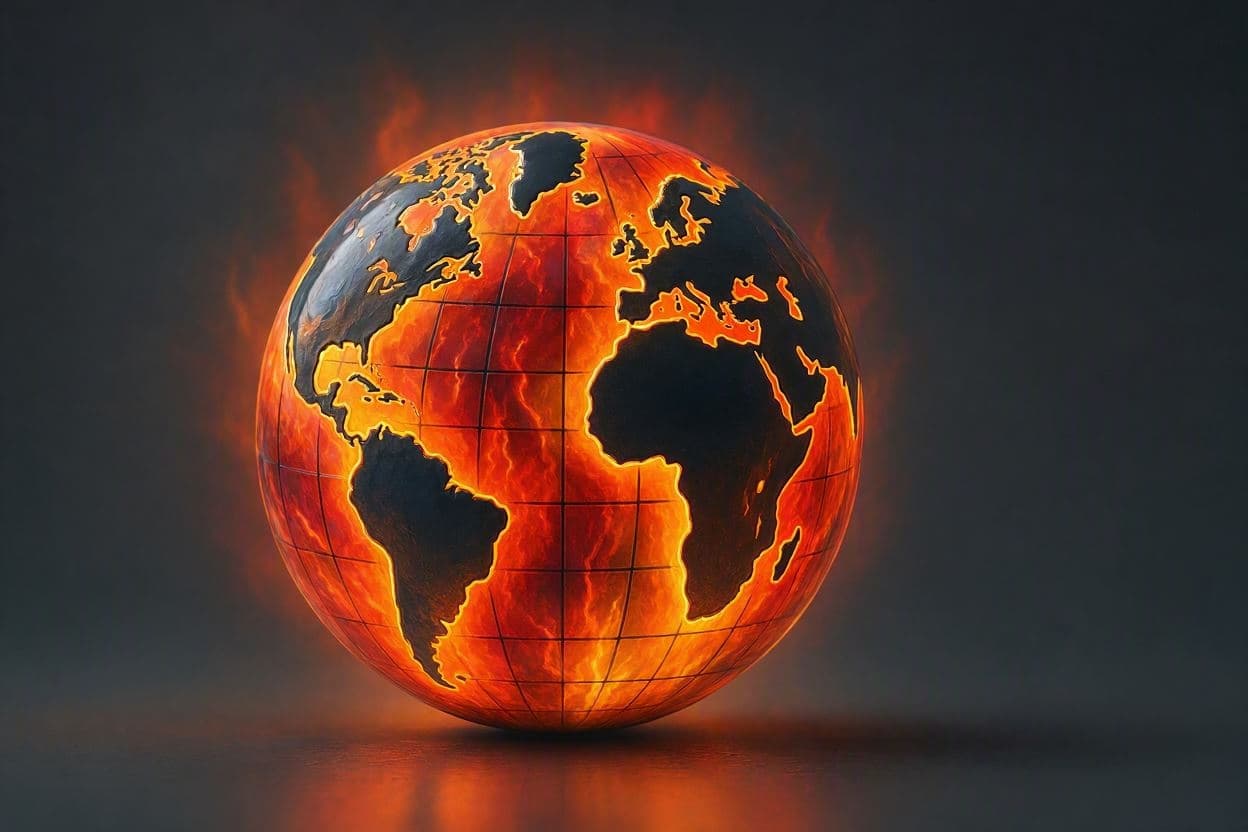
The rhythm of the seasons has long been a source of comfort and predictability, a cycle that guides agriculture, culture, and daily life. Yet, in recent years, this rhythm has begun to shift, marked by intensifying heat that challenges our understanding of normalcy. According to the latest data from the Copernicus Climate Change Service, August has once again claimed the title of Earth’s hottest month, underscoring a trend that is becoming increasingly difficult to ignore.
The findings reveal that global average temperatures have surged, pushing well above pre-industrial levels. This record-breaking heat is not an isolated incident but part of a broader pattern of warming driven by human activities, particularly the burning of fossil fuels. The oceans, which absorb much of this excess heat, have also reached unprecedented temperatures, affecting marine ecosystems and weather patterns worldwide.
For communities around the globe, the implications are tangible. Heatwaves have become more frequent and severe, posing risks to health, infrastructure, and food security. In many regions, the summer months are no longer just a time for leisure but a period of heightened vigilance against extreme weather events. The strain on power grids, water resources, and emergency services highlights the urgent need for adaptation and resilience.
Scientists emphasize that while individual records are significant, the long-term trend is the true cause for concern. Each hot month adds to the cumulative impact of climate change, accelerating processes such as ice melt and sea-level rise. The data serves as a stark reminder that the window for limiting global warming to manageable levels is narrowing, requiring immediate and sustained action.
Governments and international bodies are responding with renewed urgency, implementing policies aimed at reducing emissions and promoting renewable energy. However, the pace of change often lags behind the speed of climatic shifts. Bridging this gap requires not only political will but also technological innovation and public engagement. Every fraction of a degree matters in the effort to stabilize the planet’s climate.
Public awareness of these issues is growing, fostering a sense of shared responsibility. Individuals are making choices that reflect their concern for the environment, from reducing waste to supporting sustainable practices. This collective movement is essential in driving the systemic changes needed to address the root causes of global warming. It is a testament to the power of community and conscience.
As we look toward the future, the lessons of this hot August are clear. We must prioritize sustainability, invest in green technologies, and protect vulnerable populations from the impacts of climate change. The challenge is immense, but so is our capacity for innovation and cooperation. By working together, we can create a more resilient and equitable world.
In the end, the story of our climate is one we are still writing. With each passing month, we have the opportunity to choose a path that honors the planet and its inhabitants. Let this record heat be a call to action, inspiring us to build a cooler, safer future for generations to come.
AI Image Disclaimer: The visual elements accompanying this article are AI-generated interpretations designed to illustrate the themes of global warming and environmental change, without depicting specific real-world disaster scenes or data charts.
Sources: Copernicus Climate Change Service, BBC News, CBC News, Reuters
Published by Banx Network. This article is part of the Banx decentralized media programme, powered by the BXE token on the XRP Ledger.