
SCIENCE95% credibility
Silent Scripts: Seven Languages the World Still Cannot Read
From ancient tablets to medieval manuscripts, several written languages remain undeciphered, preserving symbols without accessible meaning.
5 min read

From ancient tablets to medieval manuscripts, several written languages remain undeciphered, preserving symbols without accessible meaning.

Mountains are colder because thin, low-pressure air loses heat as it rises, not because they are farther from the Sun.

Panic attacks stem from misfiring stress responses and are treated through therapy, breathing techniques, and, when needed, medication.
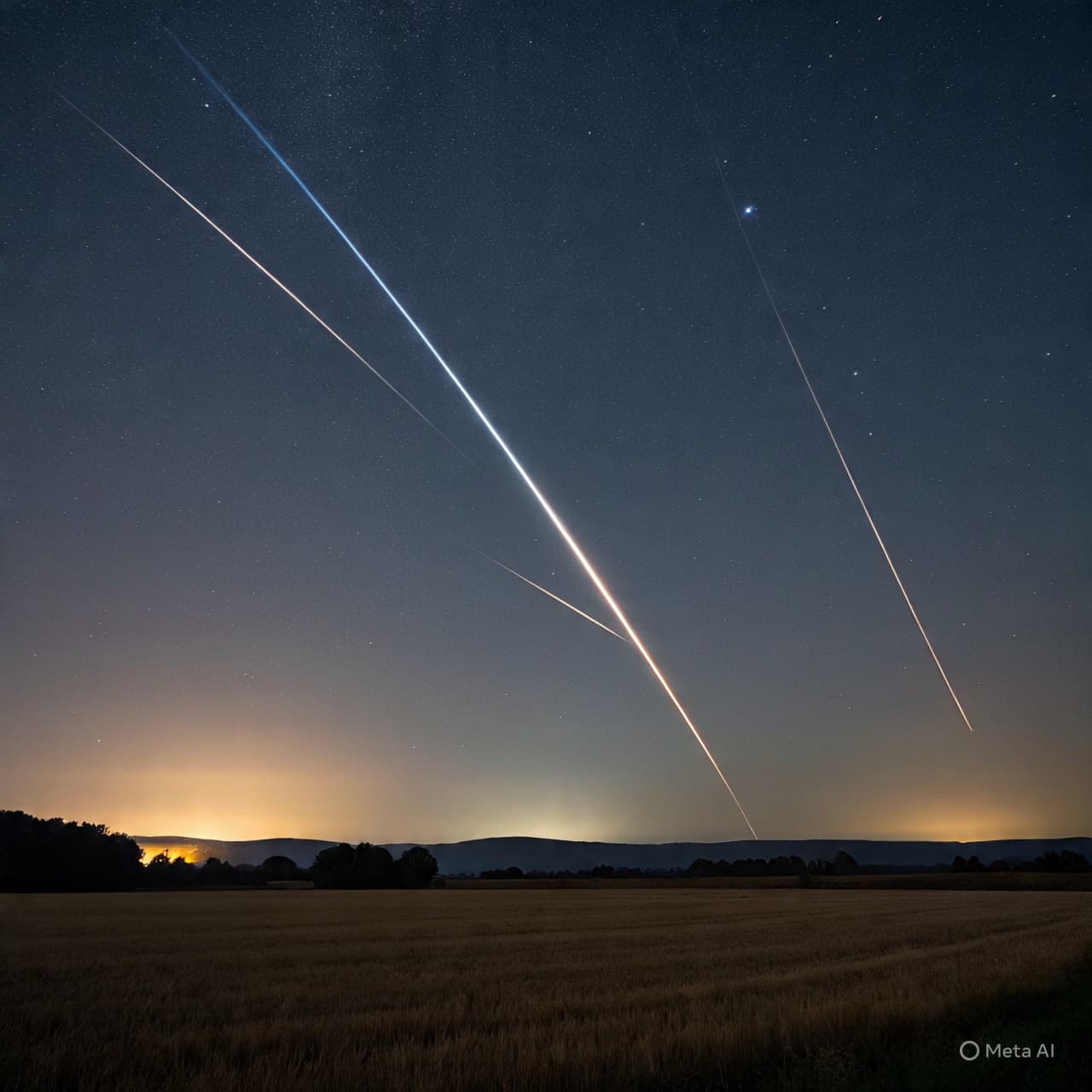
Eclipses, meteor showers, and supermoons will shape 2026’s night sky, offering familiar yet quietly striking moments for stargazers.

U.S. research shows ADHD medications improve attention and impulse control but do not increase intelligence or replace learning and support.
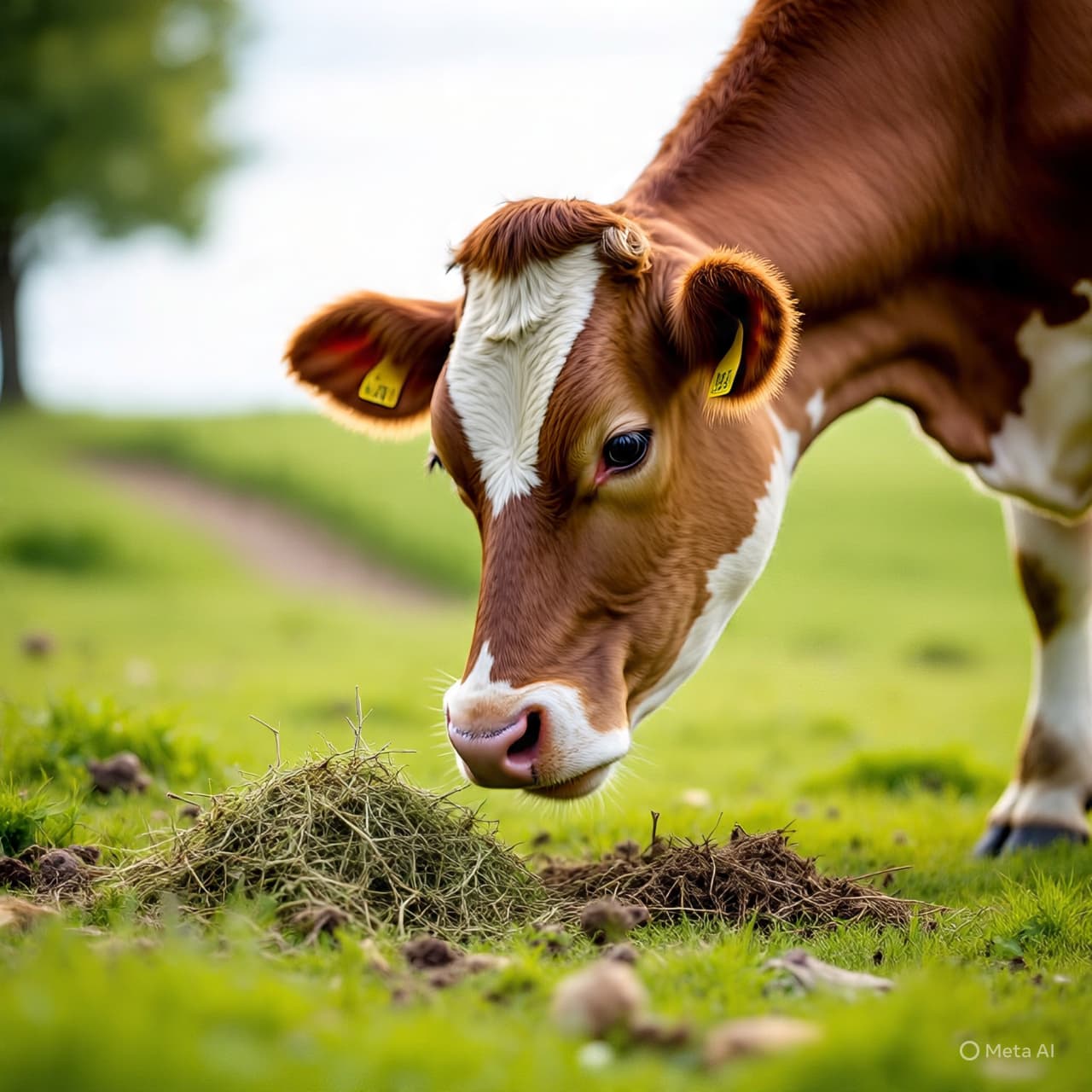
A cow named Veronika uses simple tools to scratch herself, offering new insight into problem-solving and intelligence in familiar animals.
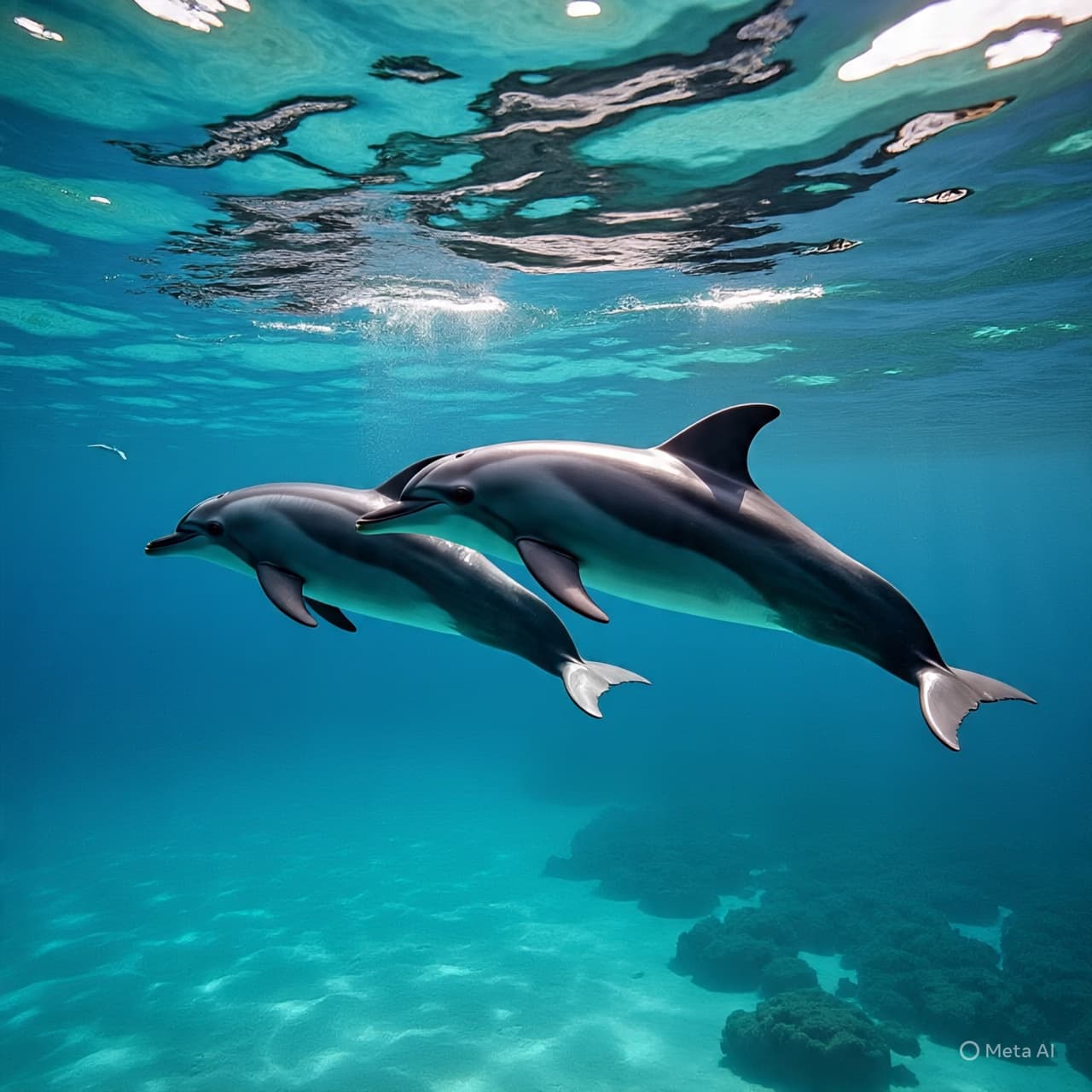
Same-sex behavior appears widely across animal species, serving social, cooperative, and bonding roles beyond reproduction.

In Cologne, Science Slams turn research into performance, inviting audiences to laugh, learn, and engage with ideas beyond academia.
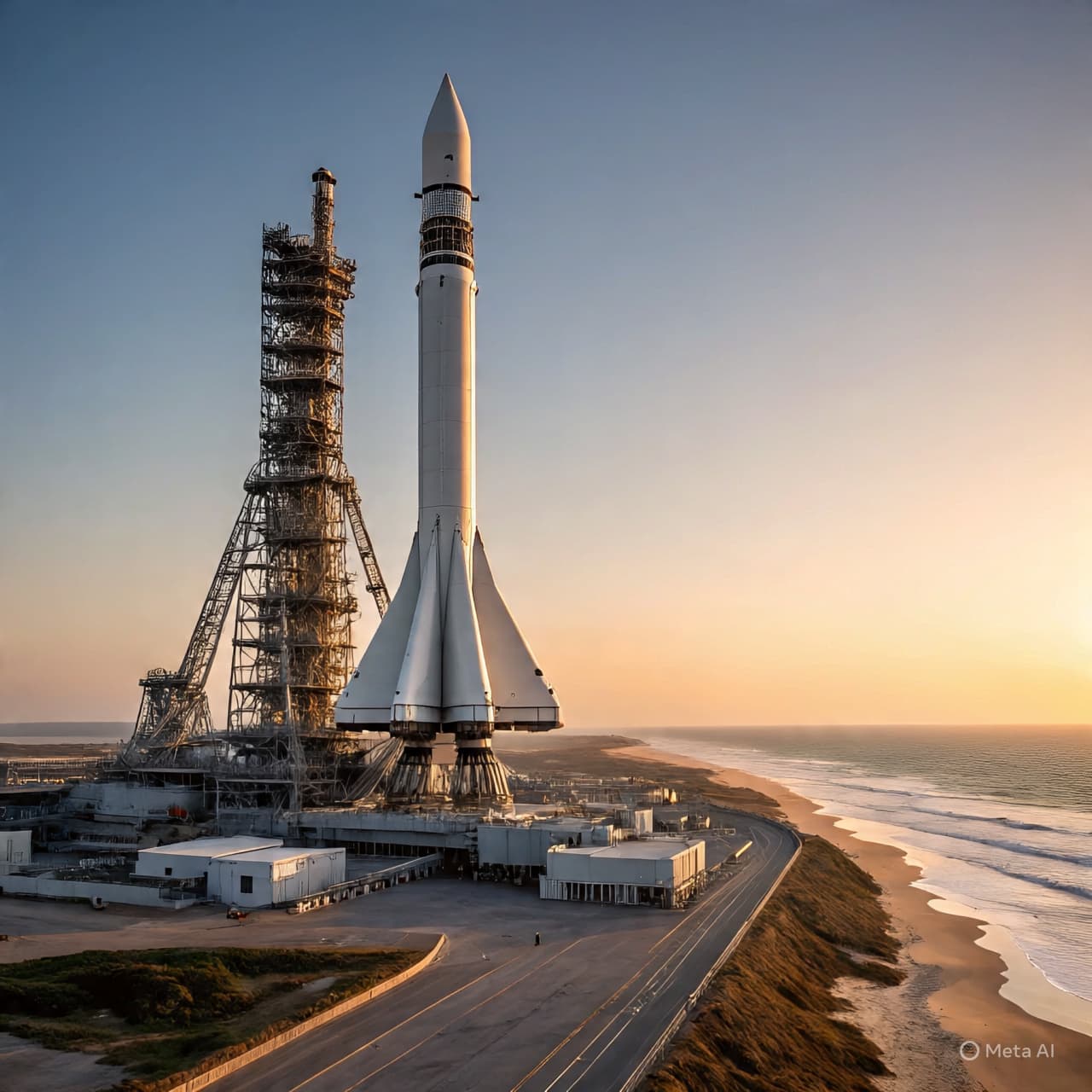
Four astronauts prepare for Artemis II, a mission that will carry humans beyond Earth orbit and around the Moon for the first time in decades.

New research shows Stonehenge’s bluestones were deliberately transported by Neolithic people, not glaciers, highlighting prehistoric human organization and ingenuity.
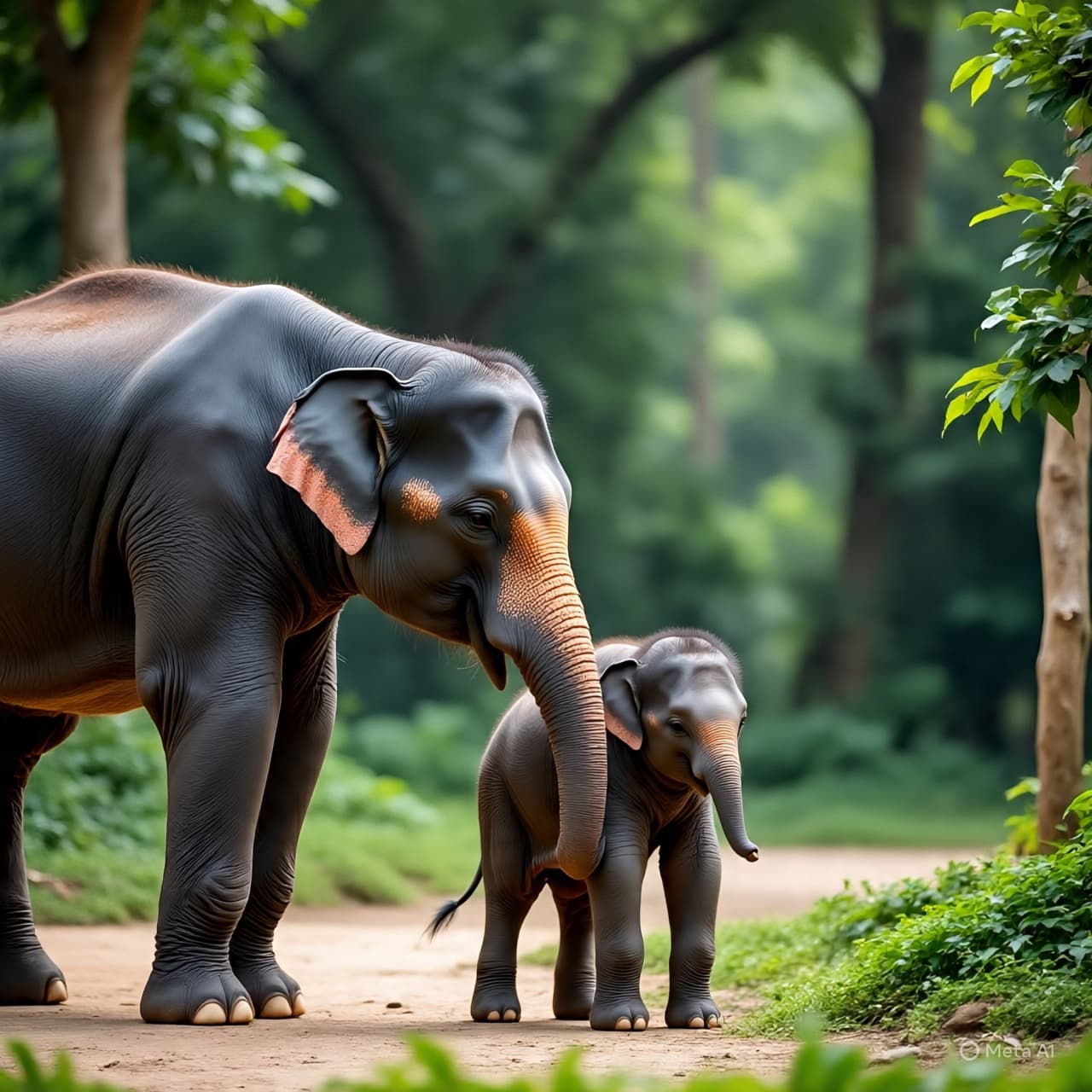
Baby elephant Tula‑Tu celebrates her first birthday at the Oregon Zoo, delighting visitors with playful charm and symbolizing hope for her endangered species.

Sanofi’s experimental drug venglustat showed strong results for type 3 Gaucher disease but failed to reach its primary goal for Fabry disease in separate late‑stage trials, leaving its approval path uncertain.

NASA’s Juno spacecraft observed the strongest volcanic eruption in the solar system on Jupiter’s moon Io, revealing a vast hotspot and synchronized lava activity with record-breaking energy output.
Retired astronauts named their favorite space films — from The Martian and Apollo 13 for realism to Galaxy Quest for humor, and classics like 2001 and Interstellar for awe.
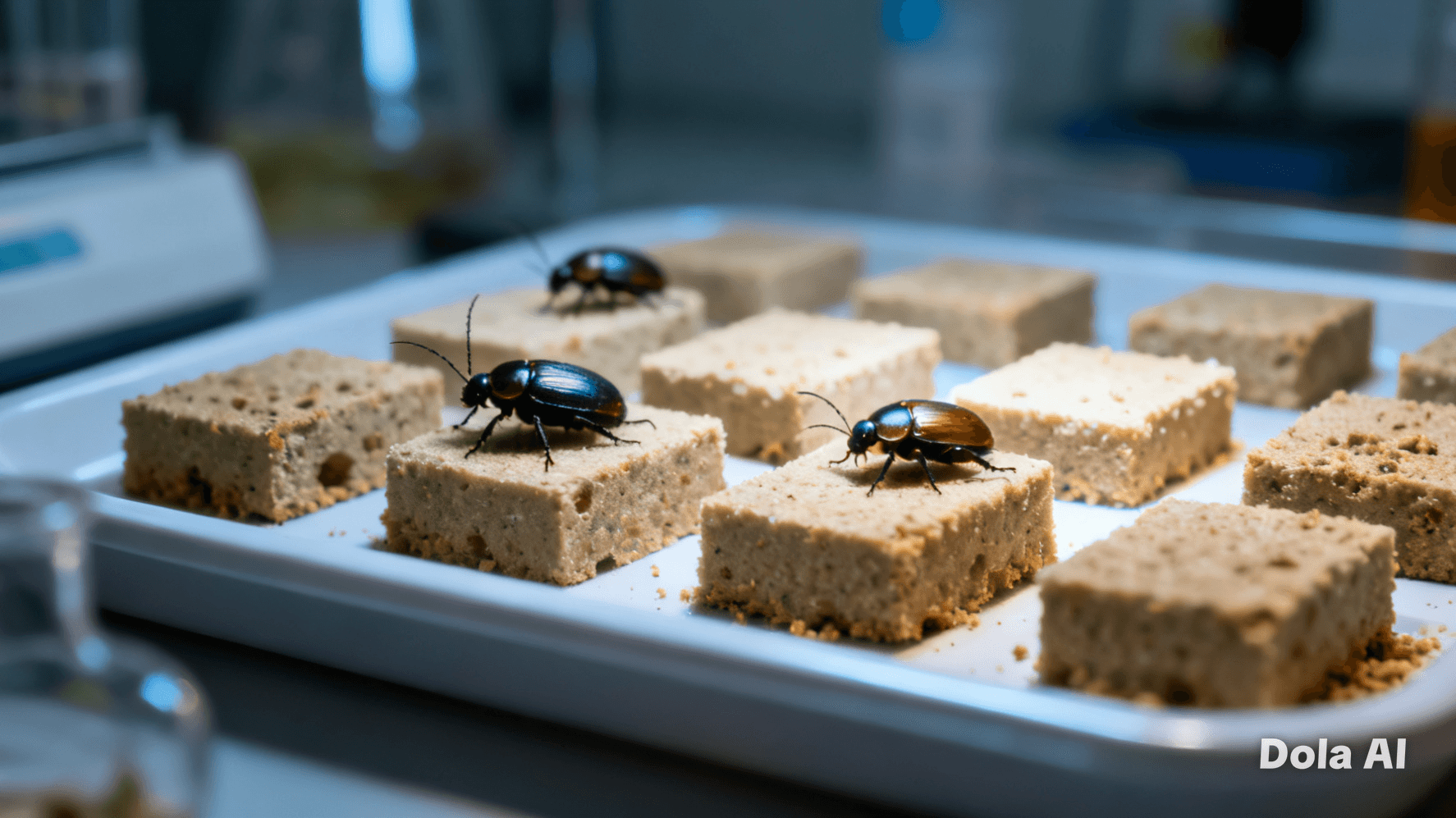
Scientists in Western Australia have established the first stable lab colony of the invasive polyphagous shot hole borer, offering a new research platform for management tools.

Orbital data centers capture imagination and promise solar‑powered compute, but their economic viability hinges on major reductions in launch and operational costs and future tech advances.
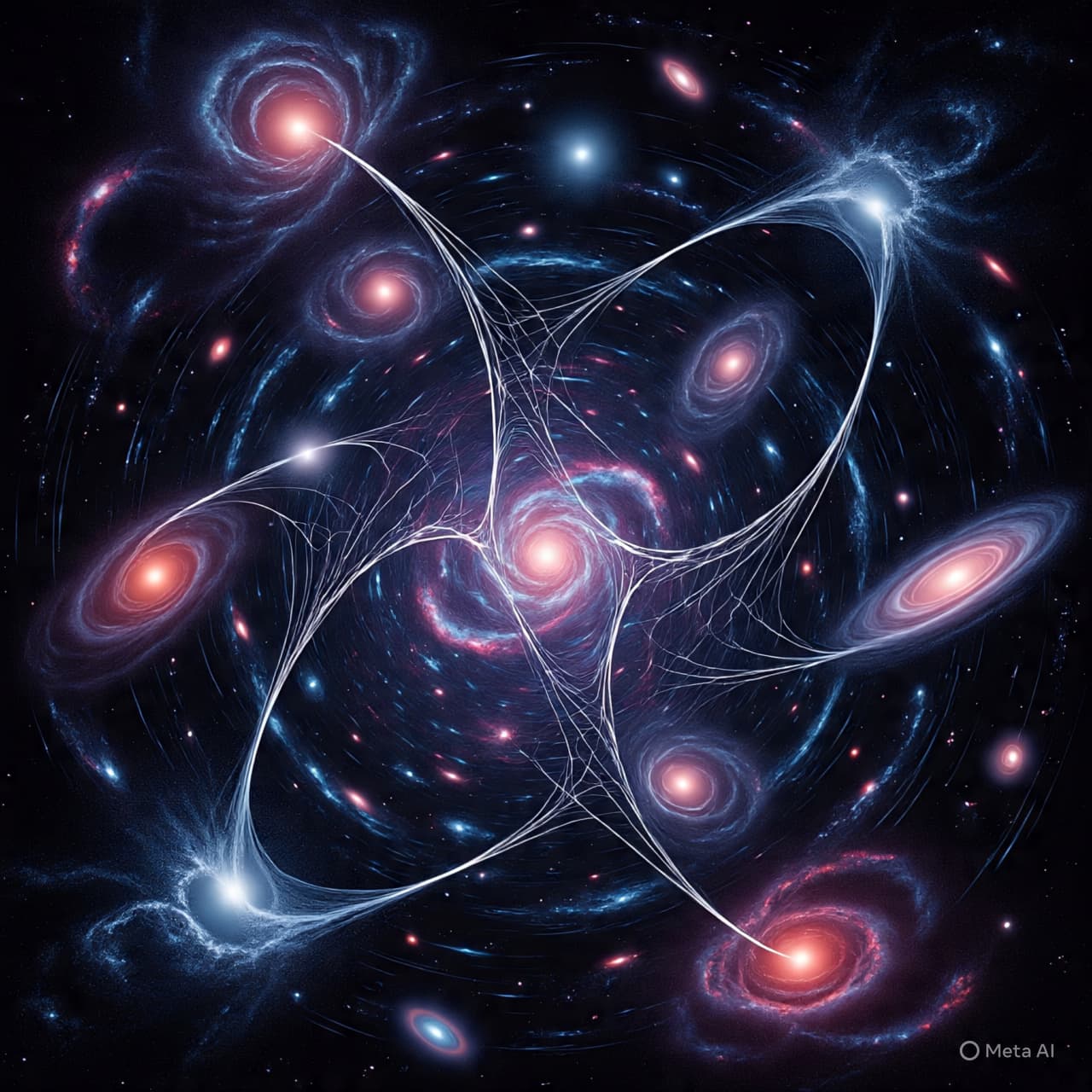
Astronomers suggest the Milky Way is embedded in a vast sheet of dark matter extending millions of light‑years, reshaping our understanding of galaxy motion and cosmic structure.
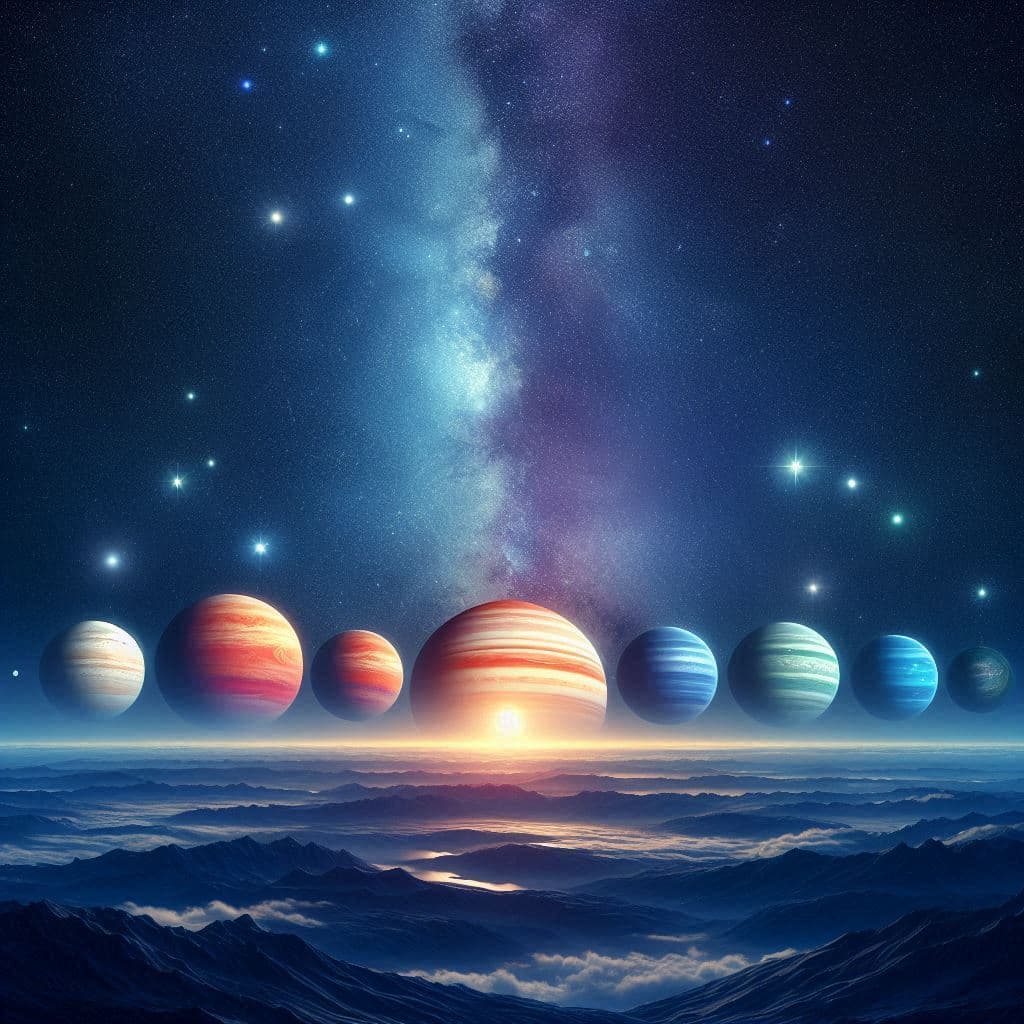
February features a planetary parade and subtle sky phenomena, offering calm viewing moments that highlight the steady rhythm of celestial movement throughout the month.
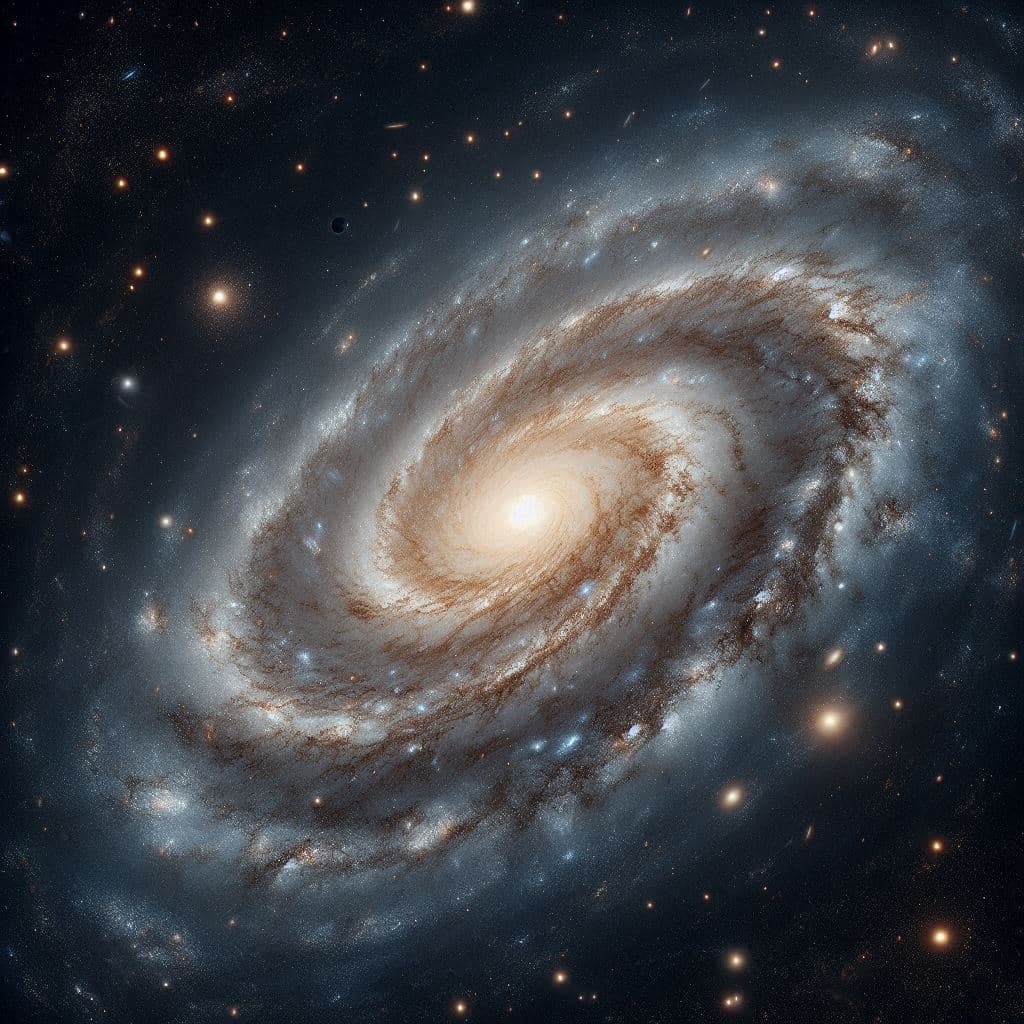
Scientists explore whether dark matter collisions could leave subtle traces in galaxies, using simulations and observations to study invisible forces shaping cosmic structure.
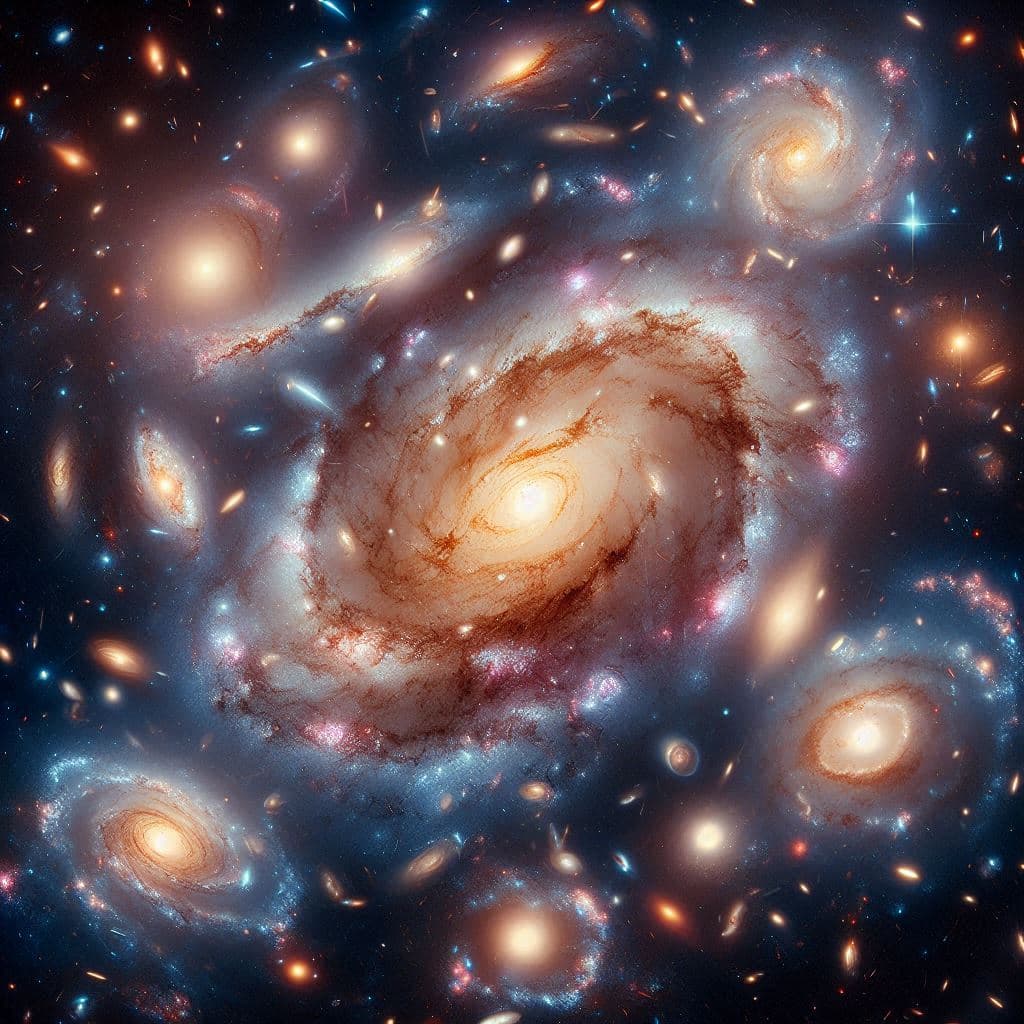
Astronomers using NASA’s Webb and Chandra telescopes have found a galaxy cluster forming about 1 billion years after the Big Bang—about 2 billion years earlier than expected, challenging cosmic models.
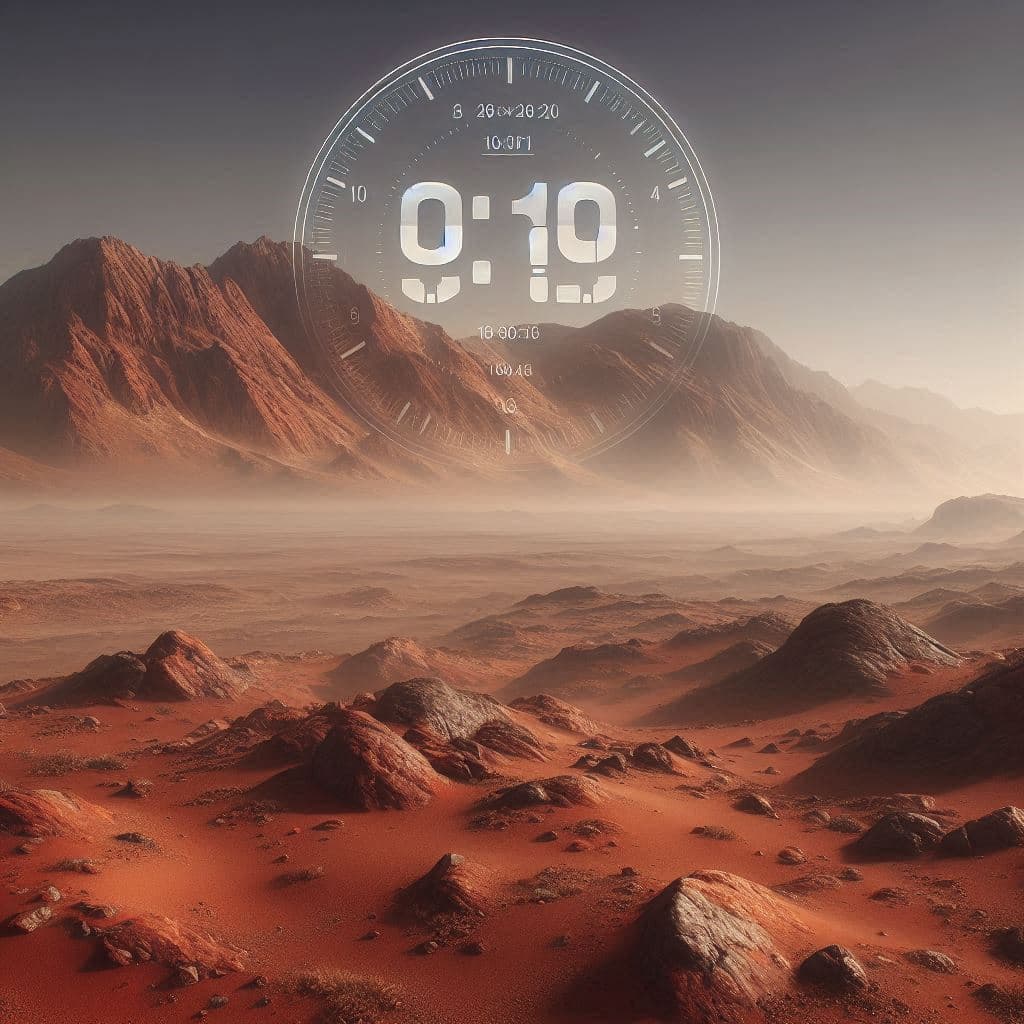
Scientific measurements confirm Einstein’s prediction that time moves slightly faster on Mars due to weaker gravity, reinforcing relativity’s role in modern space exploration.
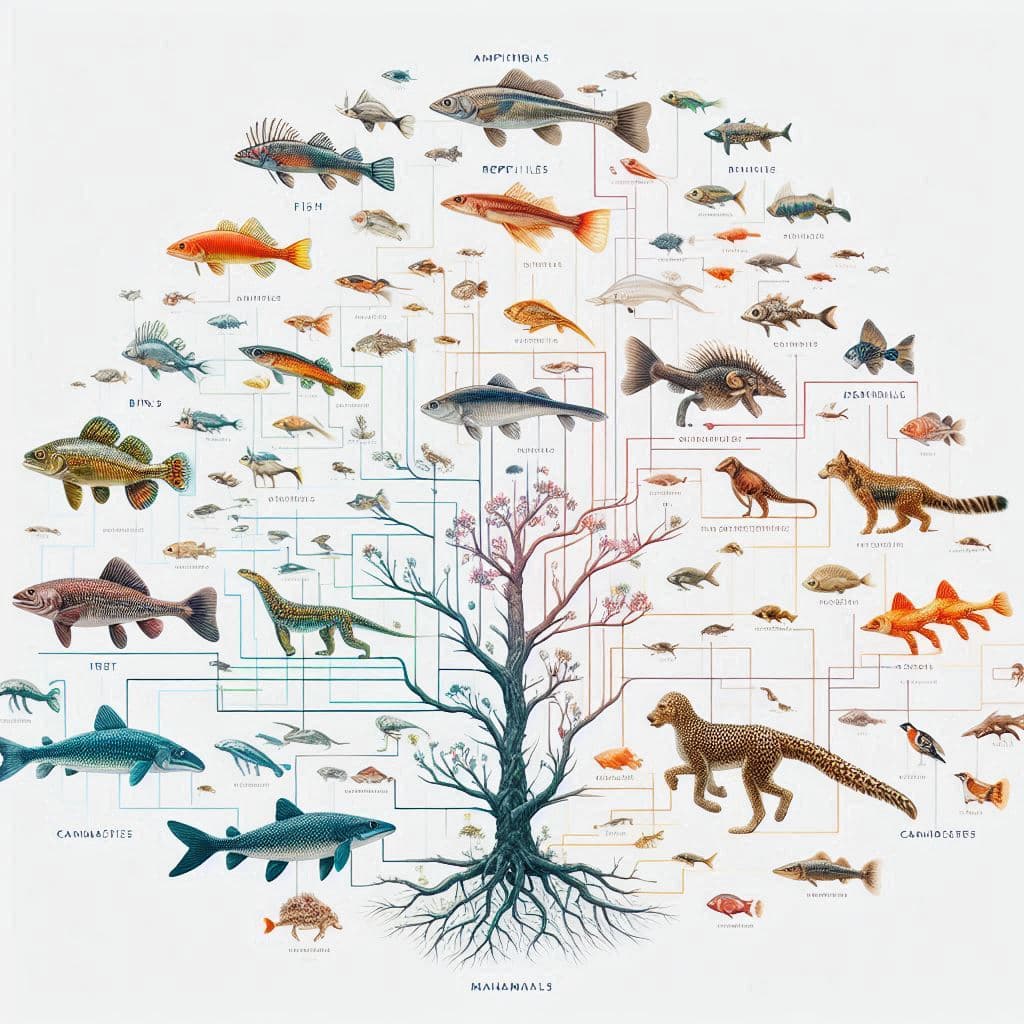
New genetic research reveals how signaling output genes quietly shaped vertebrate evolution, guiding major transitions through subtle changes rather than dramatic genetic rewrites.
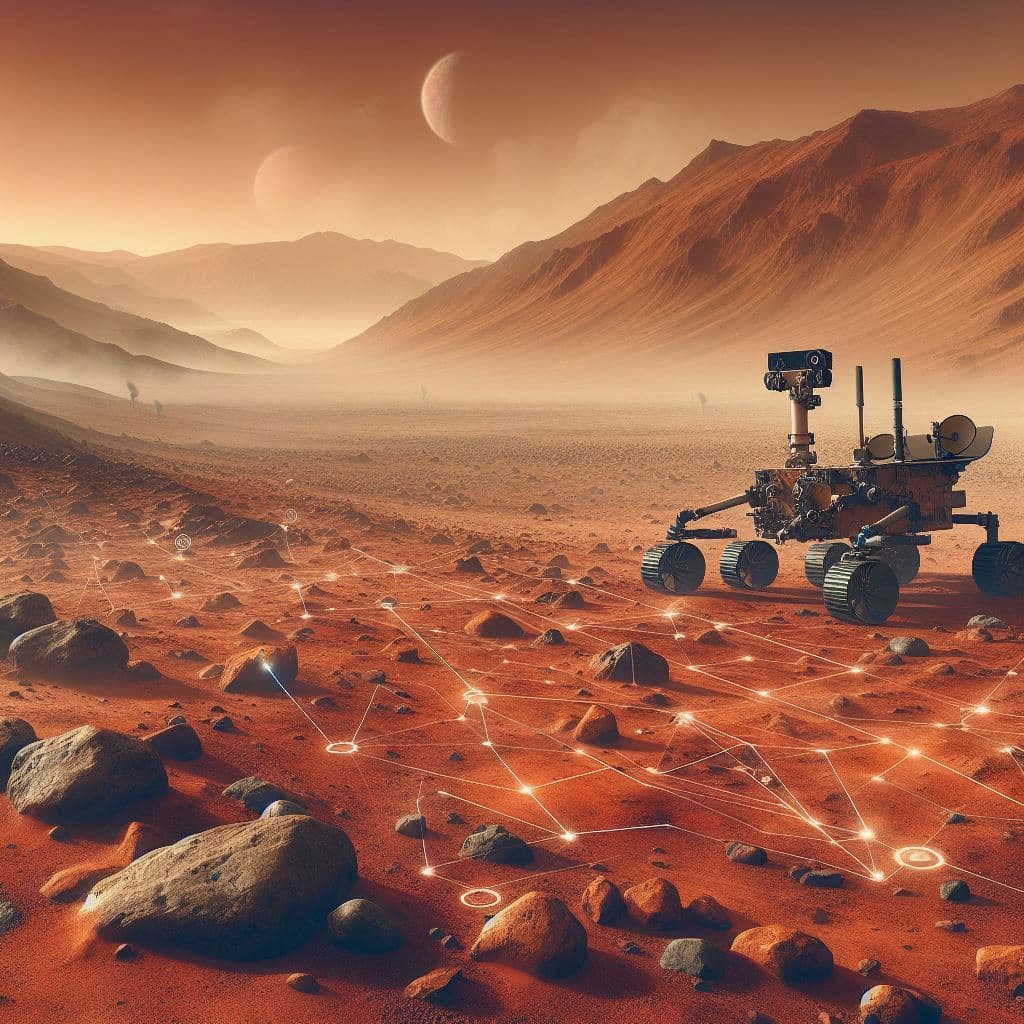
NASA and Anthropic’s Claude AI jointly planned Mars rover routes, with Perseverance driving along AI-generated paths verified by engineers, marking a first in interplanetary exploration.
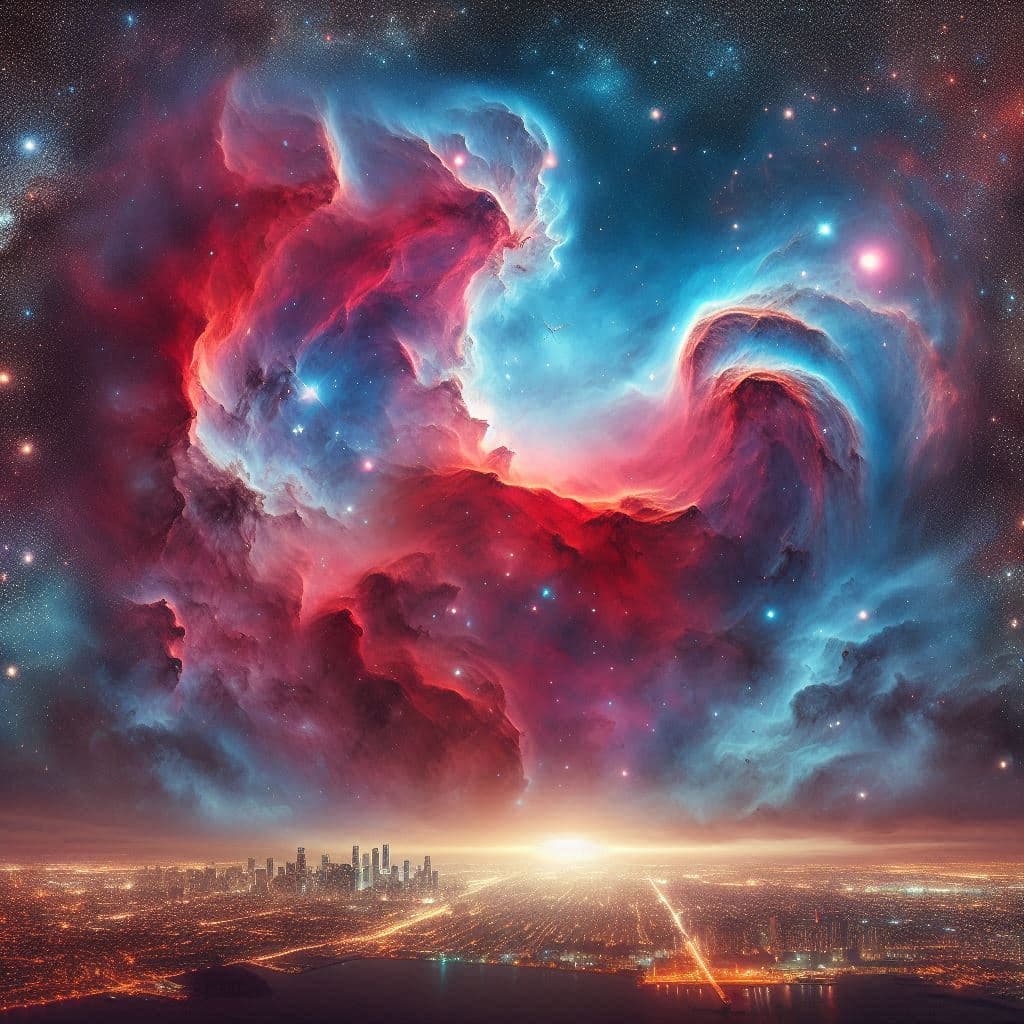
A deep-space image captures the Pelican Nebula glowing above the Las Vegas Strip, blending ancient starlight with modern city illumination through advanced astrophotography.