When the Sun Stirs: A Day of 27 Solar Flares and a Quiet Reminder of Cosmic Fire
The Sun erupted with 27 solar flares in 24 hours, including the strongest in years. This surge caused radio blackouts and raises the chance of vivid auroras.

The Sun erupted with 27 solar flares in 24 hours, including the strongest in years. This surge caused radio blackouts and raises the chance of vivid auroras.

A bright streak of blue-green light lit up the New Zealand night sky on January 30. Captured on cameras and seen widely, experts say it was likely a meteor, though space debris cannot be ruled out.

New research reveals that weathered iron from a shrinking West Antarctic Ice Sheet may reduce the Southern Ocean’s carbon uptake, highlighting an unexpected climate feedback.

Two linked amphibian footprints from the Middle Jurassic were discovered in Beijing — the first such find in Asia — offering new insight into ancient ecosystems and amphibian evolution.

Pennsylvania students will connect with NASA astronaut Chris Williams aboard the International Space Station on Feb. 5 to have their STEM questions answered in a live, prerecorded session.

In a remote part of Yellowstone’s northern range, a seasonal “animal boneyard” of elk, bison and others forms when weakened herbivores die after feeding on early spring grass; their carcasses in turn sustain wolves, grizzlies and scavengers as part of the ecosystem’s life‑and‑death rhythm.

New research suggests the Green River’s seemingly “uphill” course through Utah’s Uinta Mountains is explained by lithospheric dripping — deep Earth material sinking and then rebounding the crust — temporarily lowering the landscape and allowing the river to carve its path before the surface rose again.

NASA conducts Artemis II’s wet dress rehearsal, simulating fueling and countdown for the first crewed Moon mission, paving the way for a potential Feb. 8 launch.

A global study identifies ~700 DNA variations linked to depression, highlighting the importance of diversity in research and paving the way for more personalized treatments.

As elite tech circles push genetic selection and embryo optimization, serious ethical concerns emerge about inequality, echoes of eugenics, and societal pressures to define “best babies,” underscoring the need for reflection and regulation.

Researchers at Columbia University have developed a metasurface optical tweezer platform that could trap and control atoms at massive scales, offering a realistic route to quantum computers with over 100,000 qubits — a major step toward practical, large‑scale quantum computation.

After a successful Falcon 9 launch deploying 25 Starlink satellites from Vandenberg, SpaceX reported an anomaly during the upper stage’s preparation for its deorbit burn; the mission’s main goal was achieved and the stage was passivated safely as data reviews continue.

Research suggests wetlands do not need constant flooding to maximize climate benefits, as moderate water levels can store carbon while limiting methane emissions.

Scientists exploring the deep Pacific have documented nearly 800 species previously unknown, offering new insights into ocean biodiversity and highlighting ecosystem fragility.

A new study suggests the Green River’s unusual uphill-appearing path through the Uinta Mountains reflects ancient lithospheric dripping that temporarily lowered the landscape.

South Ottawa wetlands have been donated to the Nature Conservancy, ensuring long-term protection for habitat, water management, and ecological resilience near the growing city.

Vines climb by slowly circling, sensing touch, and responding with directed growth, using nearby plants and structures to reach sunlight without building rigid stems.

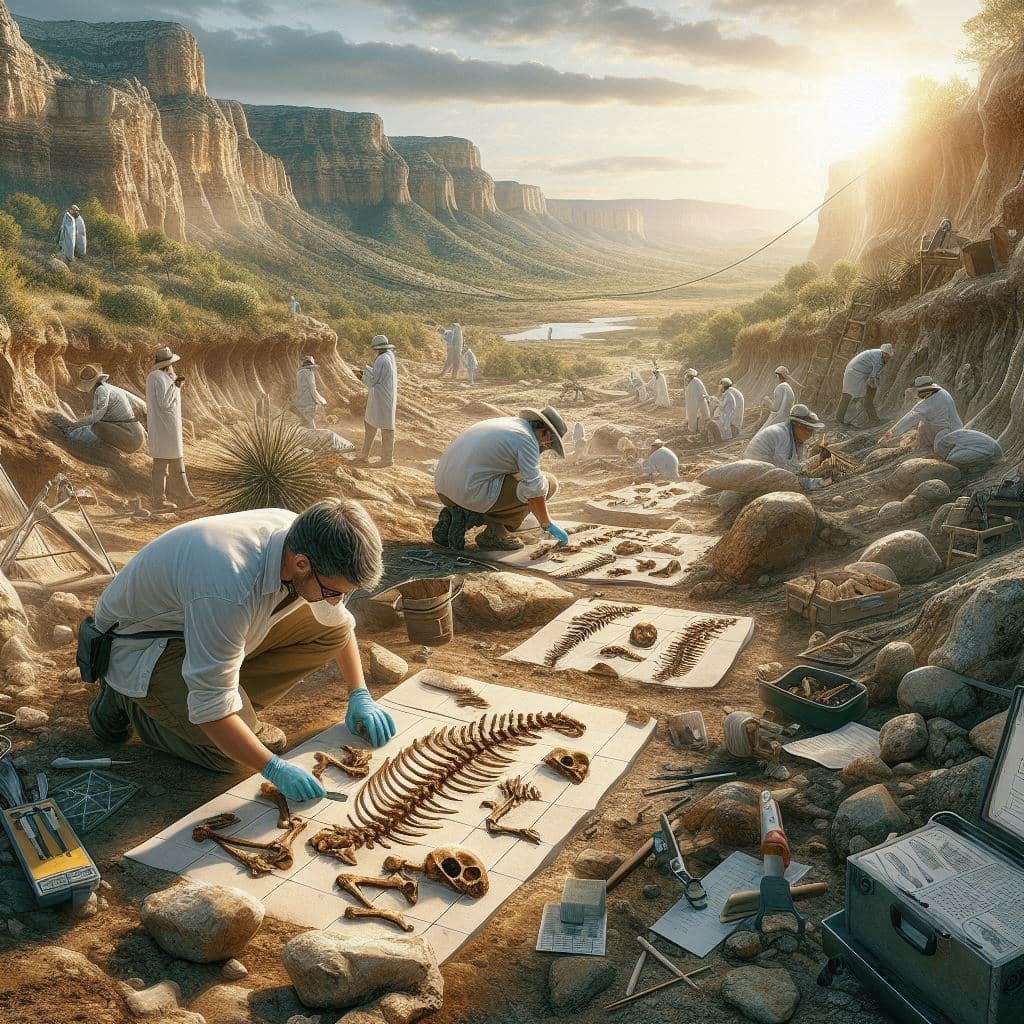
Fossils from Catalonia’s Vallès-Penedès Basin reveal that around 10 million years ago, rainfall was about twice today’s levels, suggesting a subtropical, wetter climate.

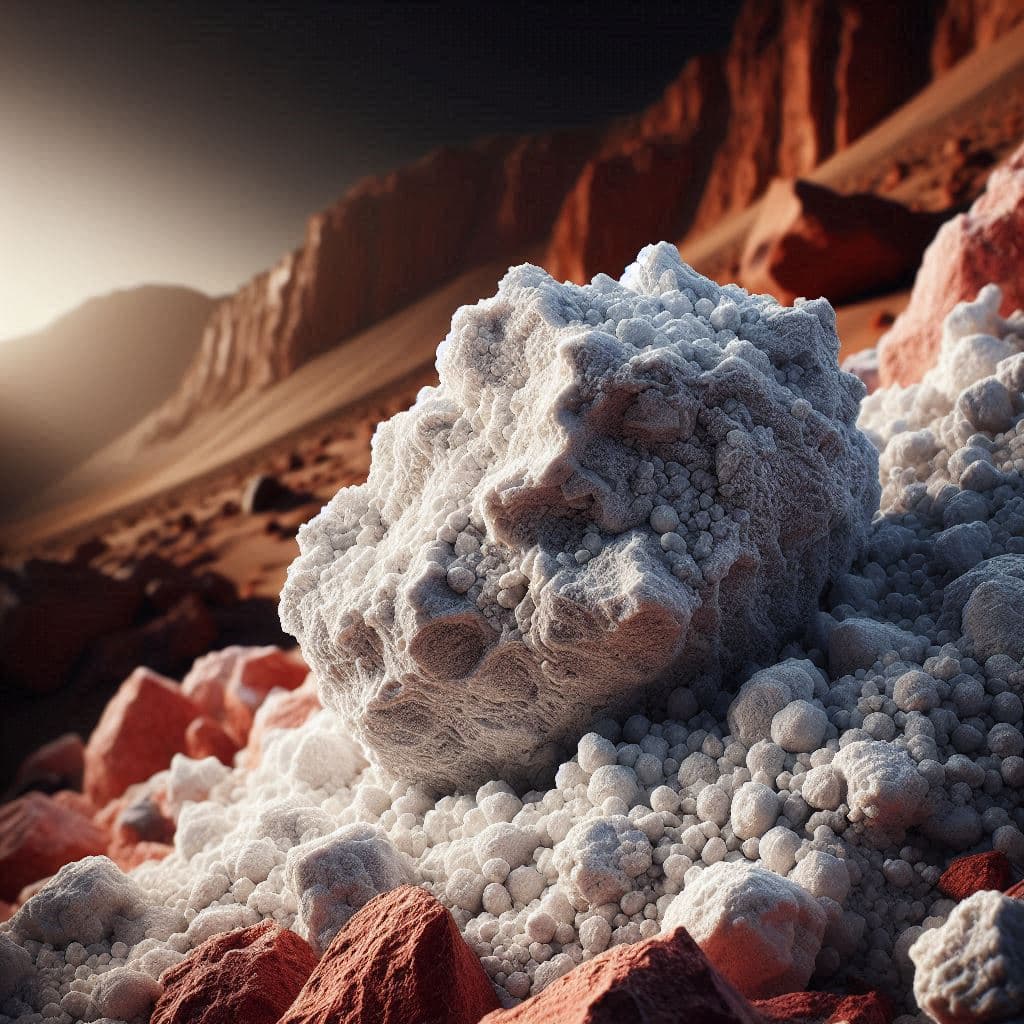
Bleached, clay-rich rocks found by Perseverance suggest Mars once experienced warm, rainy conditions; scientists are investigating how these fragments traveled and formed.

Scientists observed atoms roaming and reshaping before X-ray induced decay, revealing that nuclear motion influences when and how electrons are emitted in radiation damage.

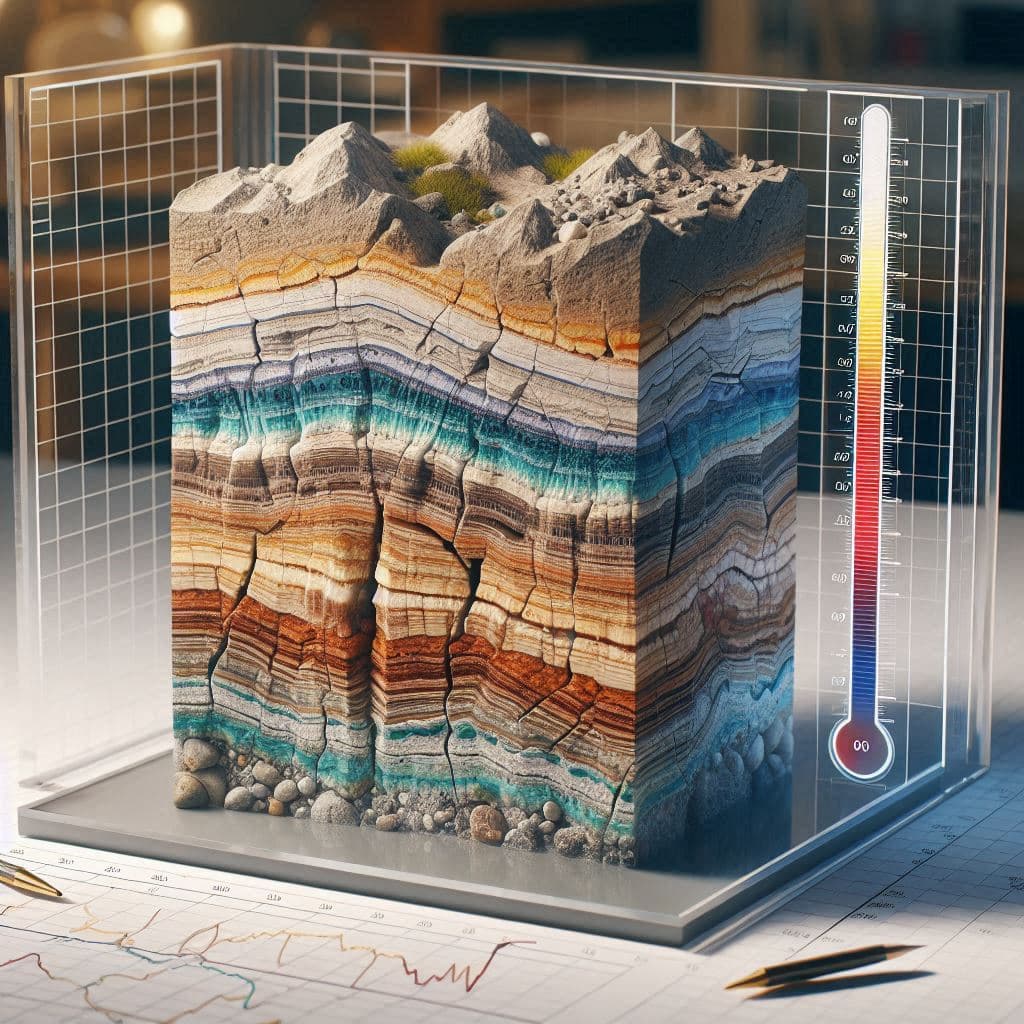
Sediment evidence from the Pliocene suggests tropical land warmed nearly twice as much as nearby oceans under high CO₂, hinting that future land warming may outpace ocean change.

Microorganisms living on rock surfaces in aquifers form distinct communities that actively shape groundwater chemistry, carbon storage, and water quality, beyond the roles of free-floating microbes.

Researchers found a key gene, JcSPL9, that boosts seed yield and oil content in Jatropha curcas, offering promise for improved biofuel crop productivity.

Santorini’s earthquakes are caused by the interaction of tectonic plate movement and ongoing volcanic activity beneath its caldera.