The Planet’s Gentle Tug: What a Growing Gravity Anomaly Reveals
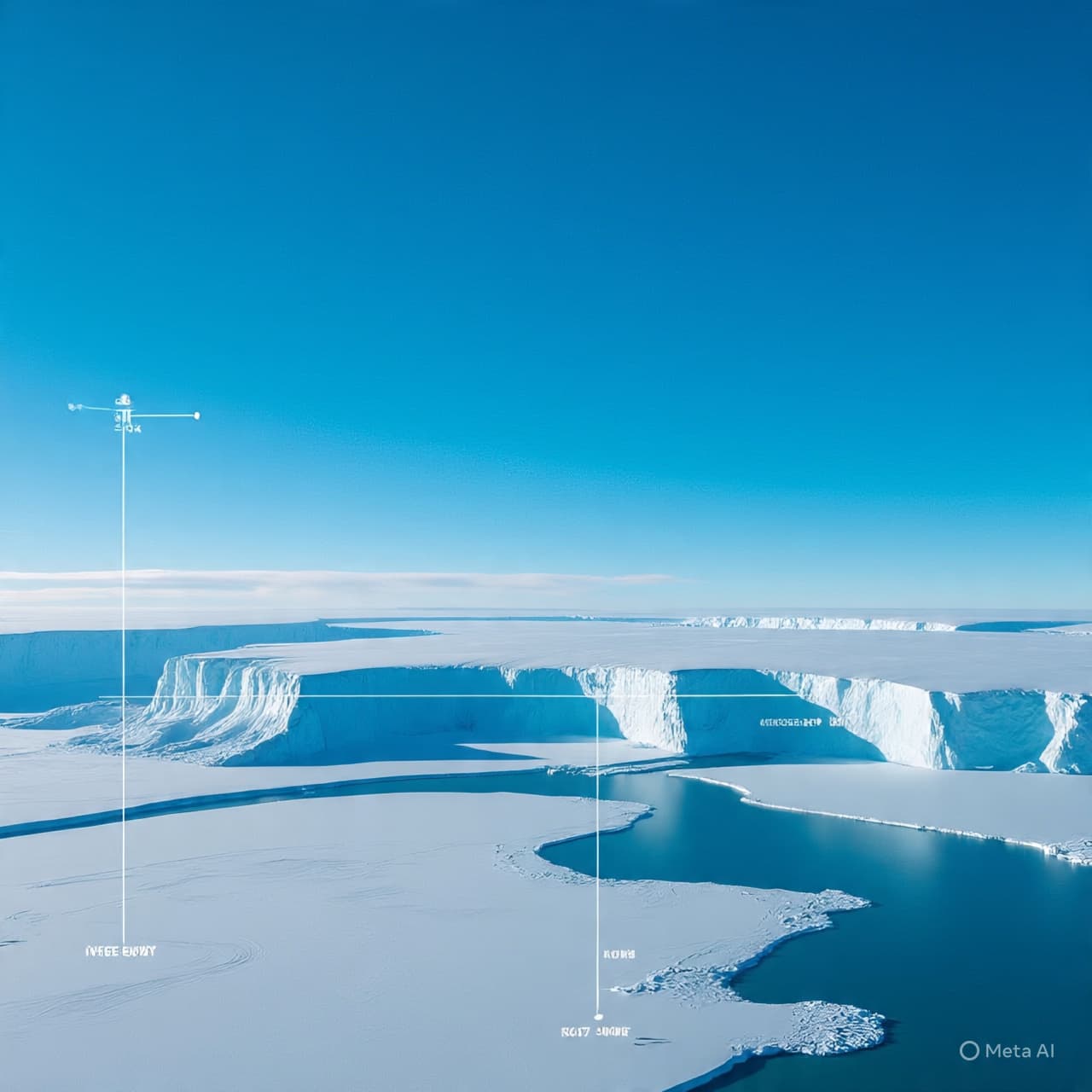
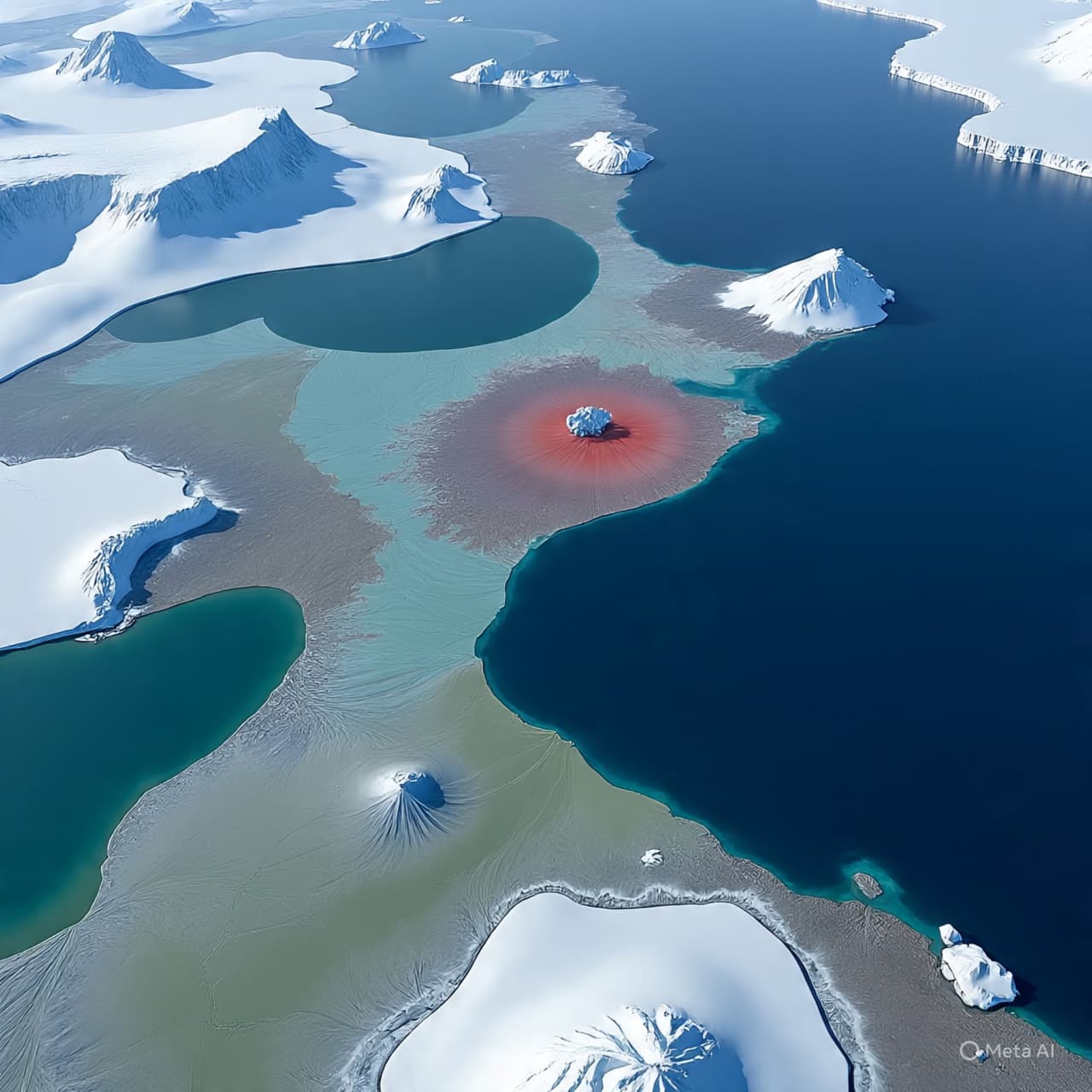
Scientists observe a strengthening gravity anomaly in Antarctica linked to ice loss, crust rebound, and deep Earth structures, offering new insight into climate and geology.

Scientists observe a strengthening gravity anomaly in Antarctica linked to ice loss, crust rebound, and deep Earth structures, offering new insight into climate and geology.

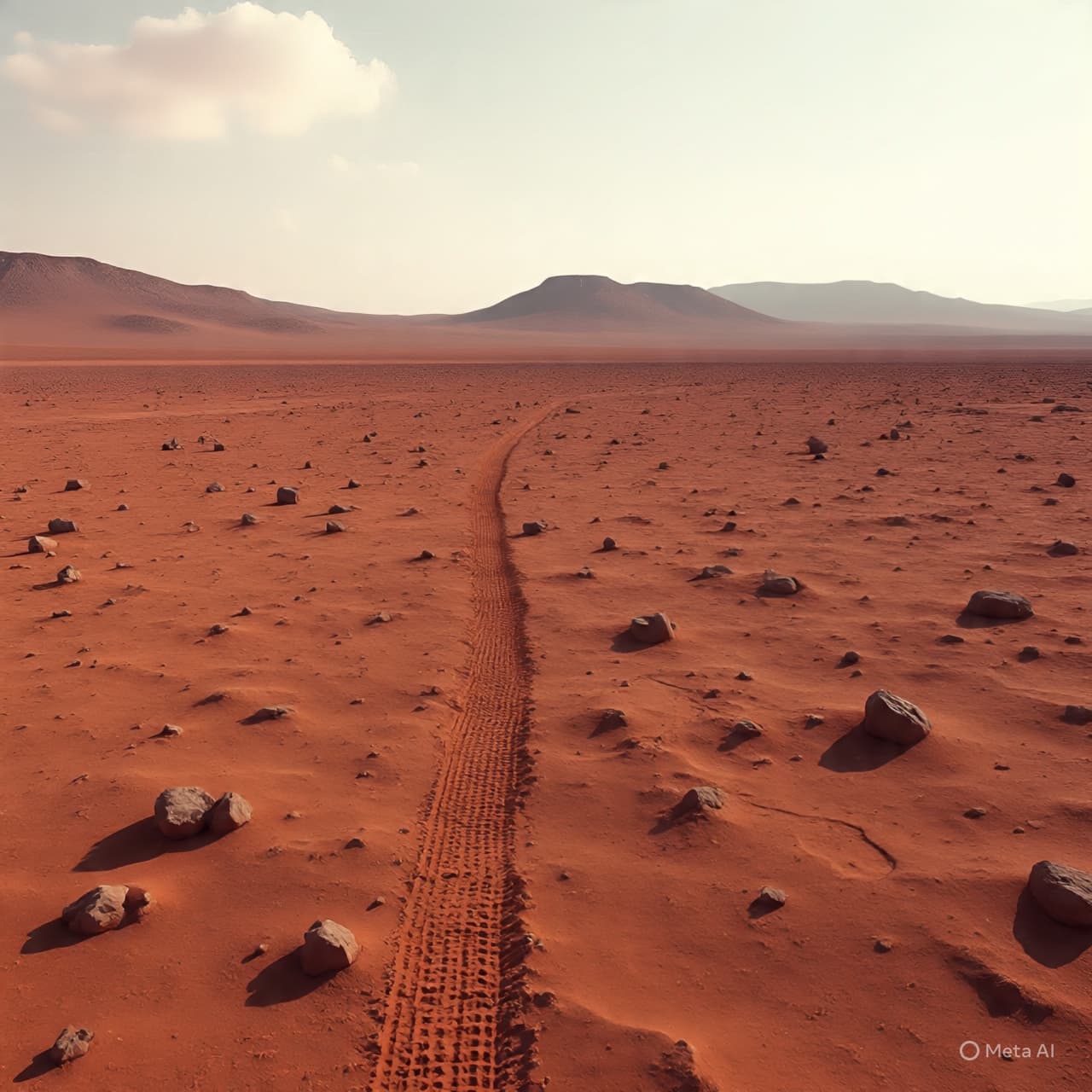
New research suggests Mars’ toxic soil could help create stronger bricks, offering potential construction solutions for future human missions to the Red Planet.

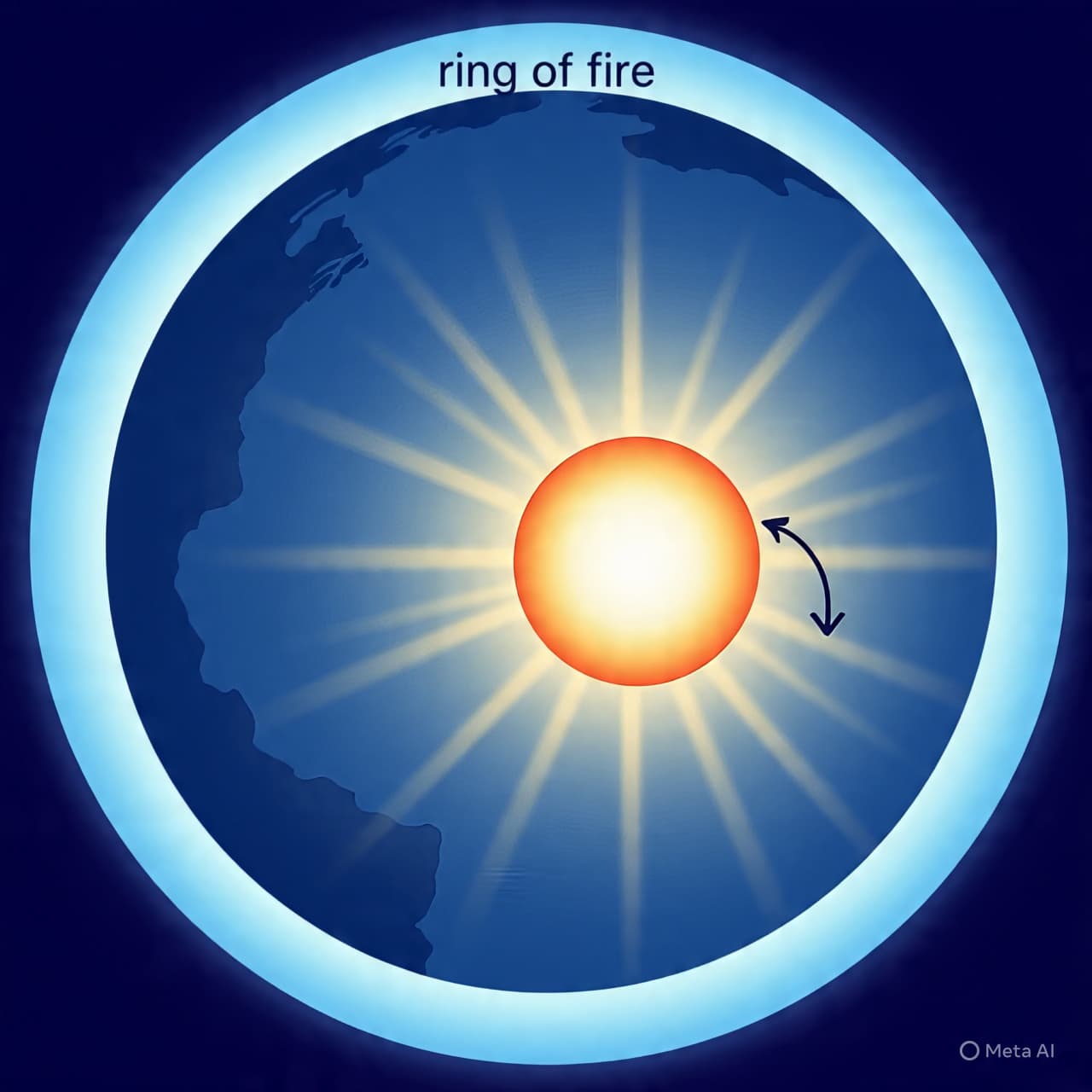
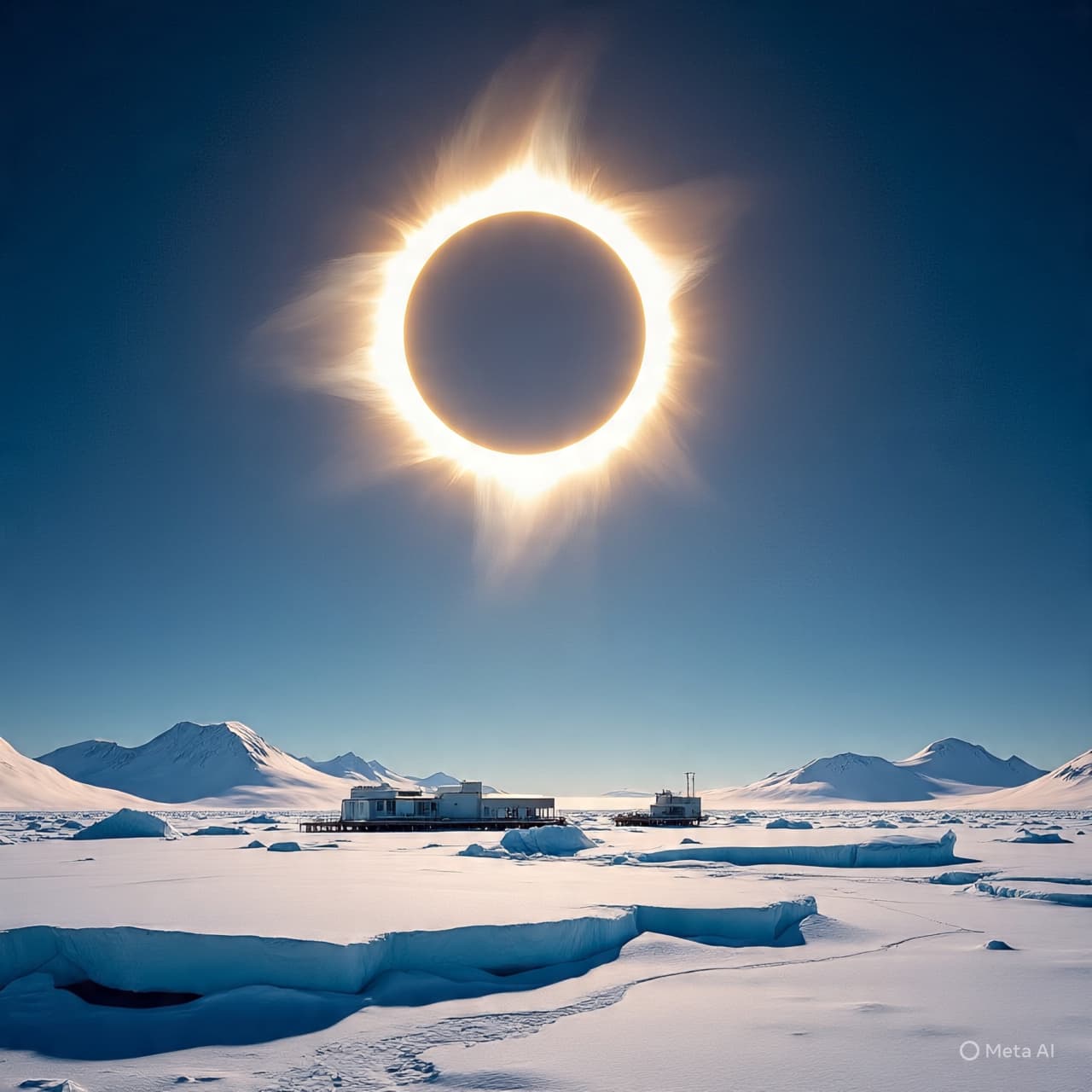
On February 17–18, 2026, a rare annular solar eclipse produced a stunning “Ring of Fire” as the Moon passed between Earth and the Sun, creating a glowing solar halo visible from remote parts of Antarctica, with partial views in southern Africa and South America.

At Milovice IV in the Czech Republic, archaeologists have uncovered a rare 30,000‑year‑old stone toolkit likely belonging to a single Ice Age hunter‑gatherer, offering new insights into individual behavior, mobility, and survival strategies during the Gravettian period.

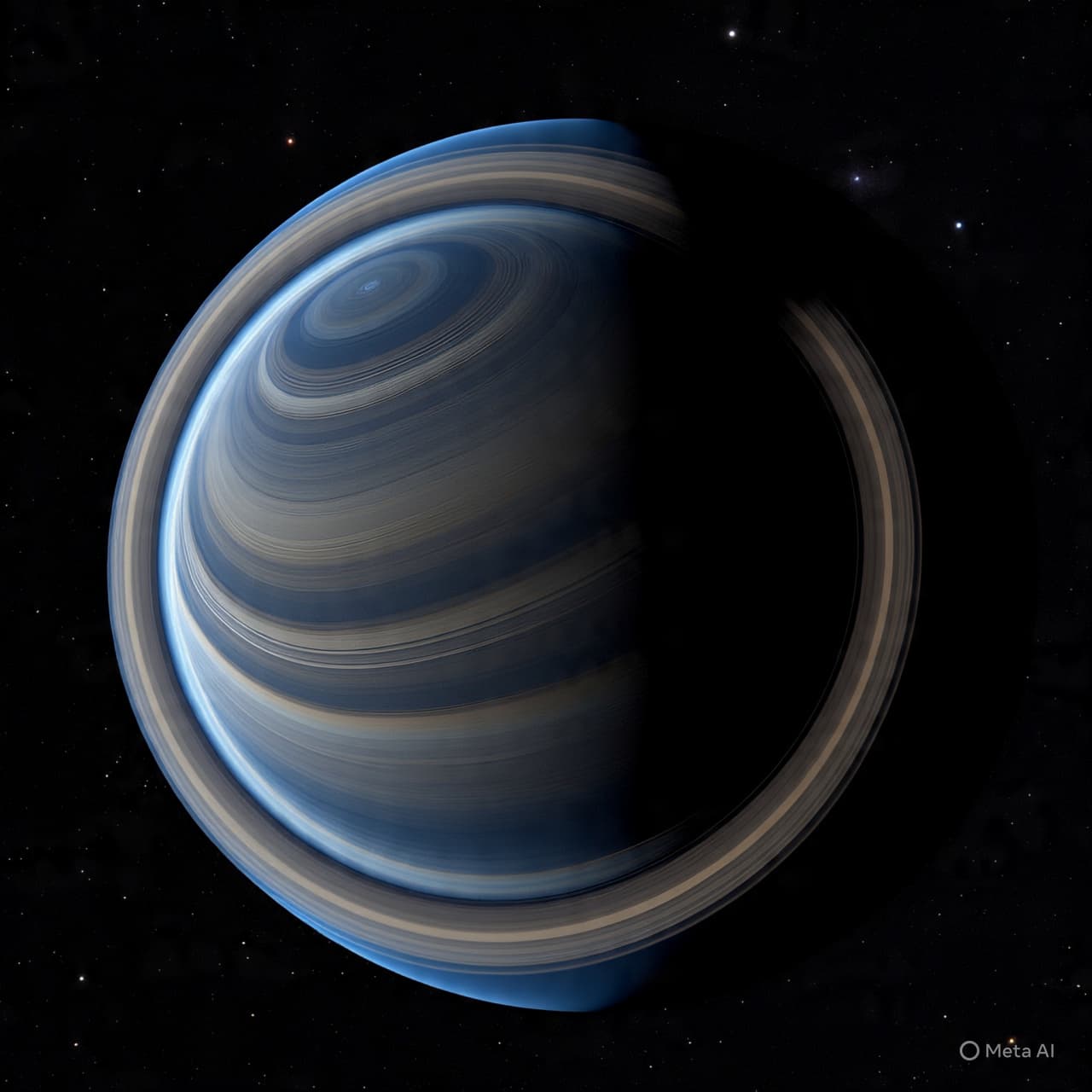
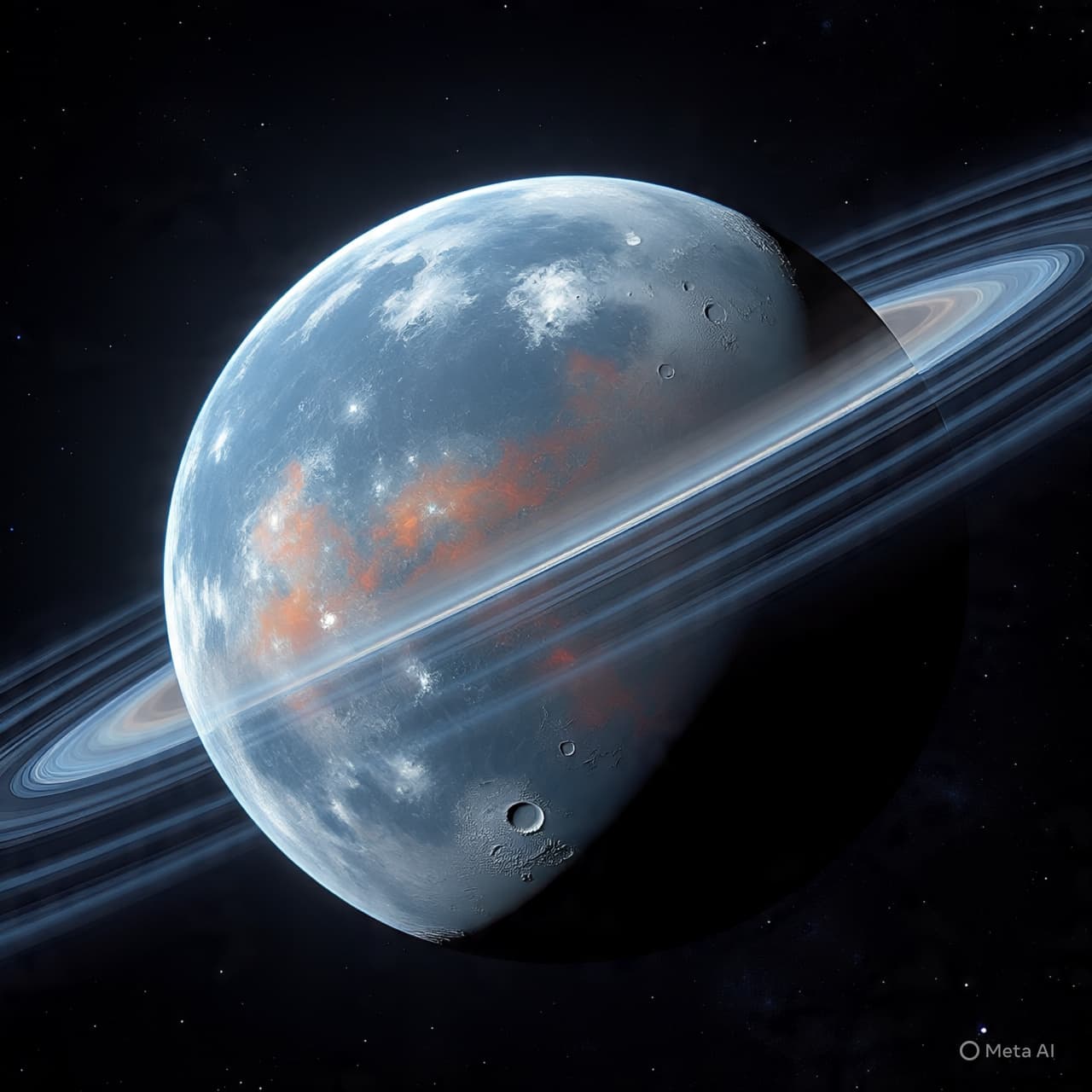
Researchers propose an ancient moon merger may have formed Titan, with leftover debris eventually shaping Saturn’s rings, offering new insight into the planet’s evolution.

Scientific models suggest that Saturn’s rings may have formed from ice and debris created by a massive collision between icy moons, scattering material into orbit within the Roche limit and producing the luminous rings we observe today.

From coastal marshes and wetlands to mountain parks and inland refuges, Washington offers four standout wild animal hotspots where diverse mammals, birds, and marine life can be observed in their natural habitats.

New research suggests that while the Cascadia subduction zone remains a long‑term threat, shallow local faults in the Seattle Fault Zone — directly beneath the city — may pose a more immediate danger, capable of causing intense shaking and damage to urban infrastructure. ([turn0news0]; [turn0news1])

Scientists have reconstructed how Antarctica’s gravity depression — the Antarctic Geoid Low — has strengthened over tens of millions of years, coinciding with major climate shifts and glaciation, highlighting deep‑Earth processes that shape gravitational patterns and possibly influence ocean surfaces.

Scientists developed a self‑spreading CRISPR gene editor that replicates like a virus, boosting editing efficiency and potentially expanding gene therapy uses.

A rare annular solar eclipse created a glowing “ring of fire” over Antarctica on Feb. 17, 2026, briefly transforming the Sun into a luminous halo.

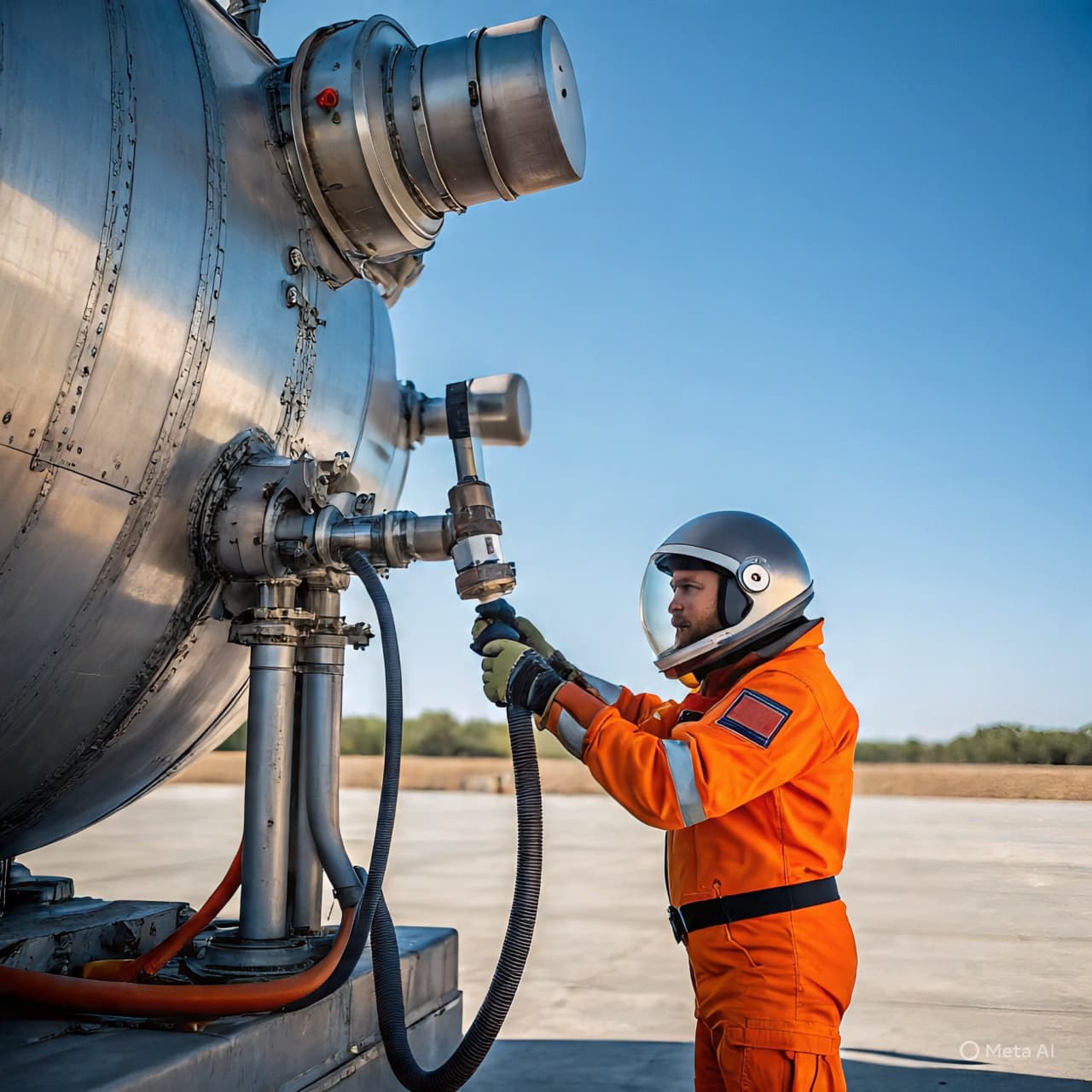
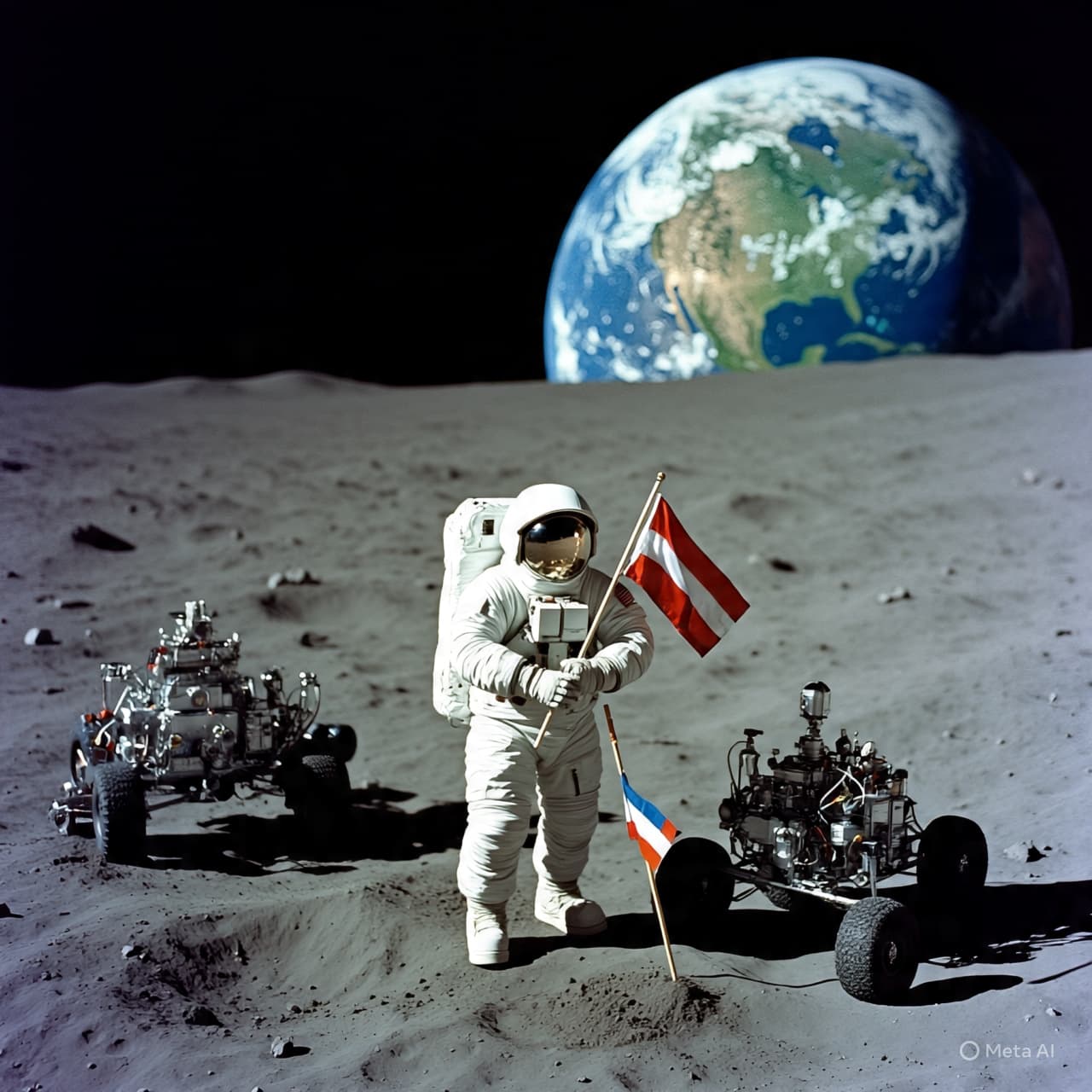
NASA plans a second wet dress rehearsal for Artemis II on Feb. 19 to test fueling after a previous hydrogen leak, a key step before the crewed lunar mission.

A rare annular solar eclipse on February 17, 2026, created a “ring of fire” visible over Antarctica, with partial views in southern Africa and South America, as the Moon passed between Earth and the Sun.

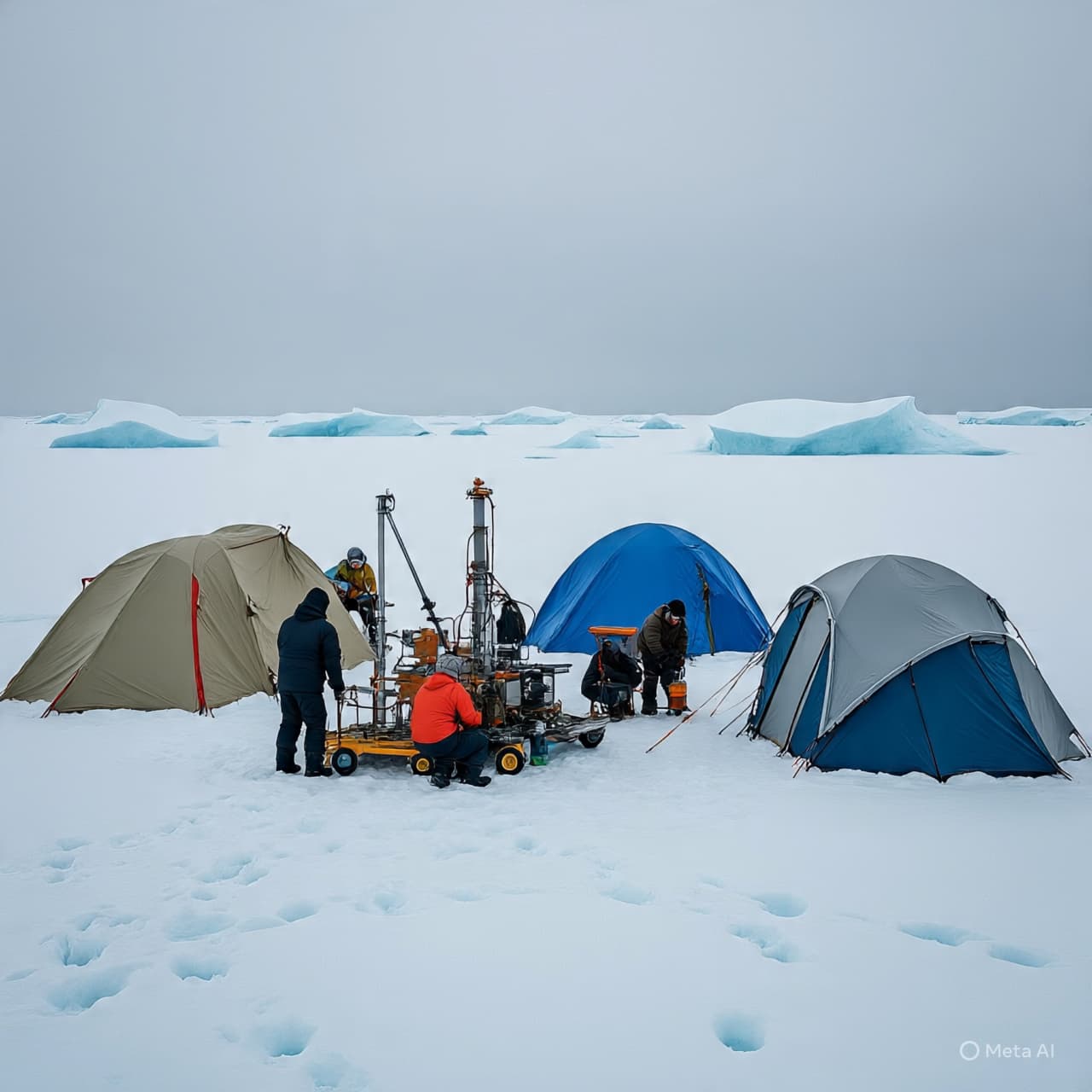
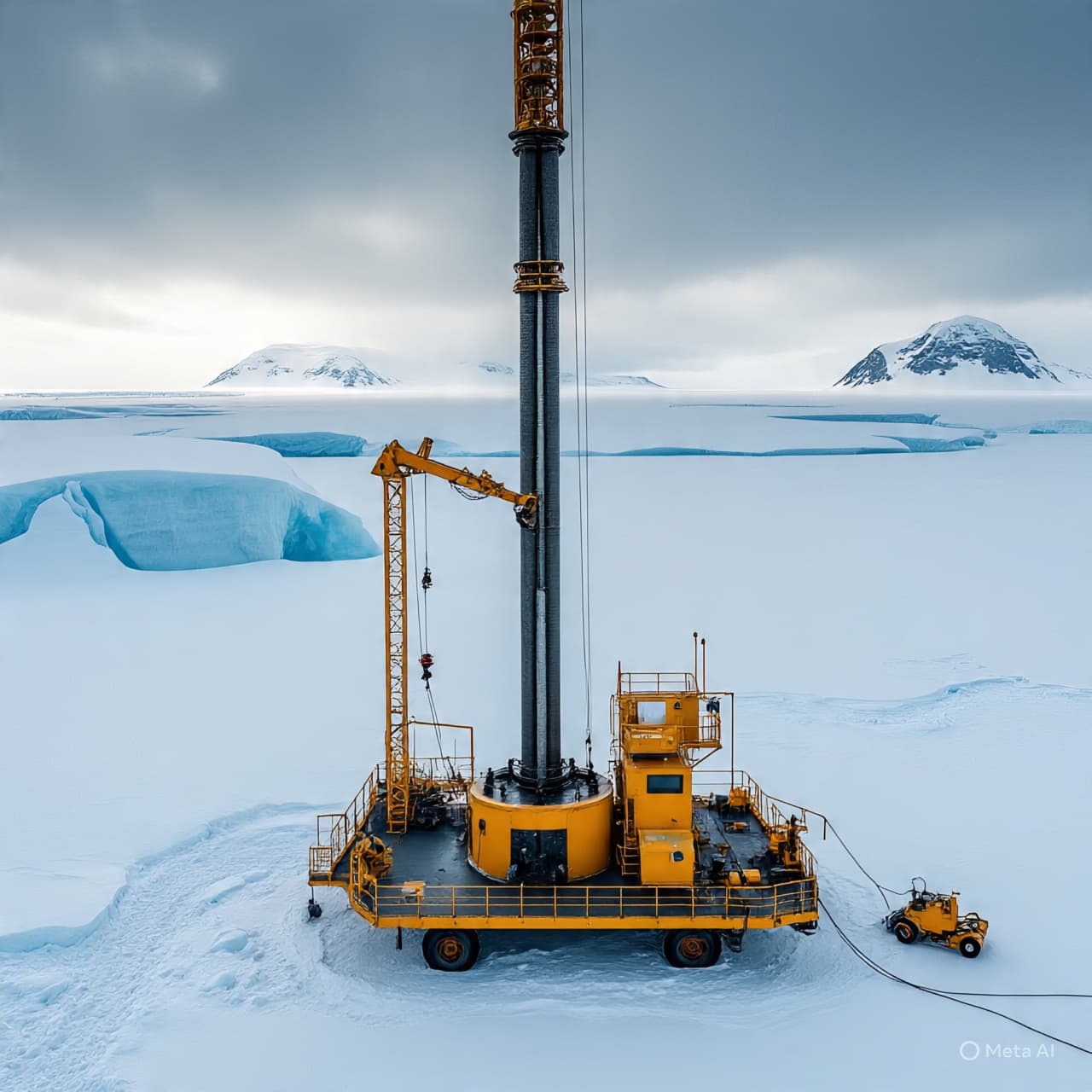
Scientists recovered a 228 m sediment core from beneath the West Antarctic Ice Sheet, revealing a climate record dating back about 23 million years. The archive offers insights into past warm periods and ice sheet behavior.

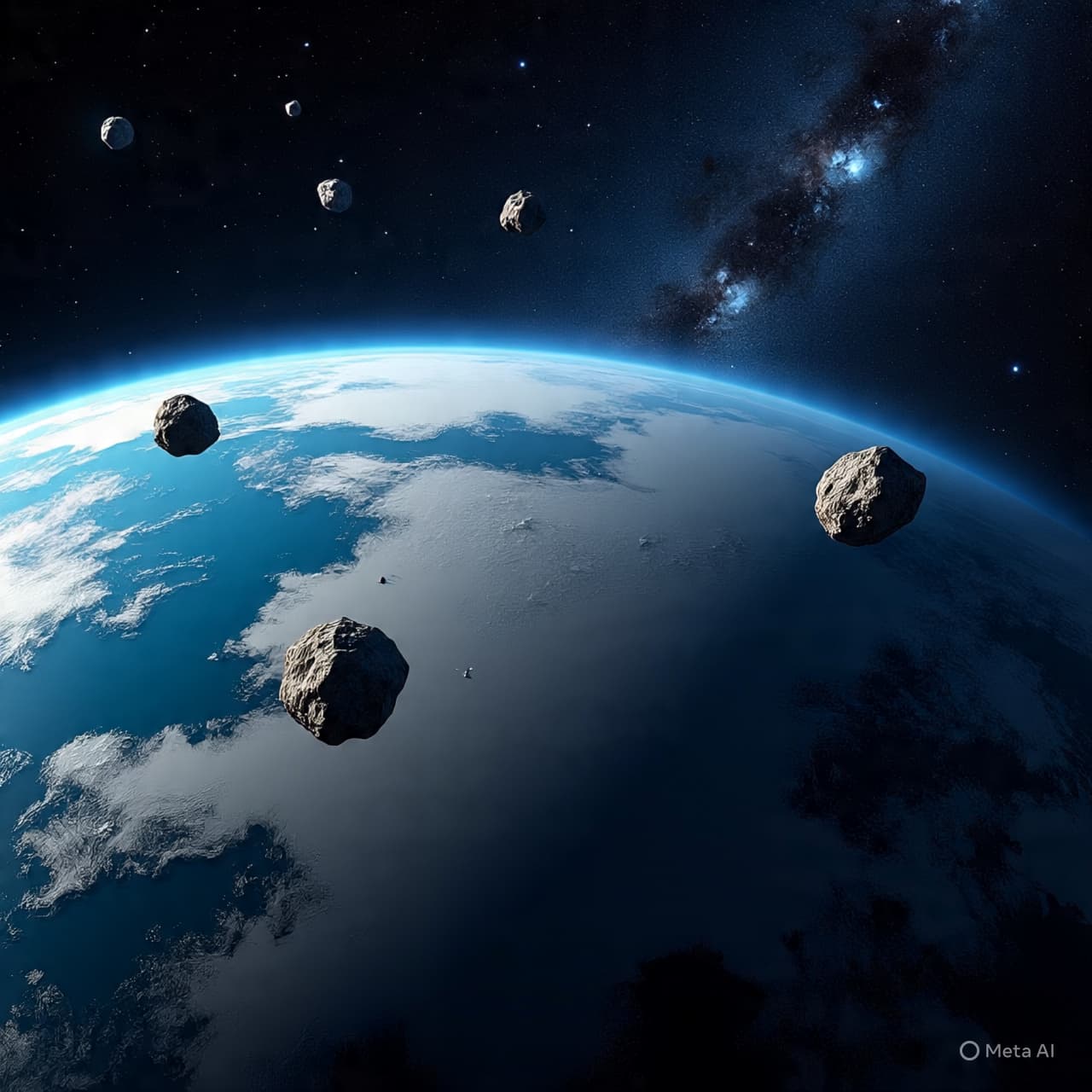
NASA estimates up to 15,000 “city-killer” asteroids remain undetected. While global efforts track near-Earth objects, Earth lacks instant defense without early warning and sustained monitoring.

A new sediment core reveals past retreat of the West Antarctic Ice Sheet, offering fresh insight into how warming oceans may influence future sea level rise.

A former NASA engineer has raised concerns about Orion’s heat shield ahead of Artemis II. NASA says reviews and modifications are ongoing to ensure astronaut safety.

Scientists have detected a vast web of electromagnetic waves around a small icy moon, revealing complex interactions between frozen surfaces and surrounding magnetospheres.

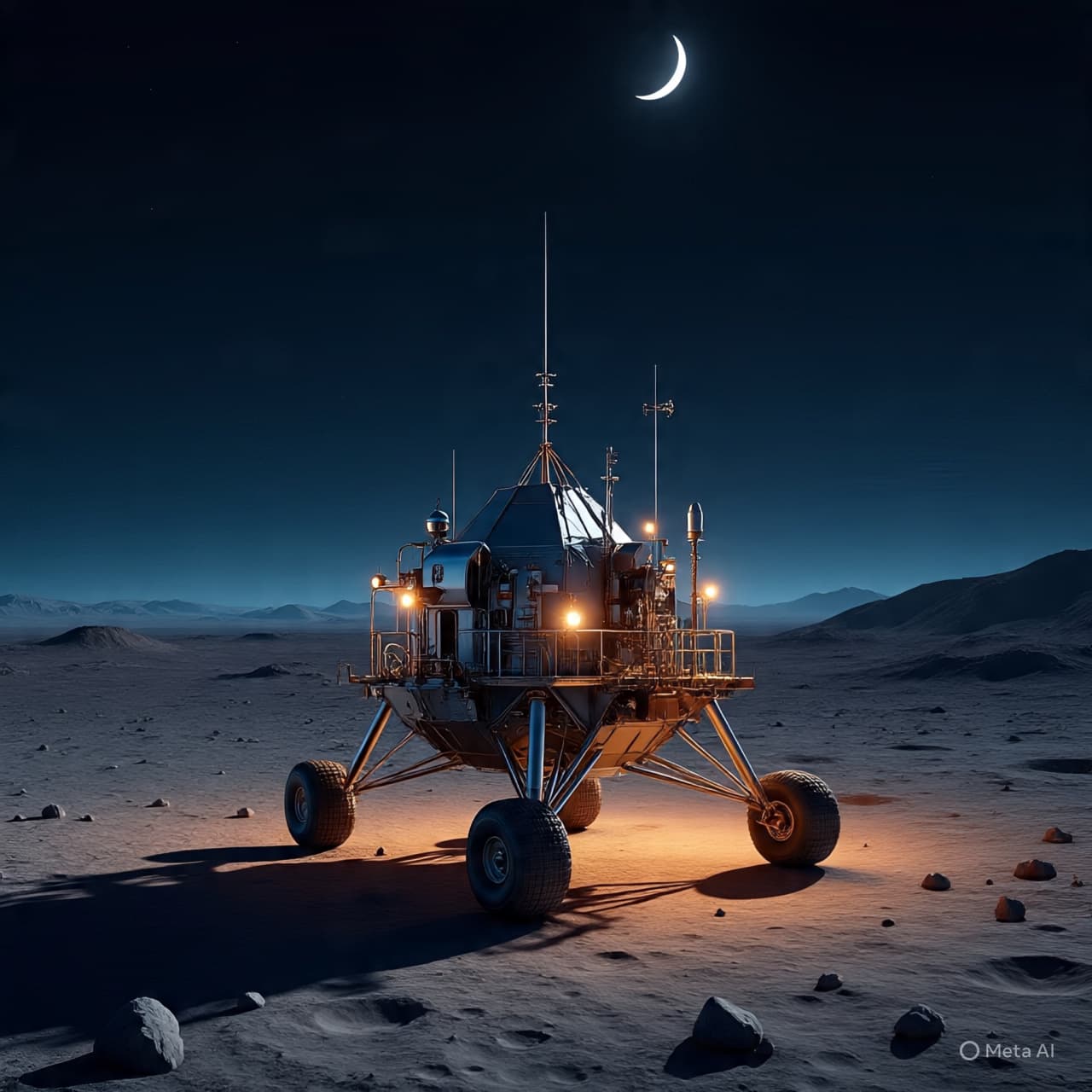
Europe is developing radionuclide batteries to power and heat future lunar missions, ensuring survival during the Moon’s long, freezing nights.

New ocean sensors offer continuous monitoring of carbon levels, promising more precise insights into the marine carbon cycle and improving climate change projections.

Ovarian aging reflects biological changes beyond chronological age. Emerging epigenetic markers may refine fertility assessment, though research remains ongoing.

NASA-backed research warns that thousands of mid-sized “city killer” asteroids remain undetected, prompting expanded planetary defense and detection efforts.

As space activity expands, governments and private companies are shaping new policies and legal frameworks to manage exploration, resources, and orbital sustainability.

Smithsonian-affiliated research highlights evidence of recent tectonic activity on the Moon, suggesting the lunar surface may still be slowly shifting.