Across the Void, Heat Travels: How Supermassive Beacons Shape Neighboring Stars
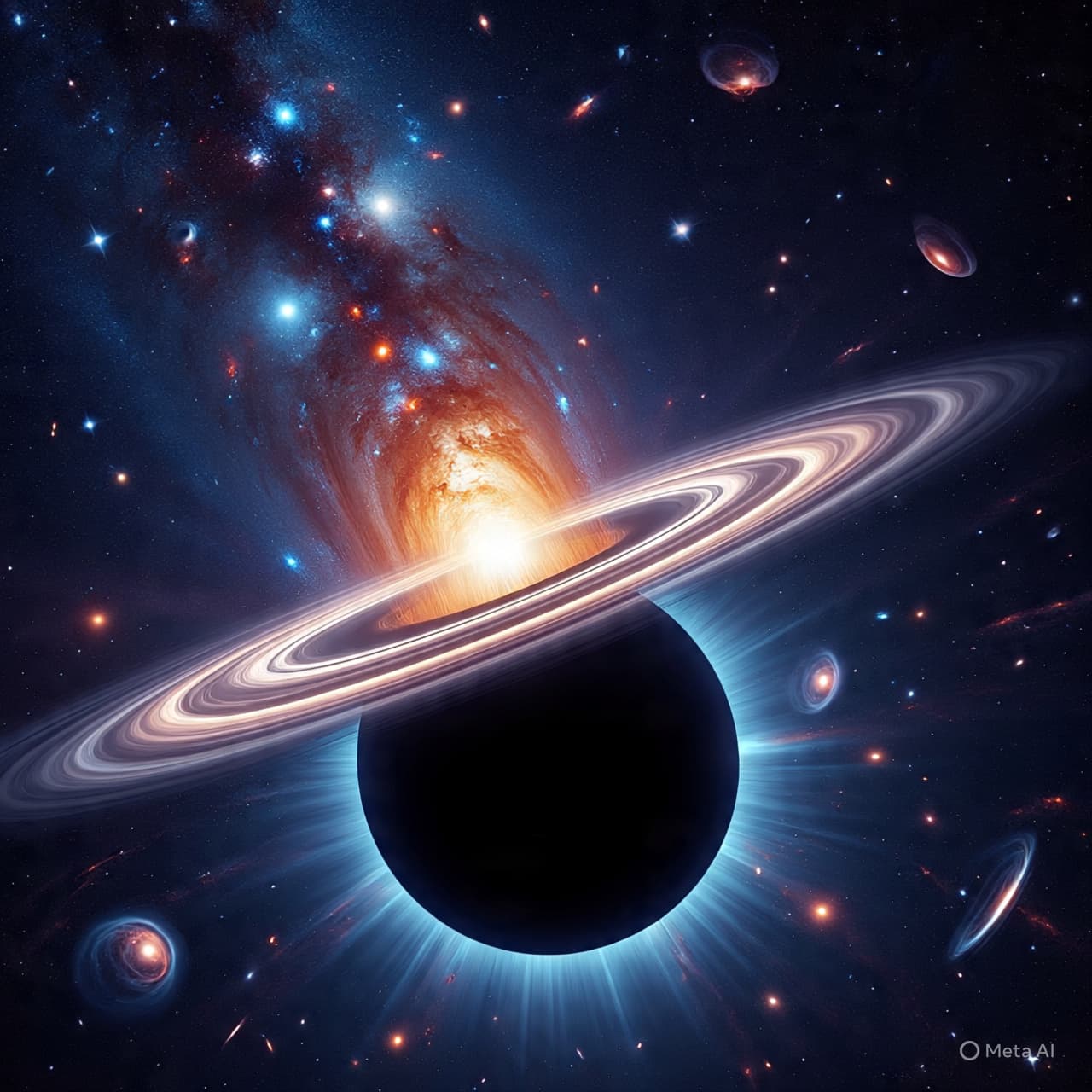
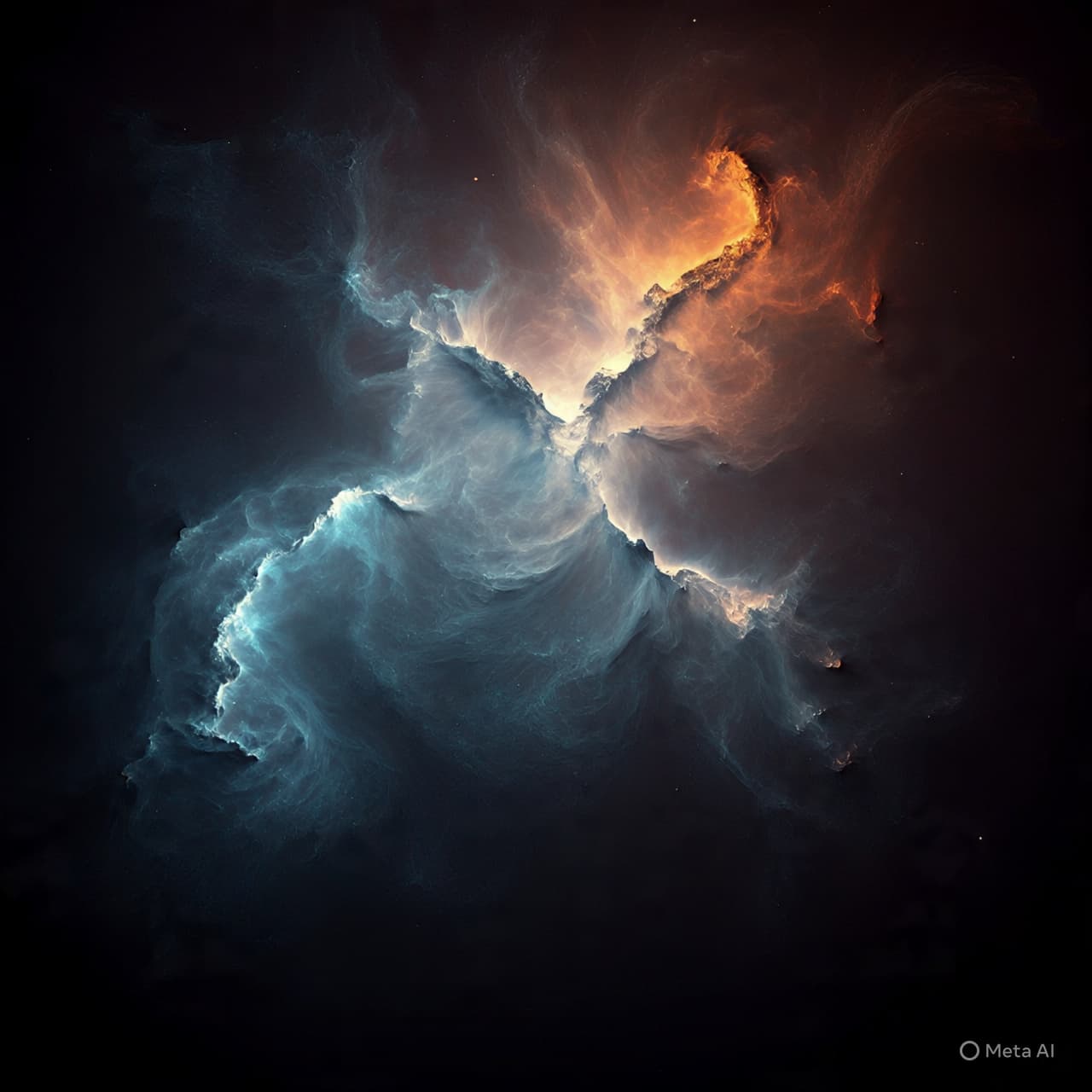
Supermassive black holes can slow star formation not only in their host galaxies but also in neighboring ones, revealing a vast, interconnected cosmic ecosystem.

Supermassive black holes can slow star formation not only in their host galaxies but also in neighboring ones, revealing a vast, interconnected cosmic ecosystem.

Tardigrades endure Martian soil simulants, revealing insights into the resilience of life and the delicate persistence of organisms beyond Earth.

Russian researchers develop cerium dioxide nanoparticles to boost radiotherapy’s impact on tumor cells without increasing radiation dose, offering potential precision improvements.

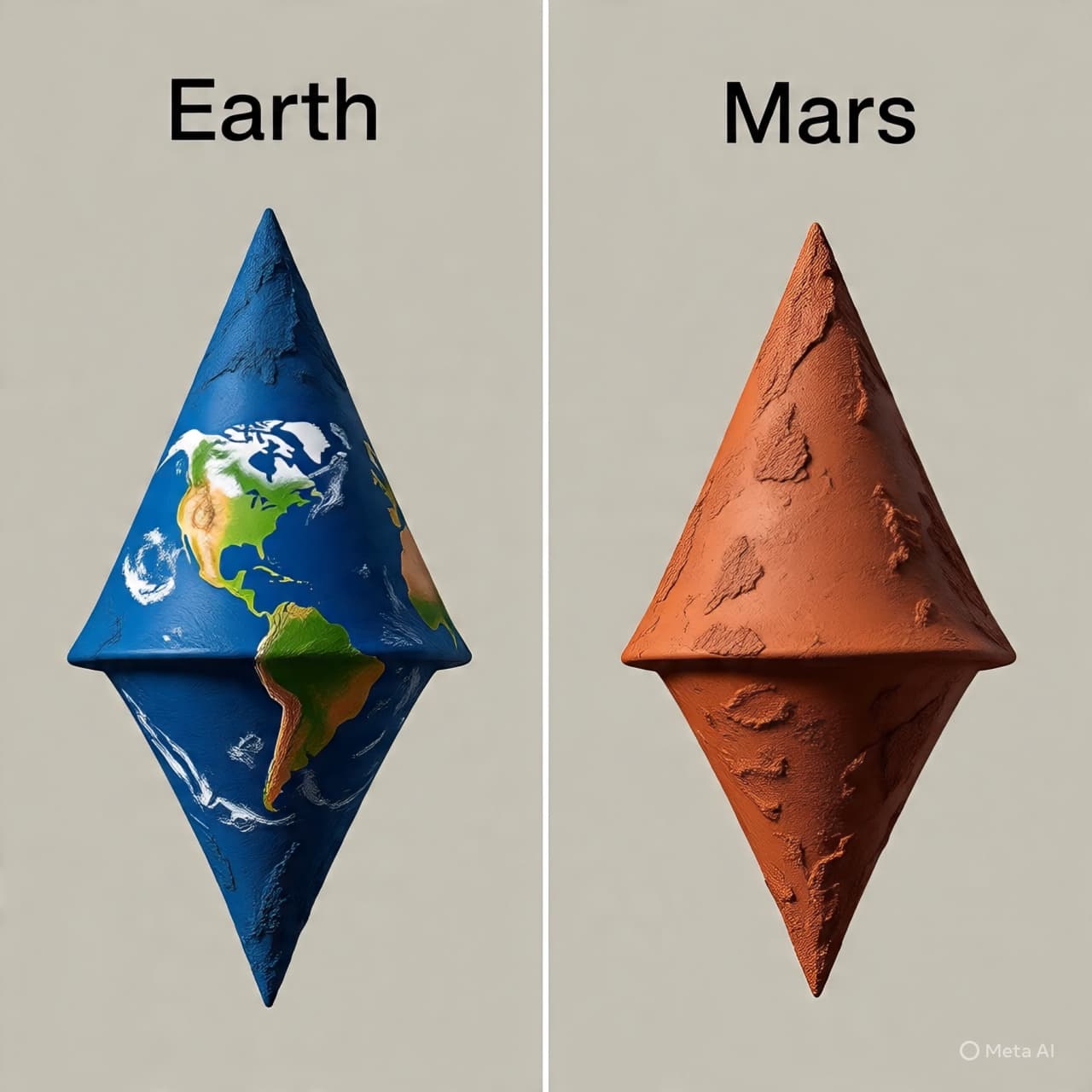
Scoria cones—small volcanic hills built from ejected lava fragments—form on both Earth and Mars, revealing shared geological processes across two very different worlds.

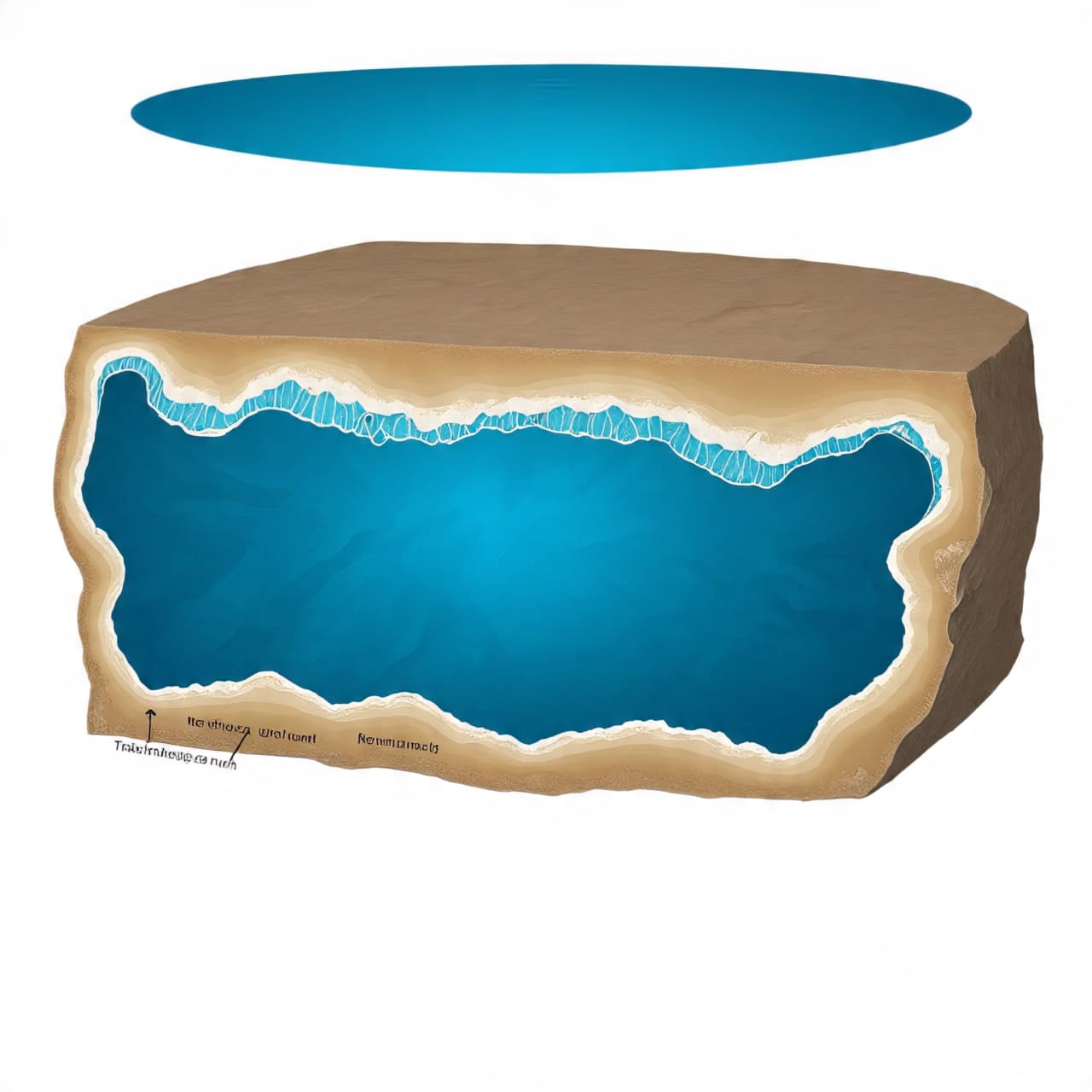
The Ontong Java Plateau, nearly twice the size of Washington state, lies underwater in the Pacific with crust up to 18 miles thick—one of Earth’s largest volcanic formations.

An exploration of how China’s Great Firewall shapes daily digital life, blending restriction, adaptation, and innovation within a vast online ecosystem.

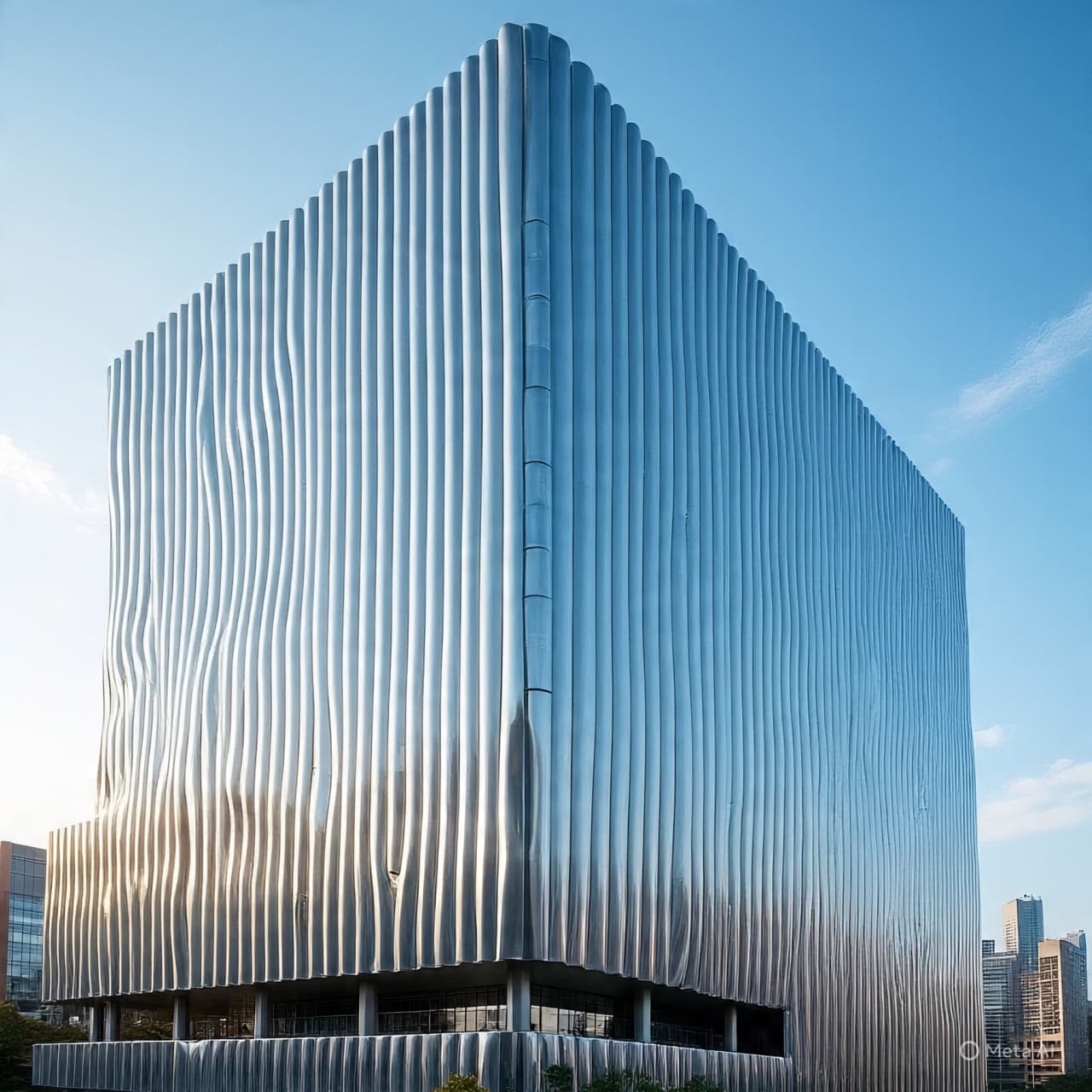
Wave Cube by Scenic Architecture Office reimagines the office block with a rippling metal facade that blends sculptural design and functional performance.

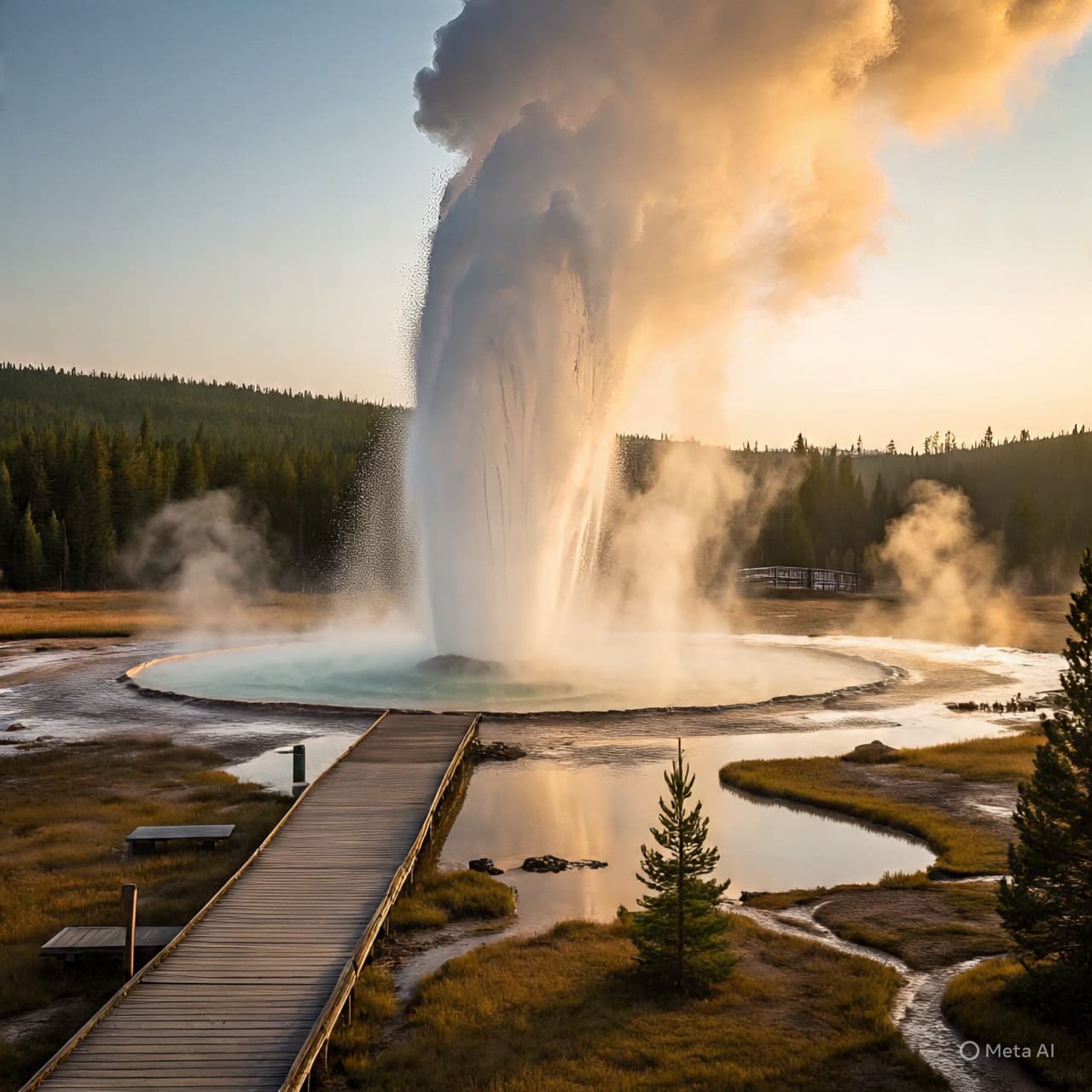
Steamboat Geyser in Yellowstone’s Norris Basin, the world’s largest active acidic geyser, is erupting frequently again, drawing attention but no volcanic alarm.

Gravitational waves from neutron star mergers may provide an independent way to measure cosmic expansion and help resolve the long-standing Hubble tension.

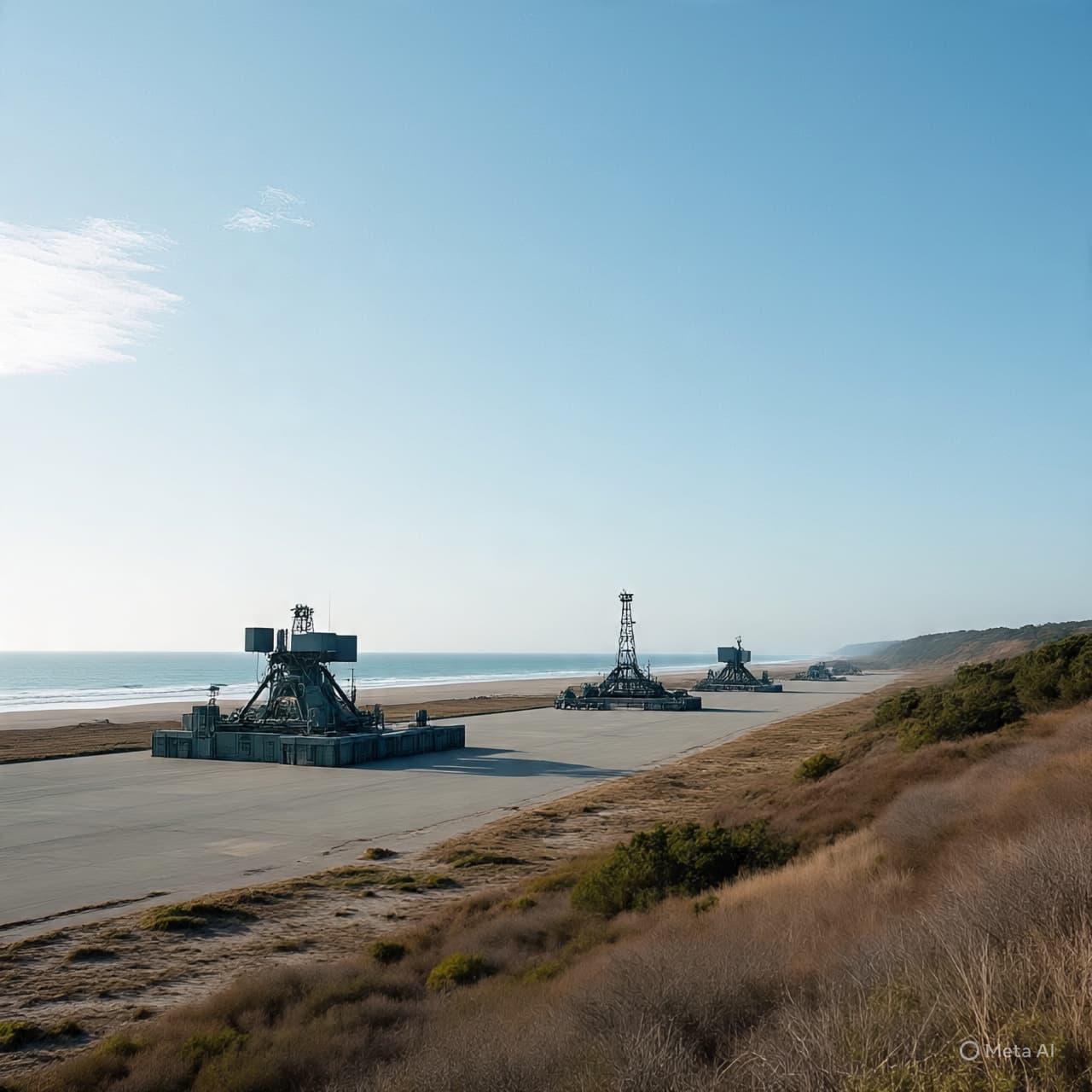
SpaceX and Firefly are preparing upcoming rocket launches from Vandenberg in California, with schedules dependent on weather and technical readiness.

A look at six recent science stories spanning space, climate, materials, neuroscience, and paleontology that quietly advanced research beyond major headlines.

A new theoretical study predicts superfluid behavior emerging within a two-dimensional moiré time crystal formed by periodically driven ultracold atoms.

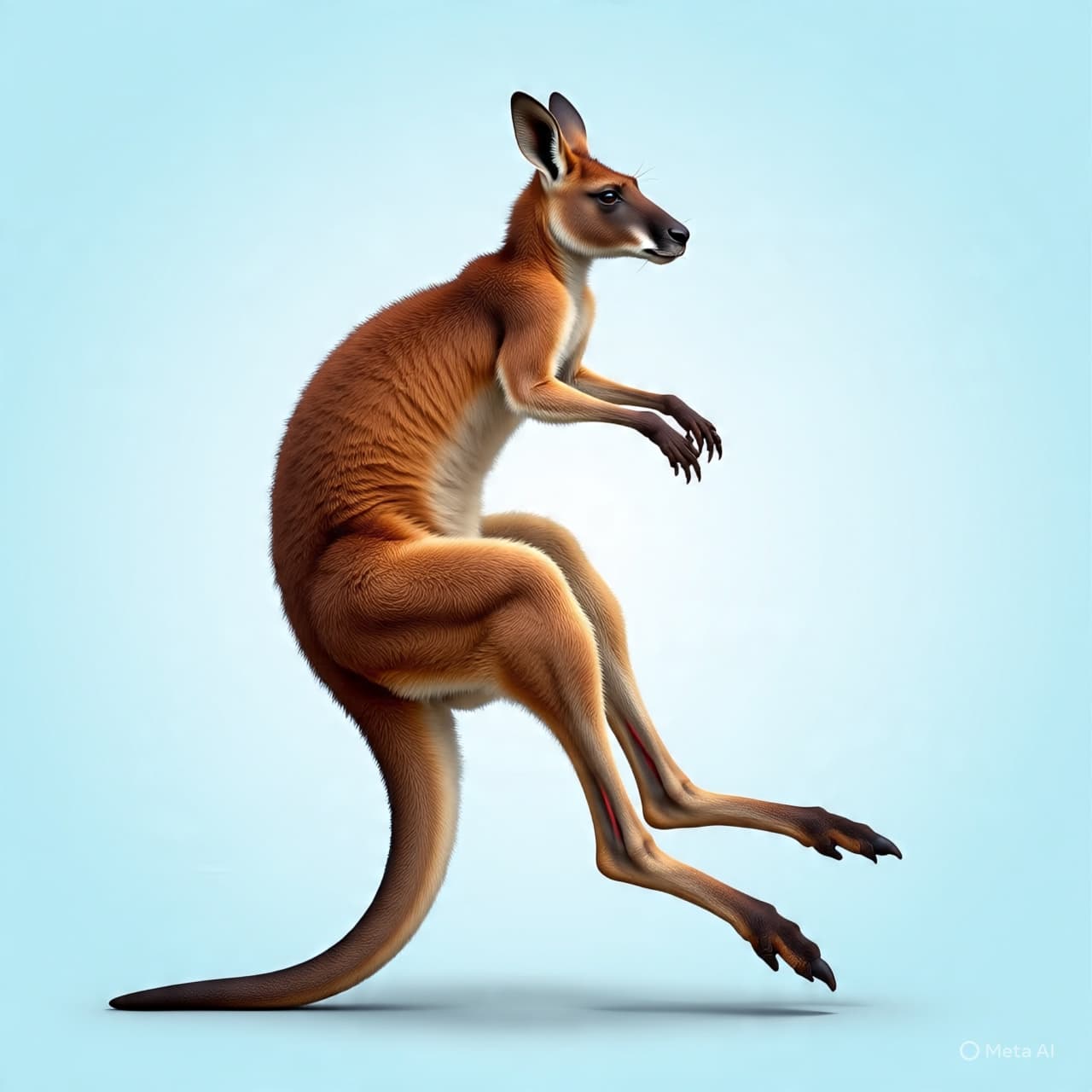
Kangaroos adjust their posture at higher hopping speeds, crouching more at the ankle and toe joints. This increases tendon stress and elastic energy storage, helping them maintain energy efficiency even as speed rises.

Scientists warn that disintegrating satellites may be altering upper-atmospheric chemistry, raising questions about unintended climate effects.

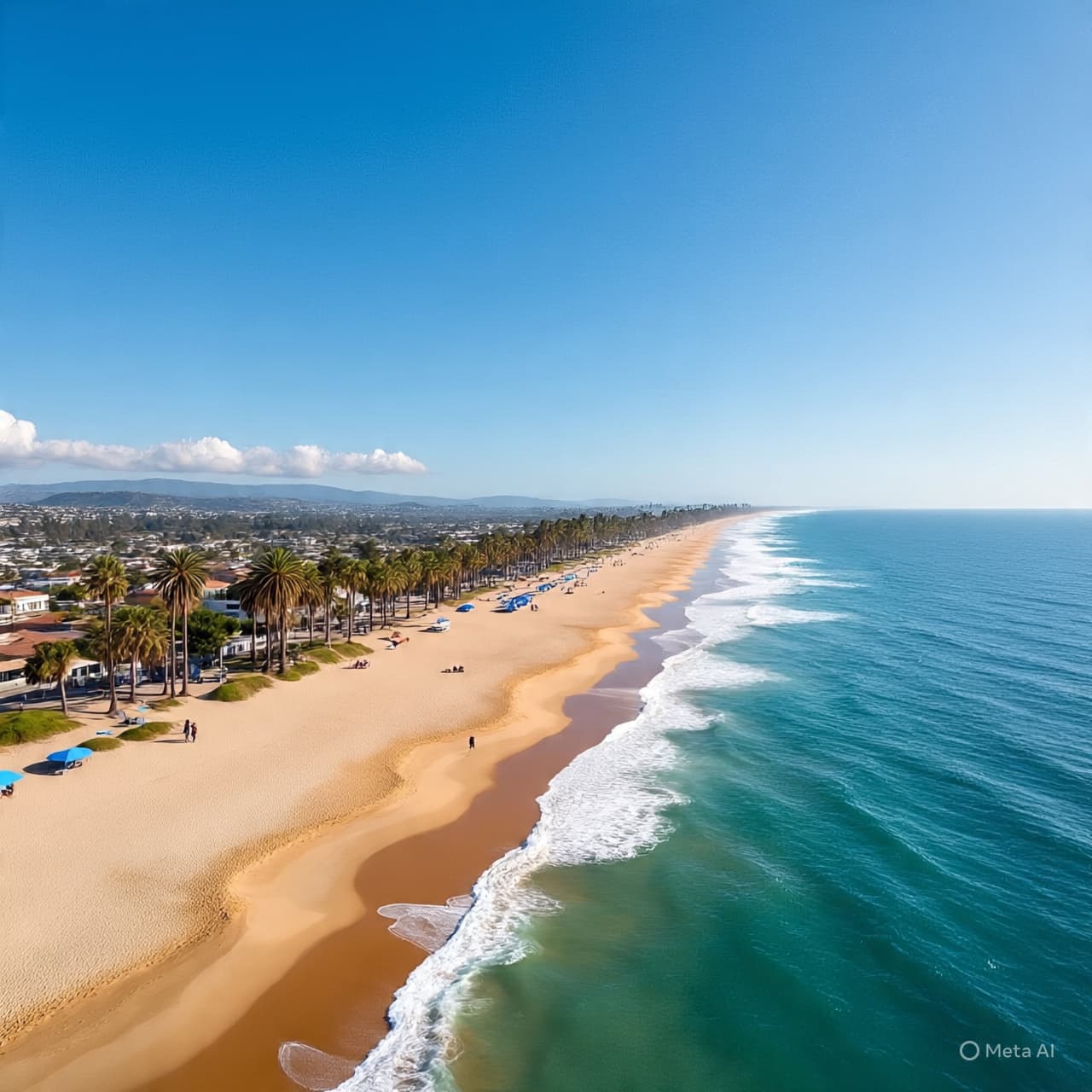
A long-term satellite study finds parts of Ventura County have some of Southern California’s fastest-growing beaches, with shoreline widening over four decades.

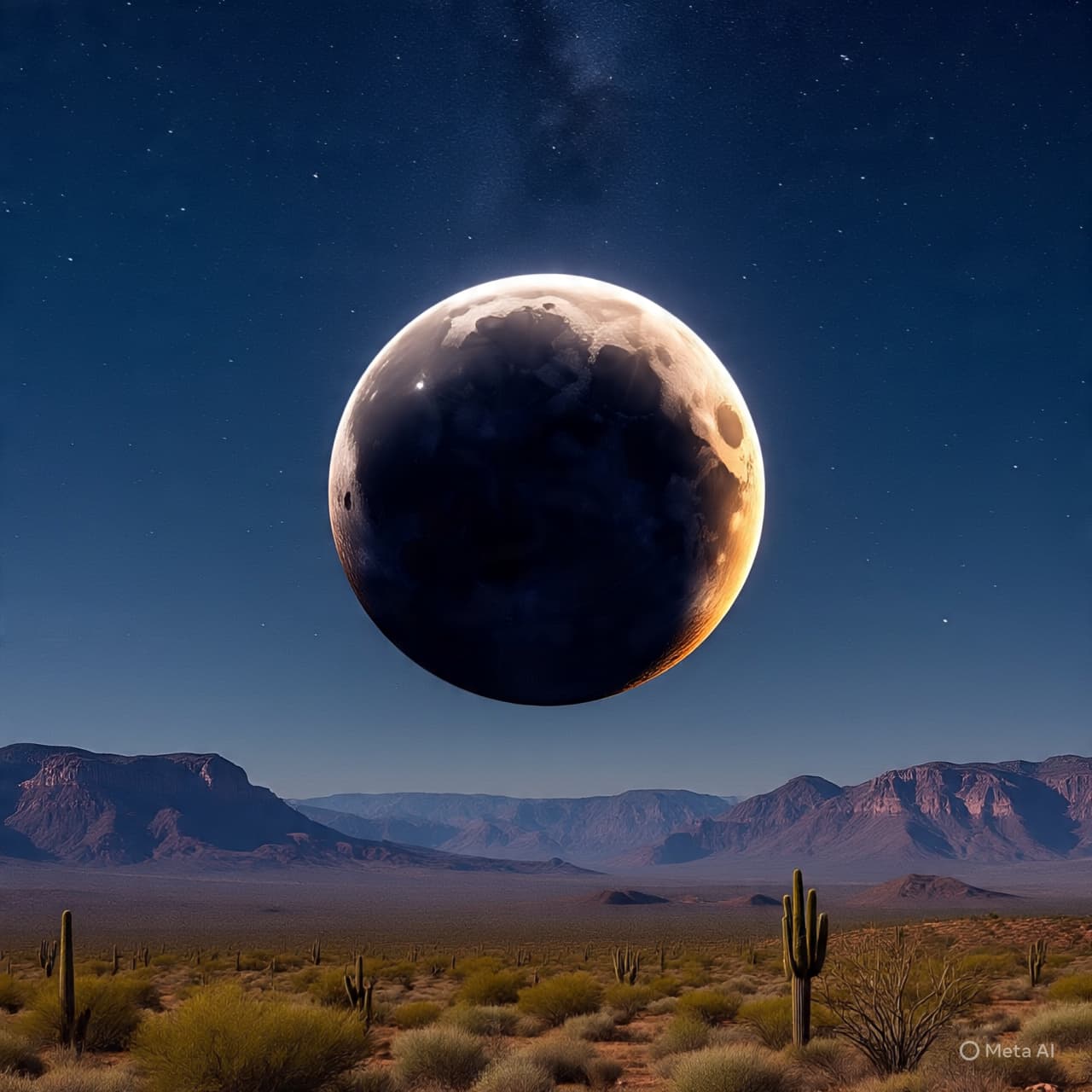
A total lunar eclipse will be visible in Utah before dawn, with the Moon turning red during totality if skies remain clear.

NASA has announced a major restructuring of its Artemis Moon program, adjusting timelines and mission sequencing while maintaining its goal of returning astronauts to the lunar surface.

NASA reshapes its Artemis Moon program: Artemis III will focus on orbital testing rather than a lunar landing, with crewed Moon surface missions now planned for 2028 and beyond.

Japan’s HTV-X1 cargo spacecraft will depart the International Space Station on March 6, beginning an extended orbital phase before a planned reentry over the Pacific.

No NASA, SpaceX, or Blue Origin launch is scheduled from Florida today, according to current public launch manifests. Upcoming missions remain in preparation.

March’s full Worm Moon will appear red in some regions due to a total lunar eclipse, as Earth’s atmosphere filters sunlight and casts a copper hue on the Moon.

Microscopic crystals older than the Sun reveal that the solar system formed from ancient stardust, offering clues about stellar cycles and the Milky Way’s early history.

A new DNA study suggests Neanderthal men may have interbred with human women more often than the reverse, shaping the genetic legacy carried by modern populations today.

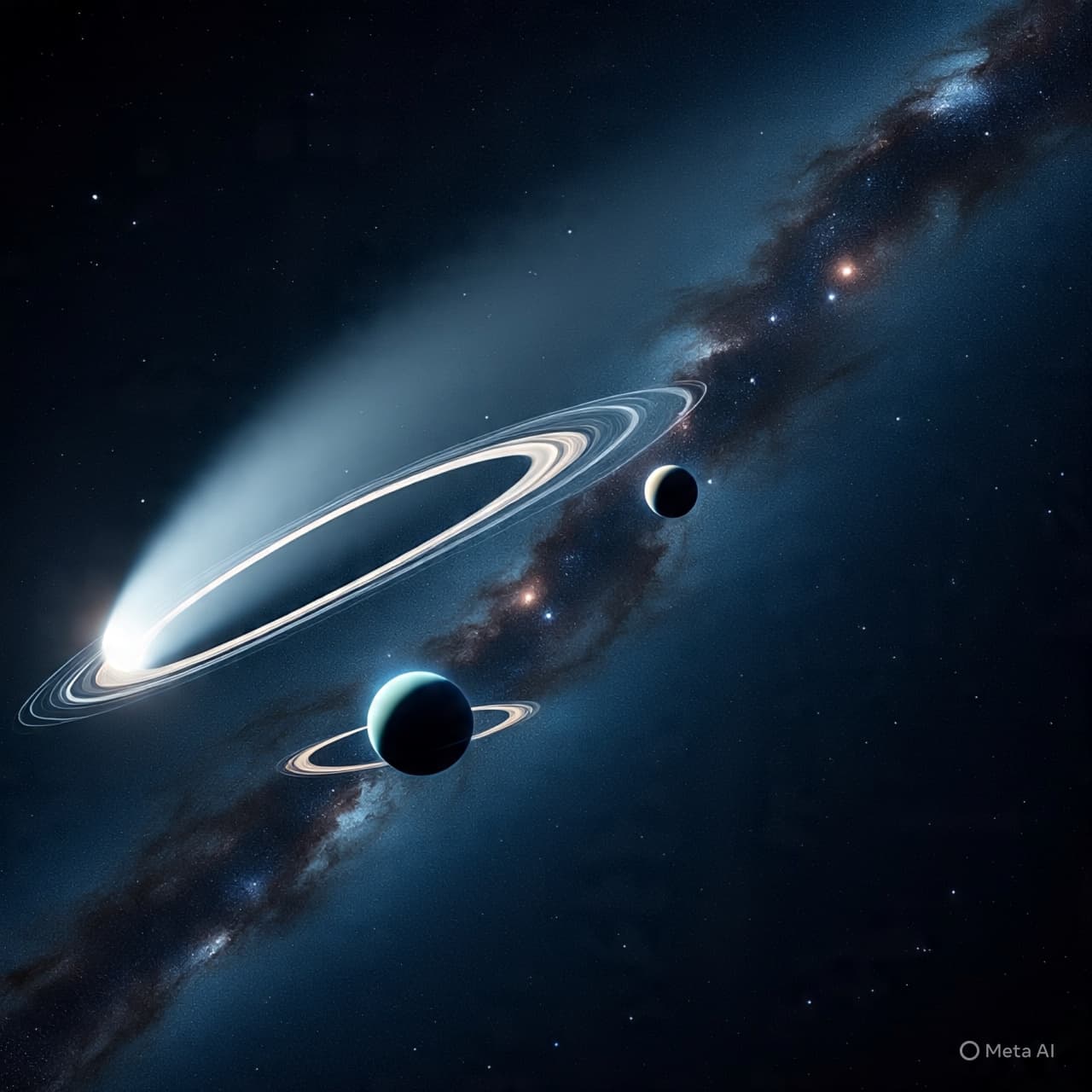
New spacecraft imagery shows interstellar comet 3I/ATLAS glowing as it exits the inner solar system, offering scientists rare insight into material formed around another star.