In the pale light of a laboratory, a tiny creature clings to the edge of possibility. The tardigrade, often called the water bear, has long stirred human fascination, a minute testament to resilience in worlds both familiar and strange. Its body, scarcely visible to the naked eye, holds secrets of survival that stretch beyond the gentle rivers and mossy crevices of our planet, into the red dust and whispering silence of Mars.
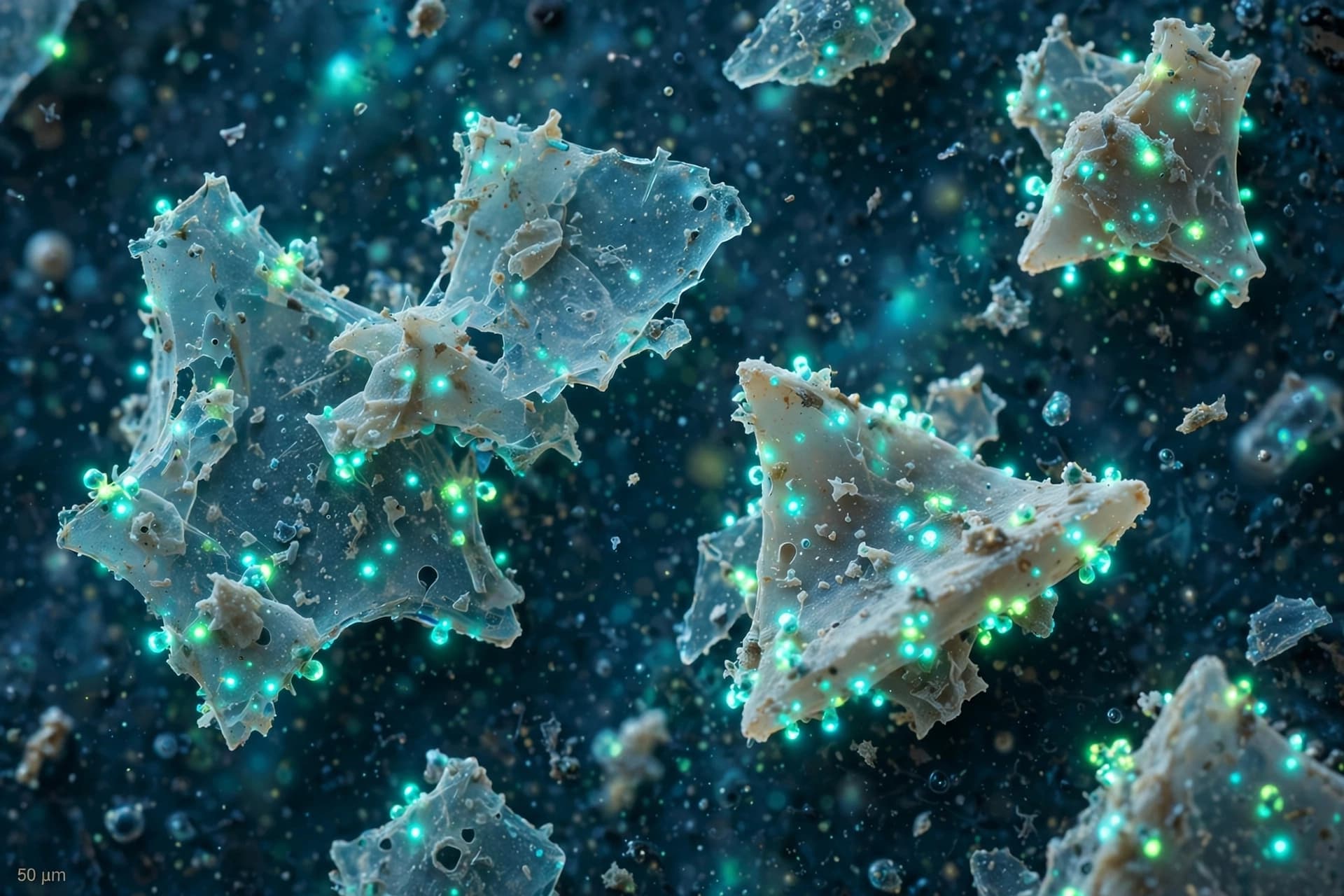
Researchers have placed these small, indomitable animals into simulants of Martian regolith, the rocky soil that blankets the distant planet. For days, the tardigrades endure extremes of dryness, temperature swings, and mineral compositions that would desiccate most life. They curl into cryptobiotic forms, suspending metabolism, as if time itself had become a pliable canvas. In this delicate suspension, they are neither moving nor still—they exist in a quiet, waiting state, a bridge between worlds.
The experiments illuminate more than the mechanics of survival. They speak of thresholds and possibilities, of the slender threads by which life can persist. Mars, a planet etched with canyons and plains, may seem inhospitable, yet within the folds of its soil, these resilient beings suggest that life need not be vast to endure. A few millimeters of sediment, a flicker of moisture, and the organism holds its breath, riding the slow pulse of a planet’s long seasons.
Beyond scientific curiosity, there is a reflection on scale and perspective. Humanity gazes at the cosmos with telescopes and satellites, imagining the sweeping vistas and grand geographies, yet here, in controlled experiments, the drama is microscopic. The Martian regolith does not roar; it sits quietly, and the tardigrade’s tiny heartbeat, though invisible, resonates as a whisper of persistence. In these moments, the laboratory becomes a mirror, revealing both the fragility and the tenacity inherent in all living things.
While the survival of these creatures is short-term, it offers a glimpse into possibilities that extend beyond Earth. The research informs astrobiology, planetary protection, and the ways humans might one day explore and inhabit other worlds. It is a subtle reminder that the story of life is written not only in sprawling forests and oceans but also in the unyielding endurance of the smallest forms, tucked within alien dust and distant horizons.
AI Image Disclaimer
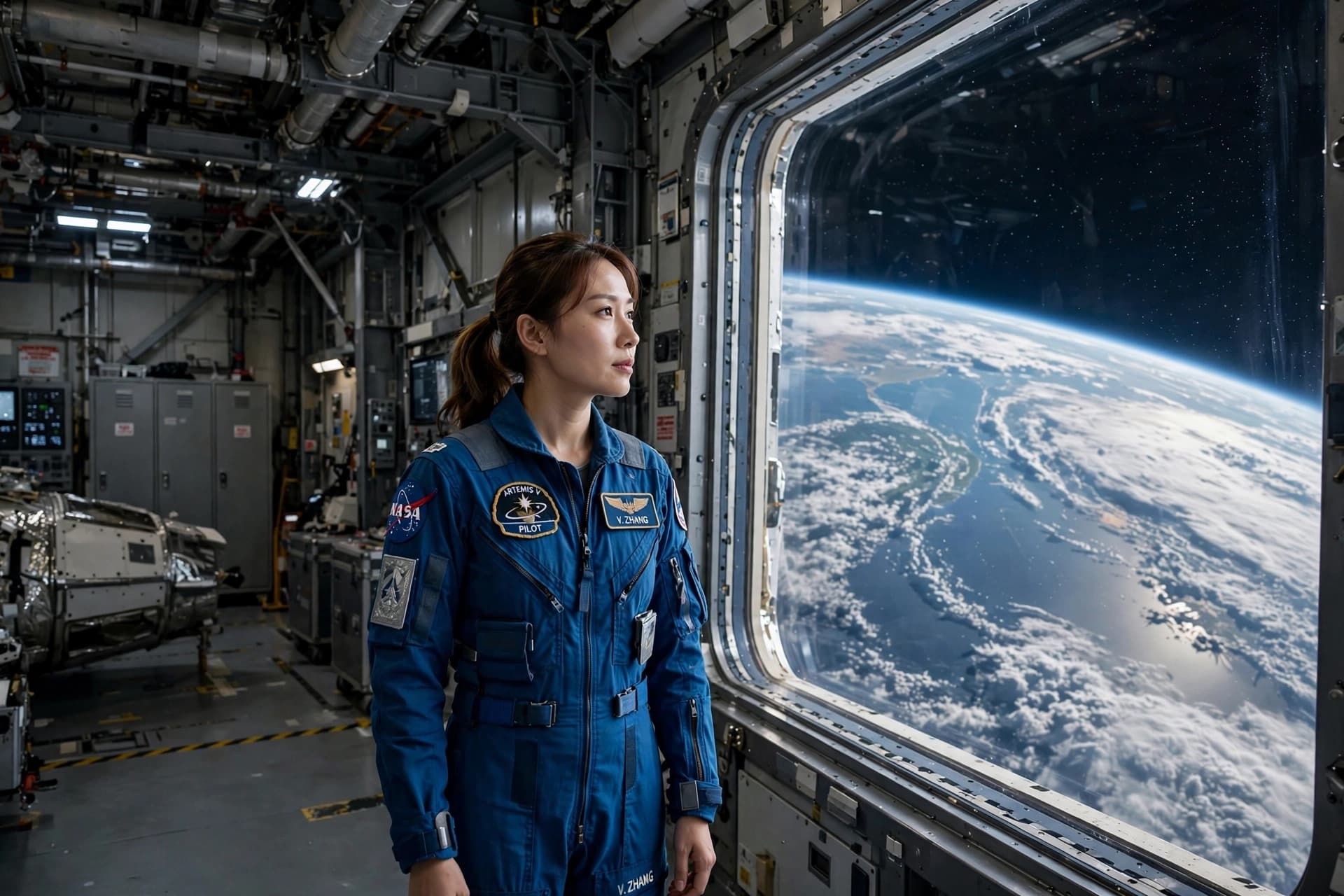
Visuals are AI-generated and serve as conceptual representations.
Sources (Media Names Only)
Nature Scientific American Space.com Phys.org National Geographic
Published by Banx Network. This article is part of the Banx decentralized media programme, powered by the BXE token on the XRP Ledger.