SCIENCE94% credibility
A Pause Before the Journey: What Does April 1 Mean for Artemis II?
NASA now targets April 1 for Artemis II’s lunar flyby, citing continued system reviews and safety preparations for the first crewed Artemis mission.
5 min read

NASA now targets April 1 for Artemis II’s lunar flyby, citing continued system reviews and safety preparations for the first crewed Artemis mission.
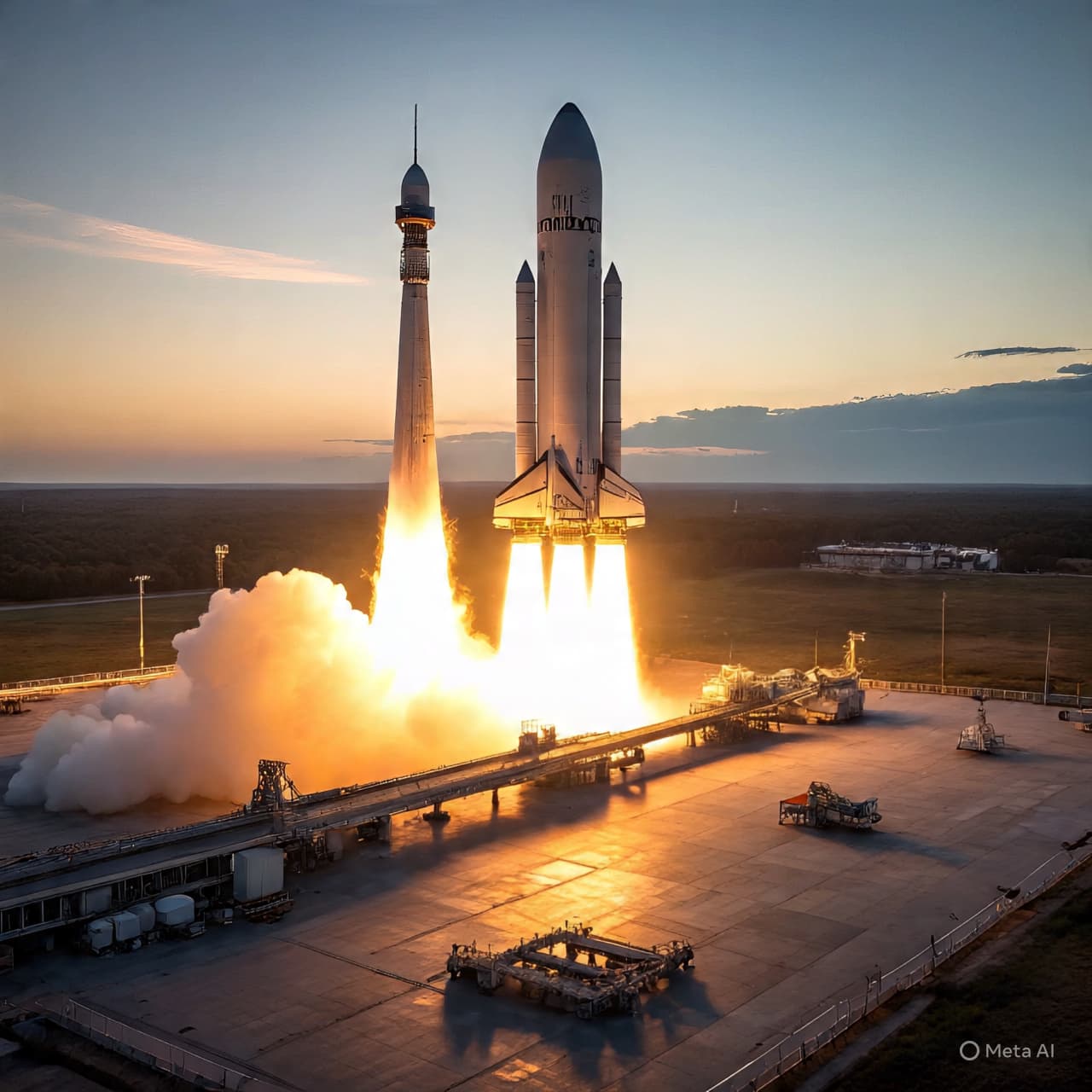
A predawn SpaceX Starlink launch created a glowing “jellyfish” plume over Florida, caused by sunlight illuminating high-altitude rocket exhaust.
Experts caution that FCC satellite proposals to brighten nights could disrupt sleep, health, wildlife, and dark skies, sparking debate about artificial light from orbit.
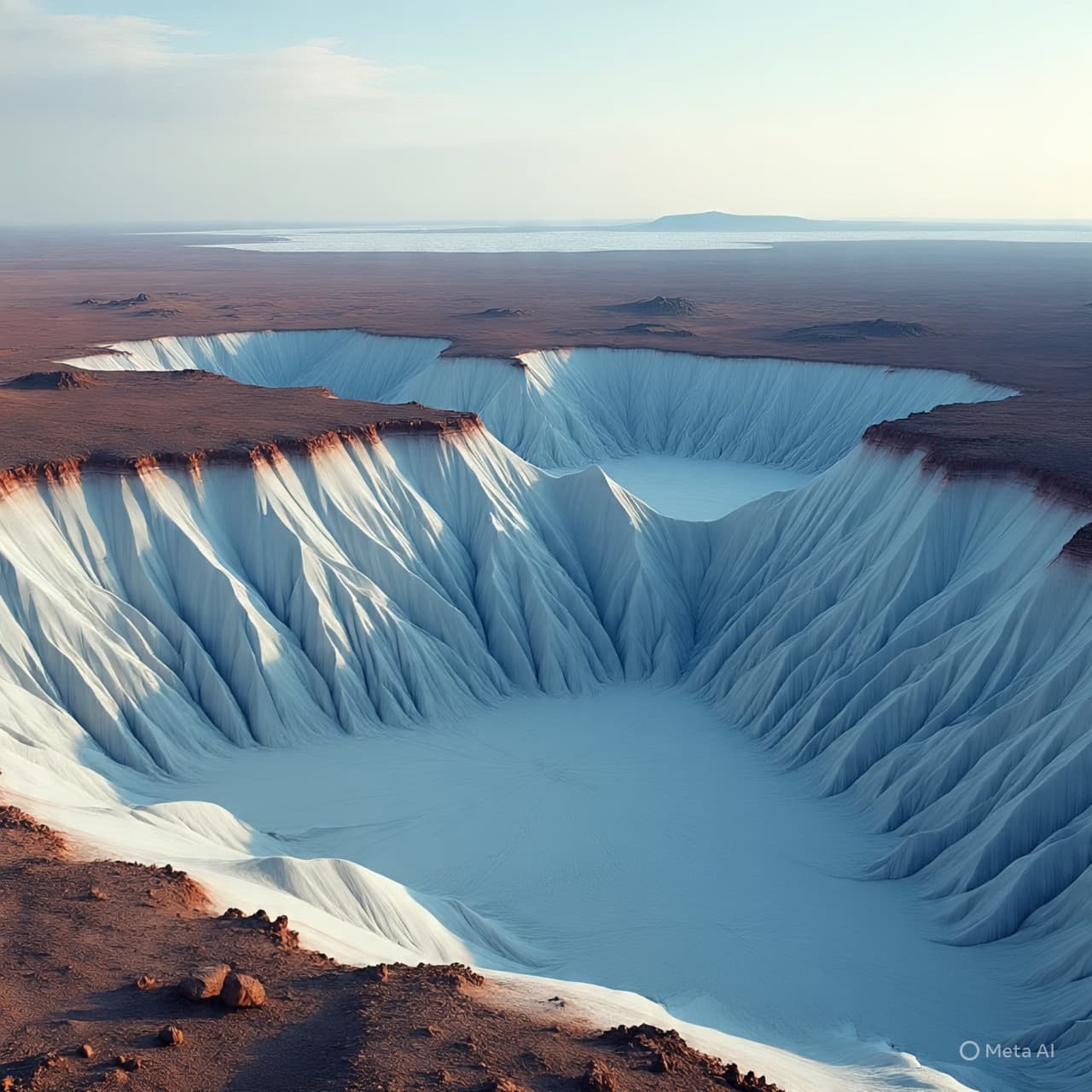
Climate models show artificial warming on Mars could redistribute polar and subsurface ice, altering the water cycle without creating stable oceans.
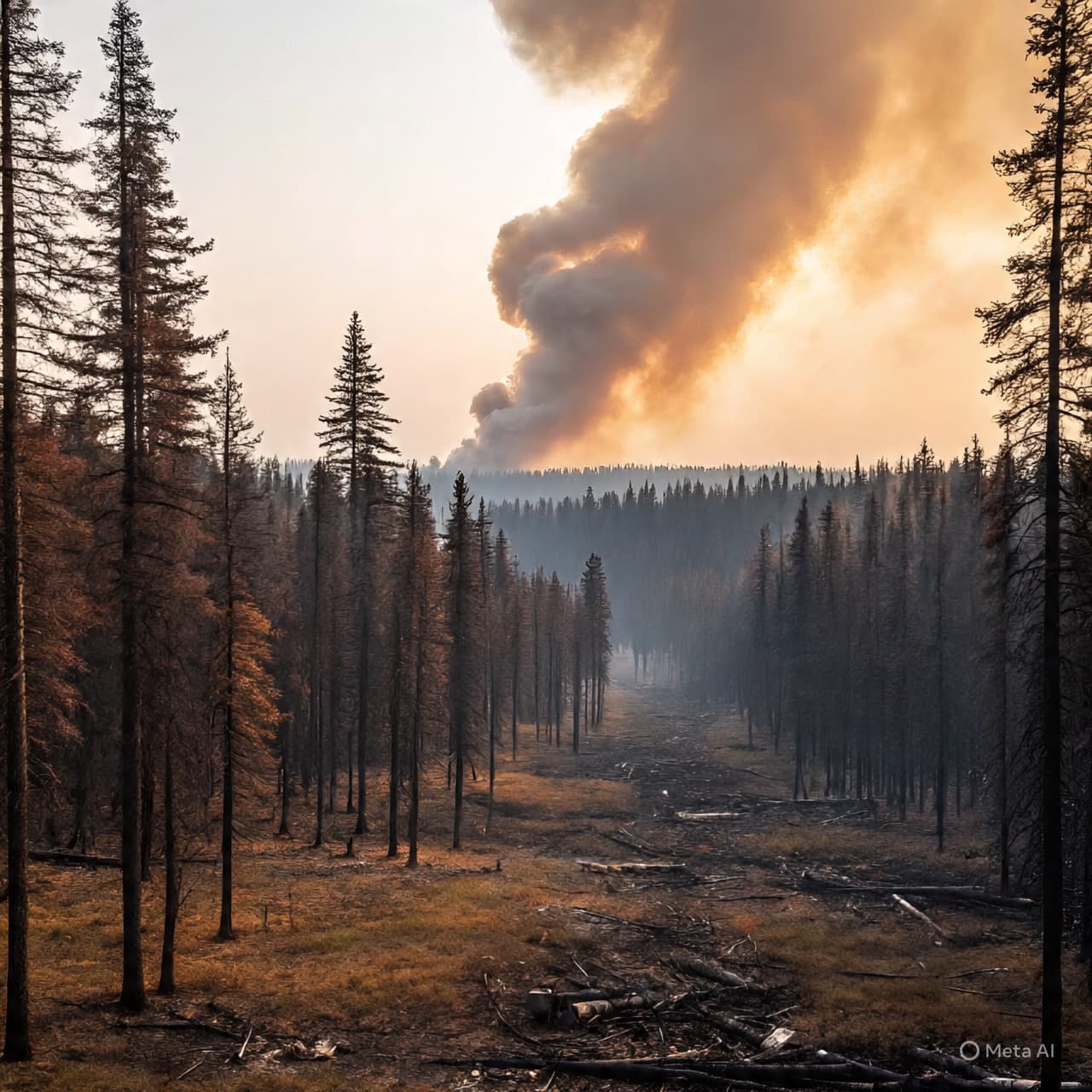
New research suggests climate models may underestimate carbon emissions from boreal wildfires, especially from deep-burning peat soils.
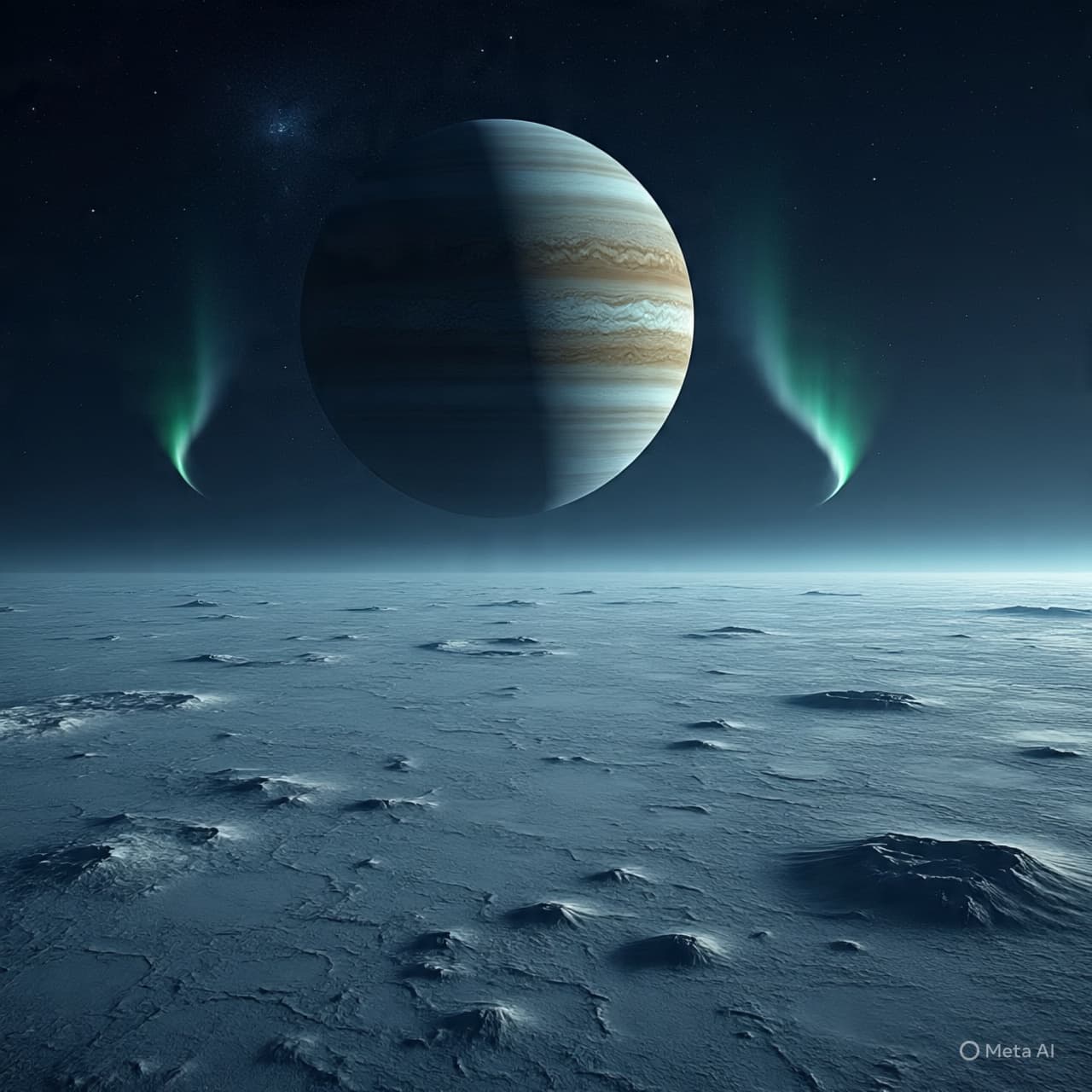
NASA spacecraft observations reveal auroras on Jupiter’s moon Ganymede that resemble Earth’s northern lights. The findings highlight Ganymede’s unique magnetic field and offer new clues about a hidden subsurface ocean beneath its icy crust.

Scientists warn that climate warming could bring more rainfall to Antarctica, especially along coastal regions, potentially affecting ice stability and accelerating local melting processes.
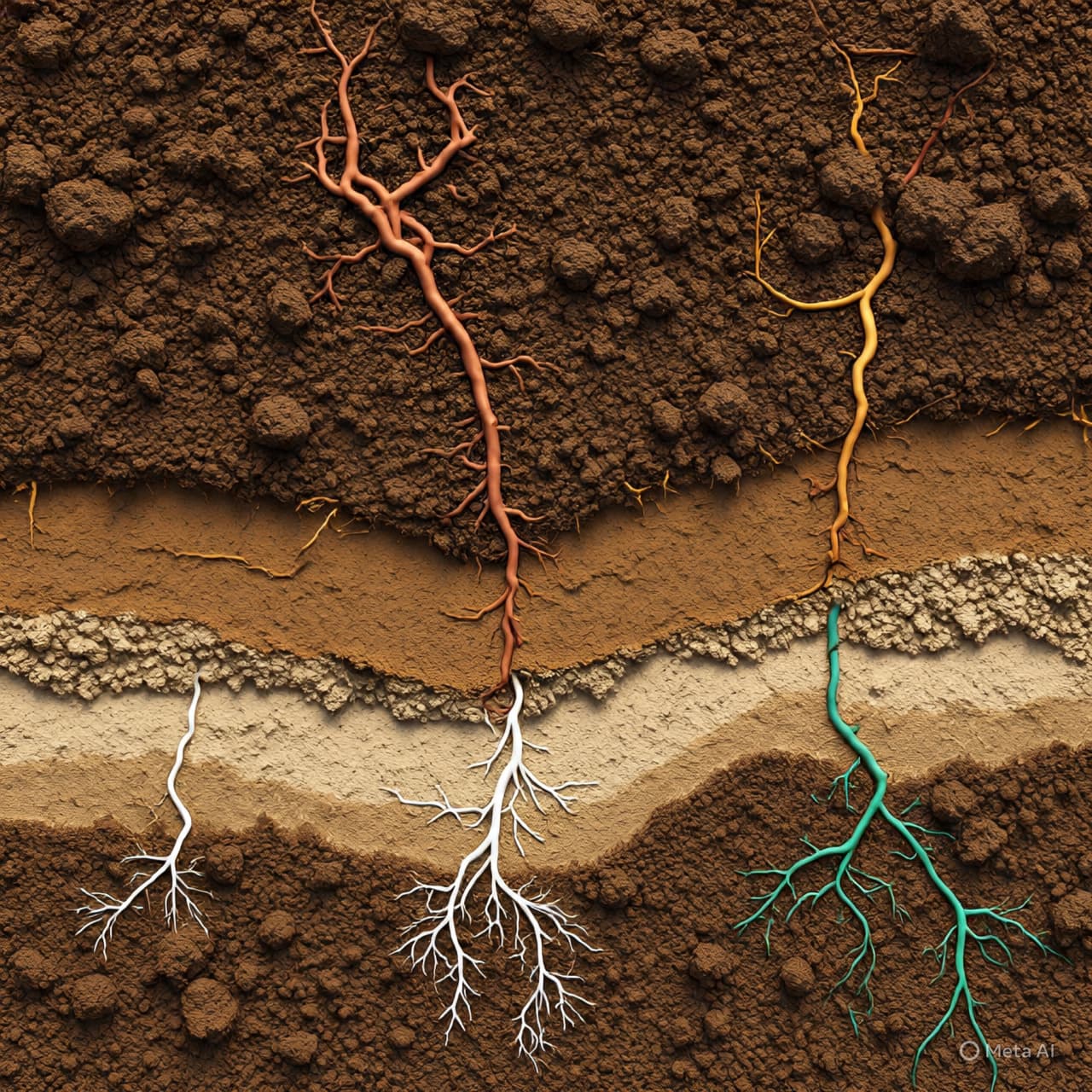
A long-term agricultural study suggests that imbalanced soil nutrients can weaken plants’ natural defenses against pests and disease, highlighting the importance of balanced soil management.
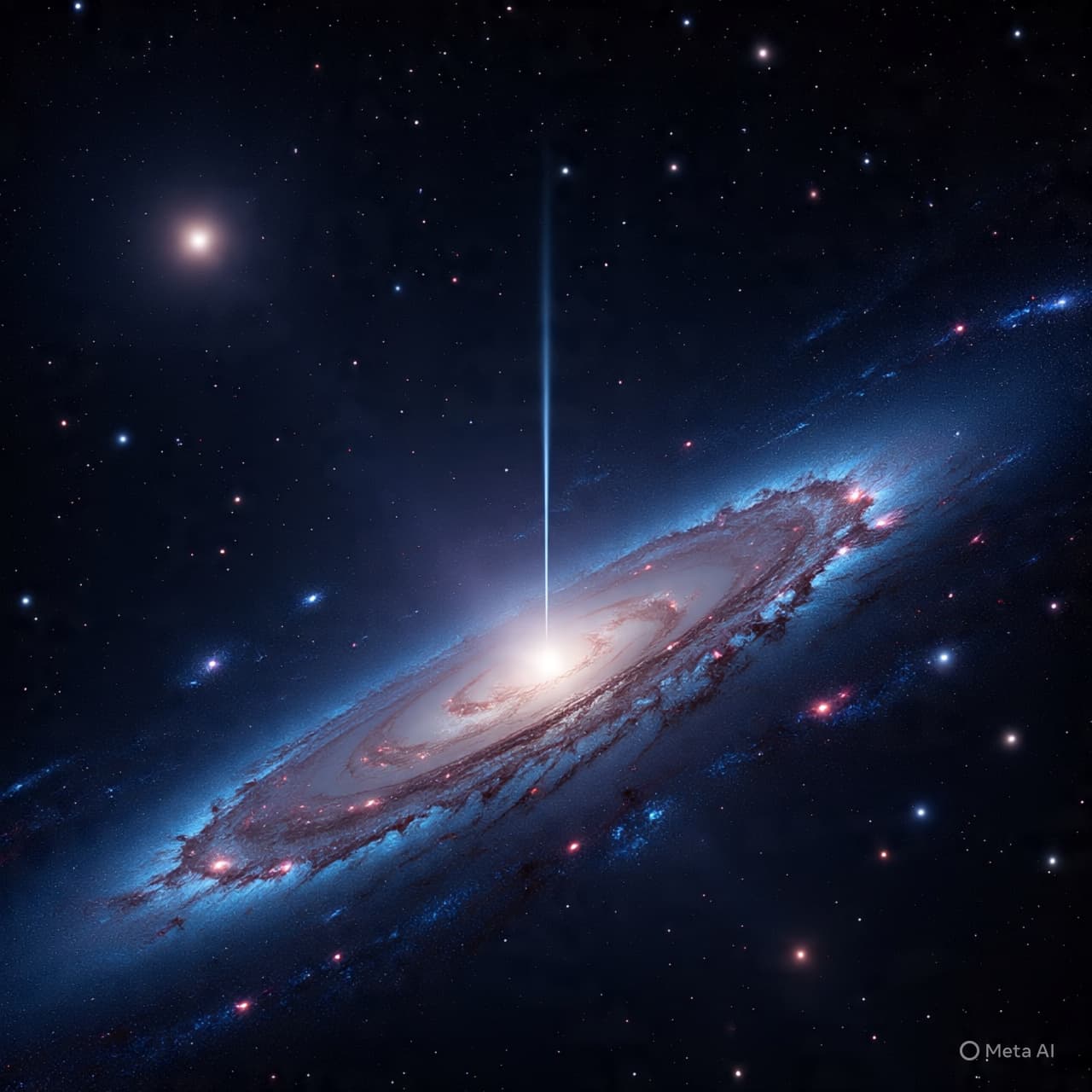
Astronomers have detected the most distant known cosmic “space laser,” a powerful water megamaser originating about 8 billion light-years away near a supermassive black hole.
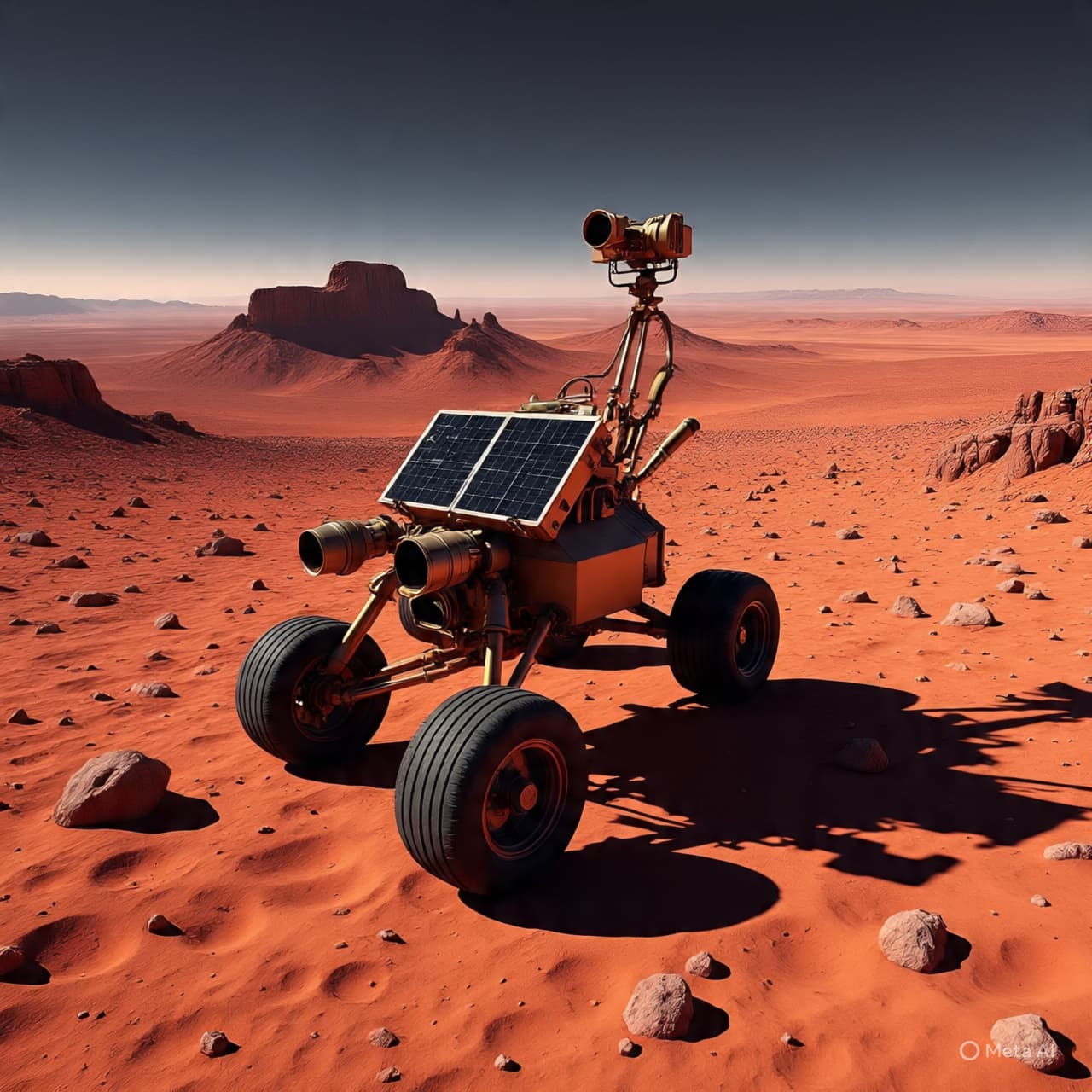
NASA’s Perseverance rover now autonomously finds its precise location on Mars using Mars Global Localization — like Mars GPS — matching panoramic views to orbital maps.

Thousands of bats hibernate each winter in the hollow spillway of Michigan’s Tippy Dam, creating one of the state’s largest winter bat roosts and a focus of conservation research.

Scientists in Australia are using wild‑born regent honeyeaters as live tutors to teach captive‑bred birds the traditional song that had been lost as numbers declined, aiding conservation.
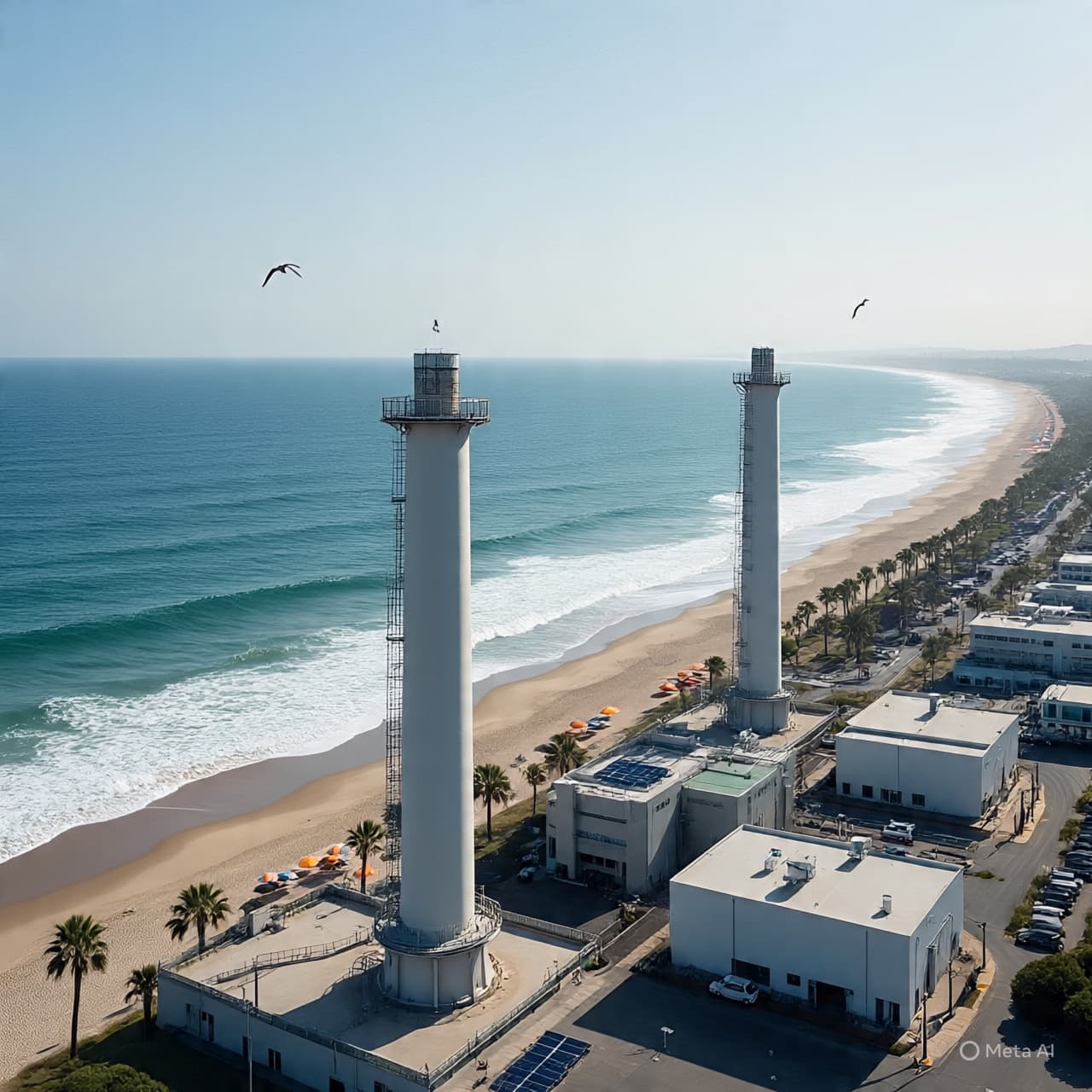
California’s Carlsbad desalination plant could help ease Colorado River shortages by enabling water sharing with inland states and bolstering local supplies to reduce pressure on the river.
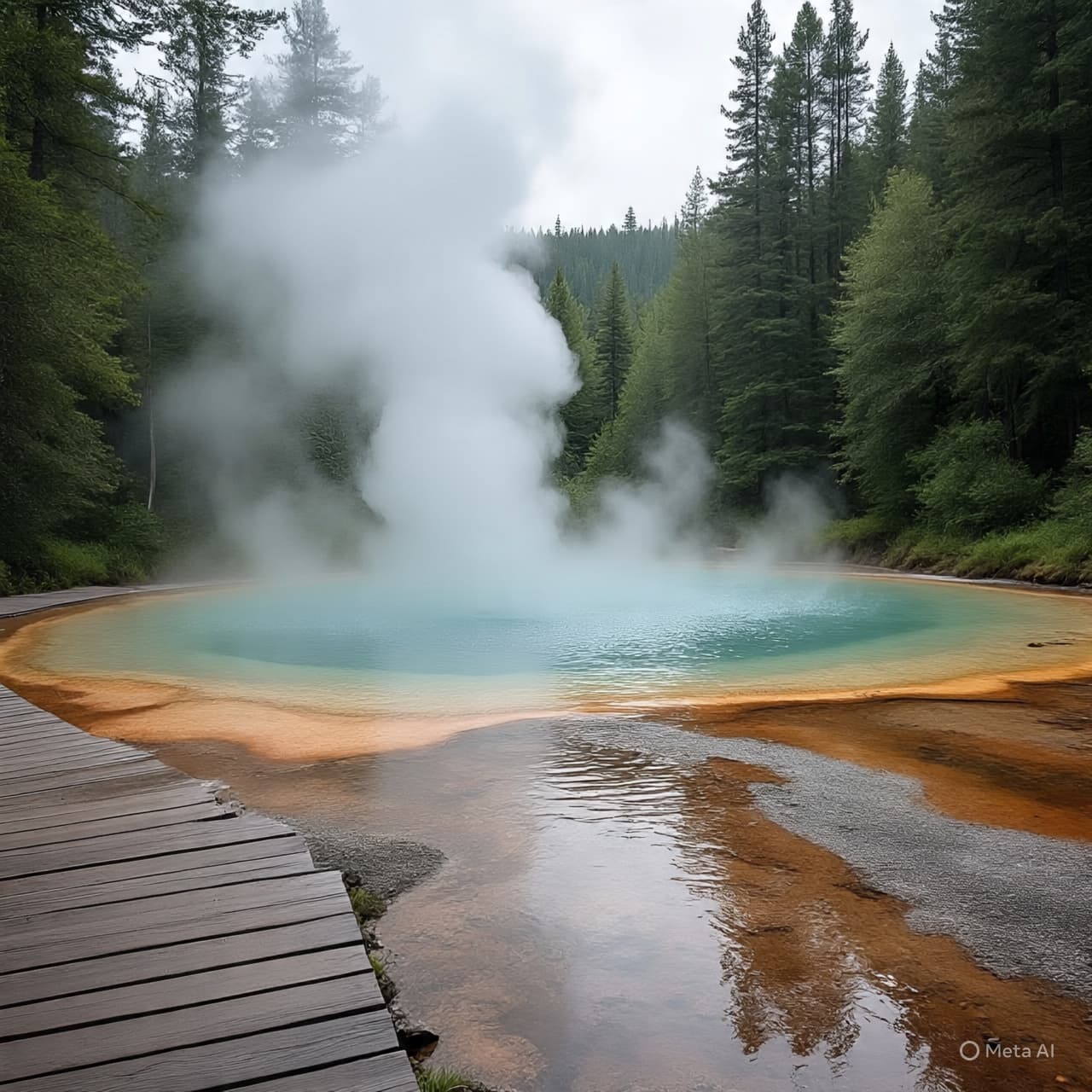
Yellowstone’s Echinus Geyser, the world’s largest acidic geyser, has erupted again in early 2026 after years of dormancy, with regular bursts rising up to 30 feet.
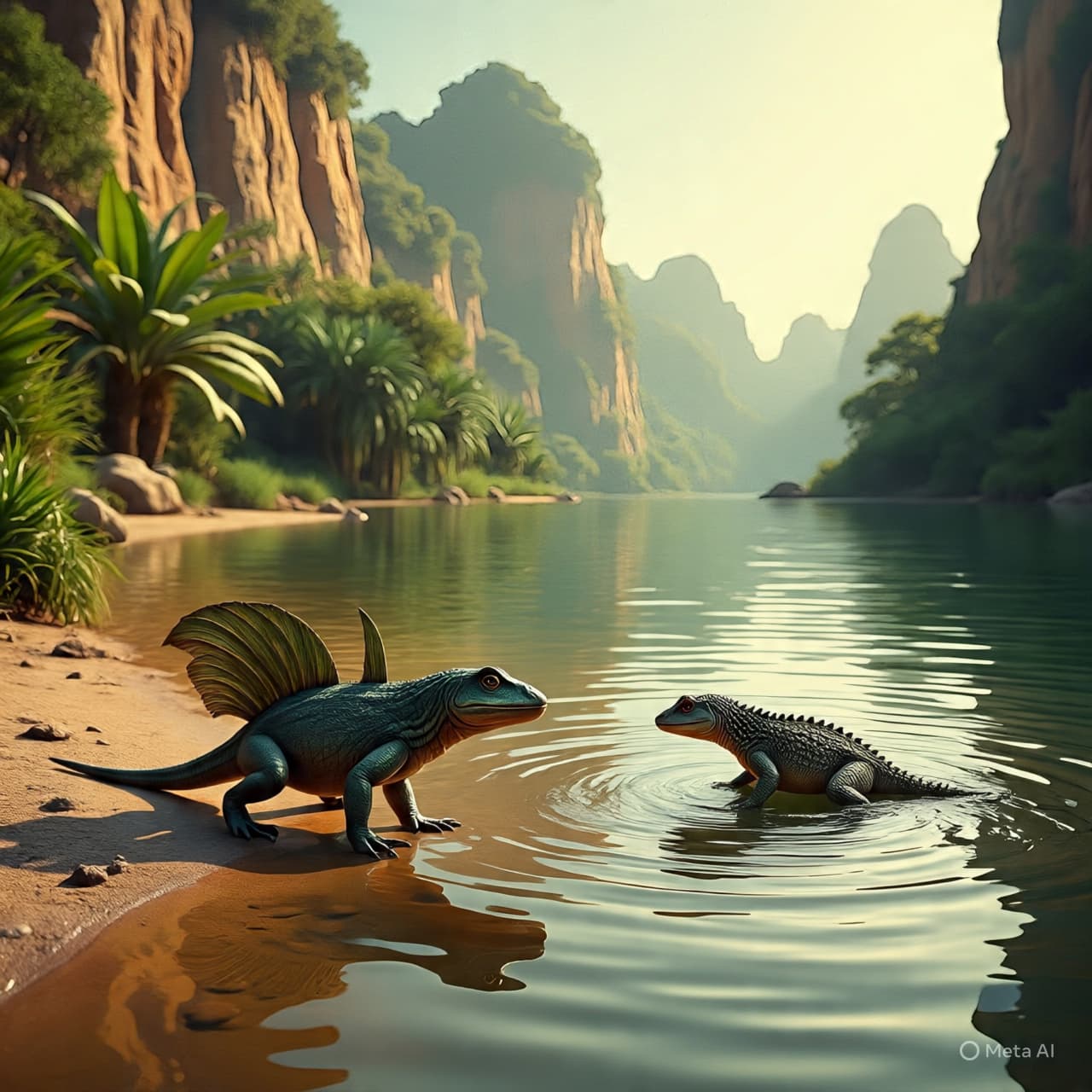
Scientists unearthed Tanyka amnicola, a 275‑million‑year‑old tetrapod with a twisted jaw and sideways teeth, revealing a unique ancient lineage that survived alongside early relatives.

A rare total lunar eclipse on March 3, 2026 cast Earth’s shadow across the Moon, turning it a deep red. Skywatchers across North America, Asia, and Australia captured stunning photos that connect observers under one sky.
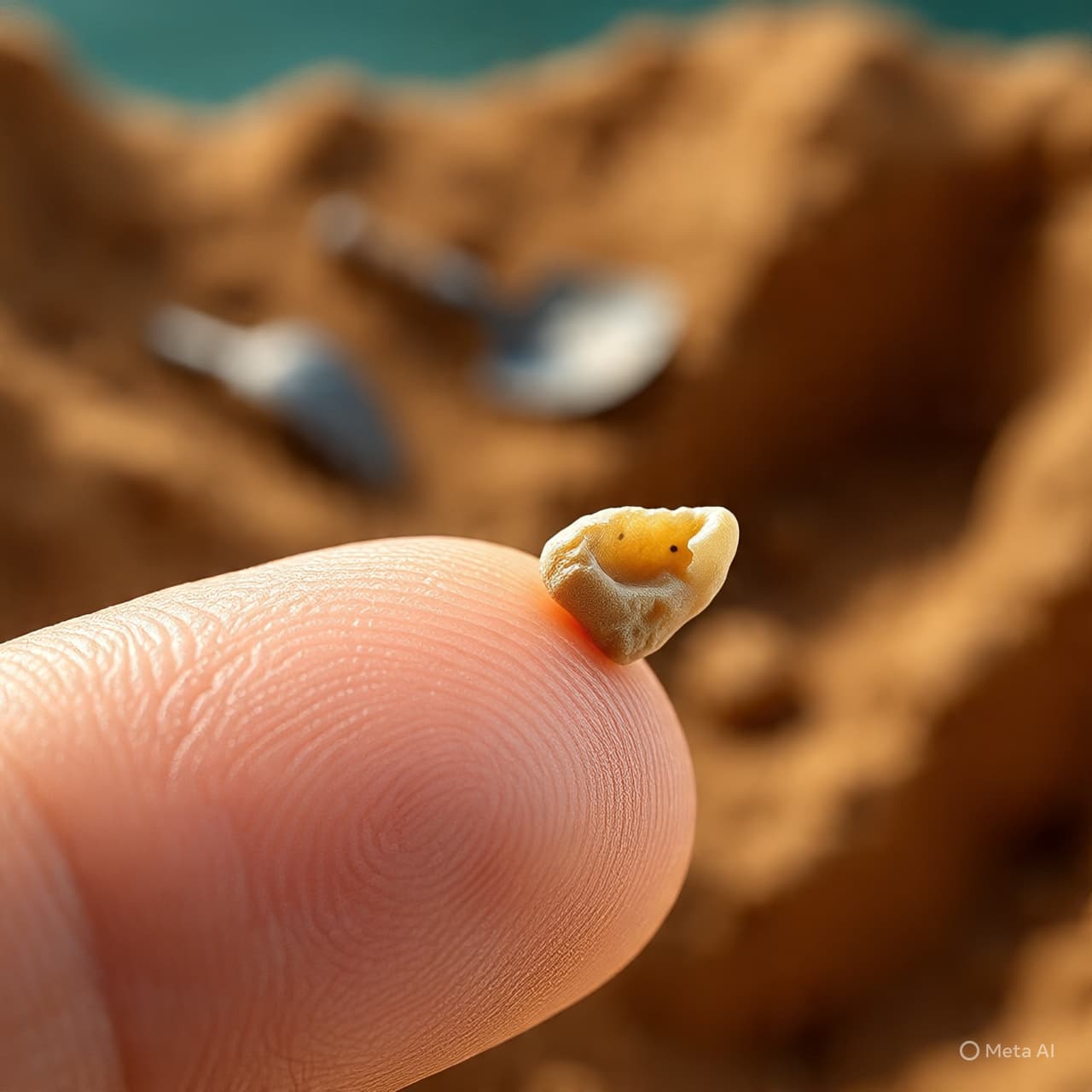
Tiny Purgatorius fossils found in Colorado suggest early primate relatives spread southward soon after the dinosaur extinction, reshaping understanding of primate origins.
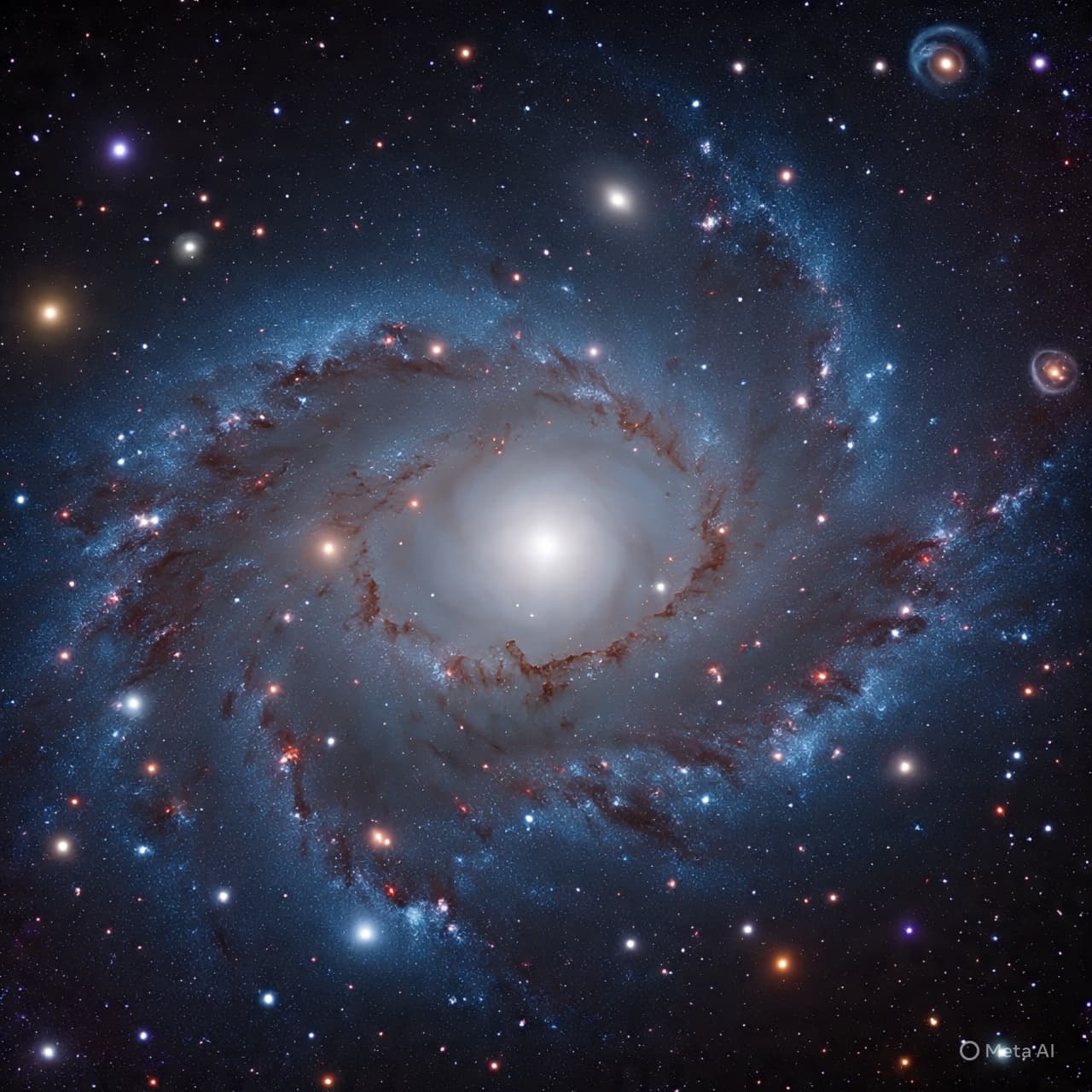
NASA’s Hubble telescope has detected a possible dark galaxy — a structure dominated by dark matter with little or no starlight — offering new clues about galaxy formation.
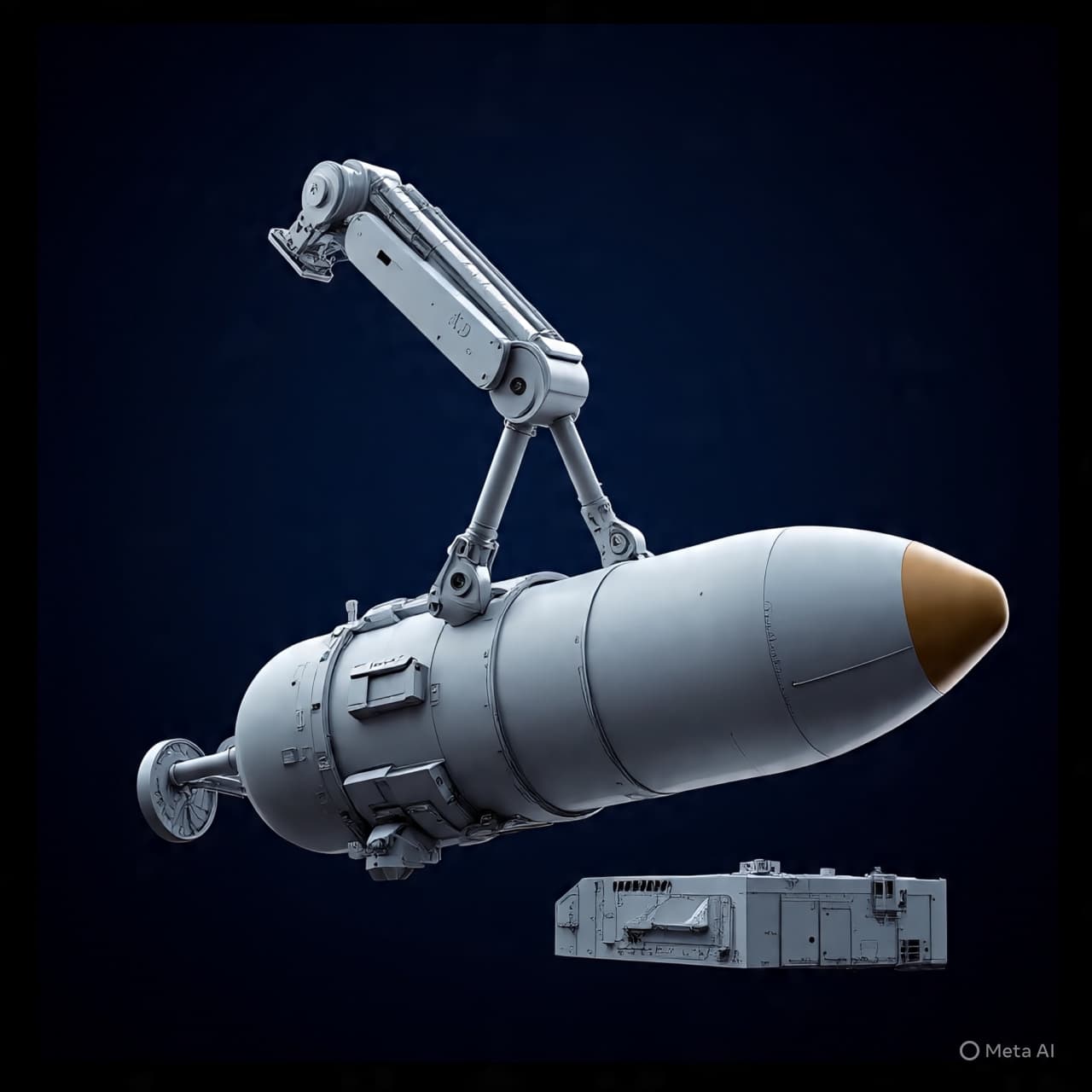
NASA and JAXA are preparing for the uncrewed HTV-X1 cargo spacecraft’s departure from the International Space Station on March 6, with subsequent orbital operations and controlled re-entry planned.
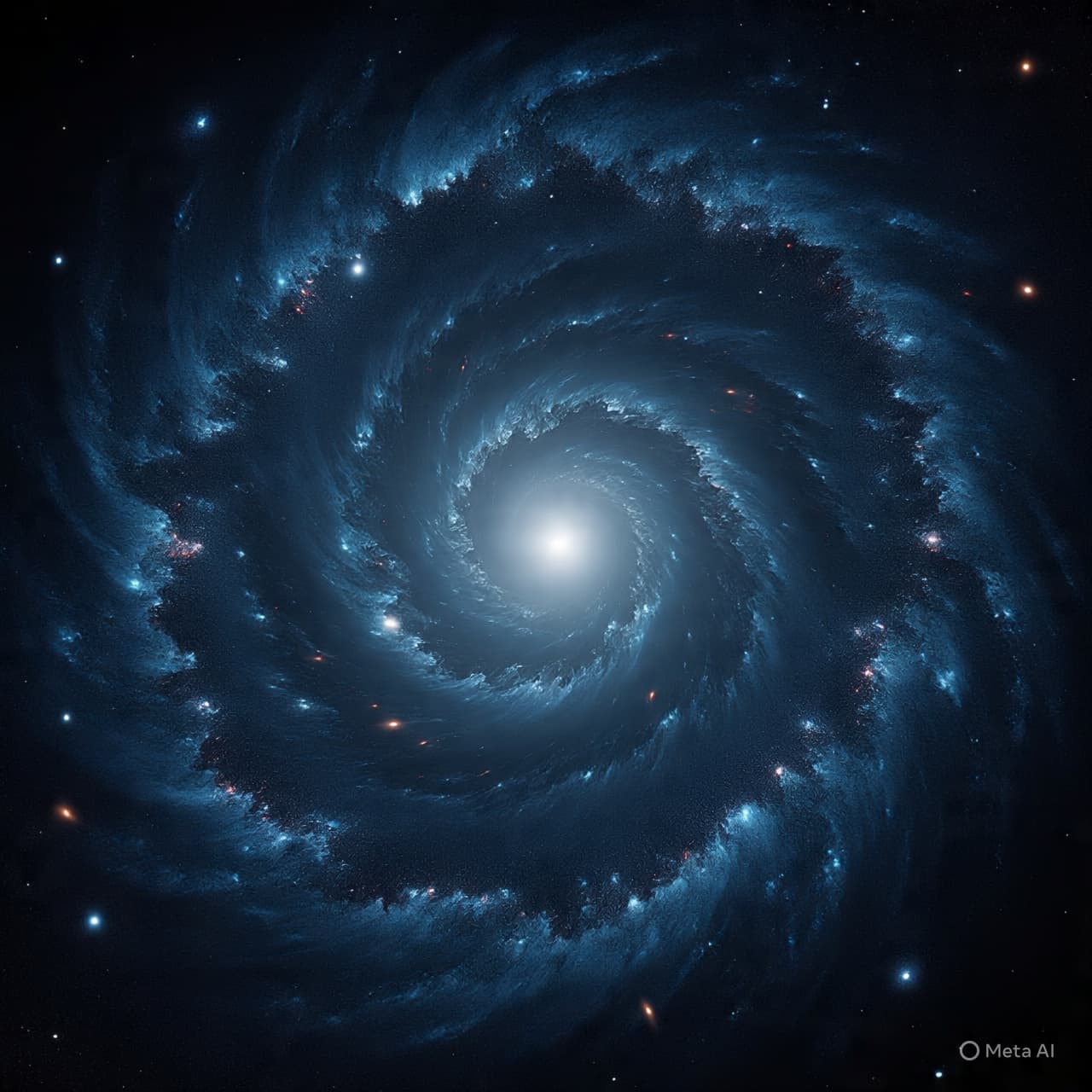
Astronomers have identified a near-invisible galaxy composed of about 99% dark matter, offering new insight into how galaxies form and how dark matter shapes the universe.
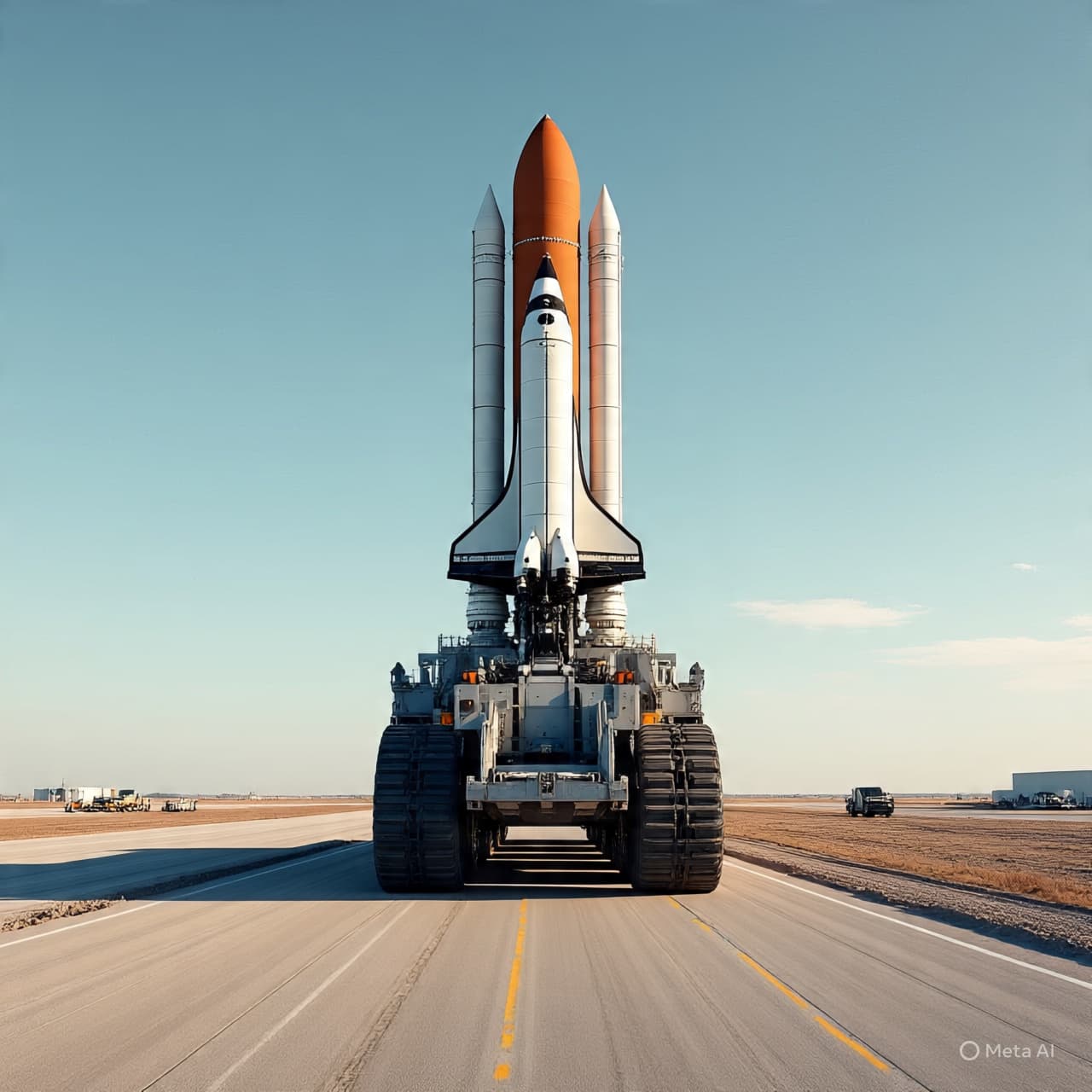
NASA crews repaired a helium flow issue on the Artemis II SLS rocket and are readying the vehicle for rollout ahead of an April launch bid for the first crewed lunar mission in decades.
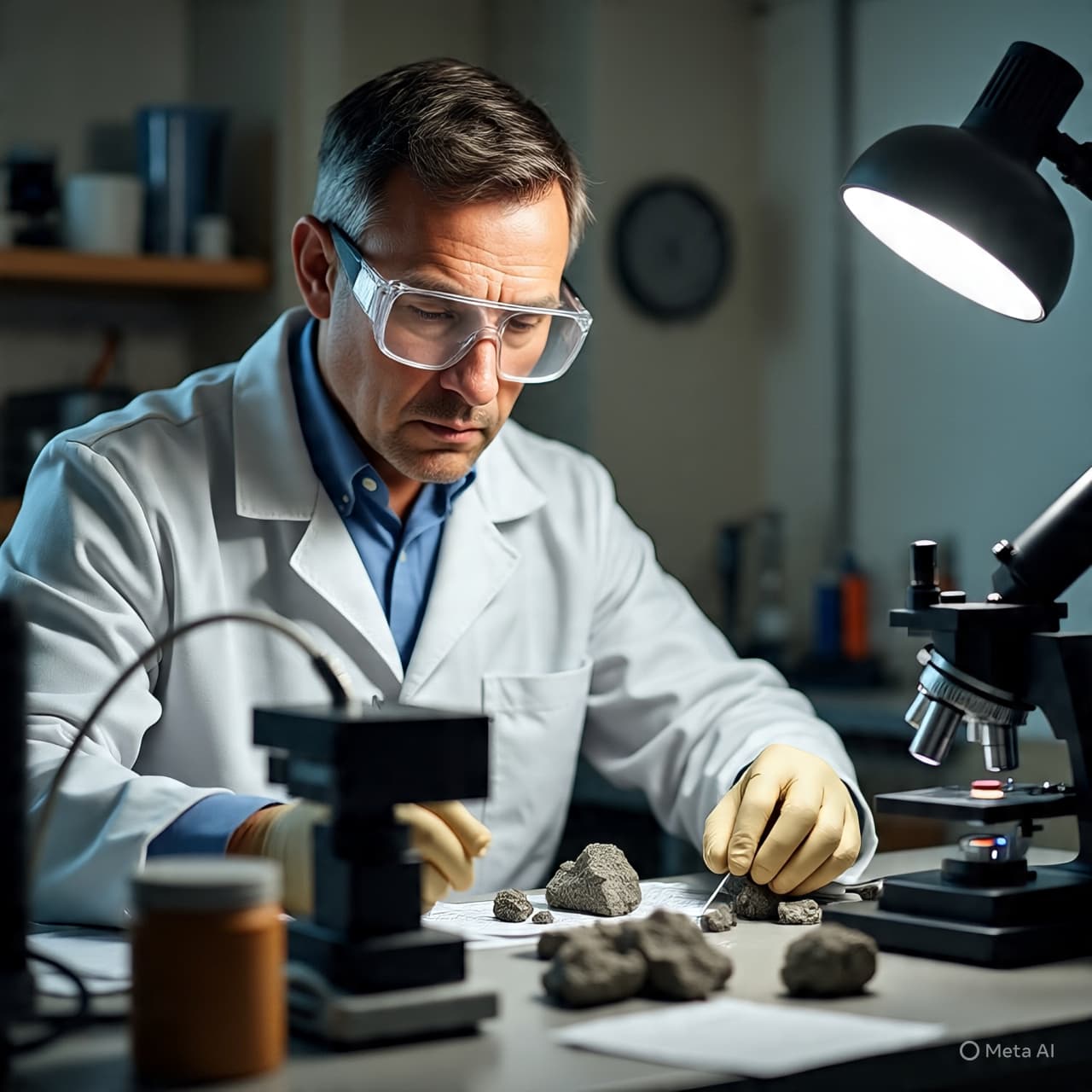
Ancient zircon crystals over 4.4 billion years old are revealing evidence of early crust formation and possible liquid water on Earth during its earliest epoch.
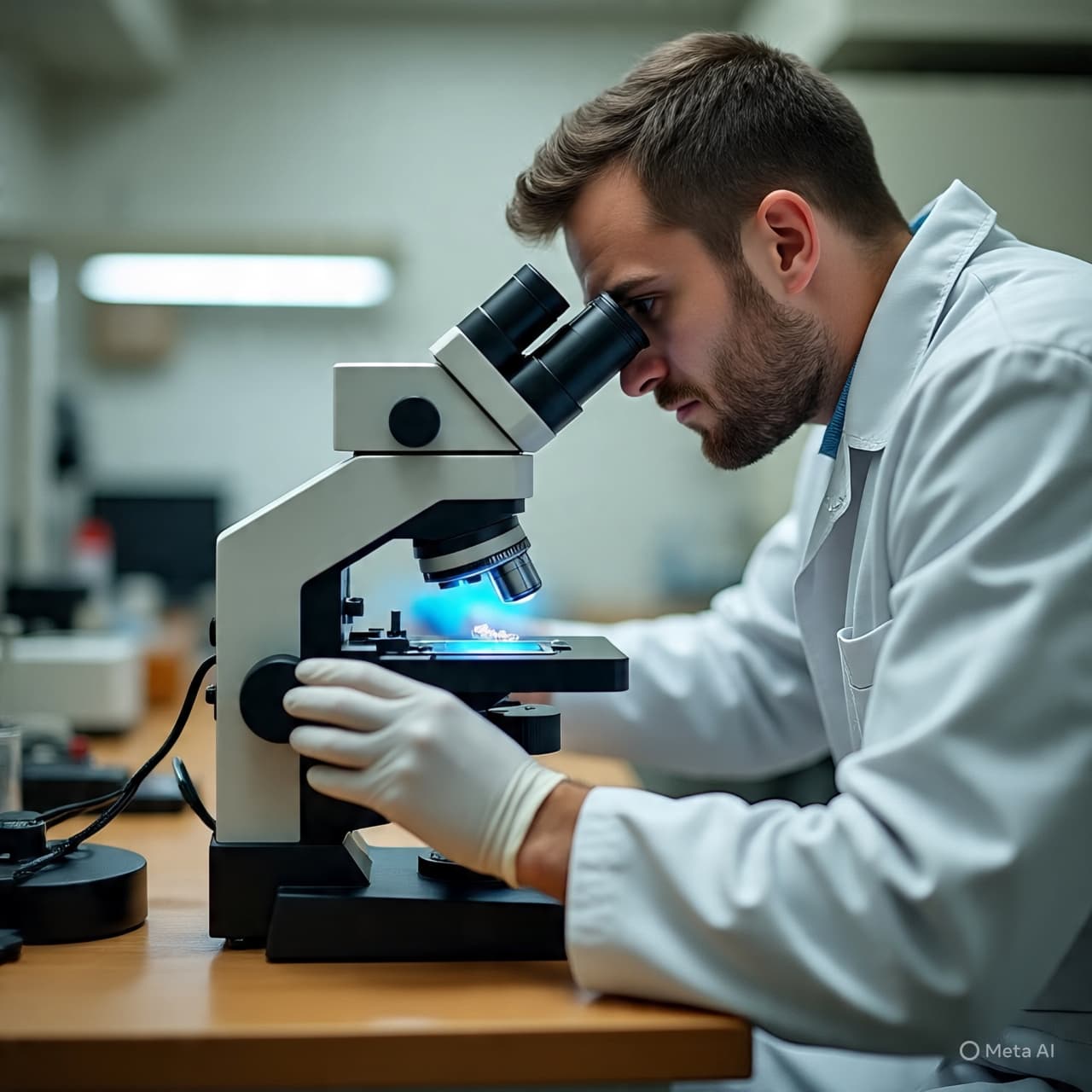
Proteins first discovered in jellyfish are transforming biology, enabling advanced cell imaging, disease research, and potential medical breakthroughs.
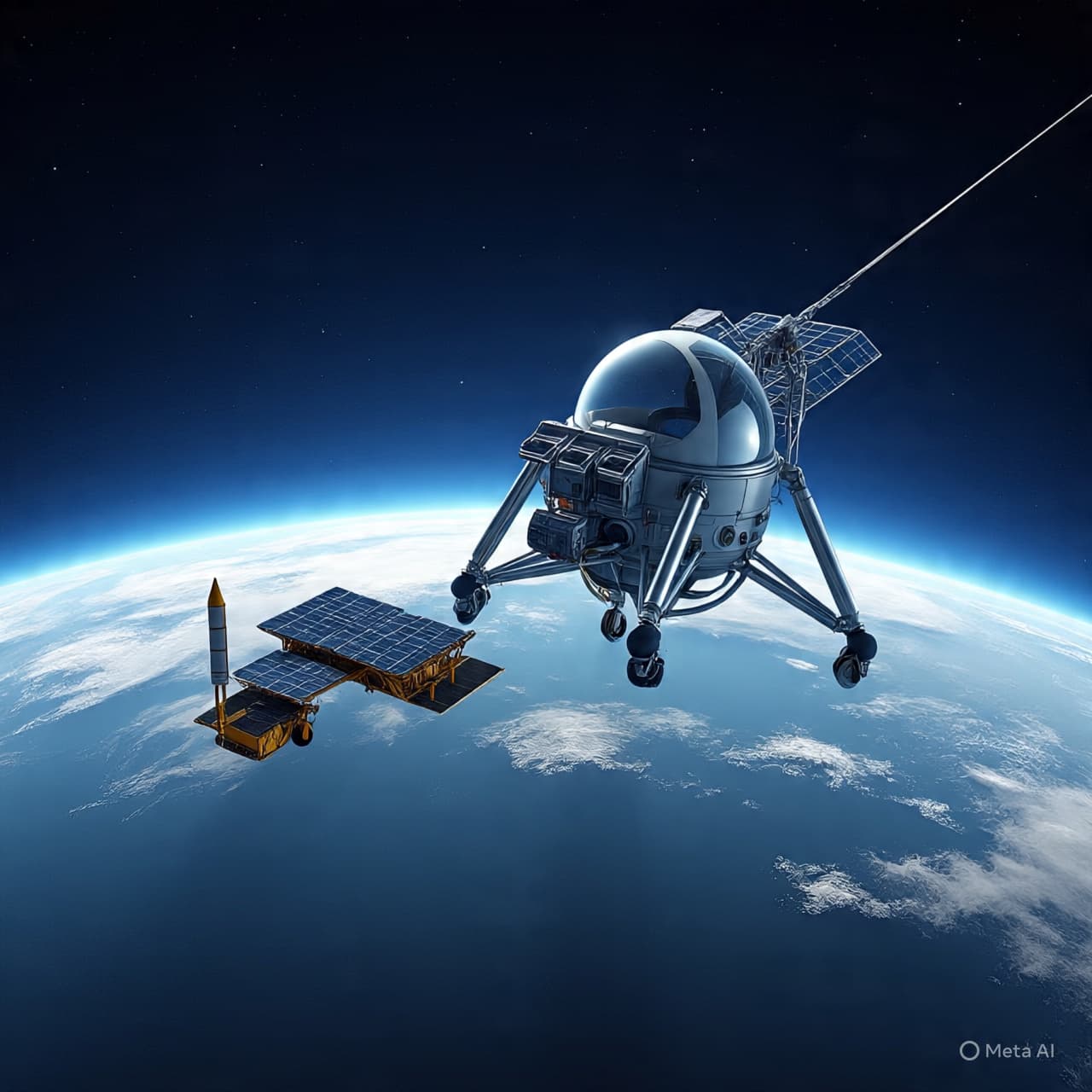
NASA is strengthening Artemis by adding a new test mission and refining launch architecture, aiming for safer lunar landings and a steadier pace of Moon exploration.