
SCIENCE84% credibility
A new telescope quietly expands how we read the universe
NASA’s Roman Space Telescope will map the universe with wide-field precision, advancing research on dark energy and exoplanets.
5 min read

NASA’s Roman Space Telescope will map the universe with wide-field precision, advancing research on dark energy and exoplanets.

A new Artemis II image released for Earth Day offers a reflective view of Earth, connecting space exploration with environmental awareness.
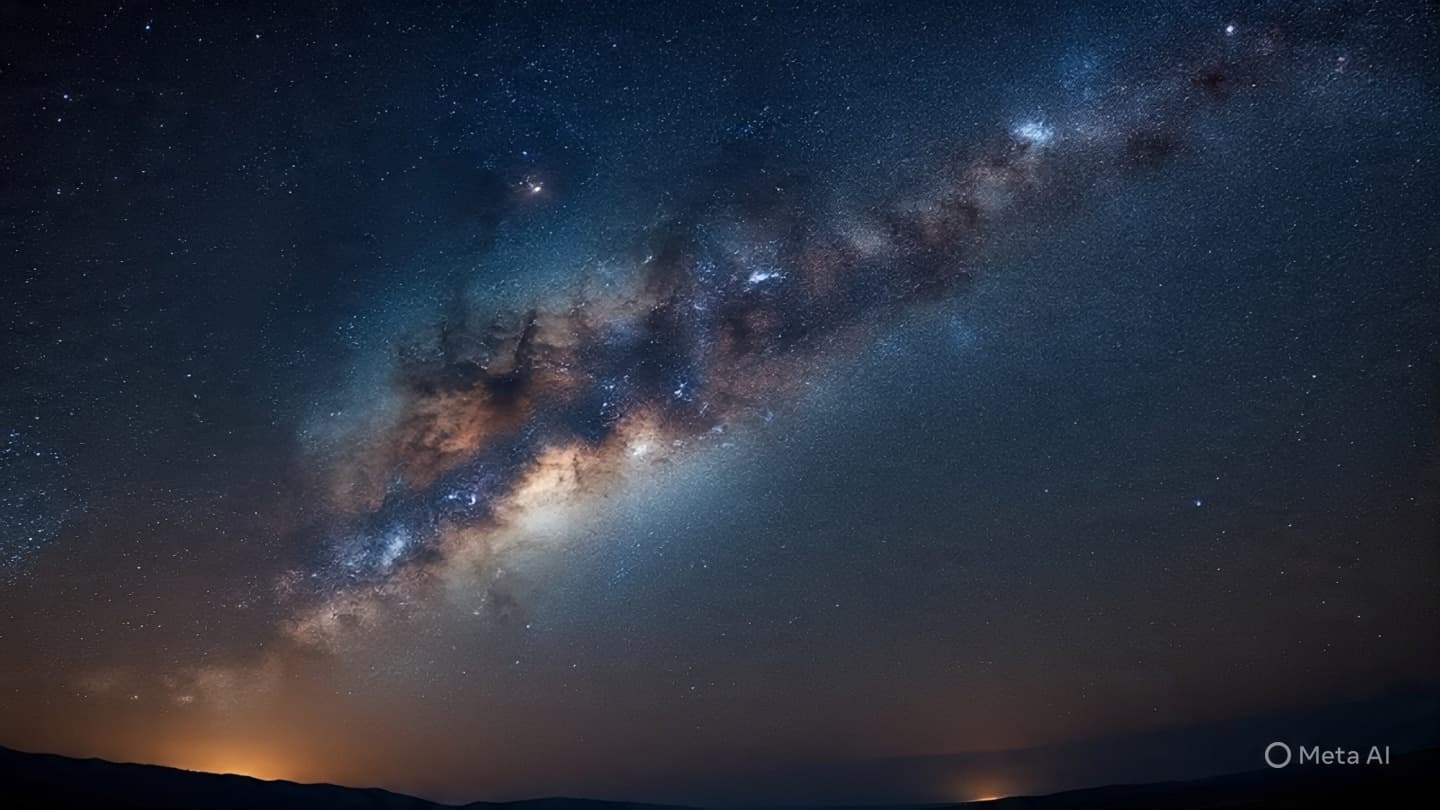
Astronomers have identified the outer boundary of the Milky Way’s star-forming disk, refining understanding of where stellar creation gradually fades.
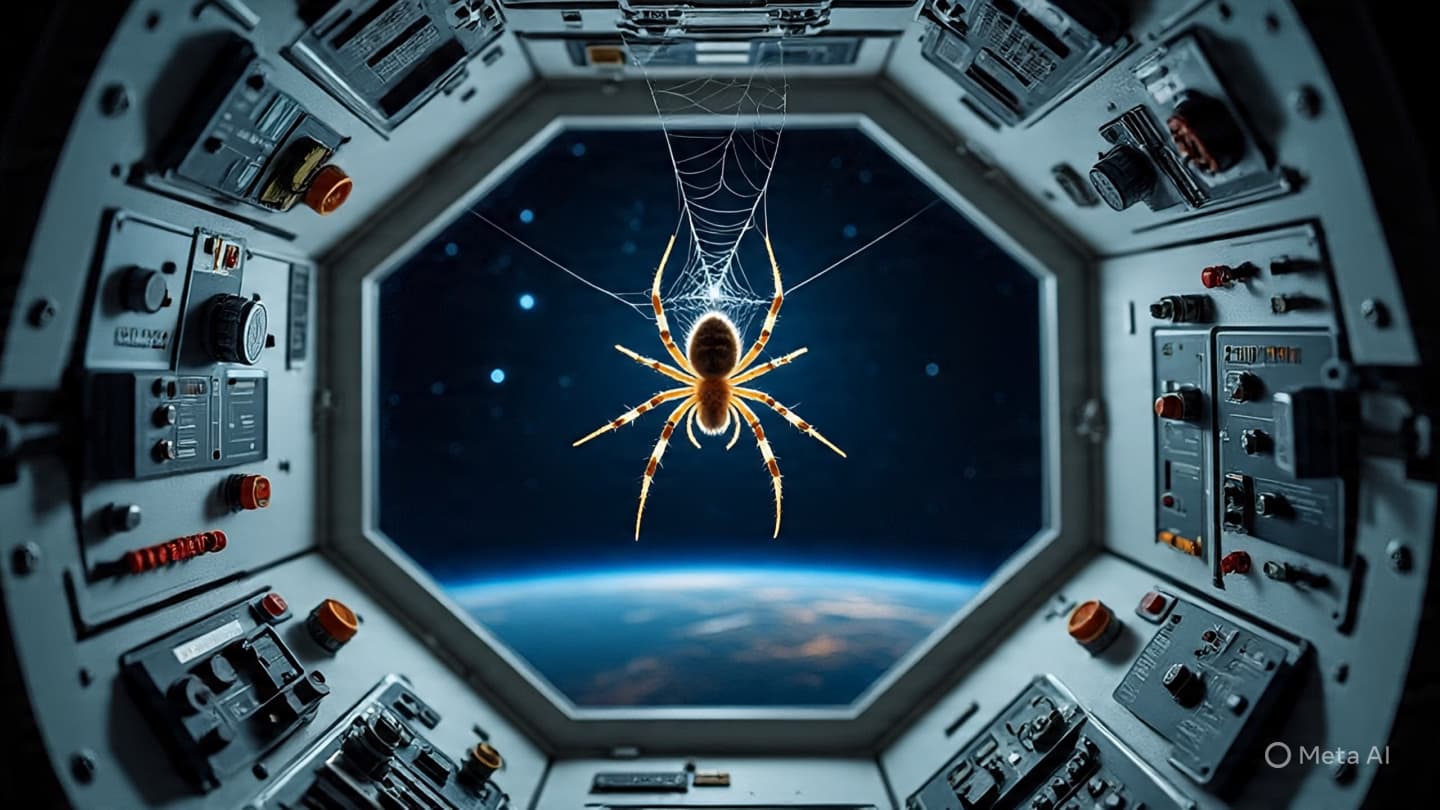
Spiders sent to the ISS initially built irregular webs in microgravity but adapted over time, offering insights into behavior without gravity.
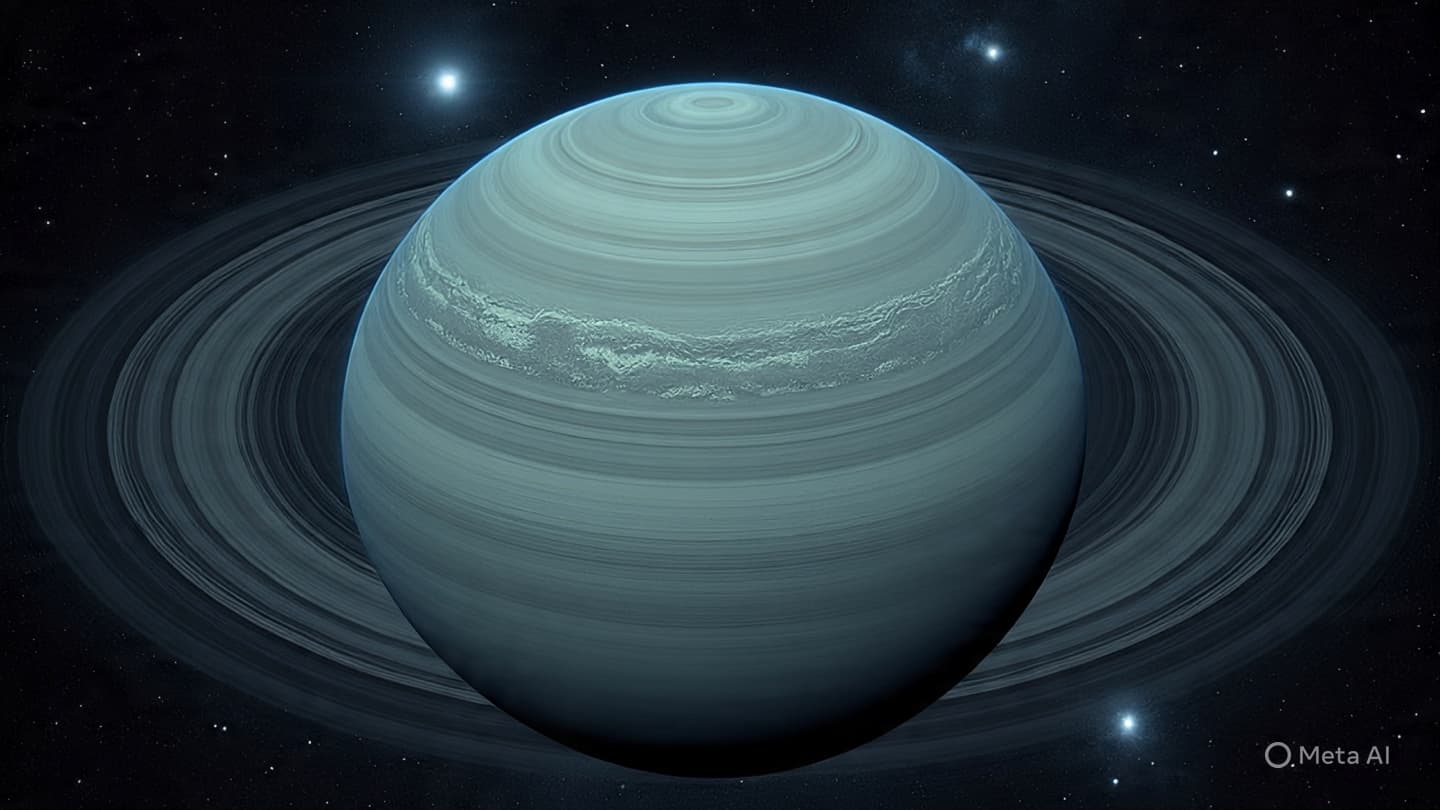
New observations of Uranus’s rings suggest gravitational effects that may indicate the presence of previously undetected small moons.
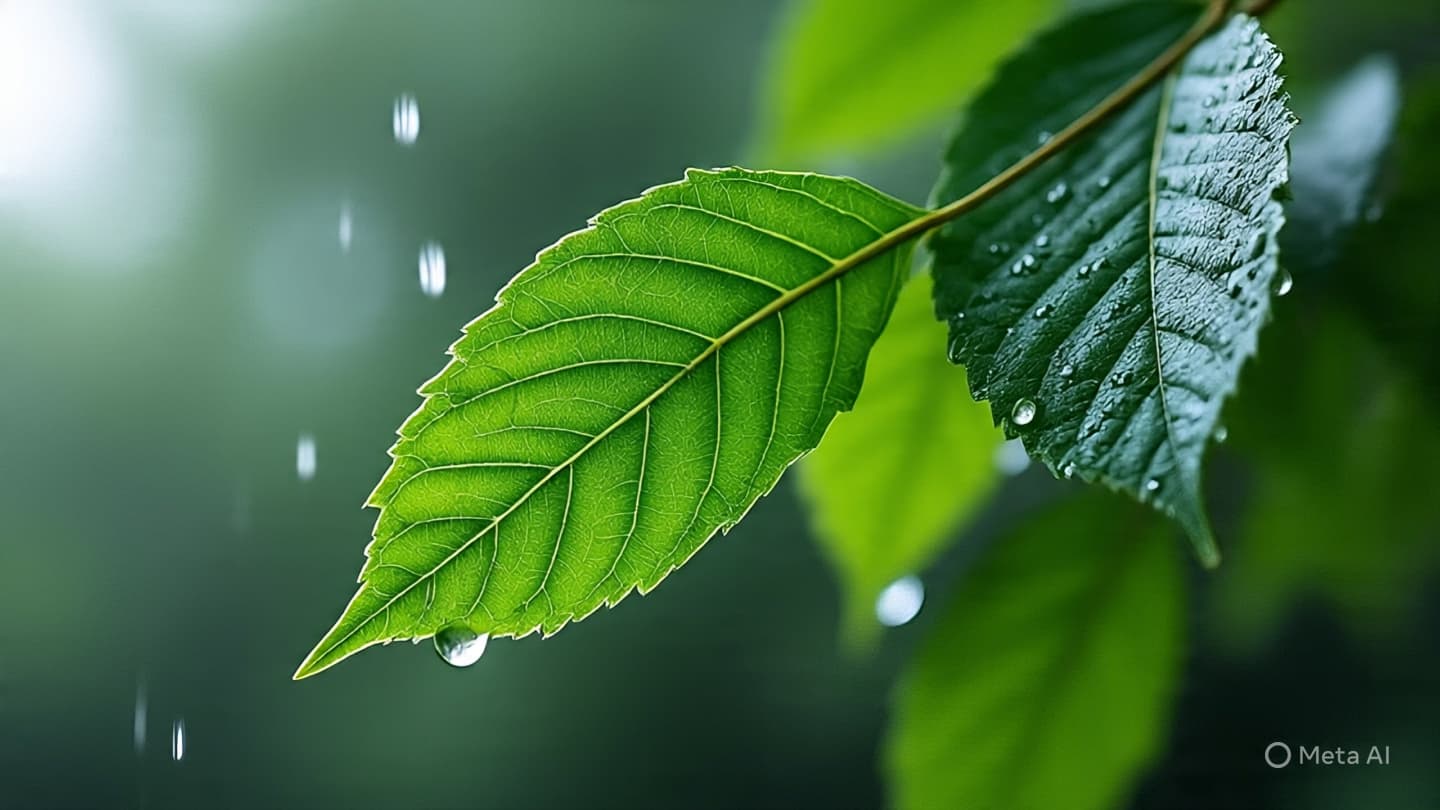
A new study suggests plants can detect the sound of rainfall, triggering early responses that prepare them for incoming water conditions.
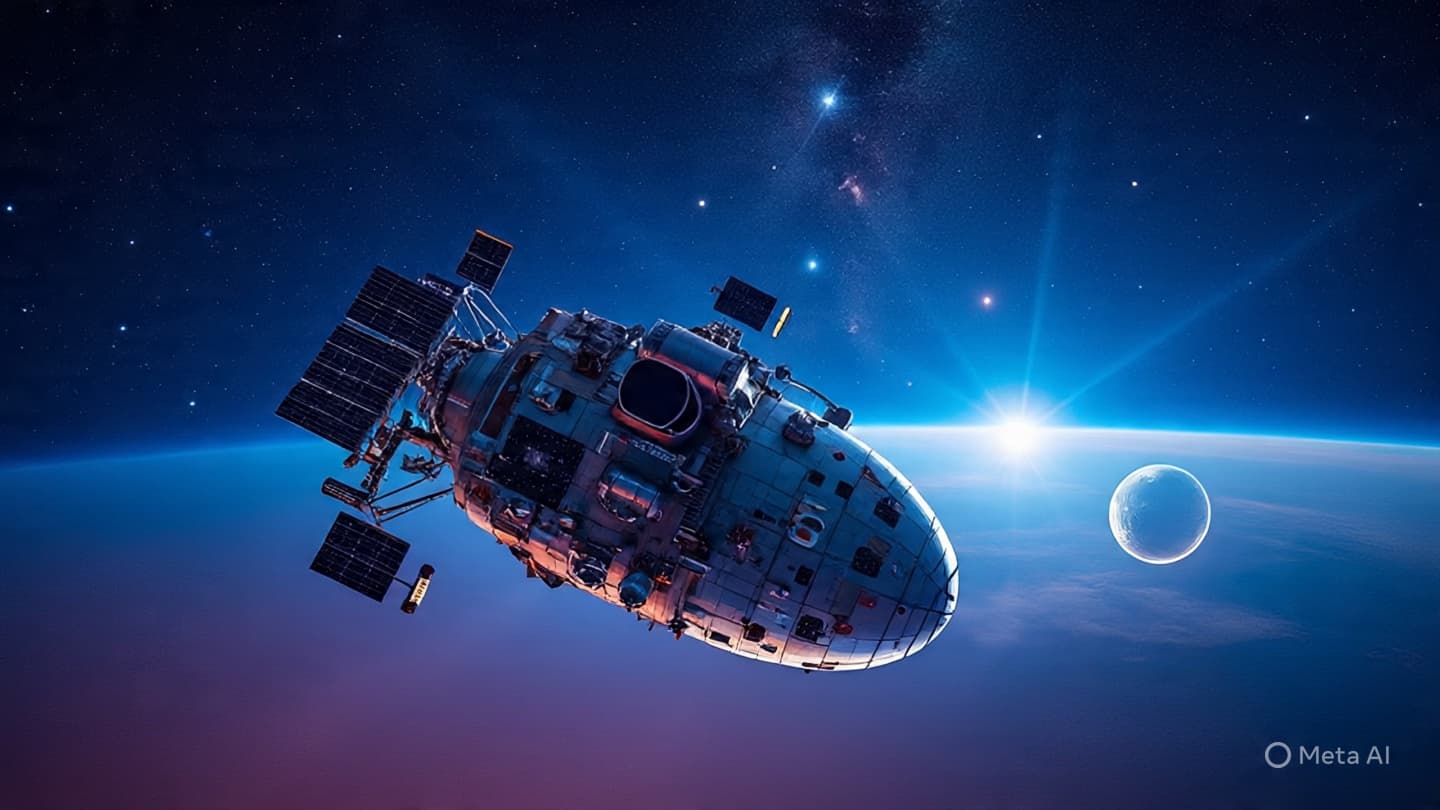
A pioneering astrophysicist is honored for her work on stellar composition, reflecting growing recognition of influential scientific contributions.
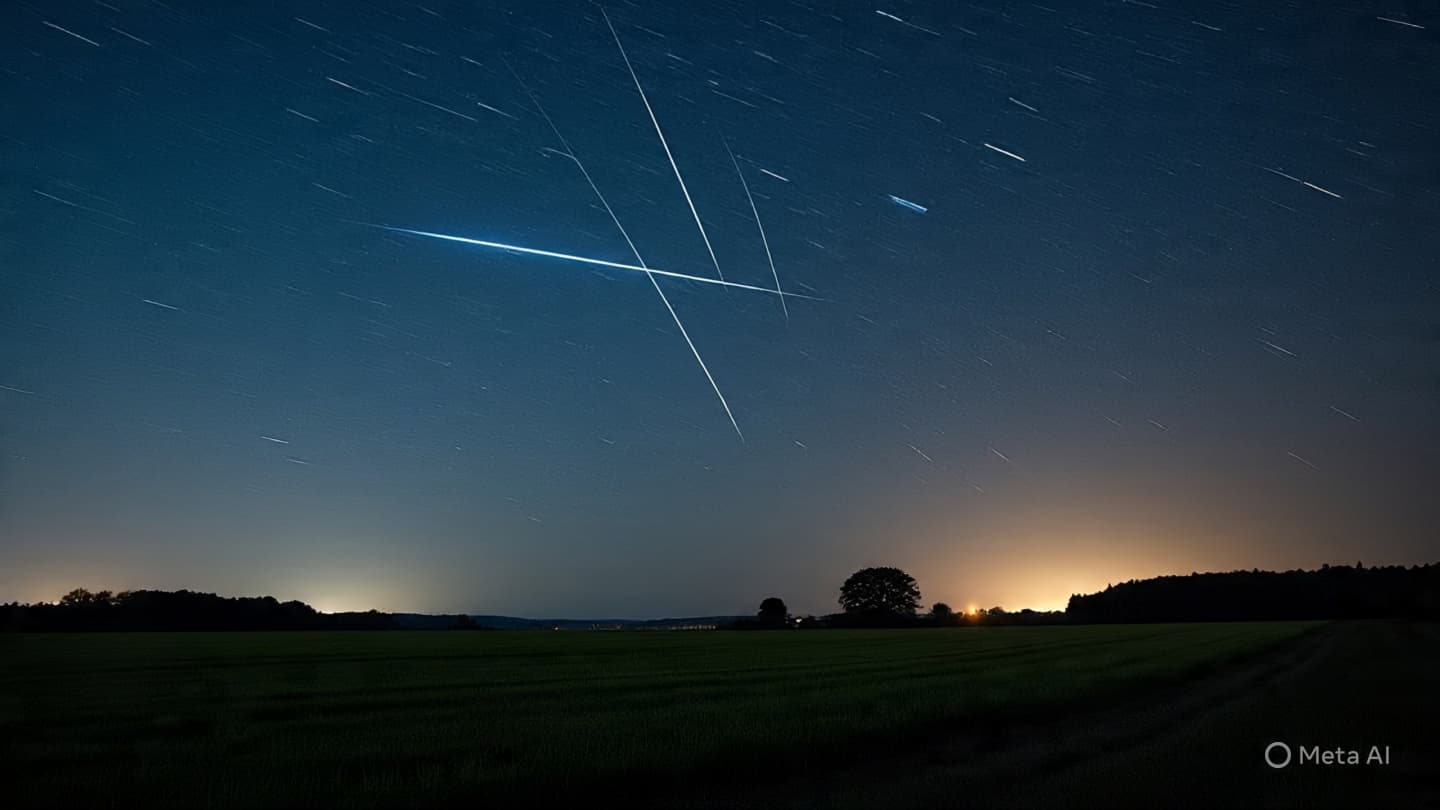
The 2026 Lyrid meteor shower produced striking images from Earth and space, highlighting its historical significance and ongoing scientific interest.

Genetic research shows Neanderthals nearly vanished due to a severe population bottleneck, leaving lasting effects on their genetic diversity.
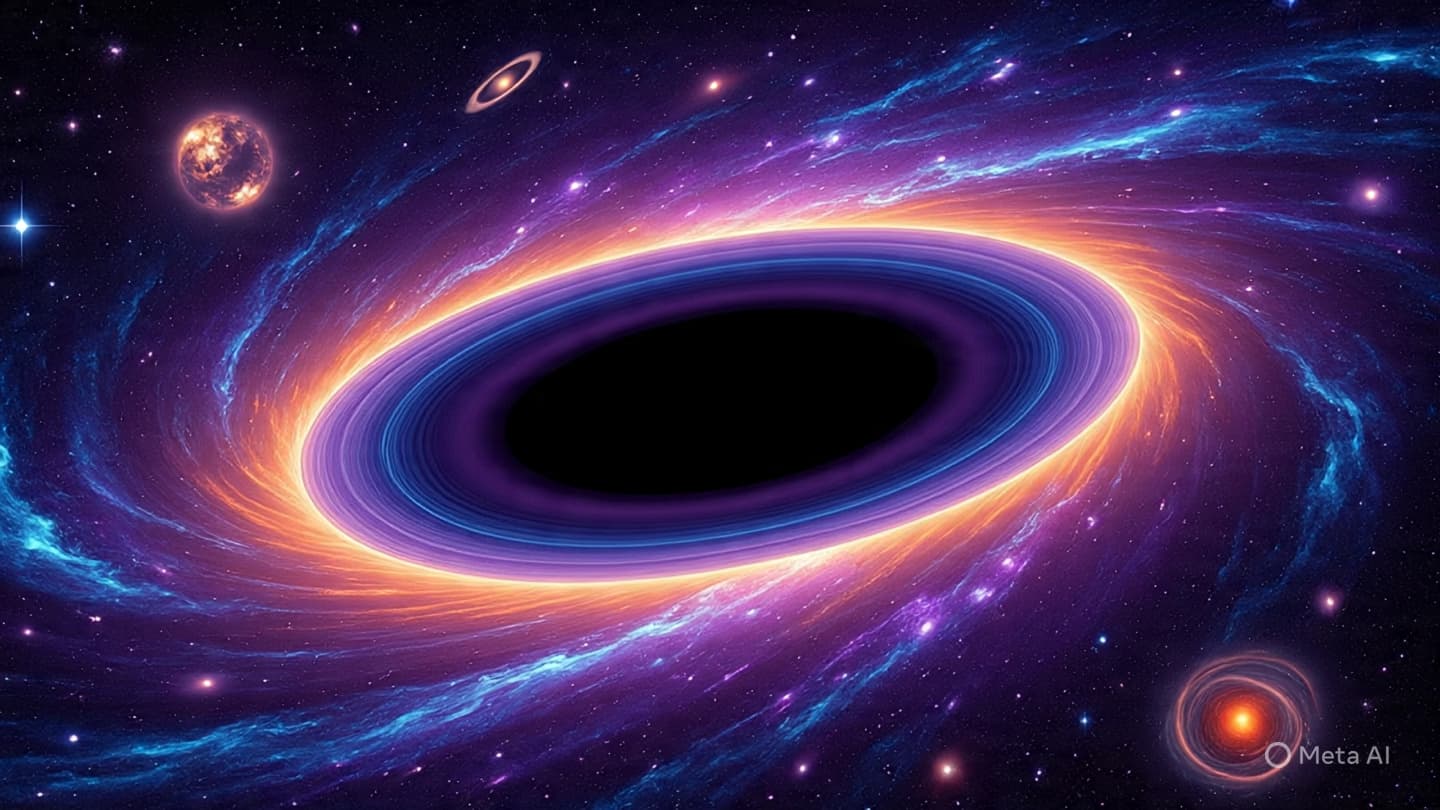
Theoretical research suggests black holes predating the Big Bang may still exist as “cosmic fossils,” though evidence remains unconfirmed.
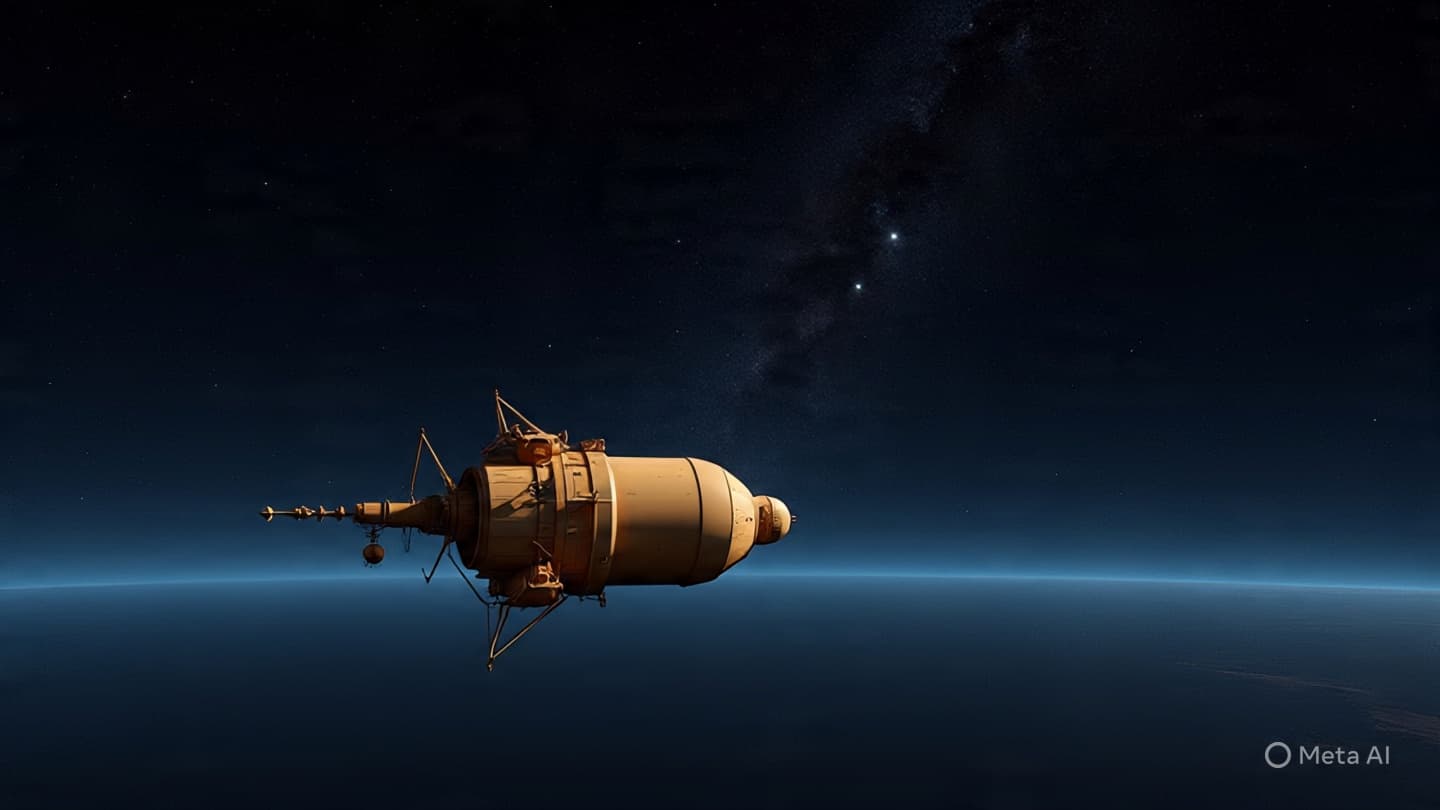
NASA shuts down an instrument on Voyager 1 to conserve power, extending its mission as it continues exploring interstellar space.
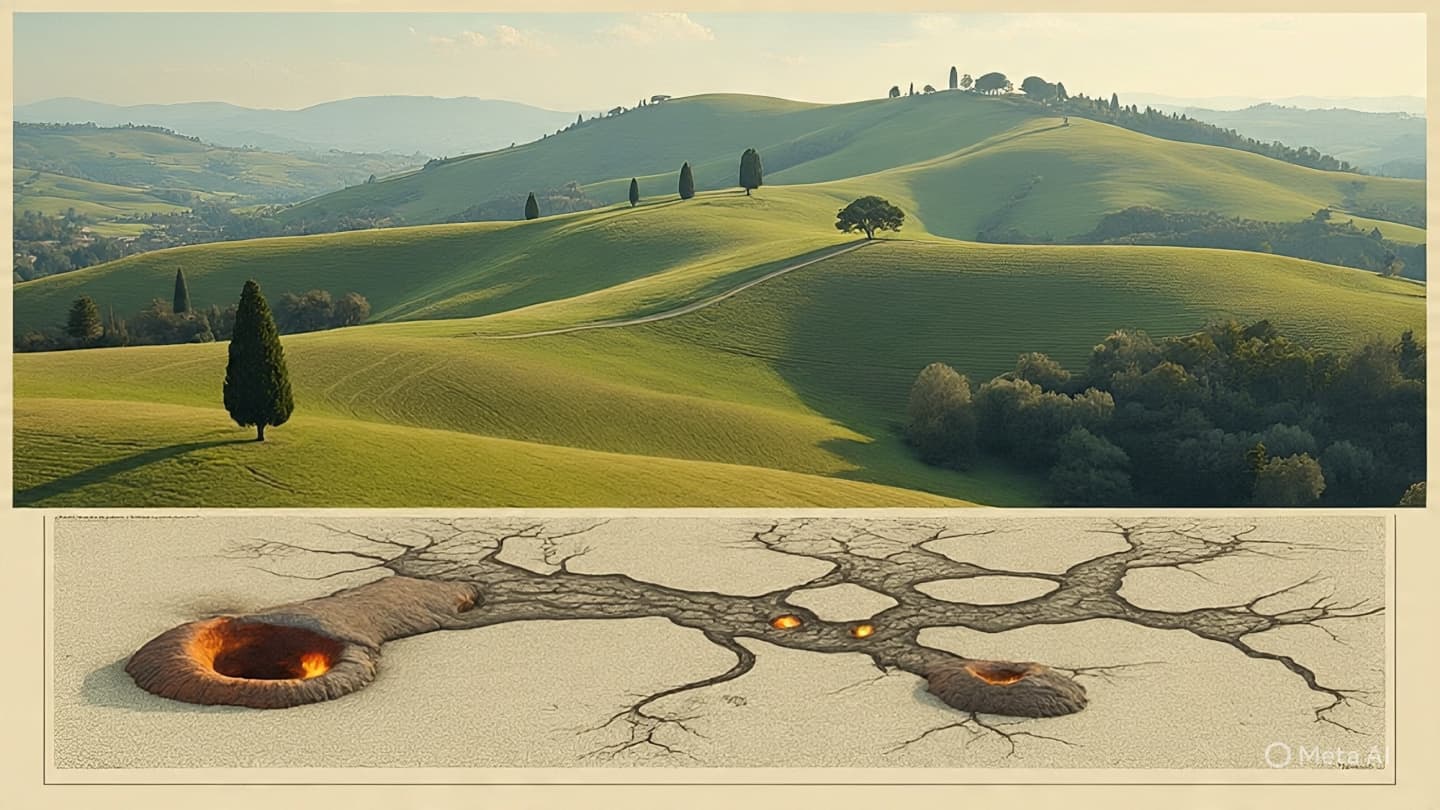
Scientists have discovered a magma reservoir beneath Tuscany, comparable in size to Yellowstone systems, offering new geological insights.
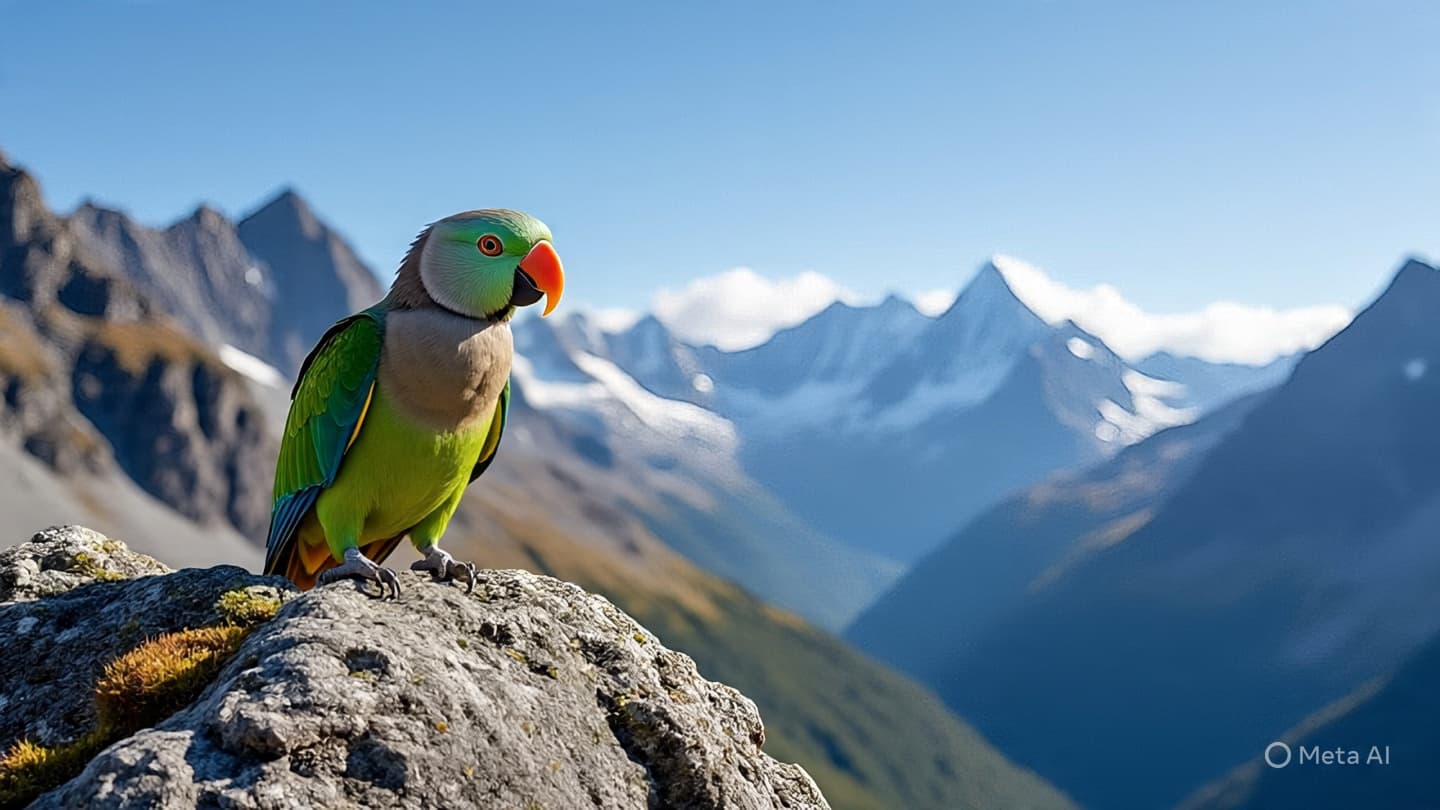
A disabled kea in New Zealand uses a unique “jousting” behavior to maintain social dominance, highlighting adaptability in animal behavior.
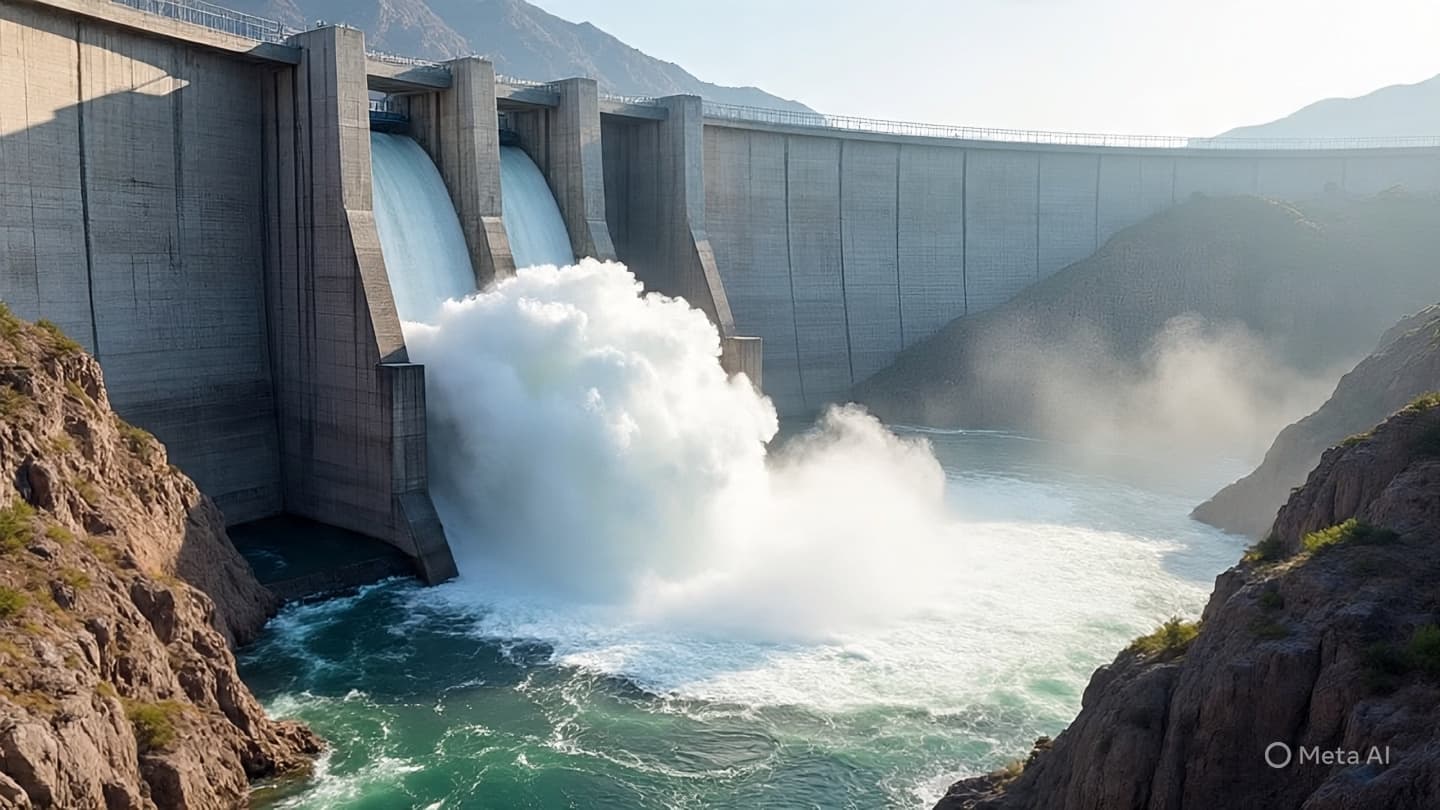
Guinea successfully expands its hydroelectric capacity, leveraging its abundant river systems to drive national industrial growth and contribute to the West African regional power grid.
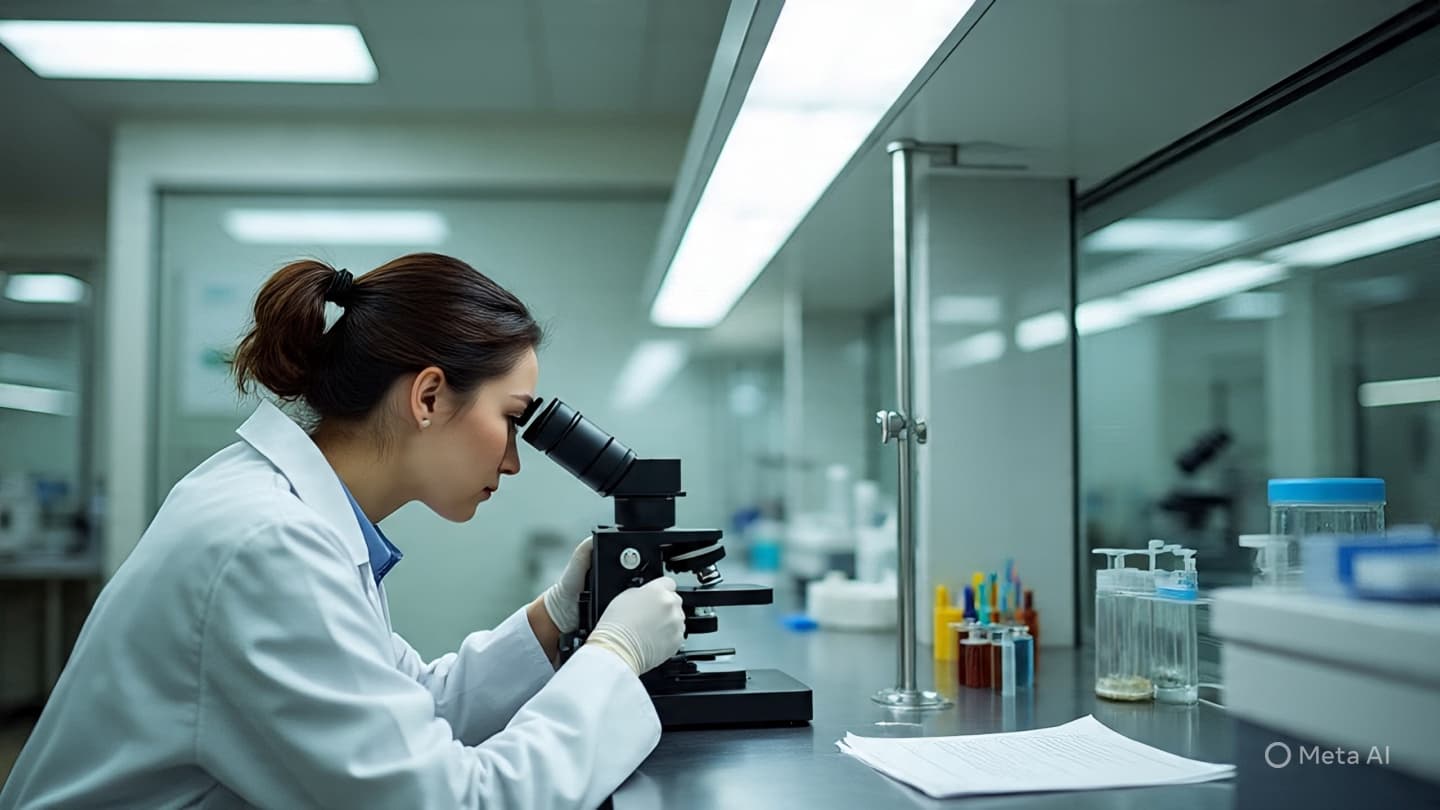
Wits University leads a new clinical trial for a malaria vaccine, marking a significant step toward disease prevention and reinforcing South Africa’s leadership in global health research.
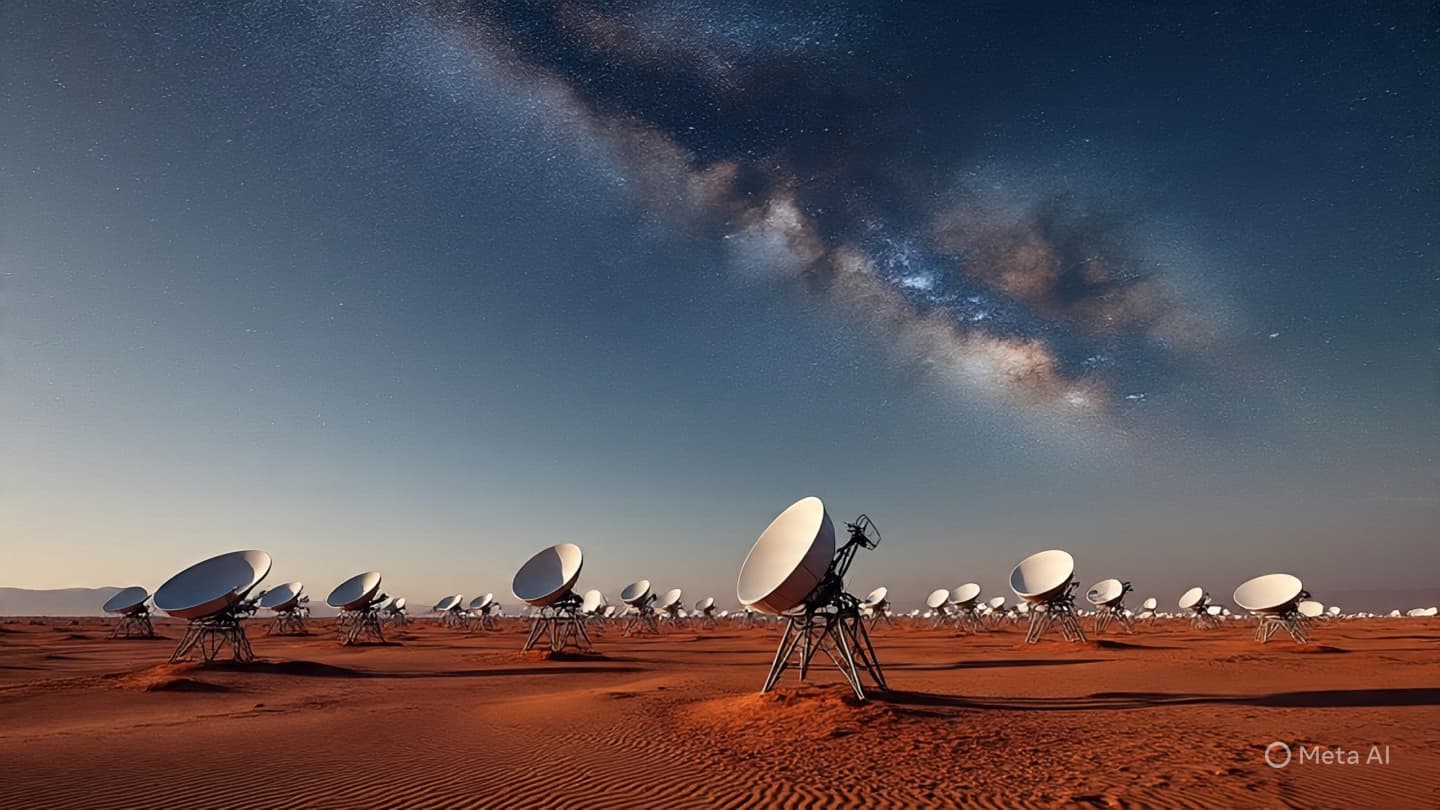
The MeerKAT telescope in the Karoo captures high-resolution images of the Milky Way's center, revealing complex magnetic structures and advancing South Africa’s role in global space exploration.
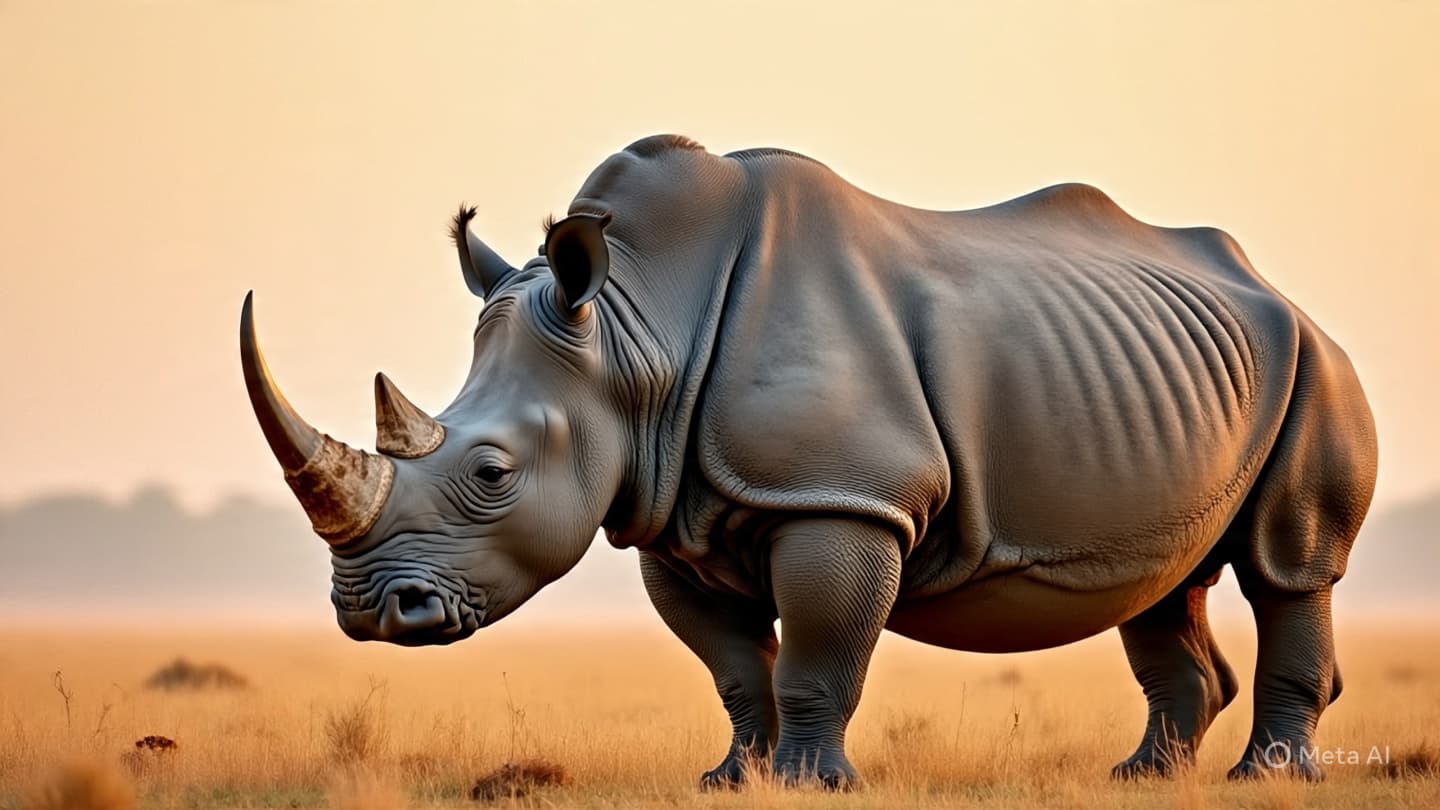
Researchers in South Africa are using advanced DNA tracking to create a genetic shield for rhinos, linking forensic evidence to poaching crimes and strengthening wildlife protection.
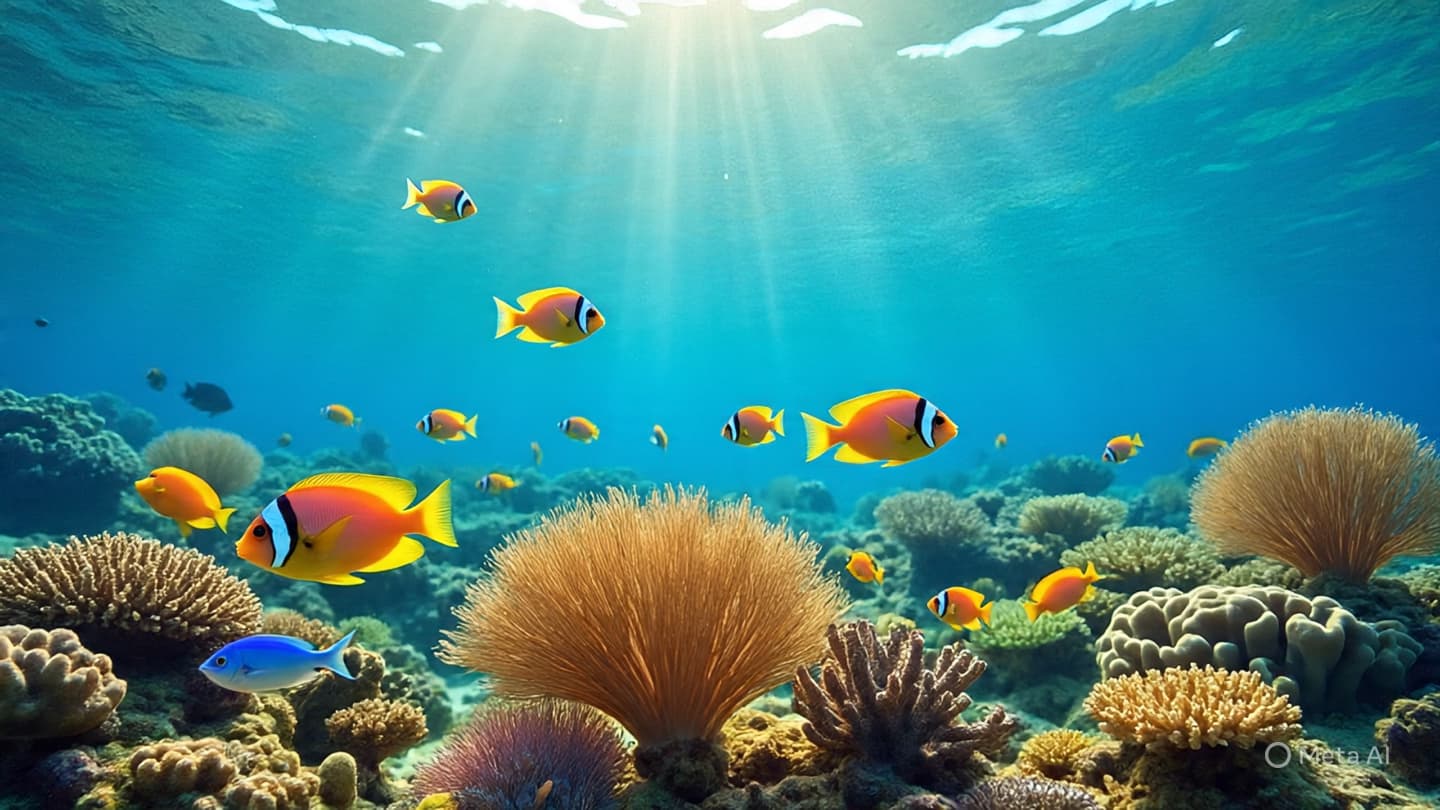
Recent studies show that local fishing bans in the Bay Islands have led to a significant recovery of coral reef health and an increase in marine biodiversity across the region.
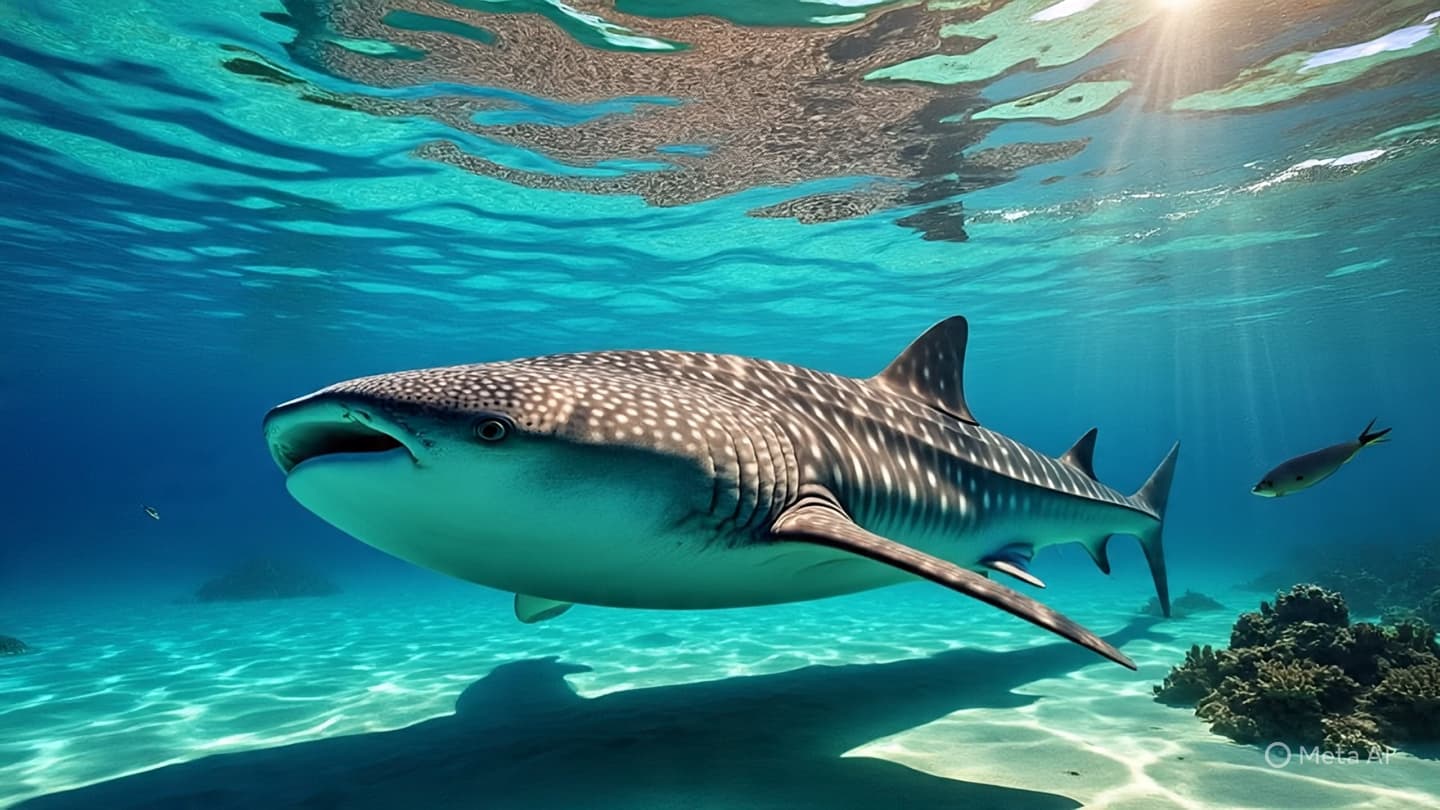
Marine researchers in Roatán have initiated a satellite tagging program for endangered whale sharks, aiming to map migration patterns and strengthen protective measures for these gentle ocean giants.
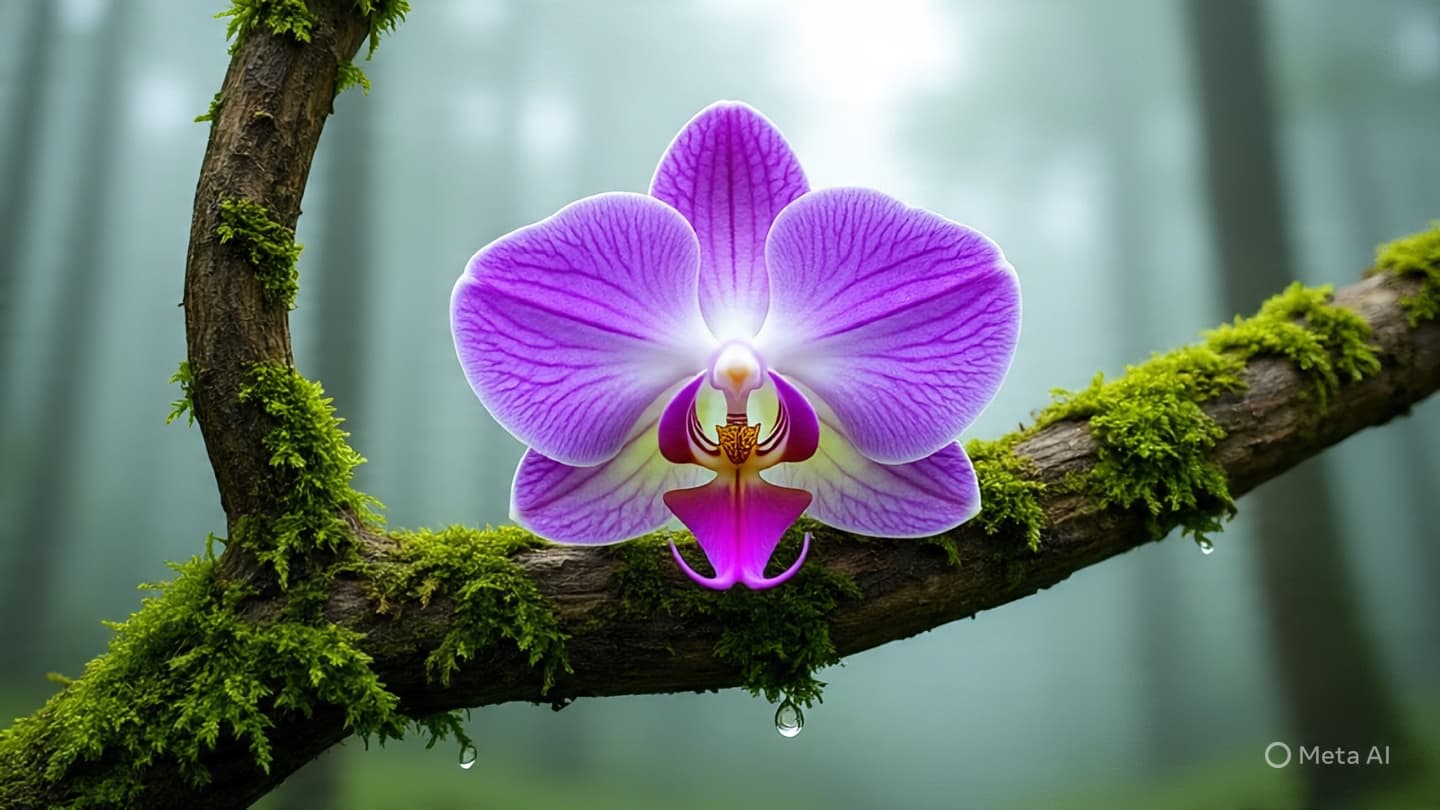
A new species of orchid has been discovered in the Honduran cloud forests, highlighting the region's vast biodiversity and the ongoing scientific efforts to catalog and protect rare high-altitude flora.
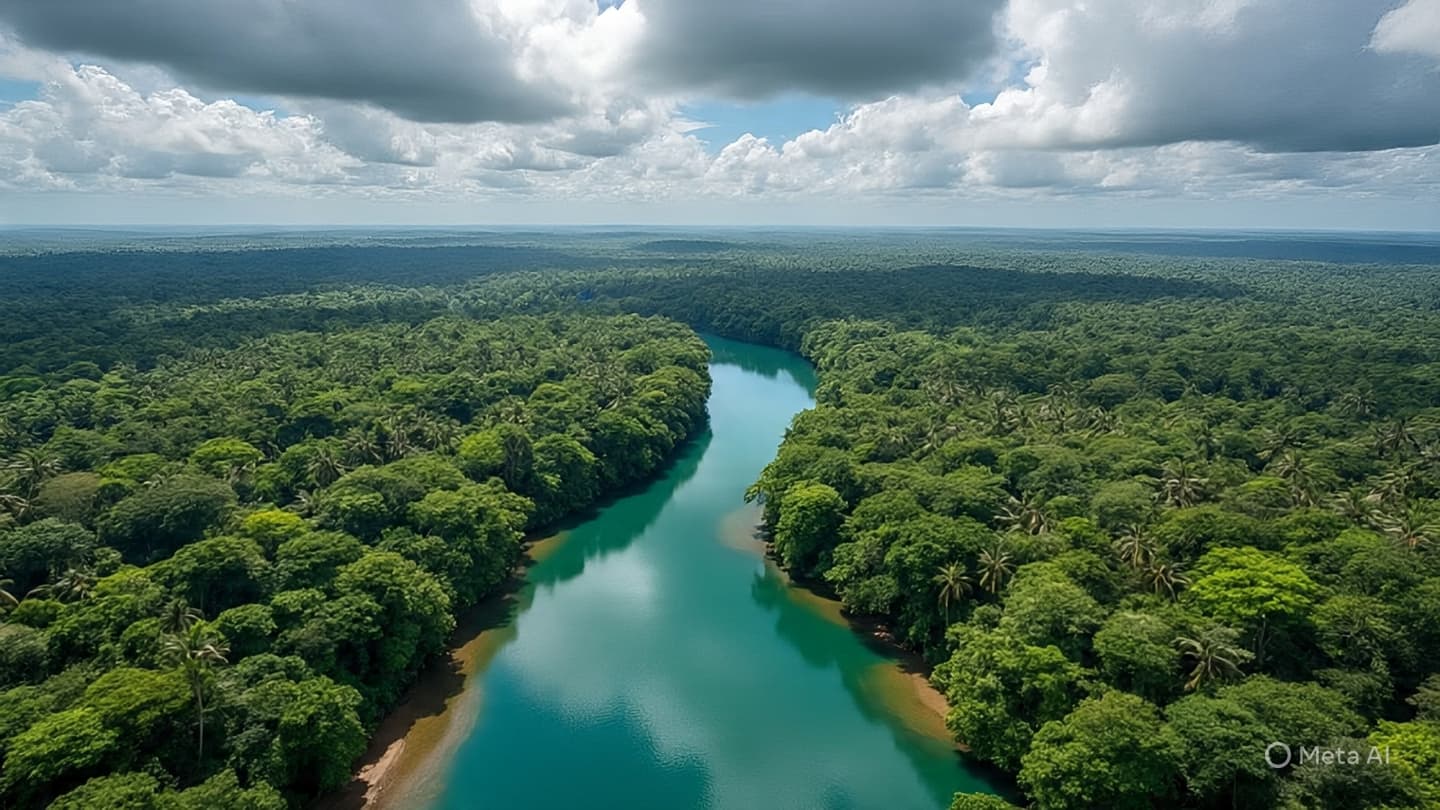
Honduras expands environmental protection zones in the Mosquitia region, creating vital sanctuaries for biodiversity and strengthening the role of indigenous stewards in forest conservation.
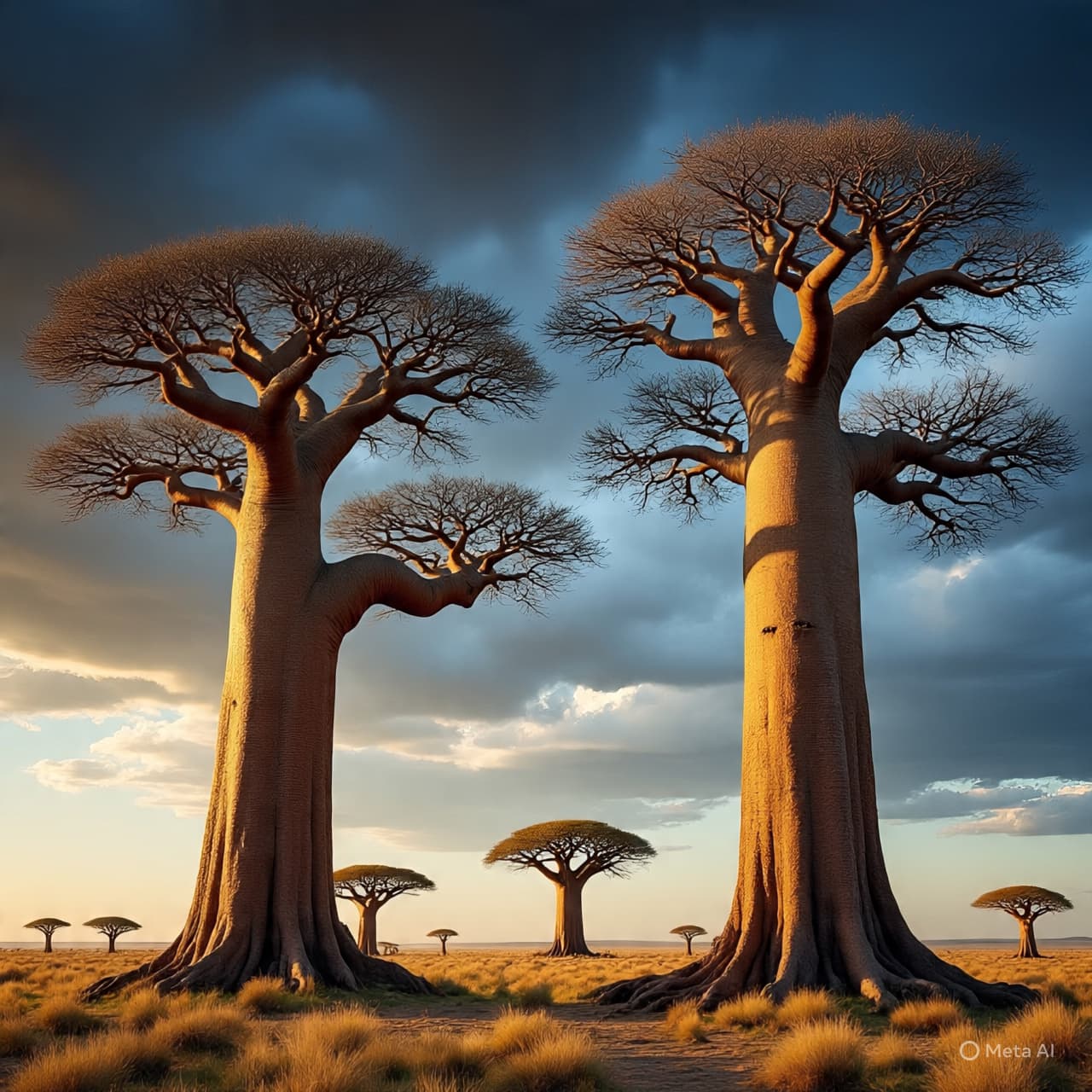
Baobab trees in Madagascar reveal 700 years of climate data, offering insights into rainfall patterns and long-term environmental change.
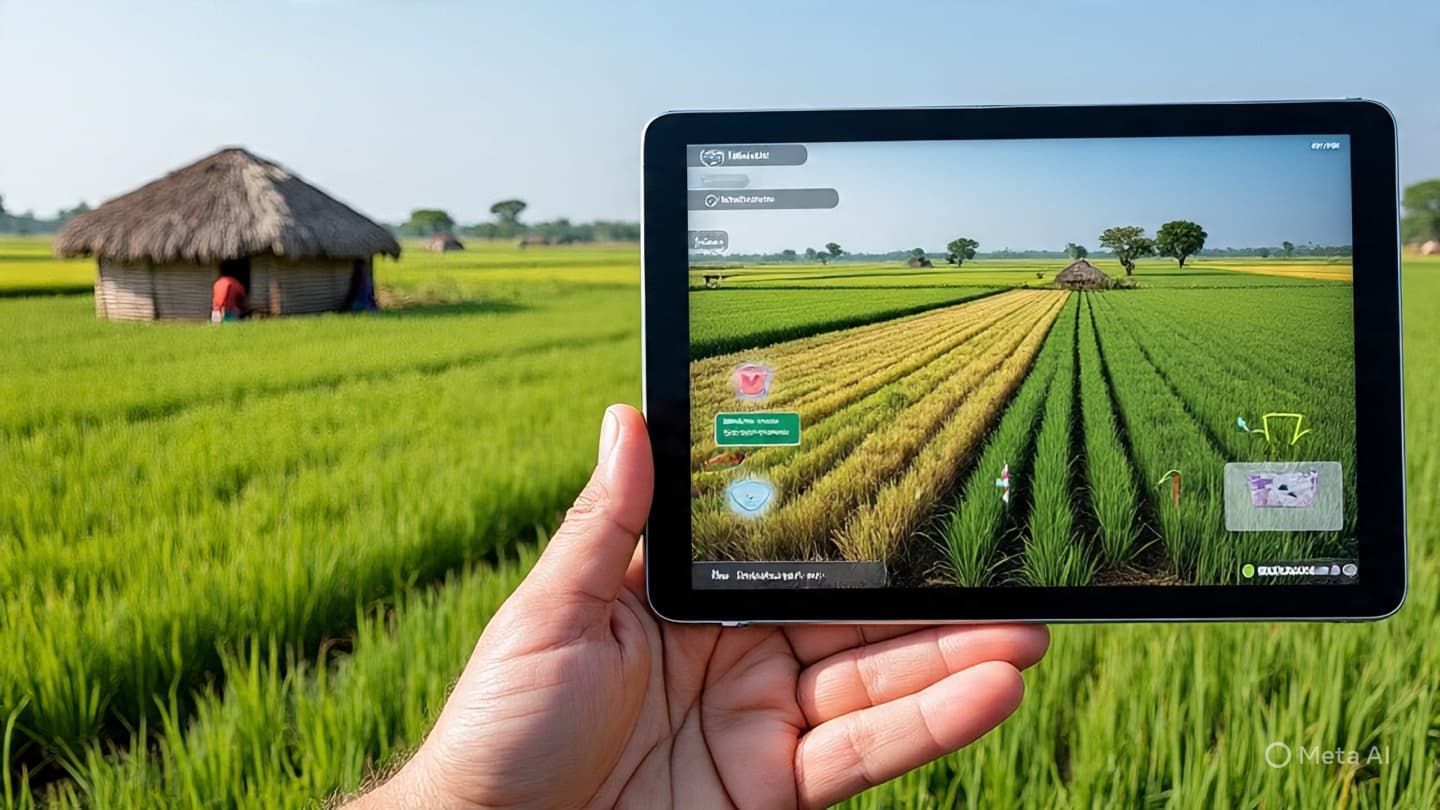
Senegal merges ancient soil with modern algorithms through a new AI partnership, empowering local farmers with real-time data to secure the nation's harvest and water future.
German physicists achieve a record-breaking milestone in plasma stability, bringing the world one step closer to the sustainable and infinite energy of nuclear fusion.