History is often written in visible traces—tools, bones, fragments of daily life. Yet, some of its most profound chapters are carried quietly within DNA. In the story of the Neanderthals, recent findings suggest a moment when survival itself narrowed to a fragile thread.
Genetic studies indicate that Neanderthal populations experienced a severe bottleneck, a period during which their numbers dropped dramatically. This reduction left a lasting imprint on their genetic diversity.
Scientists analyzing ancient DNA have found evidence that suggests only a small number of individuals contributed to later generations. Such bottlenecks can have long-term effects, limiting genetic variation and increasing vulnerability to environmental changes.
The causes of this decline are still being examined. Climate fluctuations, shifting ecosystems, and competition with other human species, including early Homo sapiens, are among the factors considered by researchers.
Despite this population decline, Neanderthals persisted for thousands of years afterward. Their ability to survive harsh conditions and adapt to diverse environments remains a subject of ongoing study.
The research also highlights how genetic data can reveal patterns not visible in the archaeological record alone. DNA provides a different lens, offering insights into population dynamics across deep time.
Importantly, traces of Neanderthal DNA continue to exist in many modern human populations, reflecting past interactions and shared ancestry.
These findings contribute to a more nuanced understanding of human evolution, emphasizing complexity rather than a simple narrative of disappearance.
Researchers continue to explore Neanderthal genetics to better understand how early human populations adapted to changing environments.
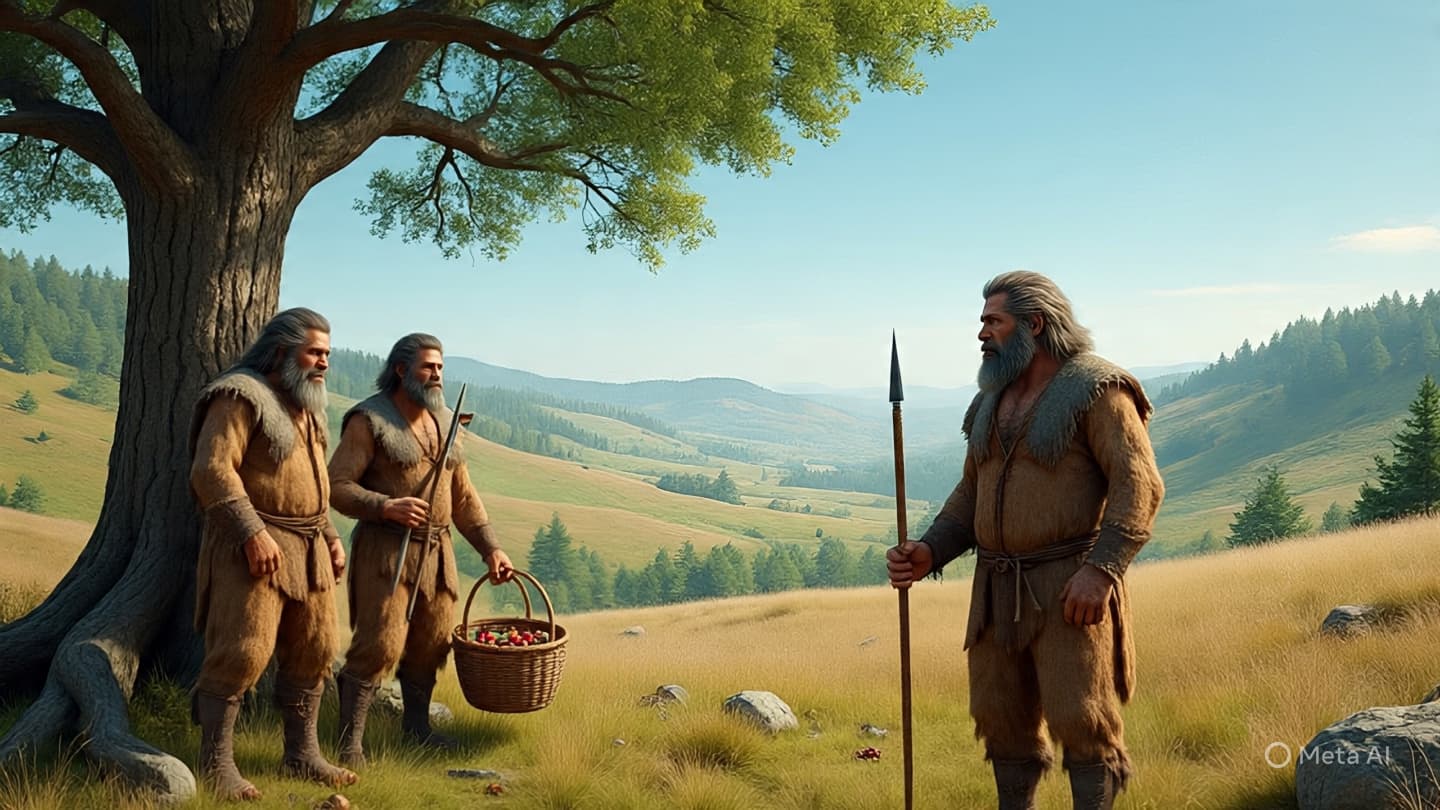
AI Image Disclaimer: Images used may include AI-generated representations of prehistoric life for illustrative context.
Sources: Nature, Science Magazine, BBC, National Geographic
Published by Banx Network. This article is part of the Banx decentralized media programme, powered by the BXE token on the XRP Ledger.