SCIENCE94% credibility
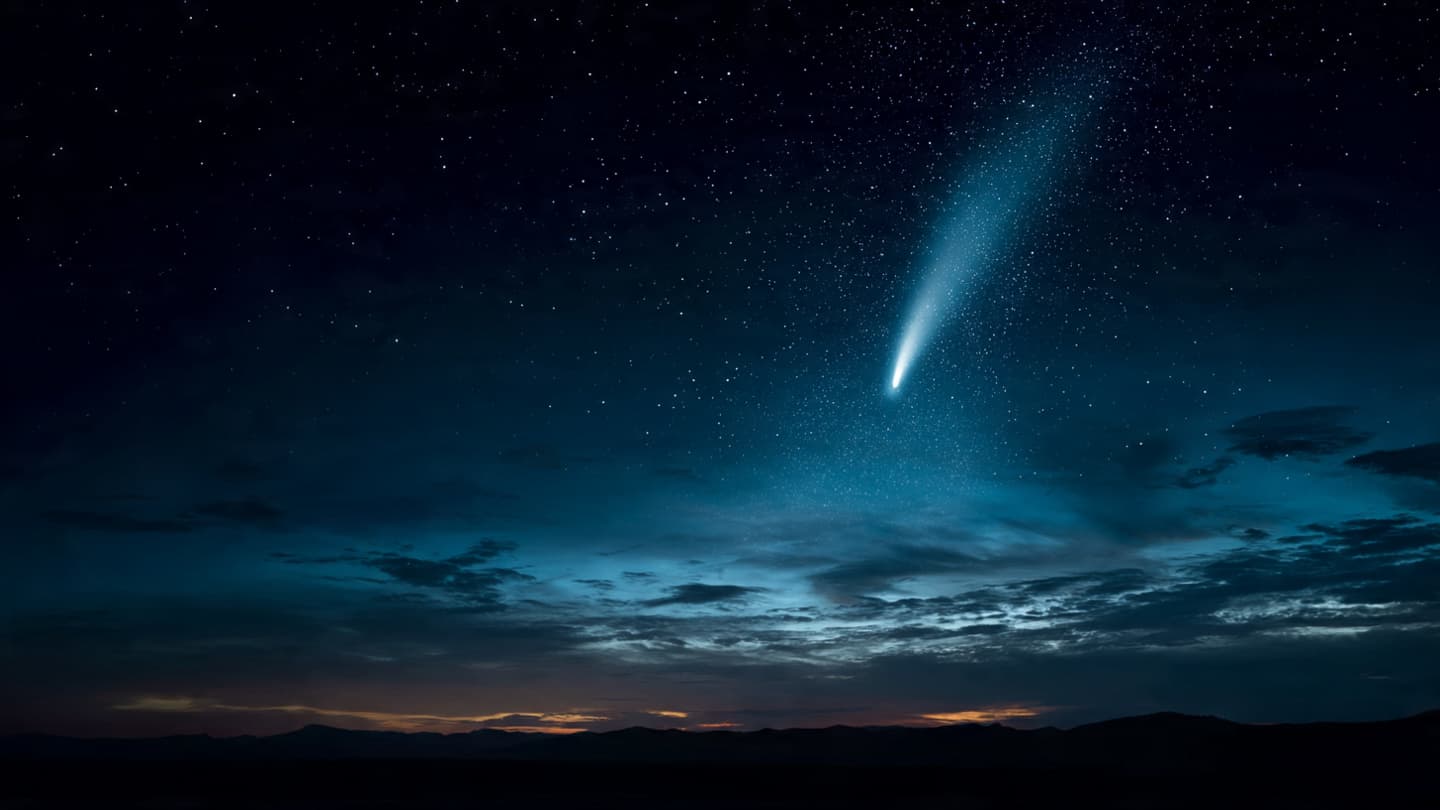
A rare celestial traveler crosses the skies above New Zealand
A rare comet C/2025 R3 is observed over New Zealand, offering insights into early solar system materials and cosmic origins.
5 min read

A rare comet C/2025 R3 is observed over New Zealand, offering insights into early solar system materials and cosmic origins.

Sharks in the Bahamas show traces of pharmaceuticals and caffeine, highlighting human chemical impact on marine ecosystems.

A shark’s biology reflects the hidden reach of modern consumption
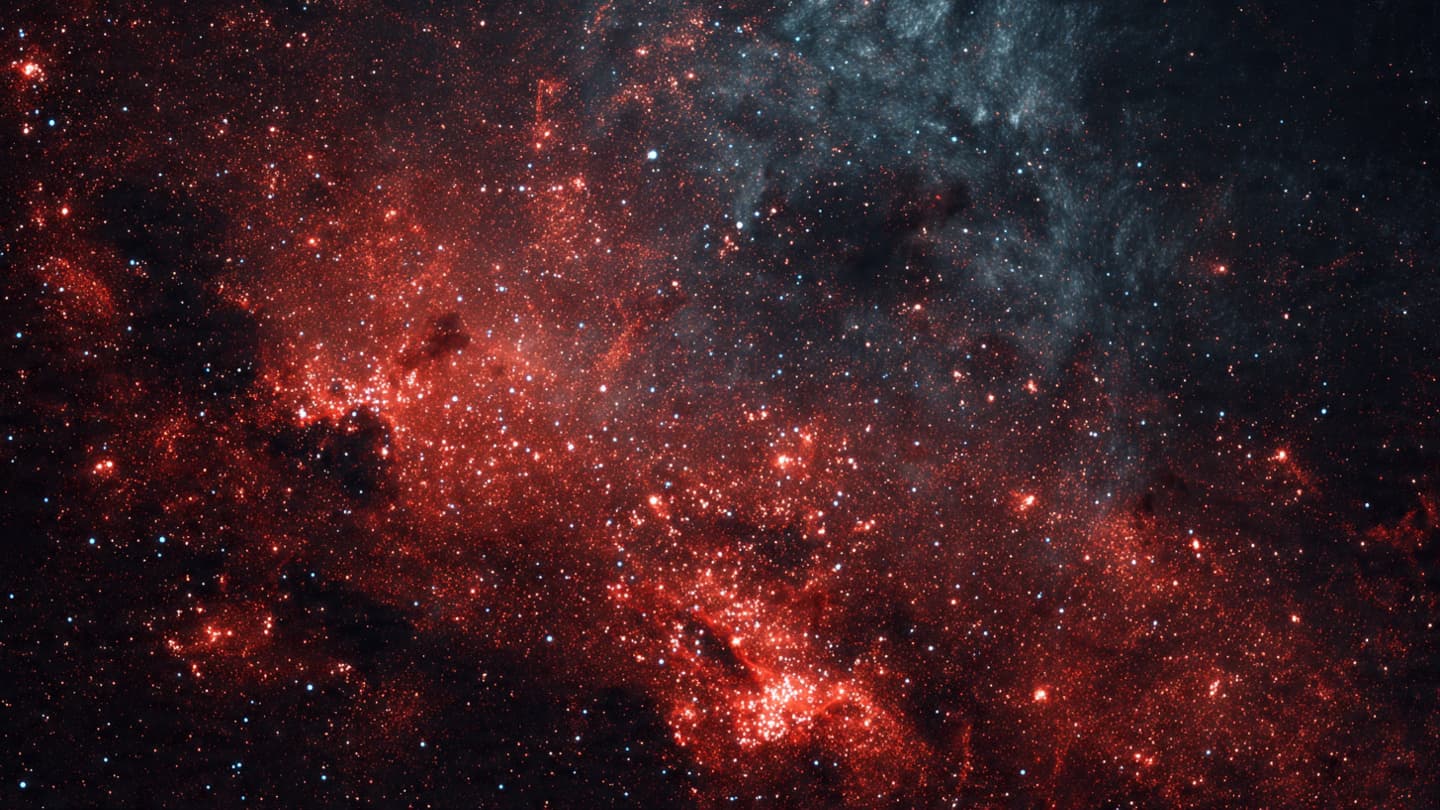
X-ray observations help explain mysterious red dots in space, suggesting energetic galactic processes may be involved.
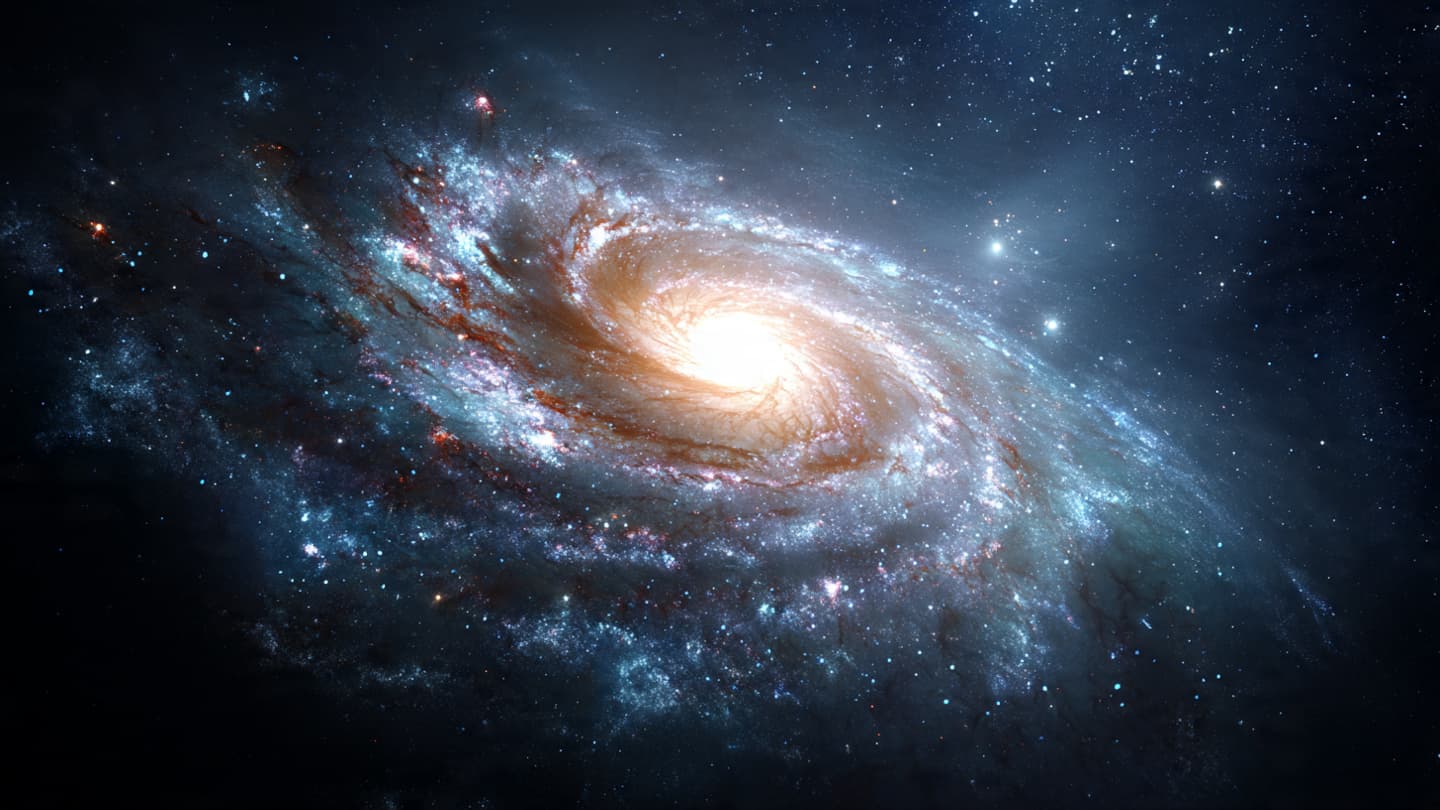
Hubble captured a detailed image of a spiral galaxy, revealing star formation and structure in a nearby cosmic neighbor.

A Cork woman admitted assault in a north Cork town, with the case proceeding through Ireland’s court system.
Scientists reveal how plants clone themselves through cellular reprogramming and genetic control mechanisms.
Astronomers confirm a massive 3.3-million-light-year radio halo around a surprisingly quiet galaxy cluster.

Antarctic ice shelves are thinning faster than expected, raising concerns about accelerated glacier flow and long-term sea level rise.
Astronomers are observing black hole jets in real time, measuring energy outputs comparable to thousands of suns and improving understanding of cosmic dynamics.
High-precision space observations continue to confirm Newton’s law of gravity remains highly accurate within its expected limits.
The Denmark Strait cataract beneath the Atlantic is a massive underwater cascade larger than Niagara Falls, driven by deep ocean currents.

Cut marks on 1.6-million-year-old bones suggest early humans may have transported and processed meat, revealing early survival behavior.
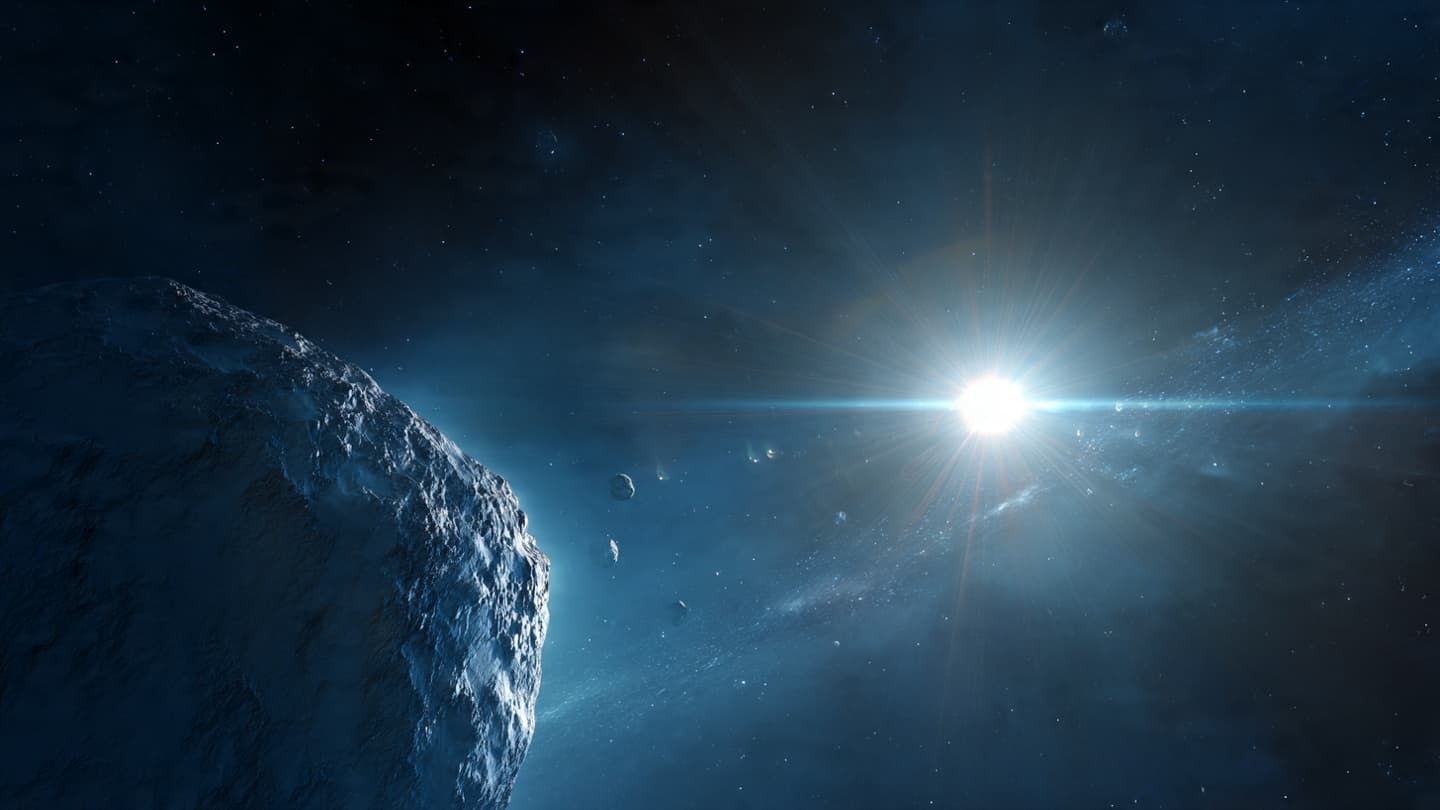
Astronomers are tracking a rare object likely from the solar system’s outer edge, offering insight into ancient or interstellar material.
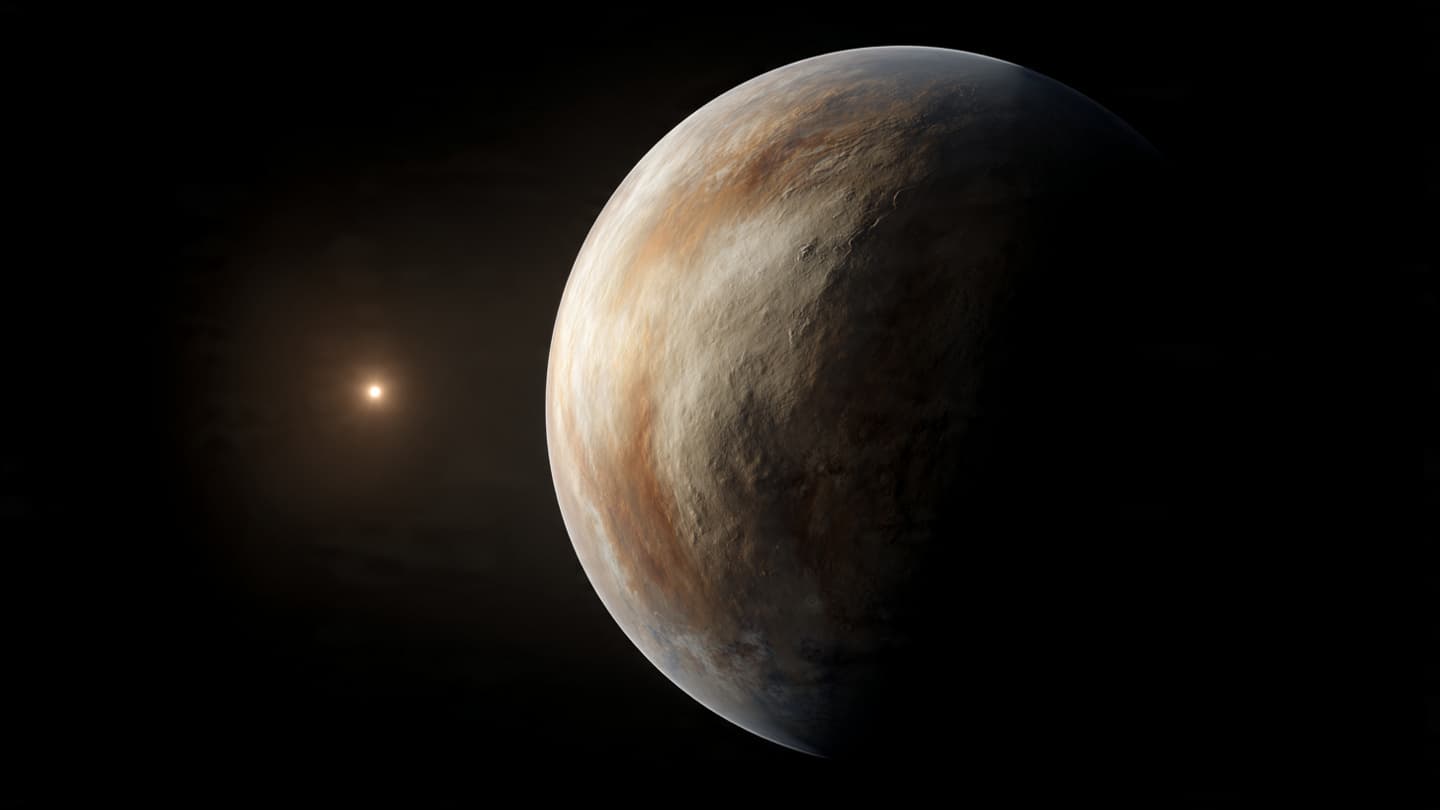
Venus’s night side shows a faint atmospheric glow, likely linked to airglow processes, but its full explanation remains unresolved.
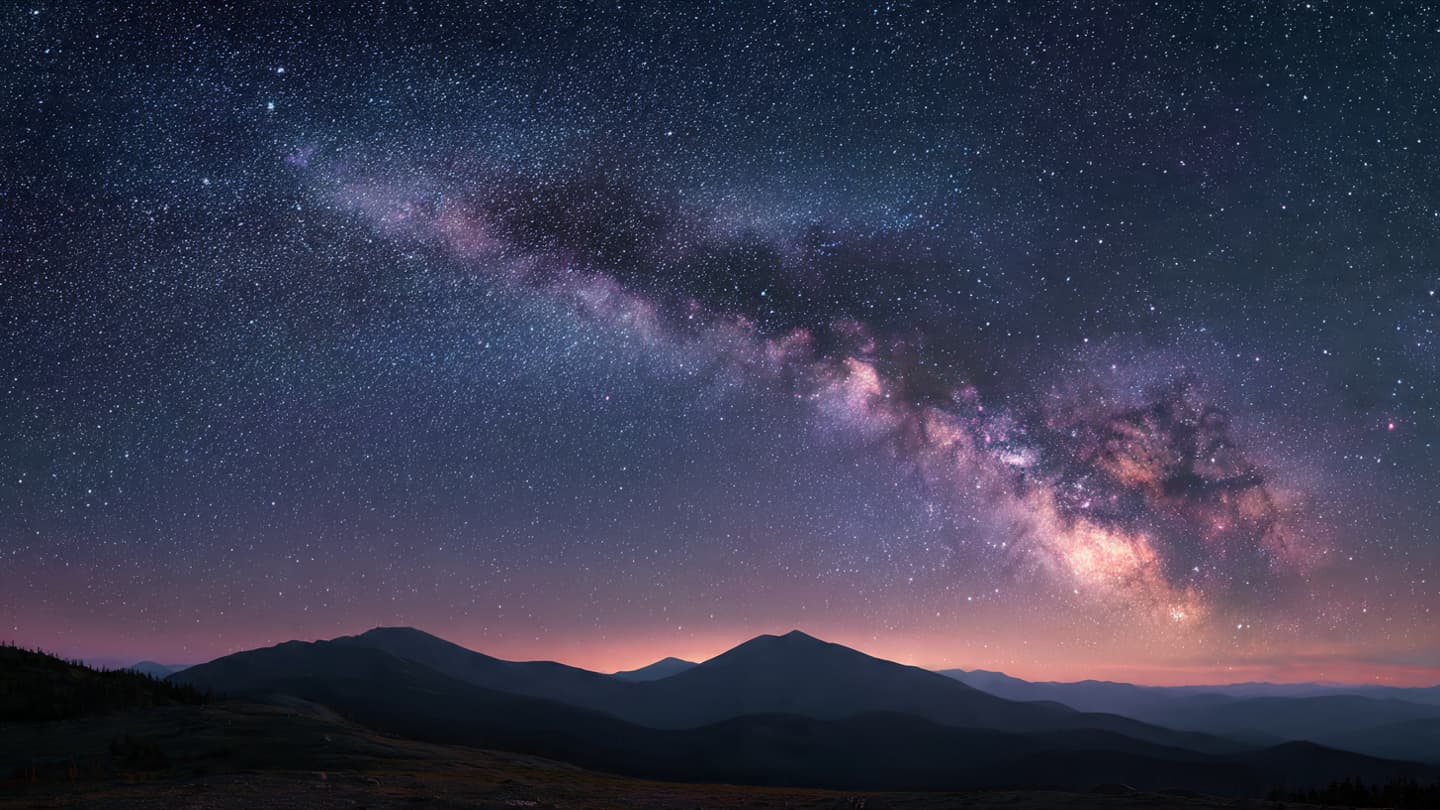
Astronomers say mid-May offers one of the best chances this year to view the Milky Way’s bright galactic core under dark skies.
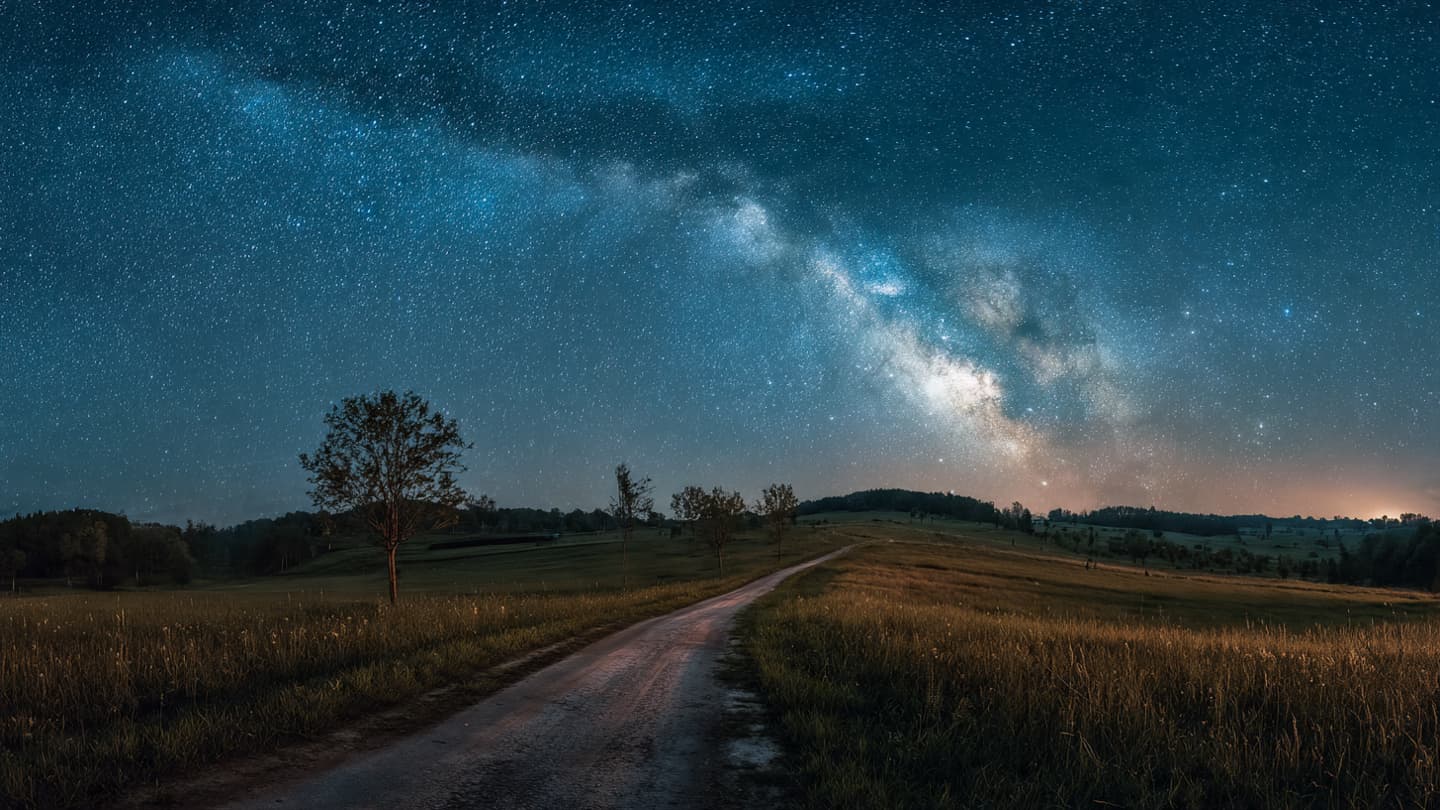
Astronomers say the final dark skies of spring begin this week, offering ideal conditions to view stars, constellations, and the Milky Way.
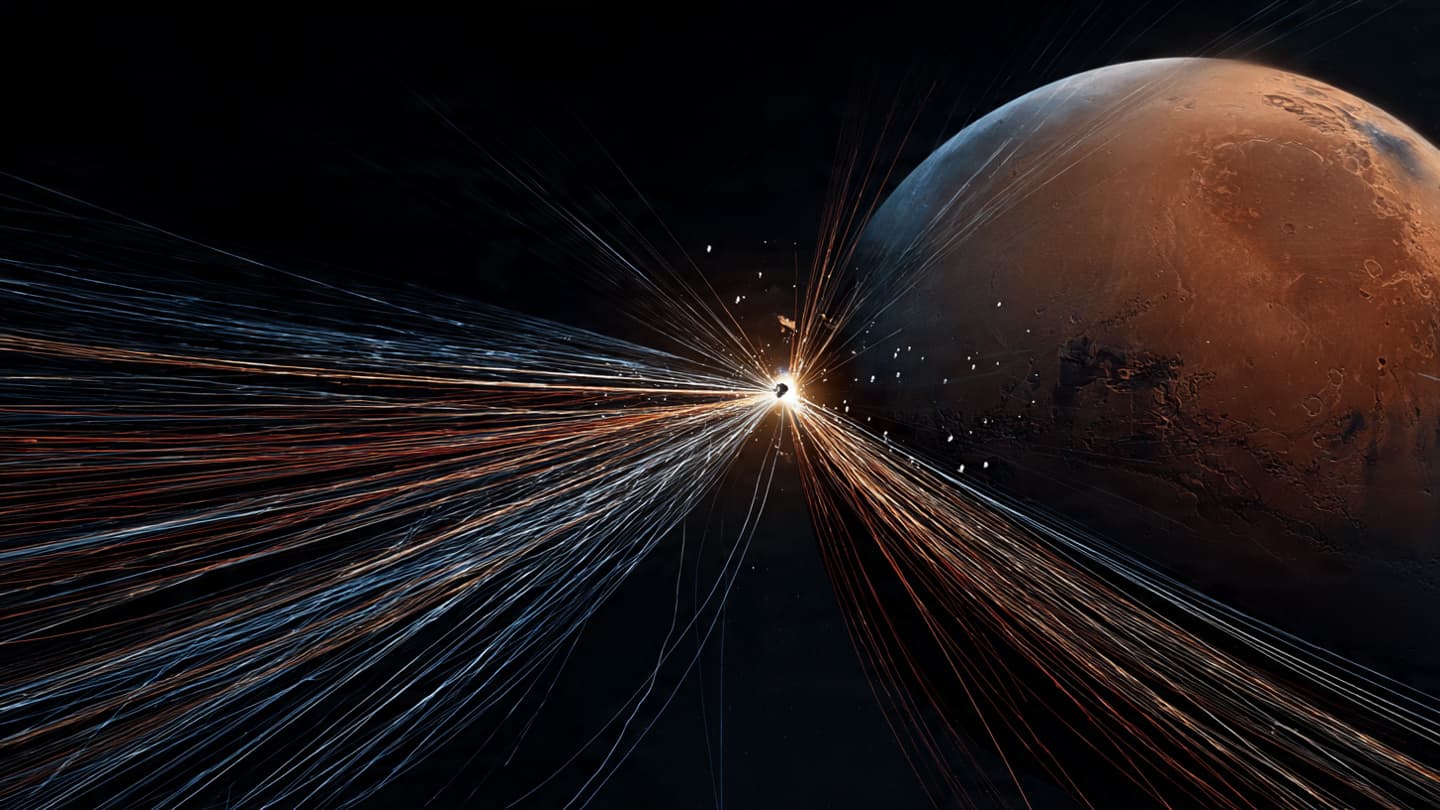
NASA’s Psyche mission will use a Mars flyby to adjust its trajectory toward a metal-rich asteroid target.
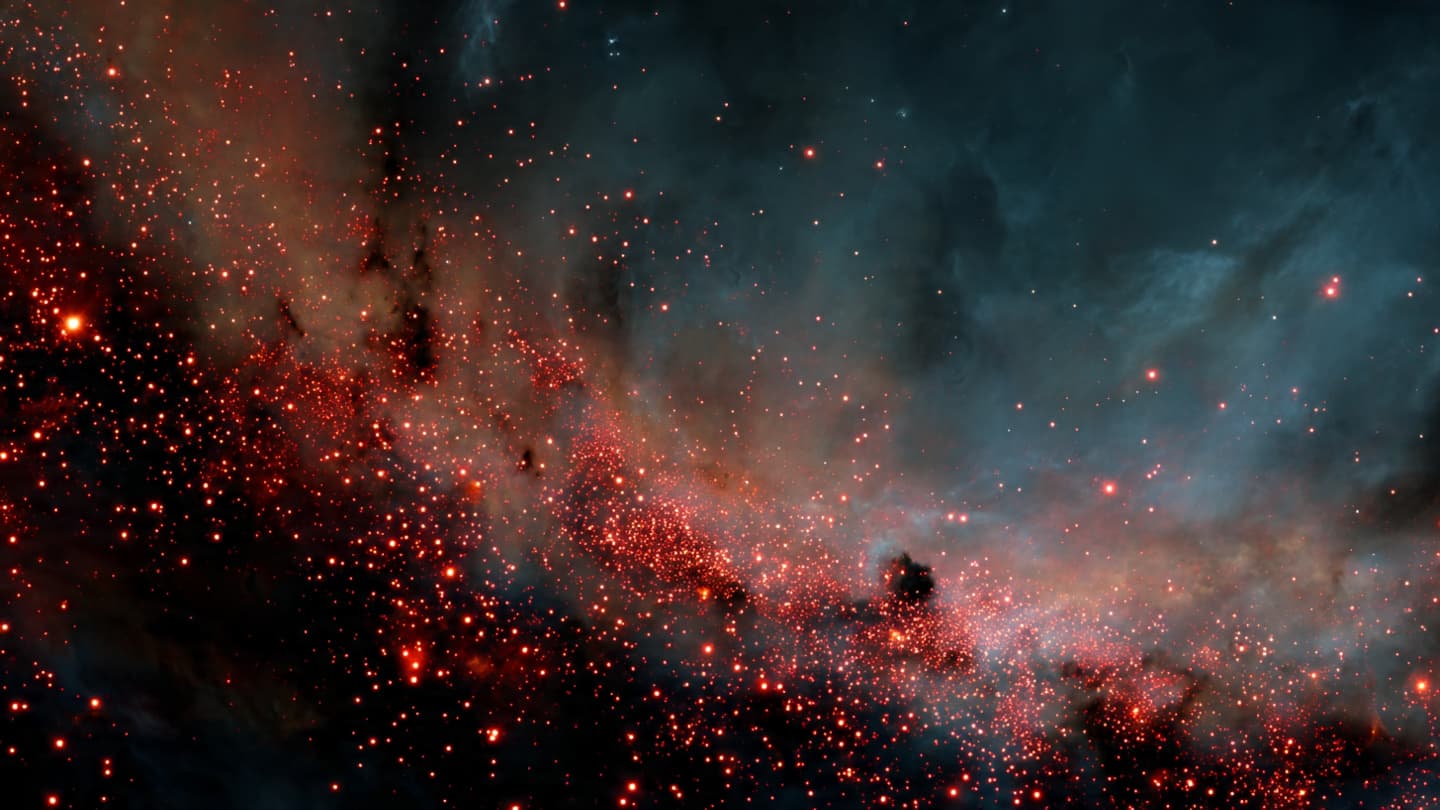
James Webb telescope observations of a black hole may help explain mysterious “little red dots” in the early universe.
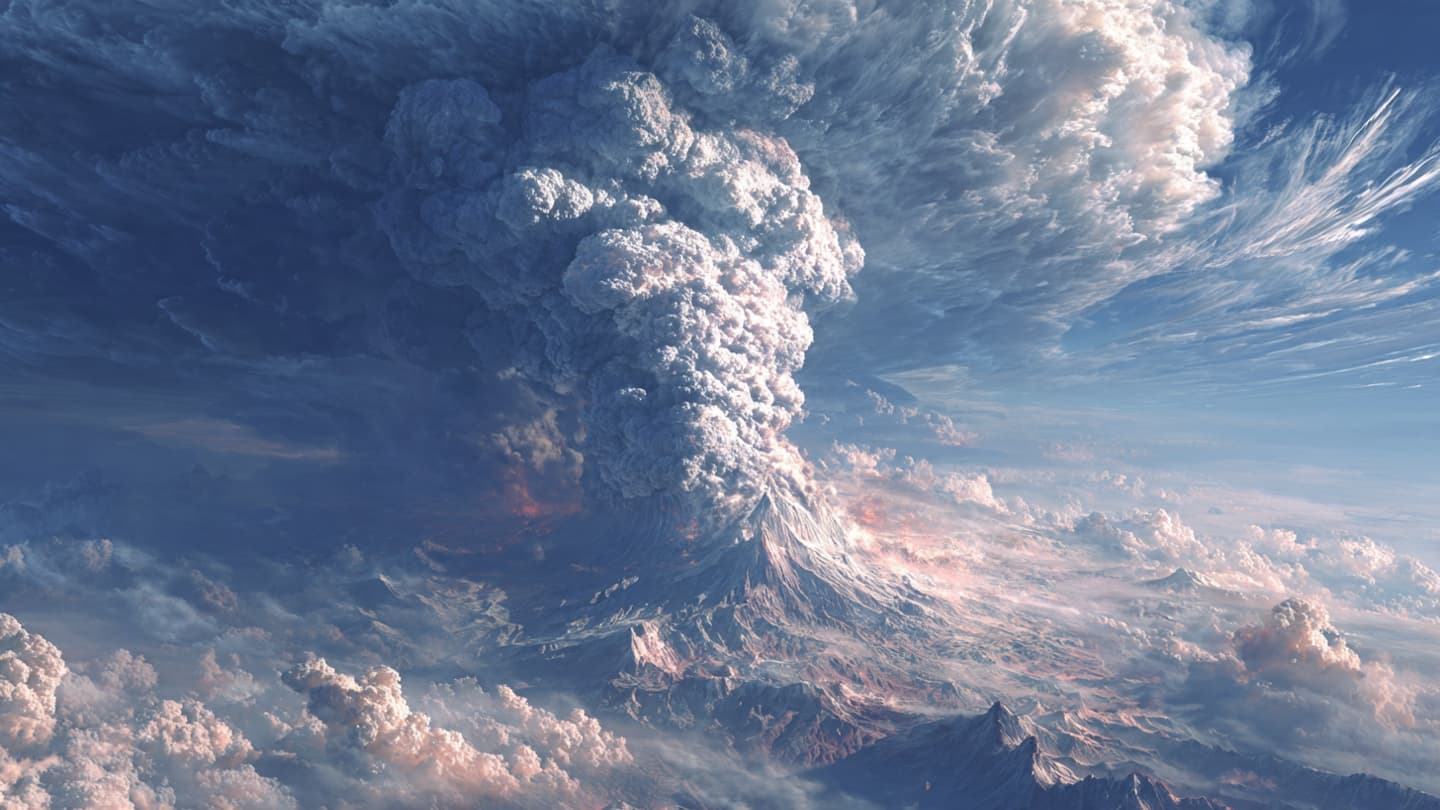
Volcanic plume may accelerate methane breakdown in atmosphere, offering new insights into complex climate chemistry.

ESA and JAXA form a joint planetary defense effort to improve asteroid detection and global preparedness systems.

NASA telescope rescue mission advances after successful testing milestone, signaling improved space recovery techniques.

Scientists observed a distant galaxy 45 million light-years away where a black hole actively consumes surrounding matter, revealing extreme cosmic processes.

Scientists continue debating fundamental cosmic concepts, exploring whether key elements of the universe may require revised understanding.