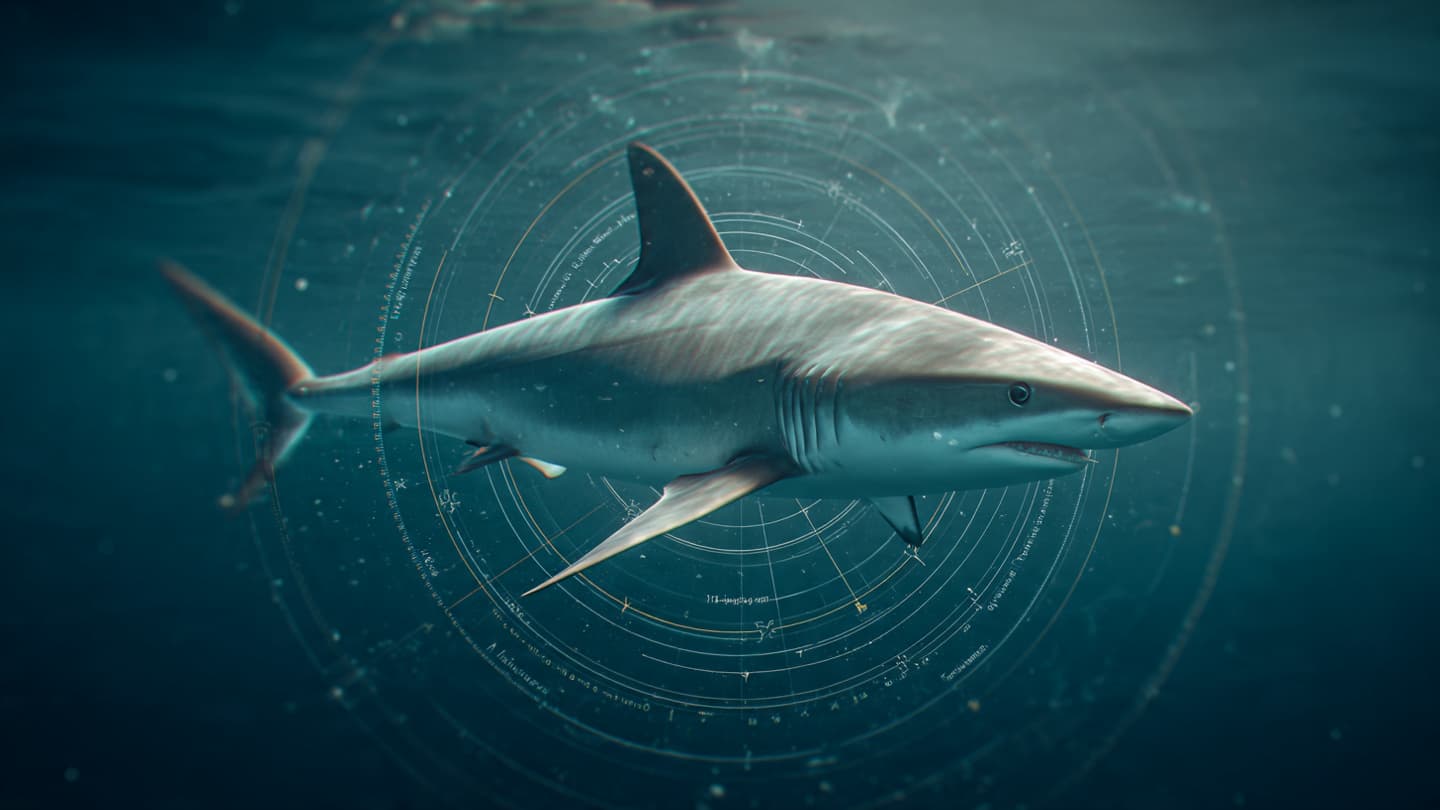
The ocean is often imagined as vast and distant, untouched by human presence. Yet scientific findings increasingly suggest that even its most remote inhabitants carry traces of human activity within their bodies.
Recent research involving sharks in the Bahamas has detected the presence of pharmaceutical compounds and caffeine in tissue samples. These substances are believed to enter marine ecosystems through wastewater discharge and coastal runoff.
Once in the ocean, these compounds disperse widely, eventually entering the food chain. As apex predators, sharks can accumulate trace substances through bioaccumulation over time.
Scientists note that the concentrations found are low and not immediately harmful based on current evidence. However, the long-term ecological implications remain uncertain and require further study.
Marine ecosystems are highly sensitive to chemical changes, even at micro levels. Subtle disruptions can influence behavior, reproduction, and broader ecological balance.
Researchers are now expanding monitoring programs to better understand how modern chemical compounds interact with marine life. The goal is to map not only presence but also biological impact over time.
This discovery also raises questions about wastewater treatment systems and their ability to filter increasingly complex chemical mixtures found in modern societies.
The presence of human-derived substances in marine life serves as a quiet reminder that environmental boundaries are more interconnected than they appear.
AI Image Disclaimer: All images are AI-generated for editorial illustration purposes.
Sources (source verification check): Science News, NOAA Marine Studies, Nature Ecology, Bahamas Marine Research Institute, ScienceDaily
Published by Banx Network. This article is part of the Banx decentralized media programme, powered by the BXE token on the XRP Ledger.