Space missions often unfold like carefully written paths across vast emptiness, yet even these paths are shaped by the quiet pull of planets along the way. A brief encounter can become a defining moment in a journey measured in years.
The is preparing for a trajectory adjustment involving a close approach to Mars, a maneuver designed to refine its long-term path toward its primary target—a metal-rich asteroid in the main asteroid belt.
This flyby is not accidental but part of a calculated navigation strategy that uses planetary gravity to conserve fuel and adjust speed. Such maneuvers, known as gravity assists, are essential tools in deep space exploration.
During the Mars encounter, the spacecraft’s trajectory will be subtly altered, allowing mission planners to optimize its arrival conditions at the Psyche asteroid. These adjustments help ensure scientific instruments are positioned for maximum effectiveness upon arrival.
The mission itself aims to study a unique asteroid believed to be composed largely of metal, potentially offering insight into the exposed core of an early planetary body. Understanding such objects helps scientists piece together how planets like Earth formed over time.
The Mars flyby represents one of several carefully timed steps in a long journey, where precision and timing are critical. Even small gravitational influences can produce significant changes over interplanetary distances.
Engineers continuously monitor spacecraft performance to ensure that each maneuver aligns with mission objectives, balancing fuel efficiency, trajectory accuracy, and scientific goals.
The upcoming Mars encounter will refine the Psyche mission’s trajectory, demonstrating how even brief planetary interactions can shape the success of long-duration space exploration efforts.
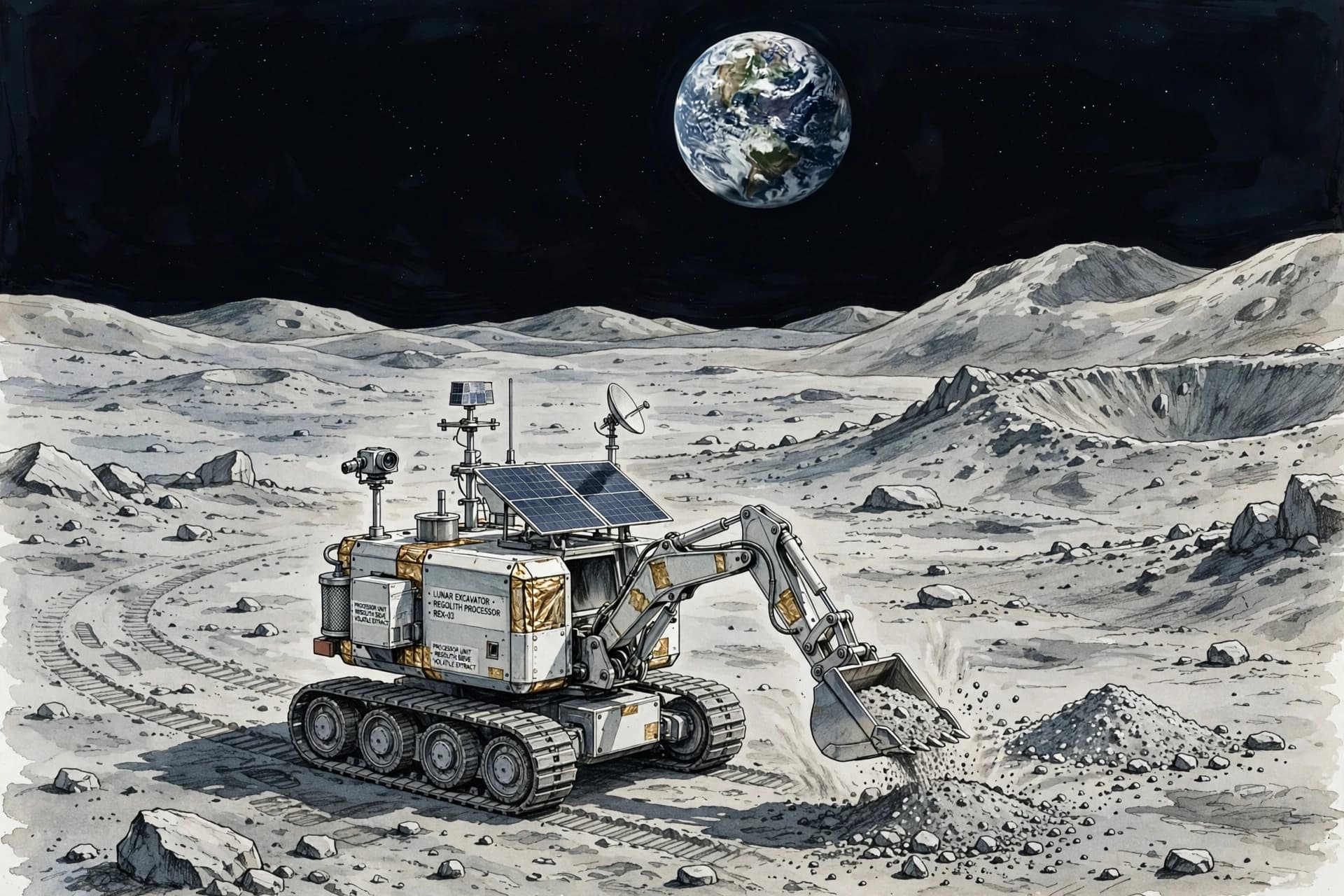
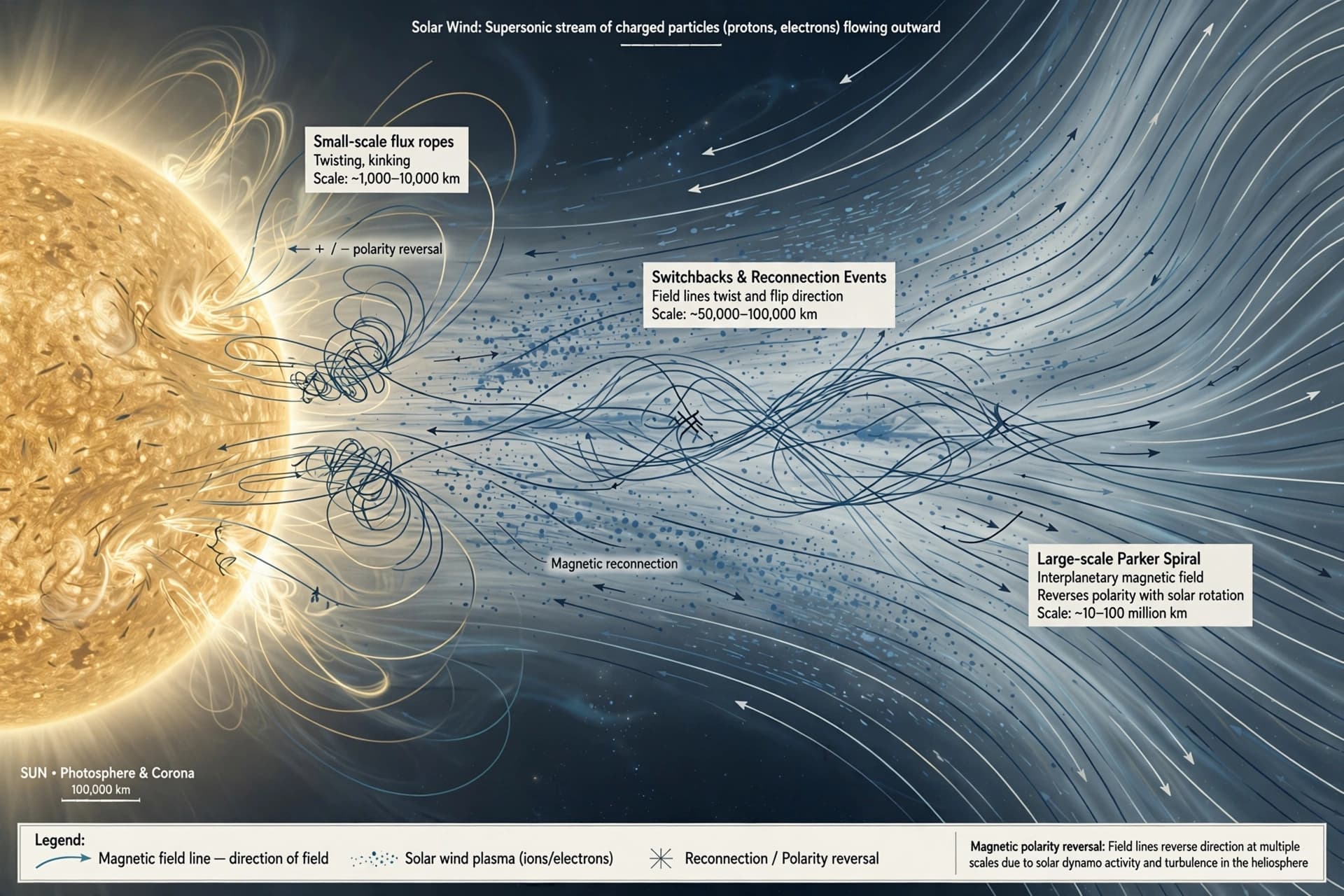
AI Image Disclaimer: All visual representations in this article are AI-generated conceptual illustrations intended for editorial storytelling.
Sources: NASA, Jet Propulsion Laboratory (JPL), Space.com, Scientific American
Published by Banx Network. This article is part of the Banx decentralized media programme, powered by the BXE token on the XRP Ledger.