When Stability Holds in an Unstable Energy World
The U.S. economy demonstrates resilience despite energy market volatility, supported by strong demand, stable labor conditions, and adaptive business activity.

The U.S. economy demonstrates resilience despite energy market volatility, supported by strong demand, stable labor conditions, and adaptive business activity.

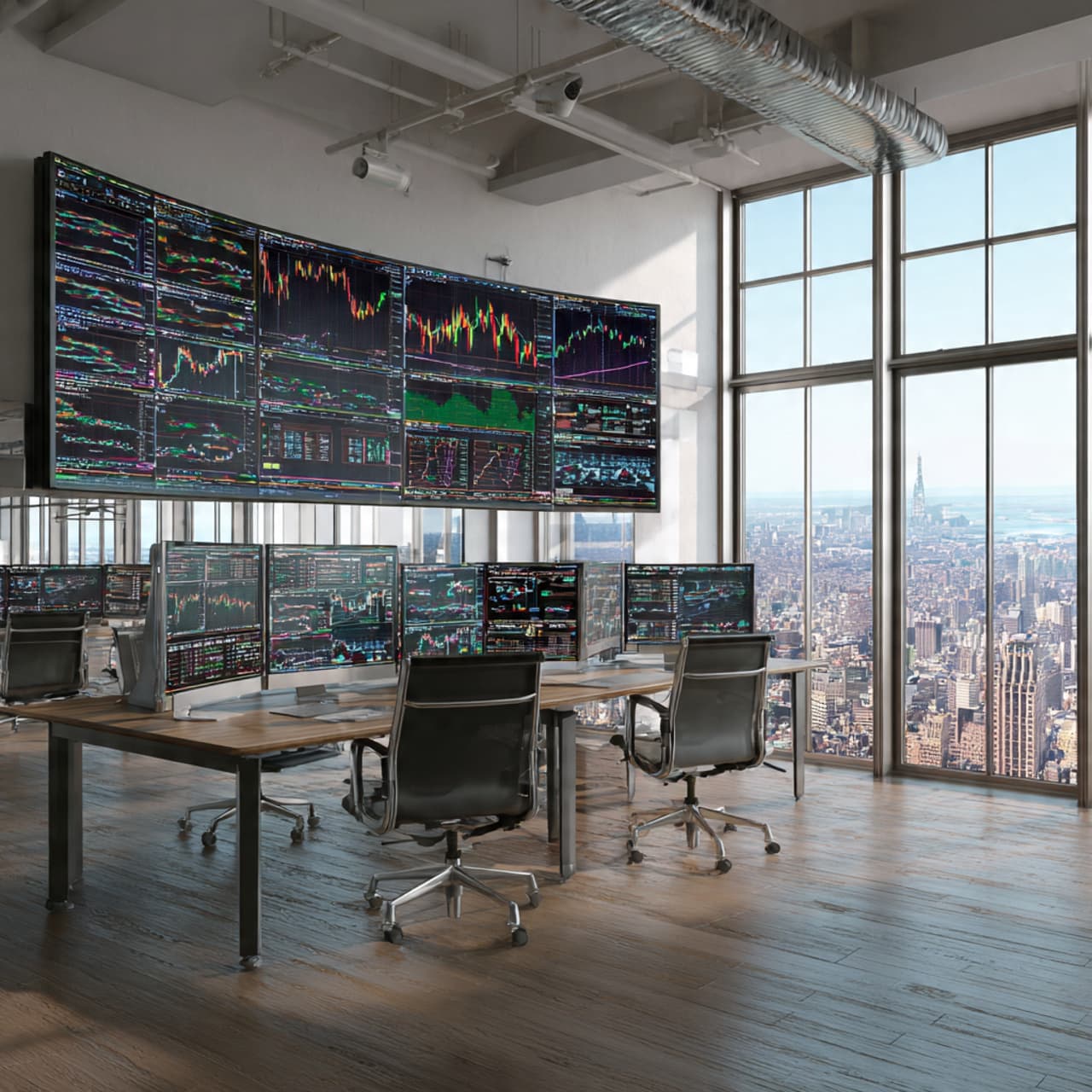
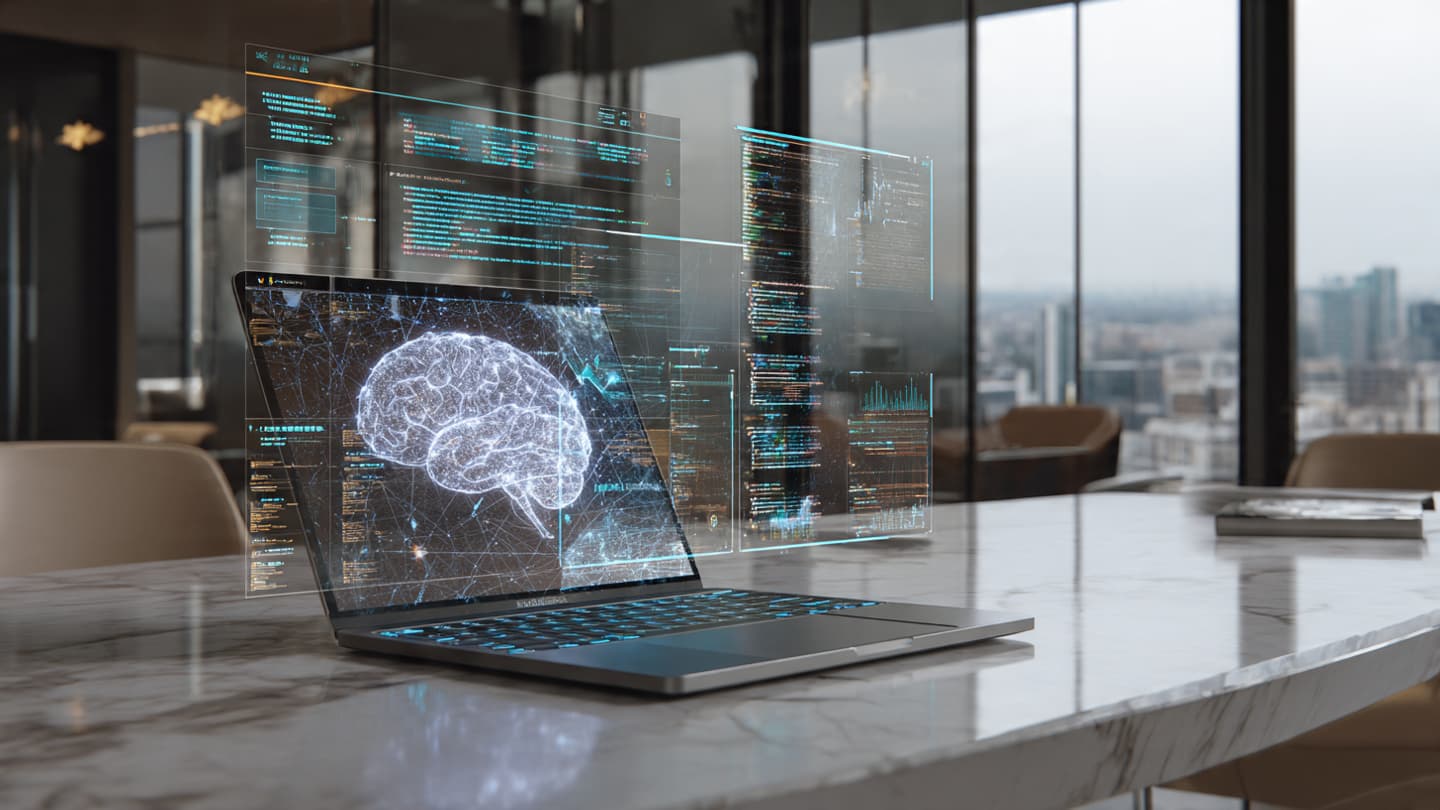
U.S. tech companies are accelerating investment in AI infrastructure, driving rapid expansion in data centers, computing power, and cloud ecosystems.

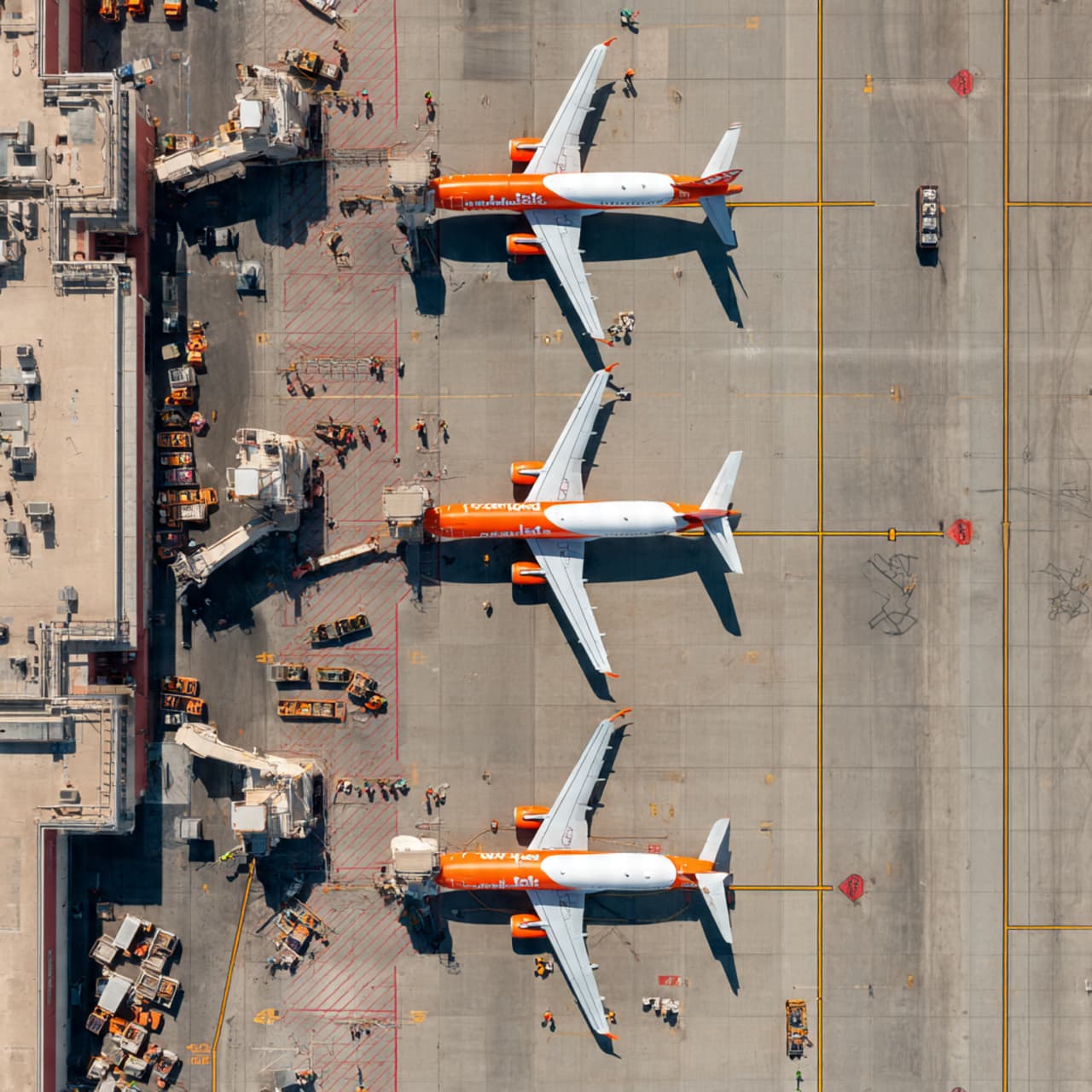
Alaska Air reports strong travel demand despite rising fuel costs, highlighting resilience in passenger aviation amid ongoing cost pressures

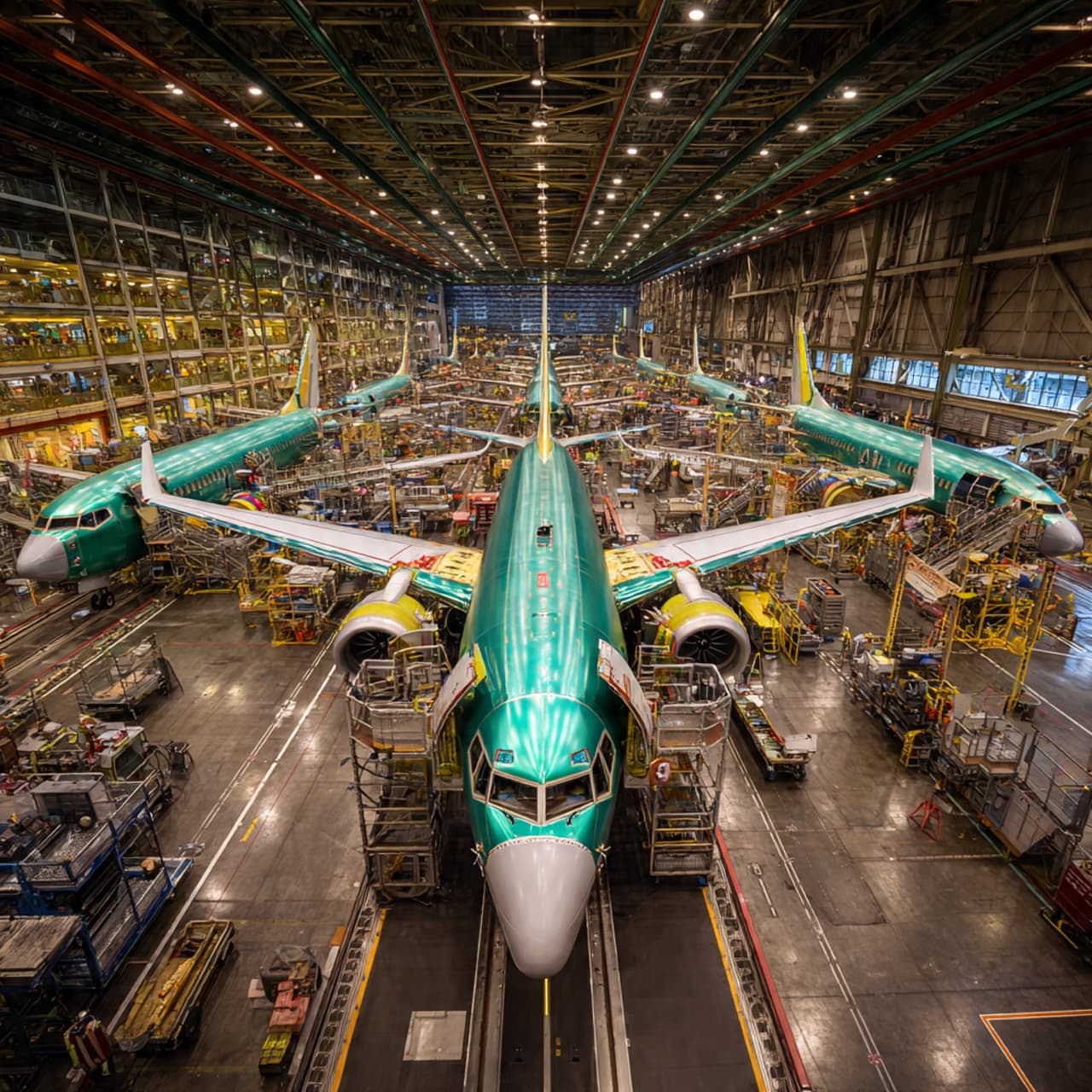
Boeing is evaluating increased 737 MAX production as demand strengthens, while continuing to manage ongoing supply-chain and manufacturing challenges.

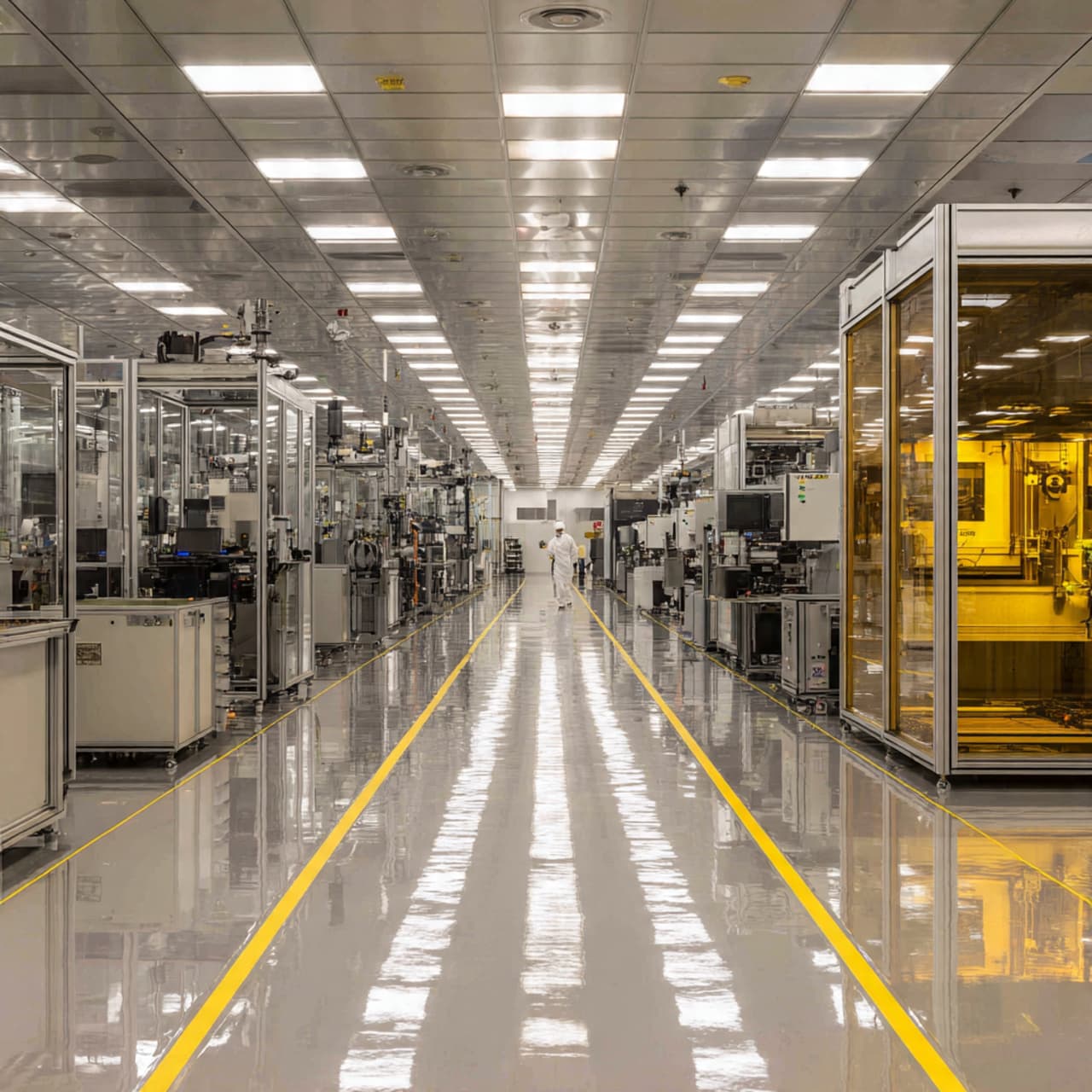
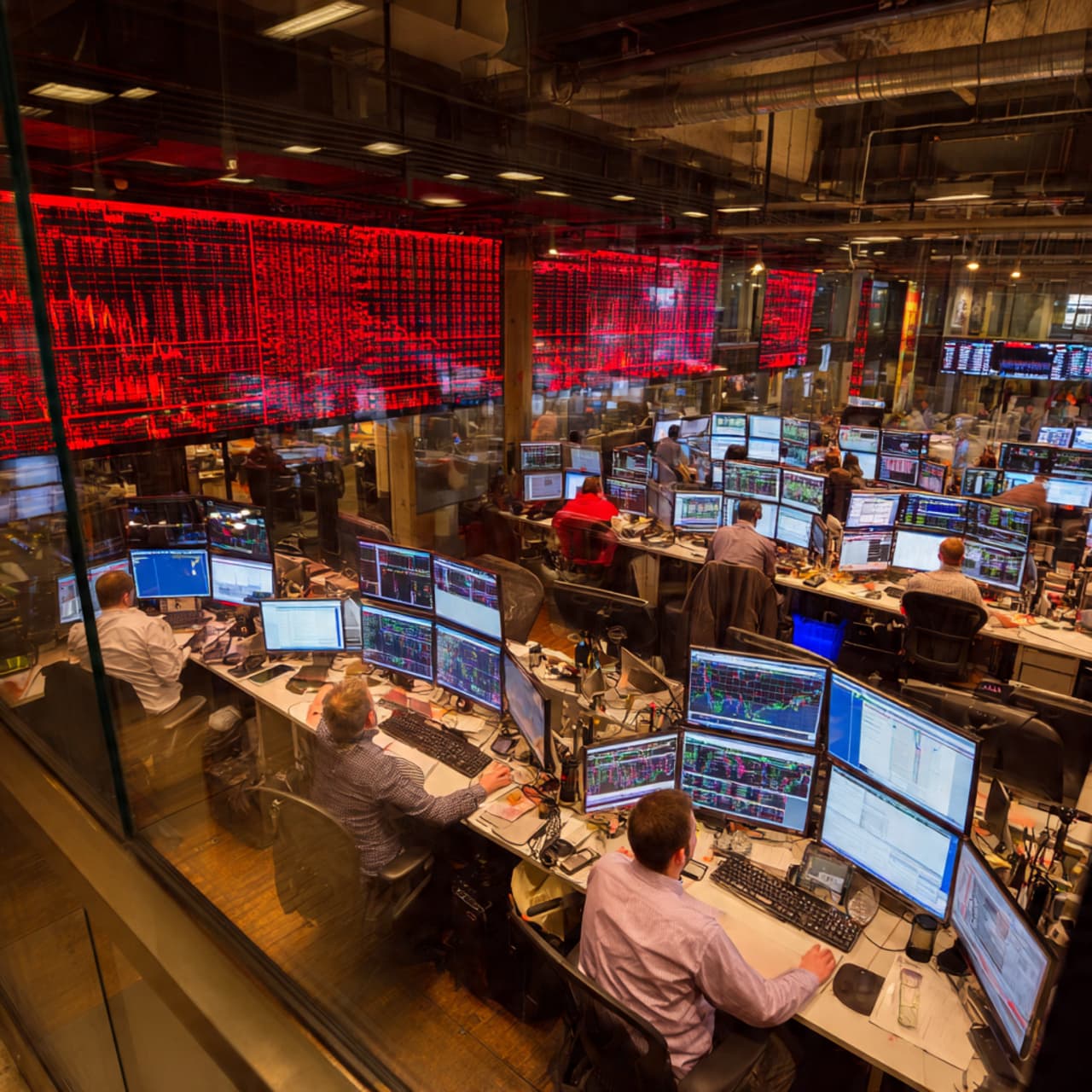
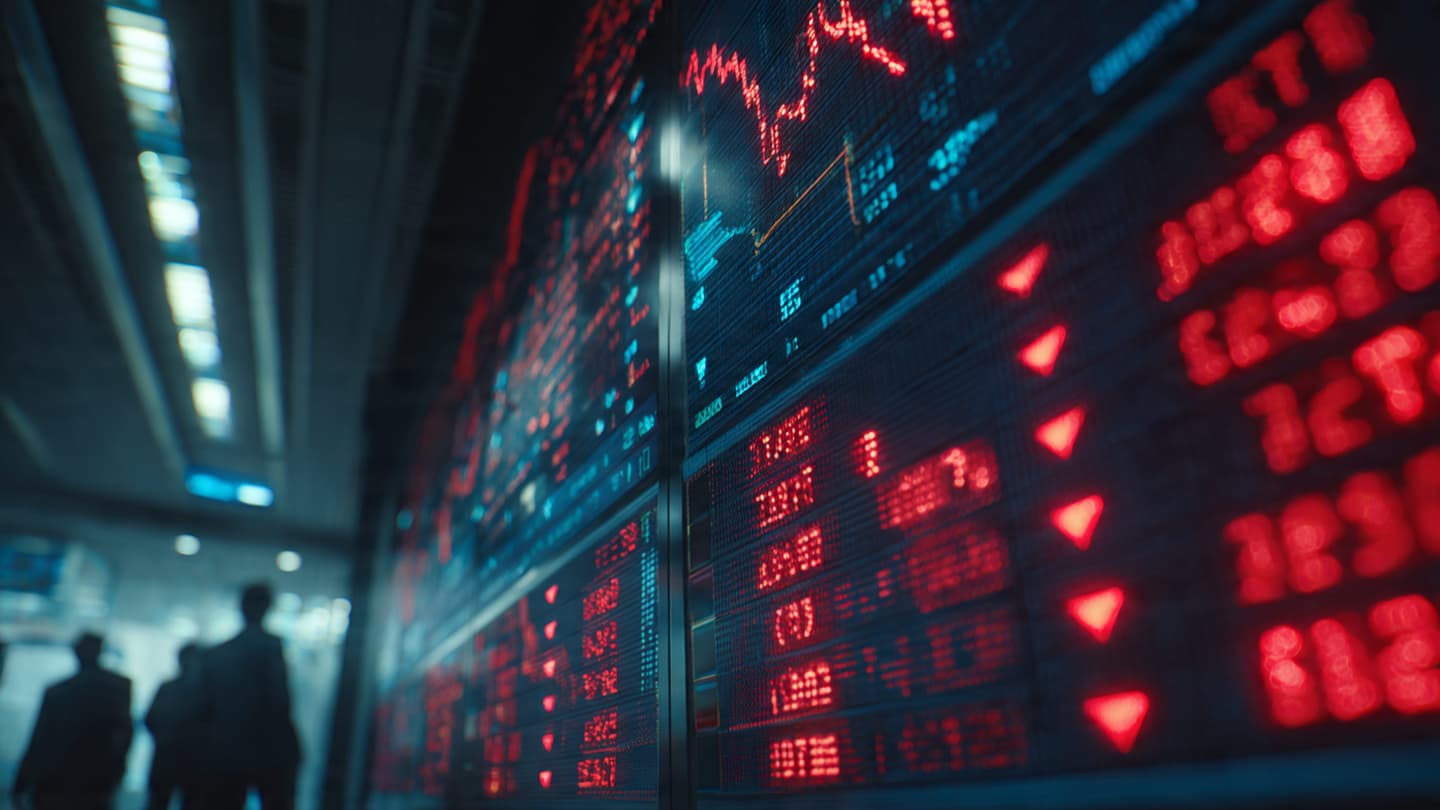
A major selloff in semiconductor stocks erased over $1 trillion in market value, reflecting volatility in global tech and AI-driven demand expectations.

Robust employment data reinforces confidence in the U.S. economy while prompting investors to reconsider expectations regarding future interest-rate cuts.

Alphabet's massive capital raise highlights the growing demand for AI infrastructure as technology companies invest heavily in data centers and advanced computing systems.

Despite volatility in global energy markets, the U.S. economy continues showing resilience through steady business activity, employment growth, and consumer demand.

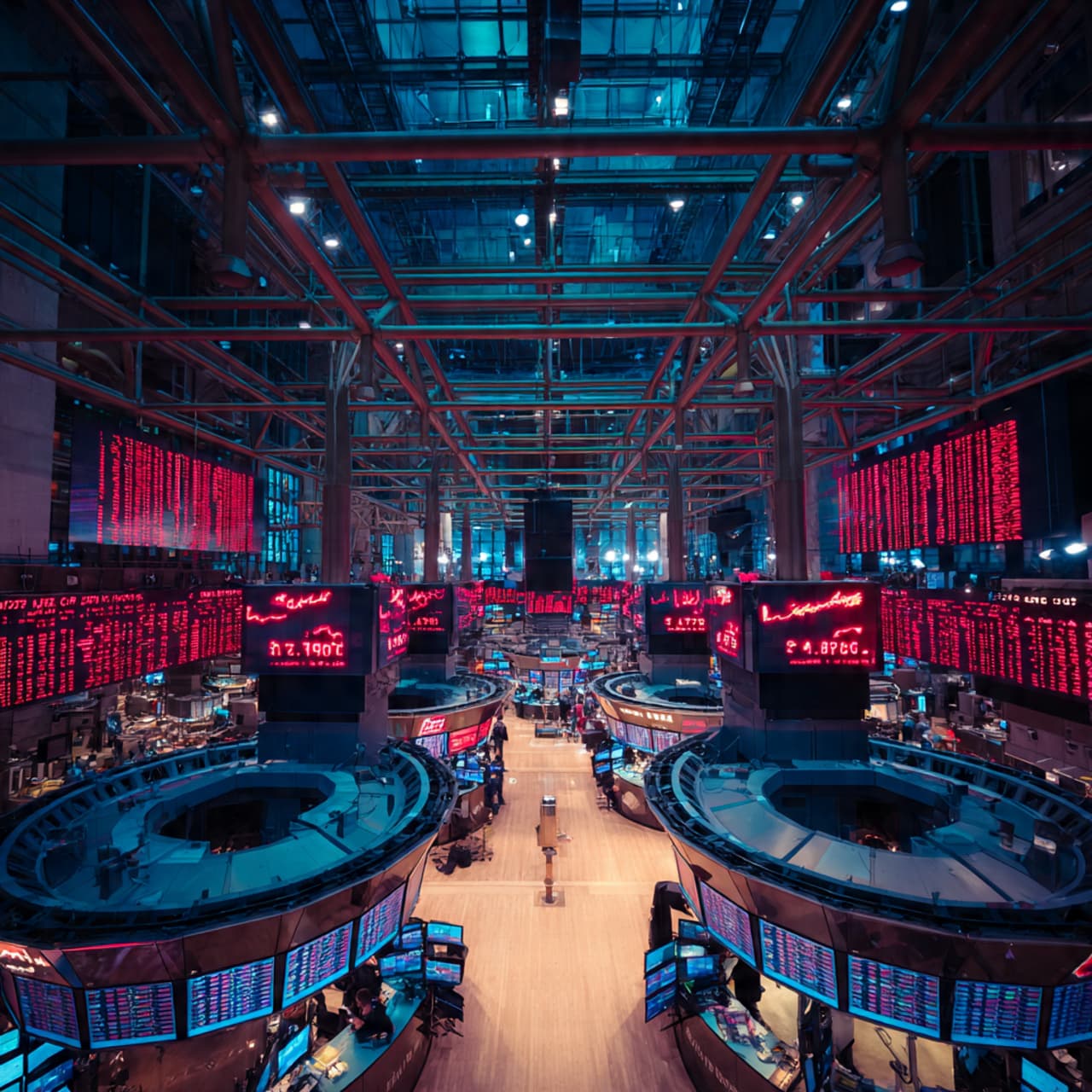
Technology stocks led a wider market decline as investors reassessed valuations, interest-rate expectations, and future growth prospects.

Technology stocks and broader markets faced selling pressure as investors reassessed economic risks

Robust U.S. employment data has reinforced confidence in the economy while prompting investors to reconsider expectations for future interest-rate cuts.

Strong U.S. employment figures and rising airline fuel costs are creating a complex economic environment, balancing growth optimism with concerns over inflation and operating expenses.

Strong labor data, rising airline fuel costs, and investor enthusiasm for SpaceX reveal an

Peter Thiel’s early Facebook investment turned a $500,000 bet into one of Silicon Valley’s most legendary venture-capital success stories.

Bahrain activated air raid sirens after Iranian missiles and drones were reportedly launched toward Gulf states, intensifying regional security concerns.

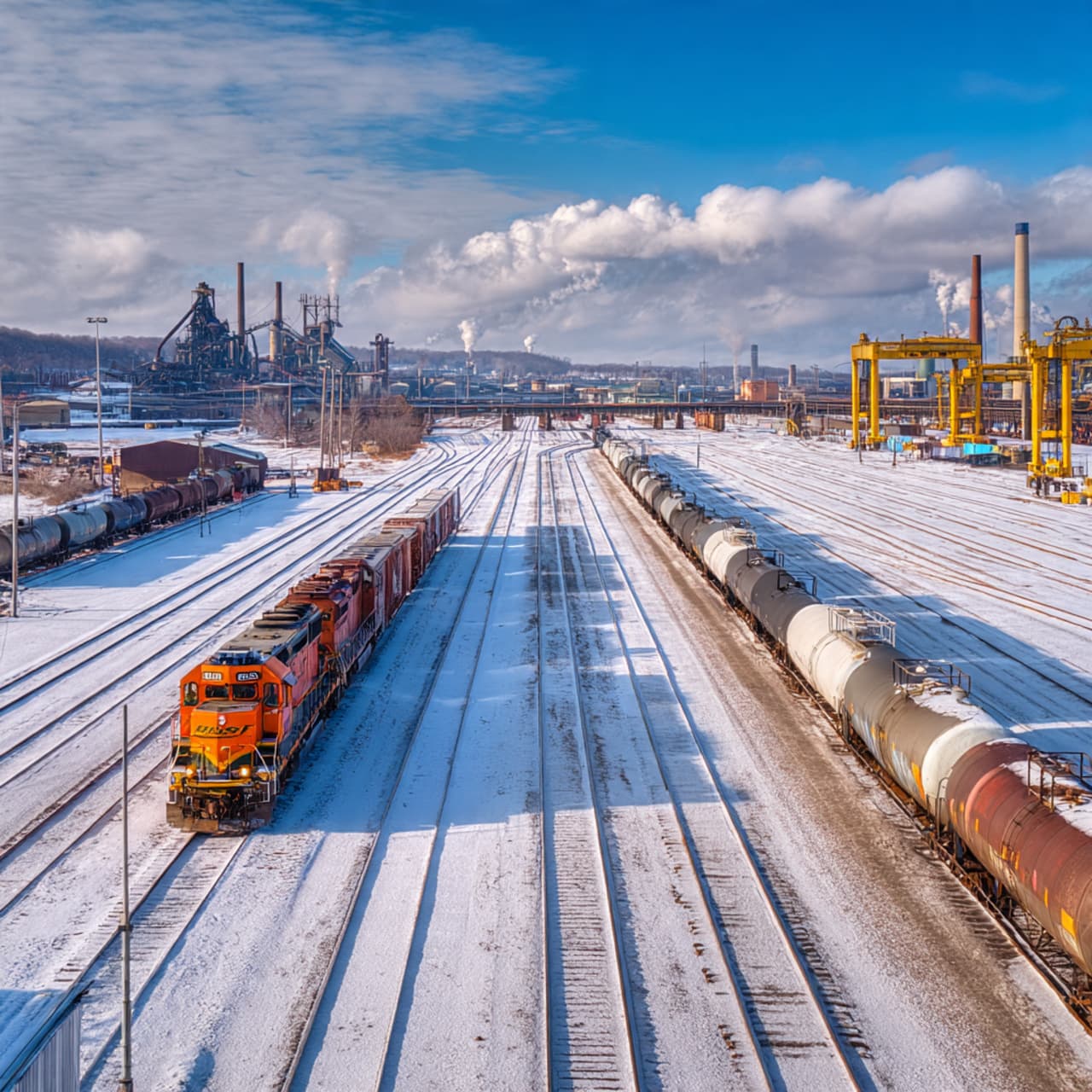
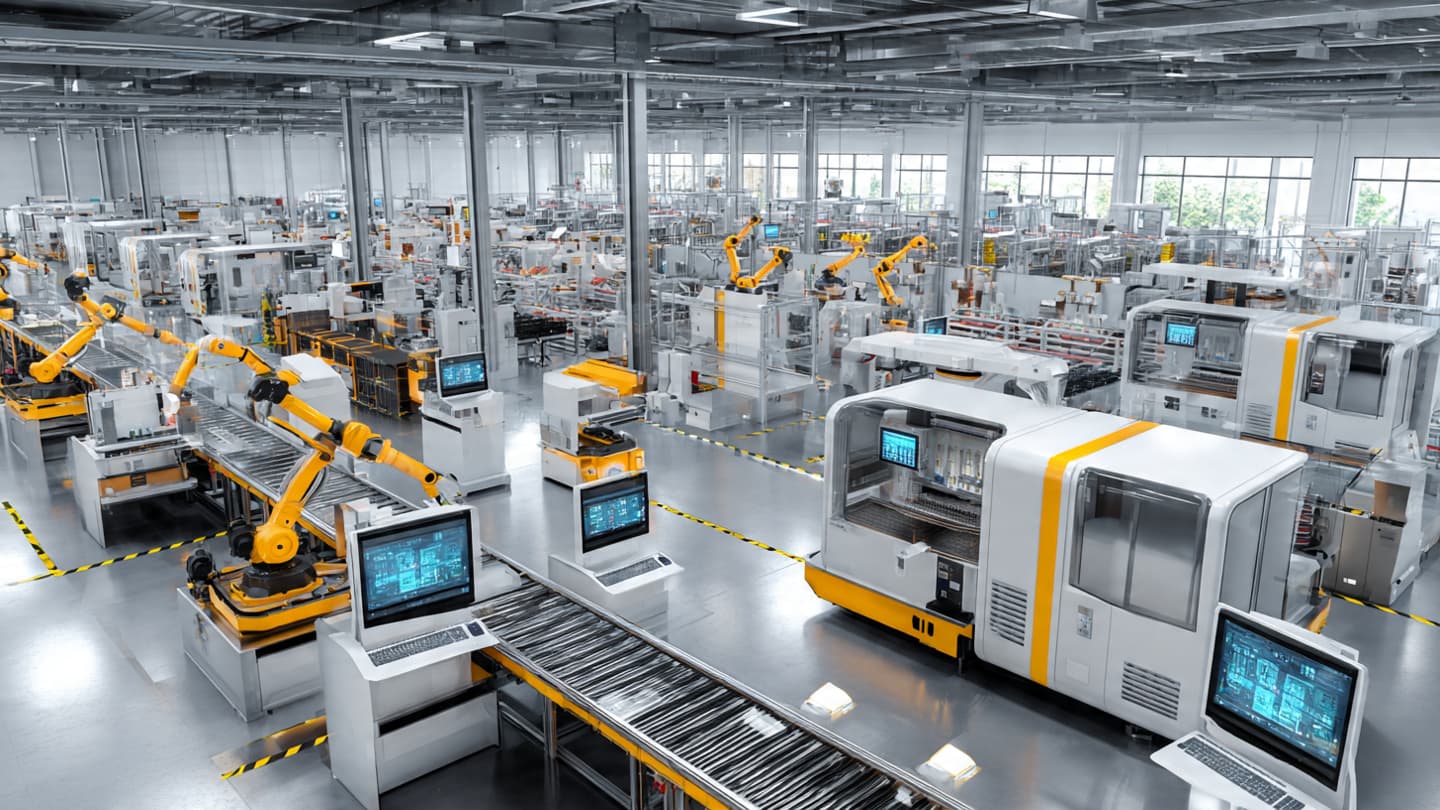
U.S. manufacturing activity has moderated in recent months, but investment in new facilities, technology, and industrial infrastructure continues across the country.

Artificial intelligence is playing a growing role in recruitment, helping employers process applications while raising questions about transparency, fairness, and human oversight.

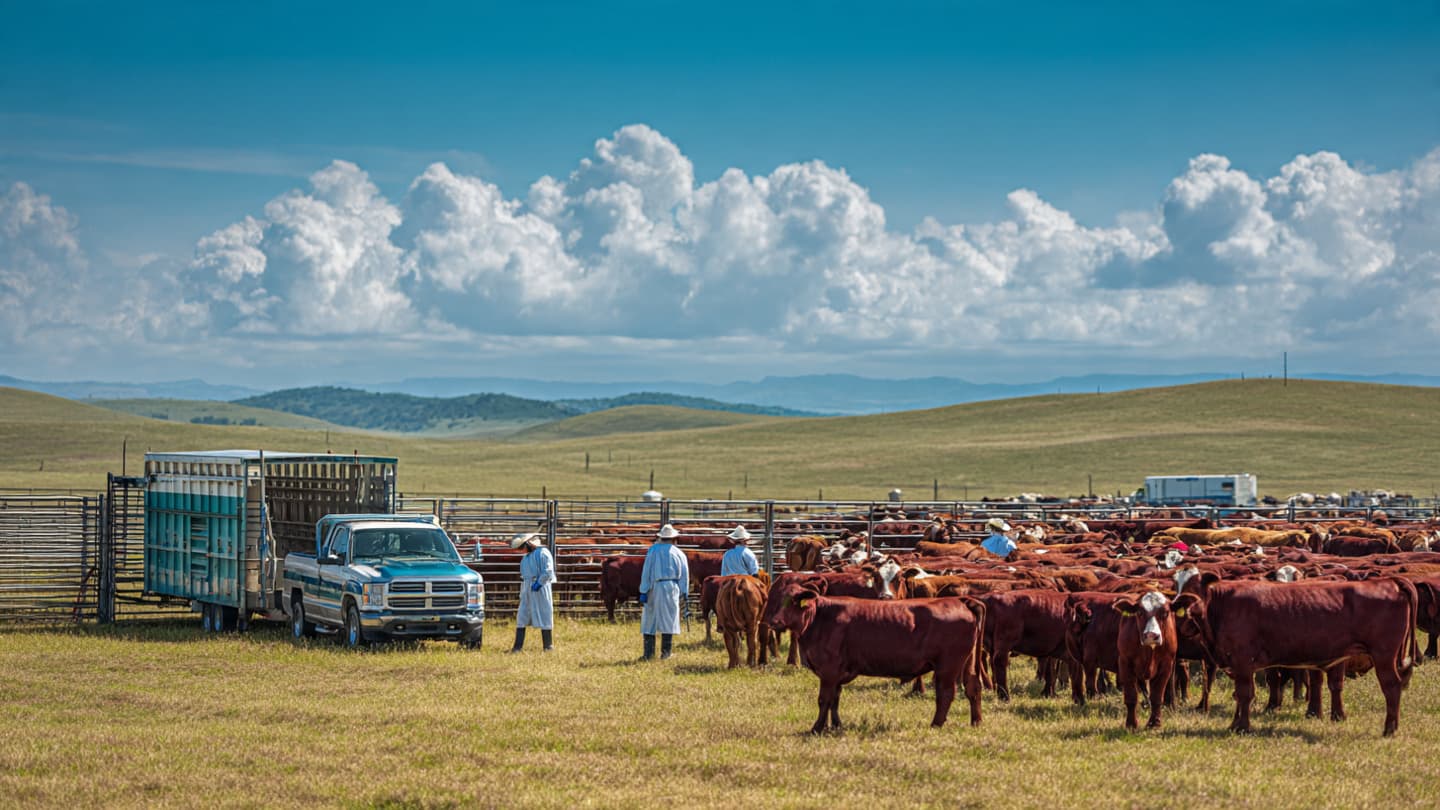
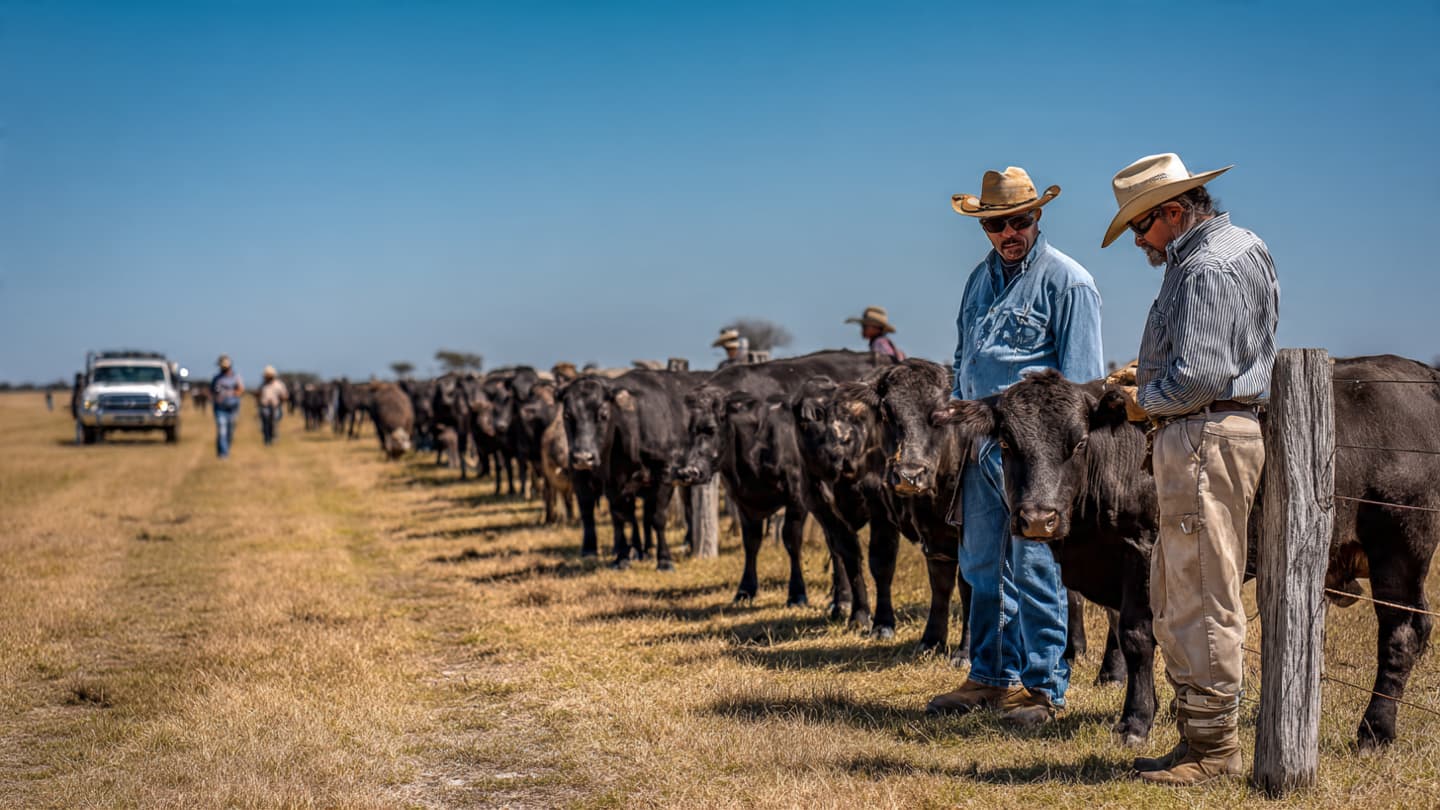
U.S. authorities are strengthening surveillance and containment measures against the flesh-eating screwworm parasite amid concerns about its movement closer to American territory.

Nvidia has introduced new AI-focused chips for Windows PCs, aiming to bring advanced artificial intelligence capabilities directly to personal computers.

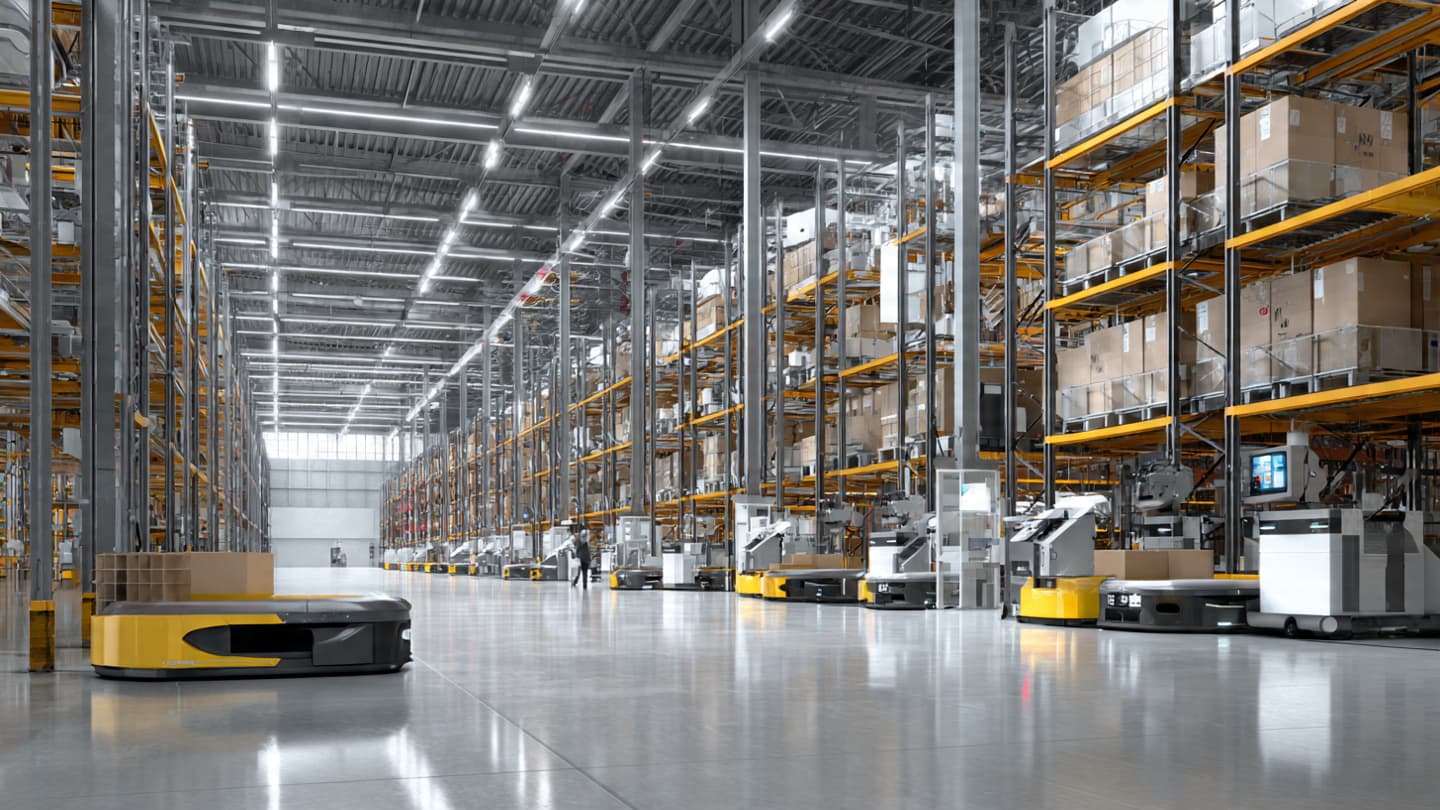
Amazon has unveiled AI-powered warehouse robots and expanded its European logistics network, highlighting the growing role of automation in modern commerce and supply chains.

U.S. agricultural authorities are strengthening surveillance and prevention efforts to contain flesh-eating screwworm risks affecting livestock in Texas.

Nvidia CEO Jensen Huang strengthened ties with South Korean partners through public appearances and business outreach as AI demand continues to reshape the global semiconductor industry.

Asian technology stocks declined after Broadcom-related concerns weighed on AI sentiment, prompting investors to reassess valuations across the semiconductor sector.

An investigation found that a United Airlines copilot recognized the aircraft was flying low before striking a light pole, but the realization came too late to avoid impact.