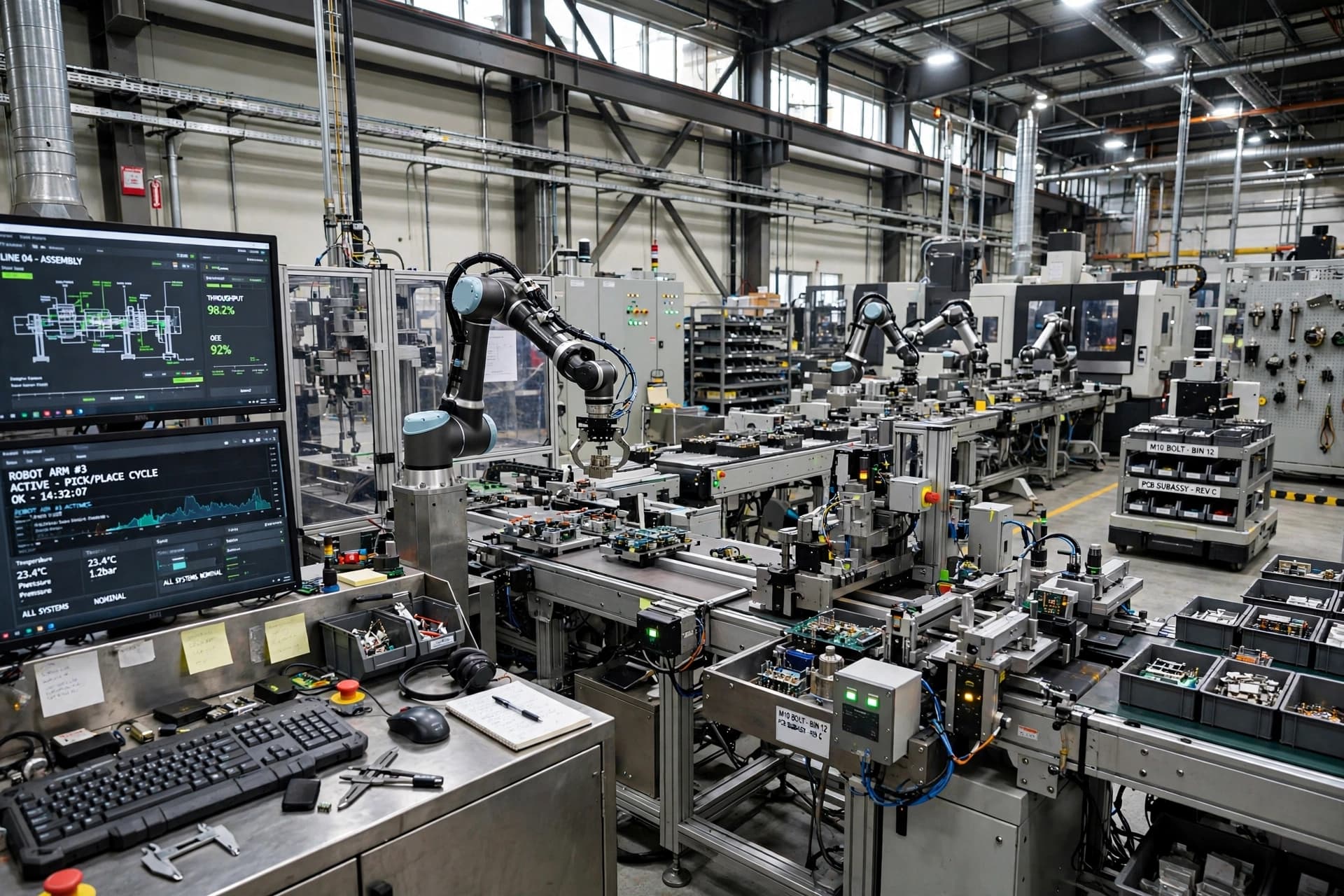
The modern economy often resembles a vast landscape where different journeys unfold at the same time. In one corner, engineers prepare technologies designed to reach beyond Earth's atmosphere. In another, airlines carefully calculate the cost of carrying millions of passengers across continents. Meanwhile, investors and policymakers study employment figures, searching for clues about where growth, inflation, and financial markets may travel next. Although these stories appear separate, they increasingly reflect the same underlying reality: an economy navigating opportunity and uncertainty simultaneously.
Recent reports of strong investor demand ahead of a potential SpaceX public offering have highlighted the continued appeal of innovation-driven industries. For many investors, companies operating at the frontier of technology represent more than business opportunities. They symbolize future possibilities, from advanced communications and satellite networks to entirely new commercial activities connected to space exploration. The enthusiasm surrounding SpaceX demonstrates how strongly financial markets continue to reward ambitious visions capable of reshaping industries.
At the same time, the airline sector is confronting a more immediate challenge. Rising fuel costs have increased pressure on carriers already operating within highly competitive conditions. Fuel remains one of aviation's largest expenses, and fluctuations in energy markets can quickly influence profitability, route planning, and long-term investment decisions. While travelers may primarily notice schedules and ticket prices, airline executives spend considerable effort navigating the complex economics that keep aircraft moving efficiently around the globe.
These developments are occurring against the backdrop of a surprisingly resilient labor market. Recent U.S. employment data has indicated continued strength in hiring and workforce participation, suggesting that economic activity remains relatively healthy despite ongoing concerns regarding inflation and borrowing costs. Strong employment figures are often viewed as positive indicators, reflecting business confidence and consumer demand. Yet they can also introduce new questions for financial markets.
Investors closely monitor labor market data because it can influence expectations surrounding interest rates. When employment remains robust, policymakers may perceive less urgency to reduce borrowing costs. As a result, markets frequently reassess assumptions about future monetary policy, affecting everything from stock valuations to corporate financing decisions. In this environment, positive economic news can sometimes generate mixed reactions among investors.
The connection between these stories becomes clearer when viewed through the broader lens of business confidence. Companies contemplating expansion, public offerings, or major investments often consider labor conditions, financing costs, and operating expenses simultaneously. A strong job market may support consumer spending, but higher interest rates can increase borrowing costs. Likewise, innovation may attract capital, while rising energy prices create operational challenges.
For industries such as aerospace and aviation, these economic forces intersect directly. Companies pursuing technological breakthroughs require significant investment, often relying on favorable market conditions and investor enthusiasm. Airlines, meanwhile, depend on consumer demand, manageable fuel costs, and access to financing for fleet modernization. Both sectors illustrate how interconnected modern business decisions have become.
Financial markets continue balancing optimism and caution. Enthusiasm surrounding emerging technologies reflects confidence in long-term growth opportunities, while concerns about inflation and interest rates encourage more careful evaluation of risk. Investors are increasingly attempting to reconcile these competing narratives as they assess opportunities across different industries.
Economic analysts note that periods of transition often produce such contrasts. Strong employment, technological innovation, and operational cost pressures can coexist within the same economy. Rather than signaling contradiction, these developments may simply reflect the complexity of modern economic systems, where progress in one area occurs alongside challenges in another.
For now, the stories of SpaceX, the airline industry, and the U.S. labor market collectively offer a snapshot of an economy adapting to changing conditions. Innovation continues attracting attention, businesses continue managing costs, and investors continue interpreting signals from every corner of the marketplace. Together, they form a broader narrative about resilience, ambition, and the ongoing effort to navigate an increasingly dynamic economic landscape.
AI Image Disclaimer
Illustrations were produced with AI and serve as conceptual depictions.
Sources
Reuters Bloomberg CNBC Financial Times Wall Street Journal
Published by Banx Network. This article is part of the Banx decentralized media programme, powered by the BXE token on the XRP Ledger.