
BUSINESS91% credibility
Open Arms: Inviting Canadians to Explore America
U.S. cities like New York are eager to welcome Canadian tourists back, emphasizing economic benefits and the strong cultural bond between the two nations.
2 min read

U.S. cities like New York are eager to welcome Canadian tourists back, emphasizing economic benefits and the strong cultural bond between the two nations.

Global markets enter September facing high government debt, persistent inflation, elevated bond yields, and uncertainty around major central-bank decisions.

Bank Indonesia expanded its government-developed credit card system to consumers and businesses, widening digital payment access.

Prudential reported an 8% rise in first-half new business profit, supported by strong momentum in Singapore and other Asian markets.
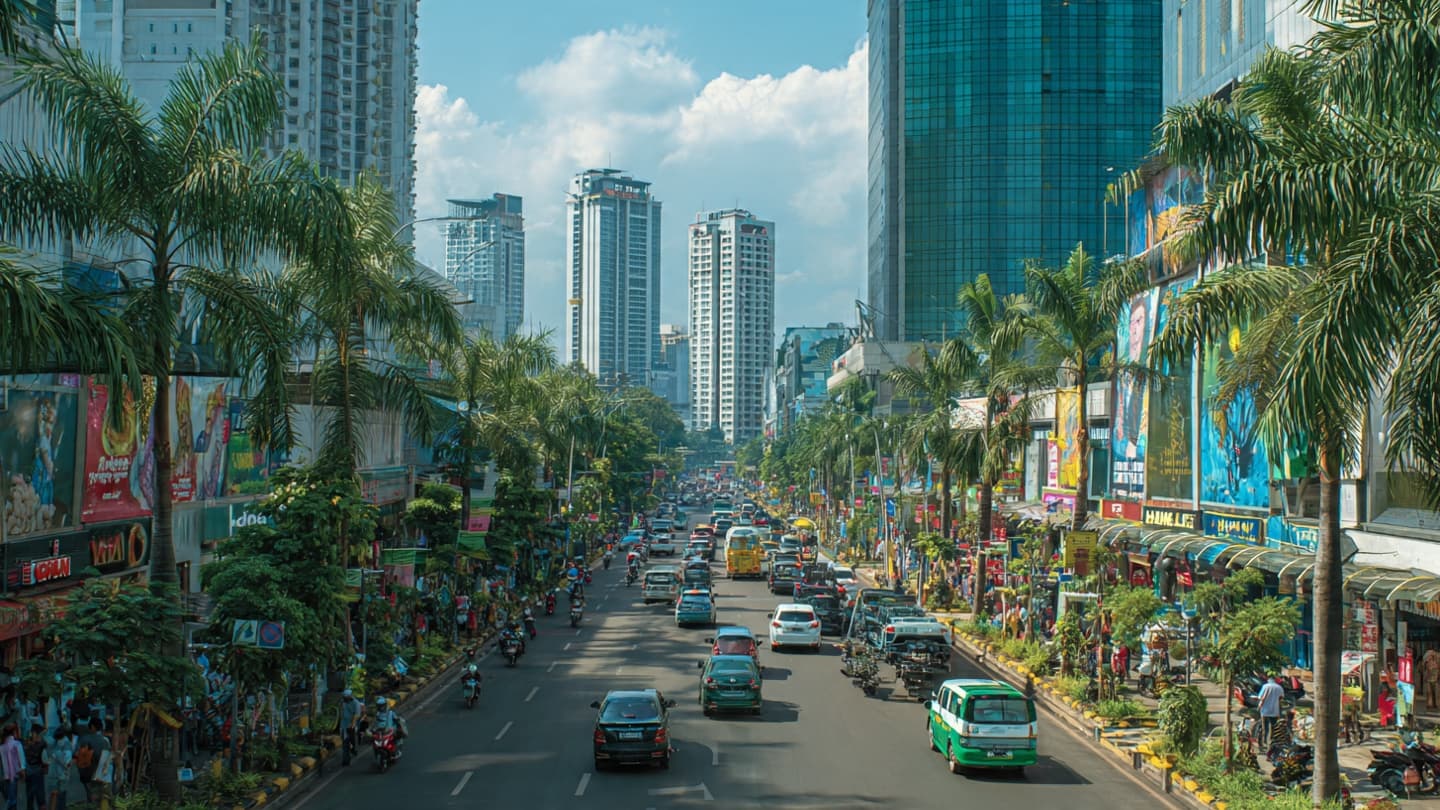
Indonesia’s economy grew 5.29% year-on-year in the second quarter, slowing from the previous quarter but beating expectations.

Economists increasingly expect the Bank of Japan to raise rates to 1.25% in September as inflation and yen weakness persist.

China’s crude oil demand has fallen sharply, with lower refining activity and growing electric-vehicle adoption changing global energy-market dynamics.

U.S. stocks ended lower as investors turned cautious ahead of key employment data and major technology earnings.

U.S. employment growth was revised lower for the year through March, revealing a weaker labor market than earlier estimates suggested.
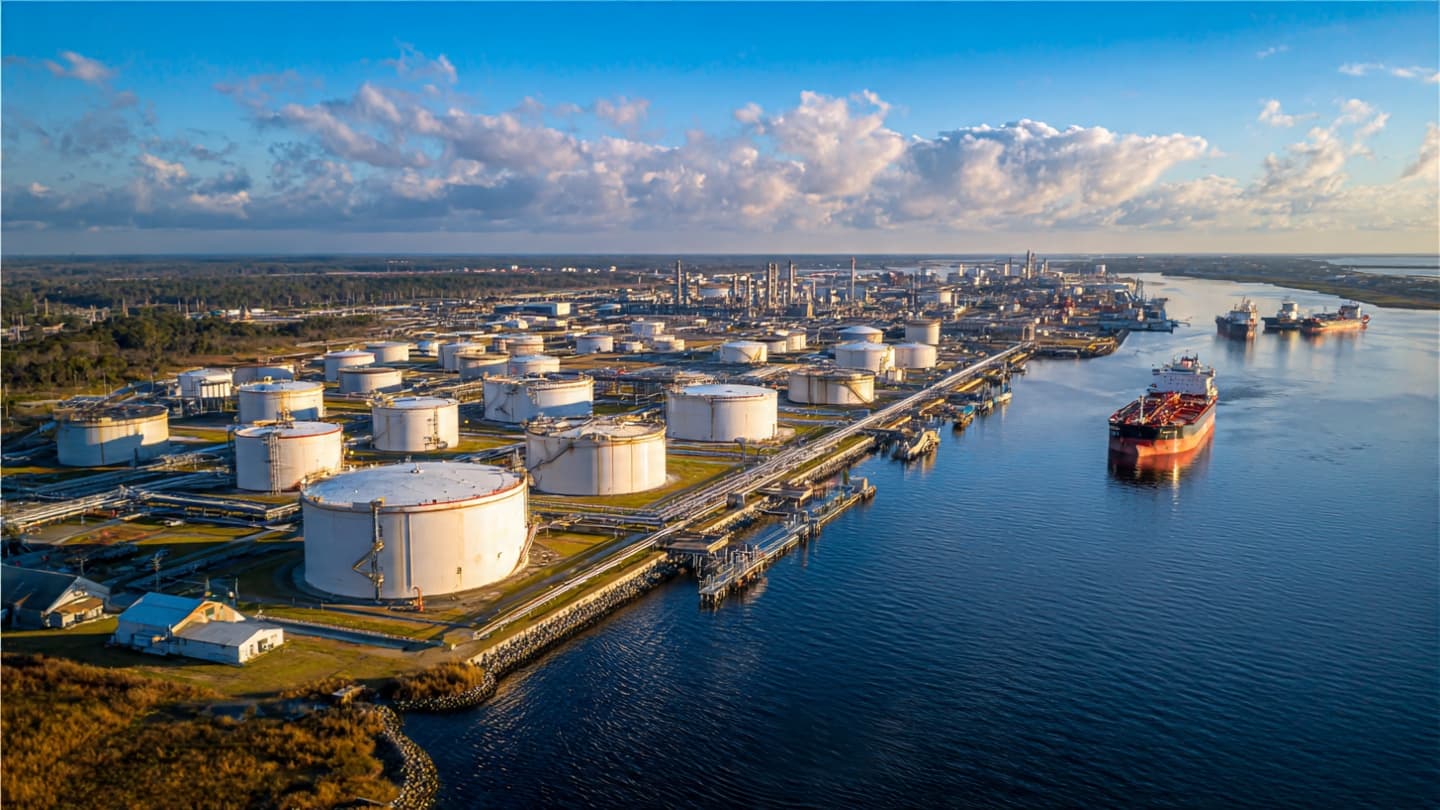
Oil prices fell during the latest session as markets weighed Federal Reserve policy and uncertain shipping conditions around the Strait of Hormuz
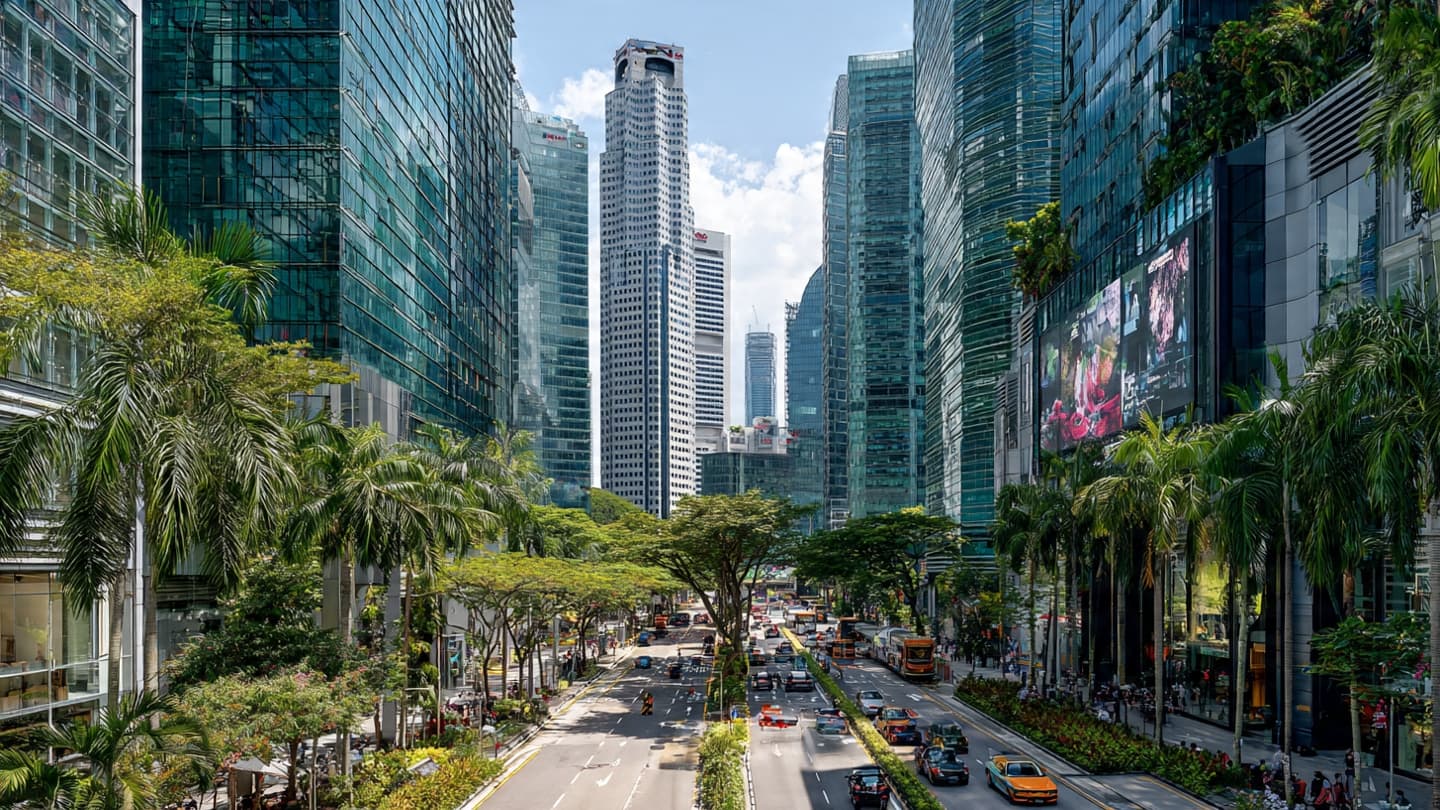
Singapore continues strengthening its role as an Asian business hub as technology, finance, logistics, and regional investment evolve.

Indonesia’s digital economy continues expanding as online commerce, digital payments, and technology adoption reshape how businesses reach consumers.

U.S. consumers continue spending despite economic uncertainty, while retailers closely monitor prices, employment, and changing household demand.

Gulf countries are investing in alternative pipelines, ports, and infrastructure as disruptions reshape regional energy and trade routes.

Singapore raised its 2026 growth forecast after stronger-than-expected second-quarter expansion, helped by global AI investment.

Japan spent a record $96.5 billion supporting the yen between July 30 and August 26 as the currency weakened sharply

Gulf economies are expanding investment beyond traditional energy sectors, with technology, tourism, logistics, and finance gaining importance.

U.S. manufacturers continue investing in domestic production as businesses seek shorter supply chains and greater resilience amid global trade uncertainty.

Singapore’s maritime sector continues adapting to changing global shipping patterns as vessel traffic and trade routes evolve.

Japan plans to limit new government bond issuance to about ¥40 trillion in fiscal 2027 amid pressure to control borrowing

Japanese companies are adopting new currency hedging strategies as prolonged yen weakness raises costs for imported goods and raw materials.
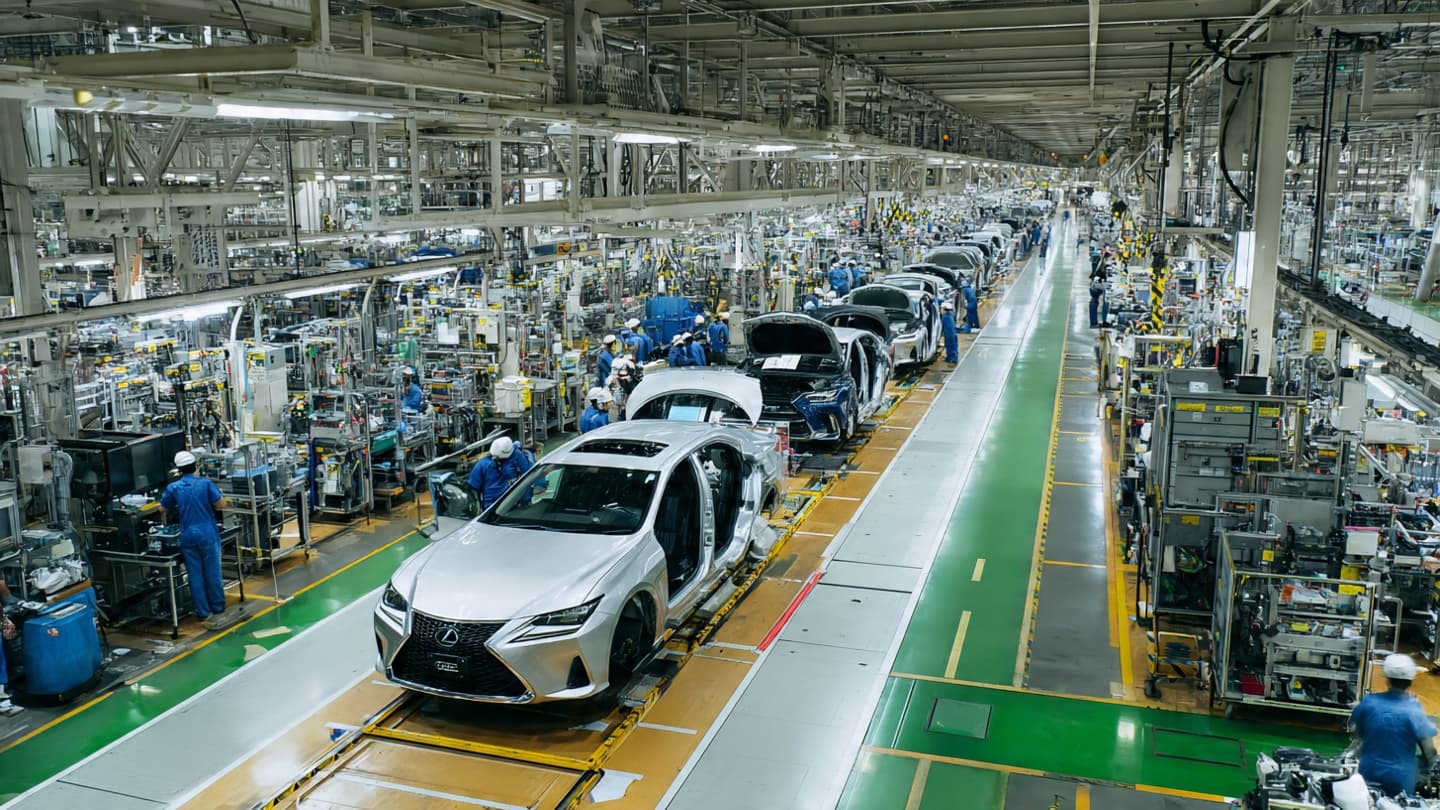
Toyota reported lower global vehicle sales and production in July, with China and Middle Eastern demand weakening significantly.

Indonesia plans to redirect part of Danantara’s SOE dividend profits to the state budget as government debt reaches Rp10,293.69 trillion.

The World Bank Group guaranteed a $750 million Bank Mandiri loan program aimed at expanding financing for Indonesian MSMEs.