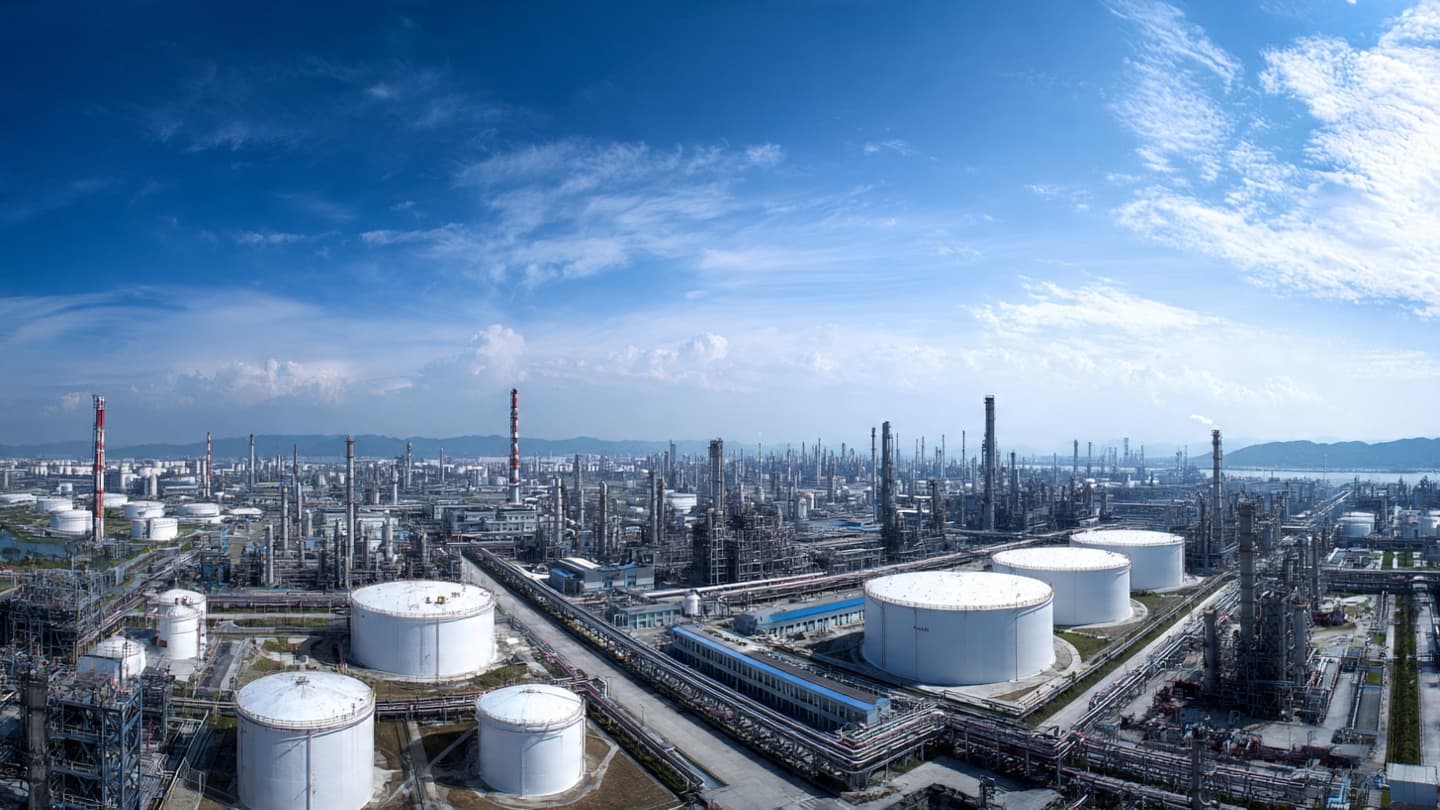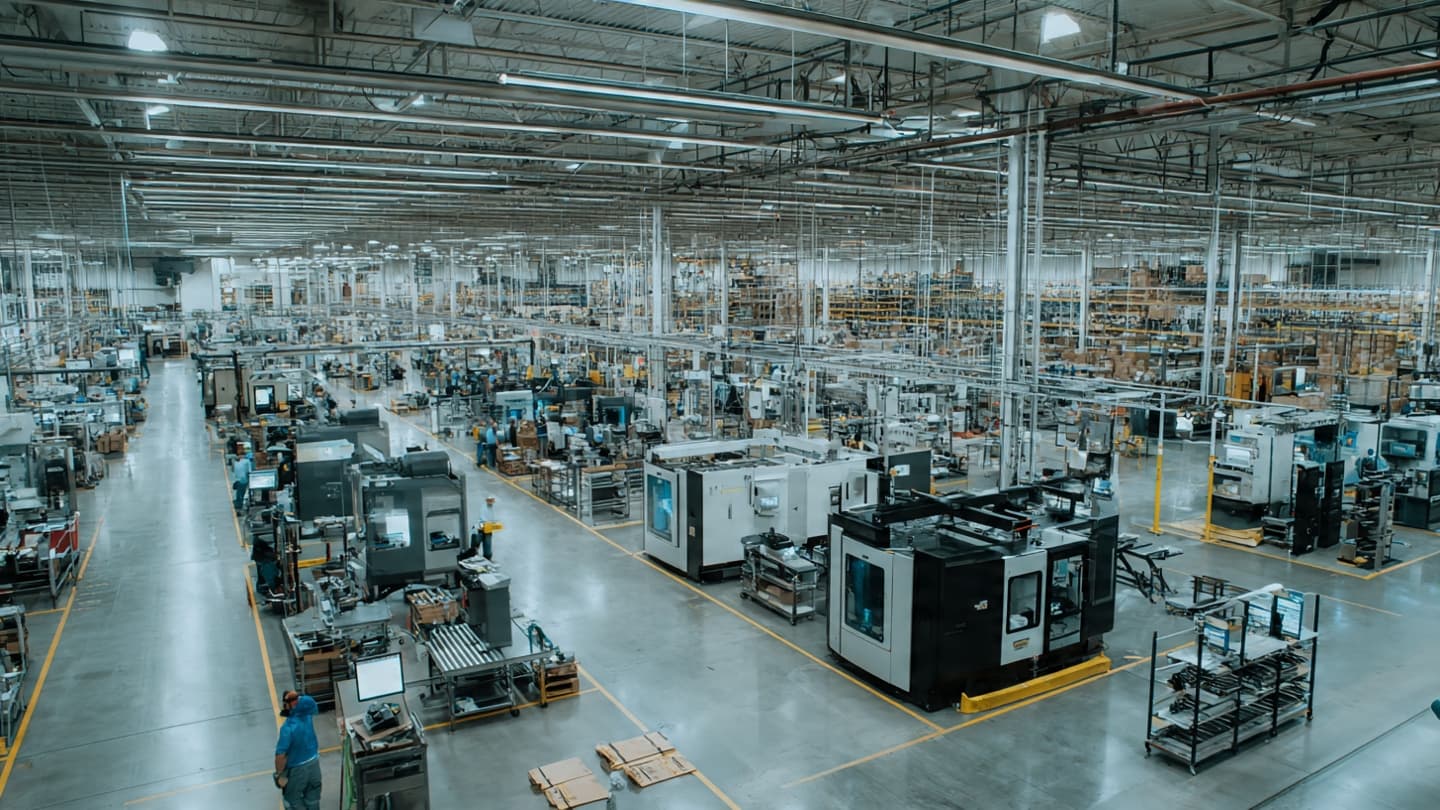
Across parts of America, the sound of a factory floor is becoming an increasingly familiar economic signal. Machinery turns, workers move between production stations, and buildings that once stood quiet begin to carry the rhythm of manufacturing again.
Companies across several industries have been increasing domestic investment as supply-chain disruptions and changing global trade conditions encourage businesses to reconsider where products should be made.
The shift does not mean international manufacturing is disappearing. Global supply chains remain deeply embedded in American commerce, particularly in electronics, automobiles, machinery, pharmaceuticals, and consumer goods.
Instead, many businesses are seeking greater balance between overseas production and domestic capacity. Producing certain components closer to customers can reduce transportation distances and provide companies with more control when international logistics become unpredictable.
The trend has also created opportunities for industrial communities. New factories can bring construction activity, supplier contracts, transportation demand, and employment, although the scale of those effects varies significantly between regions.
Advanced manufacturing is particularly important. Modern facilities increasingly combine robotics, software, artificial intelligence, and highly specialized equipment, requiring workers with different skills from those associated with older industrial plants.
Semiconductor production has become one of the most visible examples. The United States has encouraged investment in domestic chip manufacturing because semiconductors are essential to automobiles, computers, communications equipment, and artificial-intelligence infrastructure.
Automotive manufacturing is undergoing a similar transformation. Companies are adjusting production networks around electric vehicles, batteries, and other technologies while continuing to serve demand for conventional and hybrid vehicles.
For American businesses, domestic production can provide greater proximity to the world's largest consumer market. But it can also involve higher labor, construction, and operating costs, meaning companies must weigh resilience against efficiency.
The emerging industrial landscape is therefore not simply a return to an earlier era. It is a different form of manufacturing, built around automation, digital systems, specialized skills, and increasingly interconnected domestic supply networks.
As investment continues, the question is less whether global manufacturing will remain important—it certainly will—and more how American companies will divide production between domestic facilities and international partners in the years ahead.
AI Image Disclaimer The accompanying visuals are AI-generated conceptual illustrations of American manufacturing and are not photographs of specific factories or companies.
Sources Reuters U.S. Department of Commerce National Association of Manufacturers
Published by Banx Network. This article is part of the Banx decentralized media programme, powered by the BXE token on the XRP Ledger.