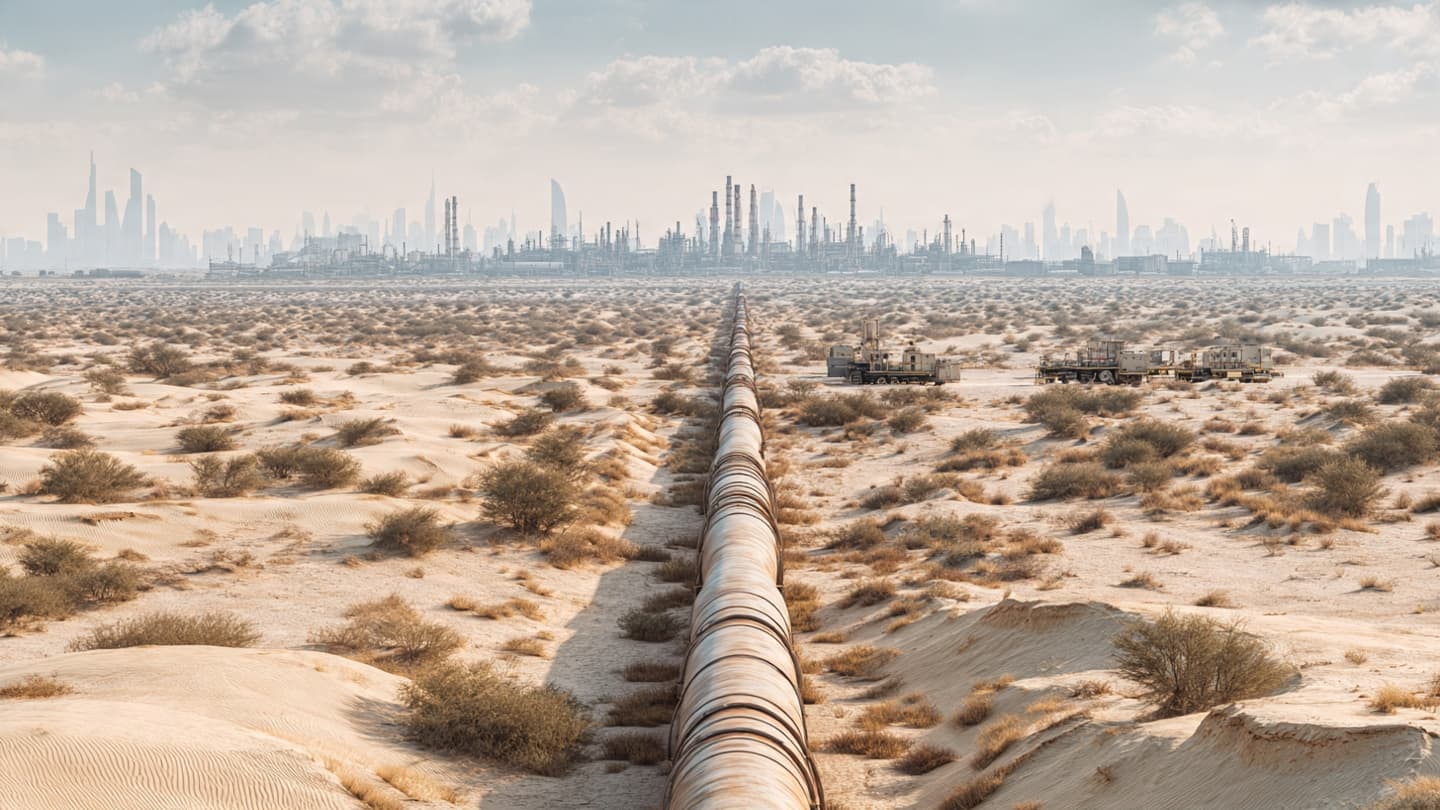
From the desert, the sea can appear distant. Yet for Gulf economies, the water has always been close in another sense: connected through pipelines, ports, tankers, and trade routes that carry energy toward markets around the world.
That network is being reconsidered as disruptions to regional shipping routes alter the traditional map of energy transportation. Gulf countries are investing in alternative infrastructure, including pipelines and ports, to reduce their dependence on vulnerable maritime routes.
The Strait of Hormuz remains central to this calculation. Its importance extends well beyond the countries immediately surrounding it because a significant share of global energy trade has historically passed through the waterway.
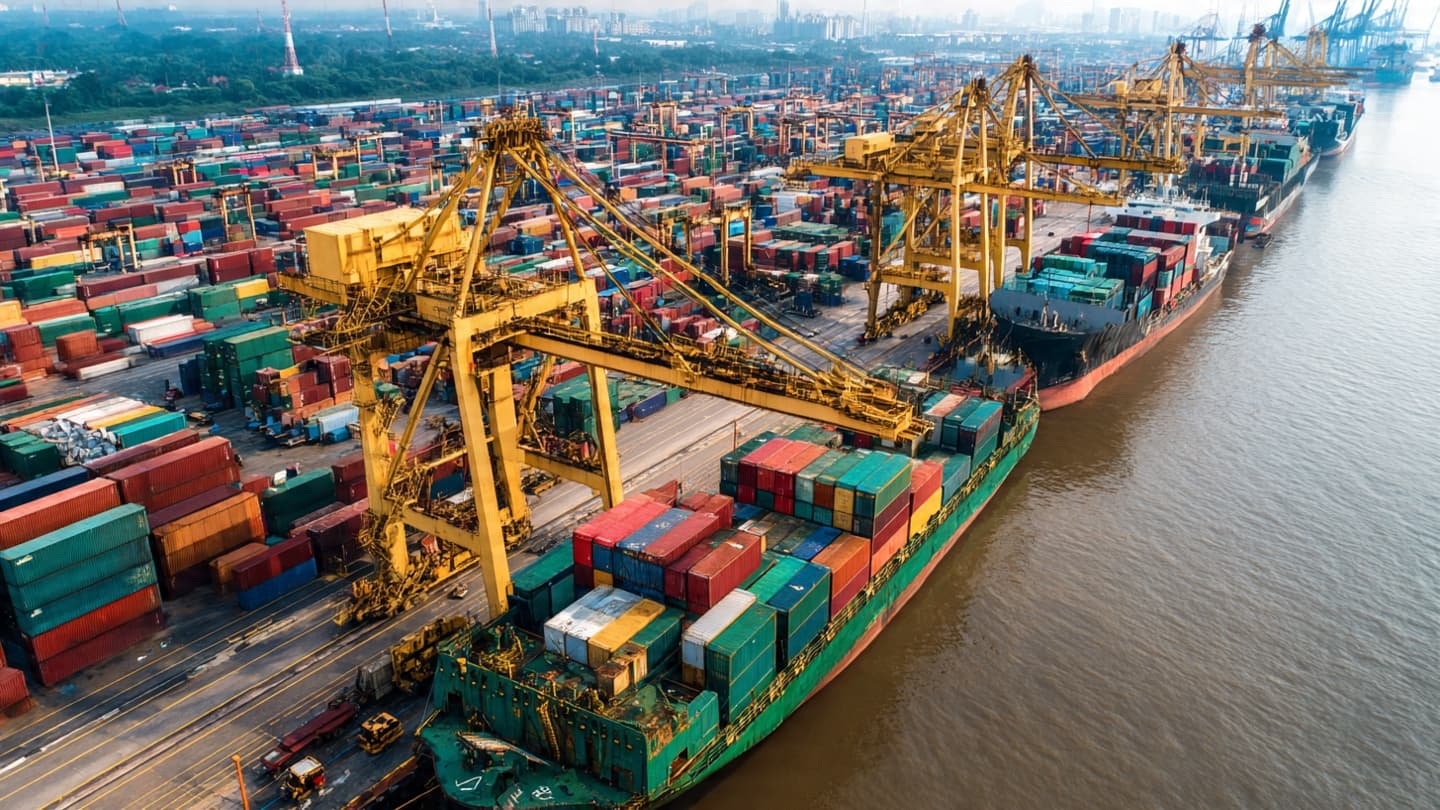
When shipping routes become uncertain, the value of alternative infrastructure rises. Pipelines can move oil without relying on tanker routes through the same maritime passage, while ports in different locations can provide additional options for exporters.
The change is also influencing how Gulf governments think about long-term investment. Infrastructure designed only for today's trade patterns may become less useful if energy flows begin moving along different routes.
Saudi Arabia, the United Arab Emirates, and other Gulf economies have already developed extensive networks of ports, pipelines, storage facilities, and industrial zones. Recent disruptions are encouraging policymakers and companies to reassess how these systems can work together.
For energy producers, flexibility has become increasingly valuable. The ability to redirect exports, store additional supplies, or use an alternative port can provide greater resilience when one route becomes difficult to use.
The investment extends beyond oil. Gulf economies are also seeking to expand logistics, manufacturing, tourism, and other sectors as part of broader diversification strategies. Ports and transportation networks can support those industries by connecting them to international markets.
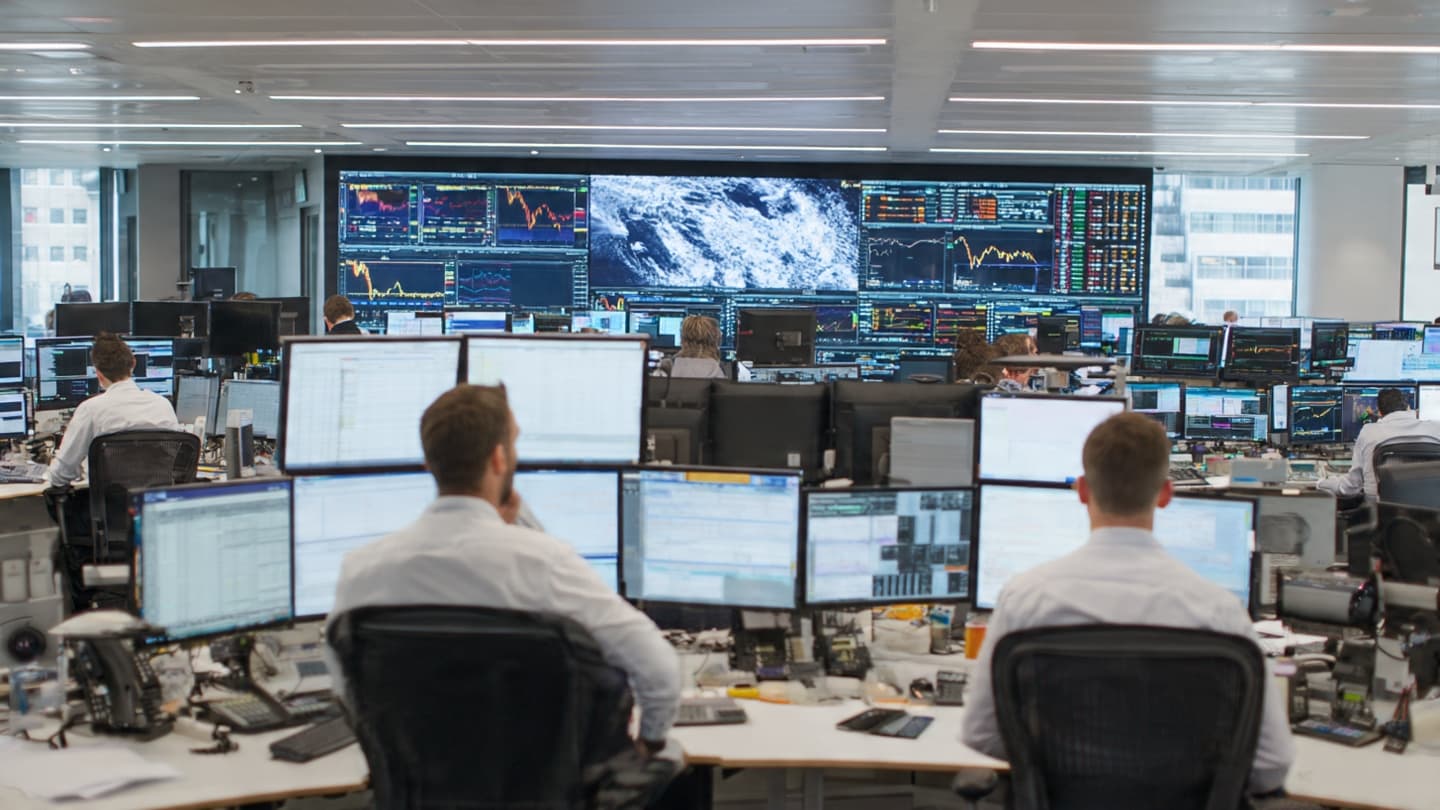
Businesses are watching the infrastructure changes closely because transportation costs can influence everything from energy prices to manufacturing expenses. A longer shipping route can raise insurance, fuel, and delivery costs even when the underlying product remains unchanged.
The transformation is therefore larger than a response to one period of disruption. It reflects a broader realization that global trade routes can change quickly, while infrastructure decisions often last for decades.
Across the Gulf, new pipelines, ports, storage facilities, and logistics networks are becoming part of that longer calculation. As the region adjusts its infrastructure, the traditional map of energy and commerce may gradually acquire several new routes beneath the same desert horizon.
AI Image Disclaimer The illustrations were generated with AI and serve as conceptual representations of Gulf infrastructure and trade routes, not photographs of actual projects.
Sources Reuters International Energy Agency World Bank
Published by Banx Network. This article is part of the Banx decentralized media programme, powered by the BXE token on the XRP Ledger.