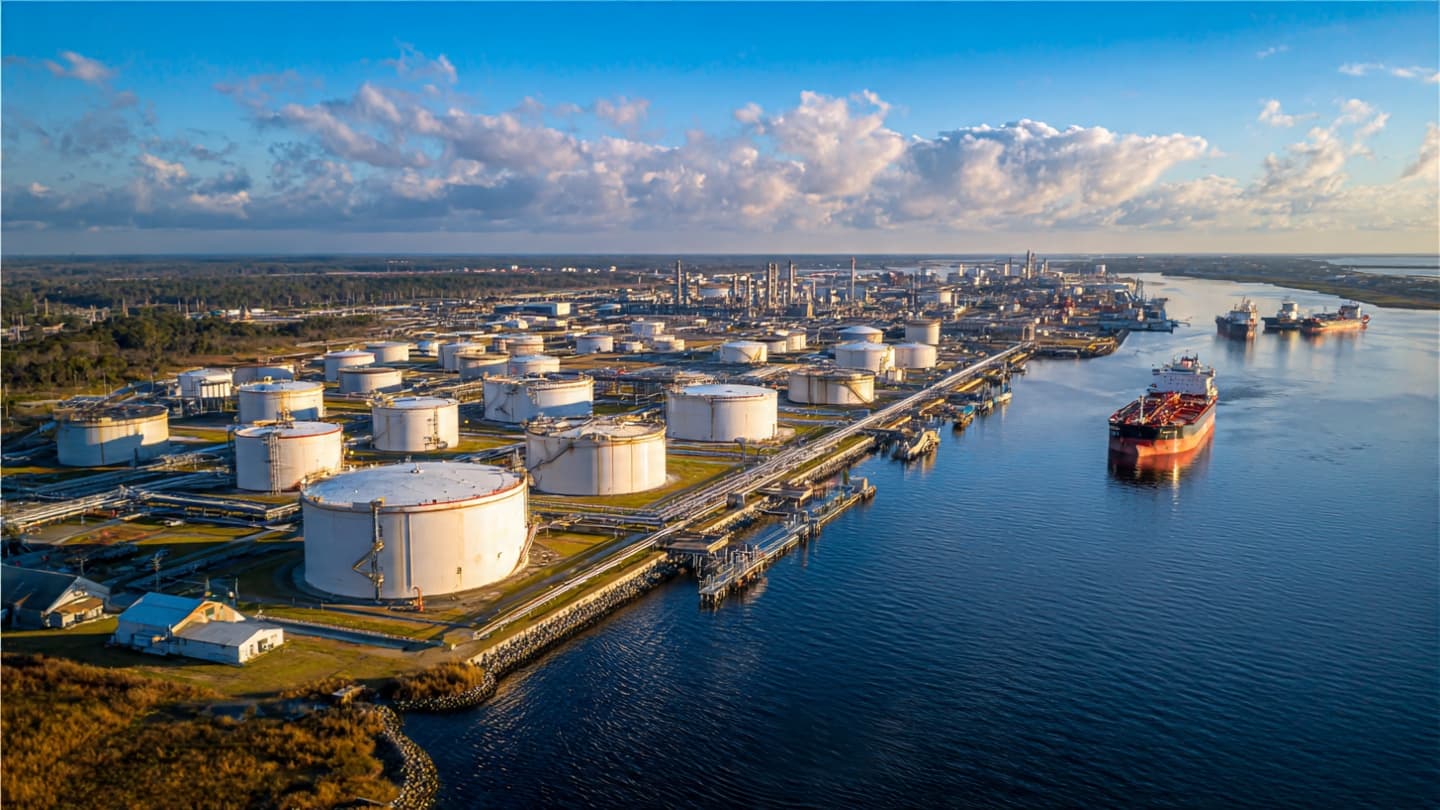
Oil begins its journey long before it reaches a refinery. Beneath desert landscapes, through pipelines, across terminals, and aboard tankers, energy follows a network of routes connecting producers to consumers thousands of miles away.
That network has recently faced disruption around the Strait of Hormuz, where shipping activity has remained below normal levels. The waterway is one of the world's most important routes for energy transportation, making changes there significant for global oil markets.
Oil prices nevertheless moved lower during the latest trading session. Brent crude fell 0.43%, while West Texas Intermediate declined 0.16%, with both benchmarks recording weekly losses.
One factor was the changing outlook for U.S. monetary policy. Federal Reserve Chair Kevin Warsh's comments about inflation increased expectations that interest rates could remain higher or rise further, putting pressure on commodities priced in dollars.
Oil demand is also influenced by expectations for global economic activity. When investors anticipate stronger growth, they generally expect greater energy consumption from factories, transportation, construction, and other industries.
When economic expectations become more cautious, the outlook can move in the opposite direction. That makes oil particularly sensitive to both physical supply disruptions and financial-market expectations.
The Strait of Hormuz adds another dimension because its importance extends far beyond the Gulf itself. Large volumes of crude and other energy products have historically passed through the waterway, meaning disruptions can affect freight costs, insurance, inventories, and refinery planning.
Producers and traders have consequently been paying greater attention to alternative routes. Pipelines, storage facilities, and ports outside the most exposed maritime pathways can provide additional flexibility when tanker traffic becomes difficult.
The situation also comes as global energy markets are changing structurally. Electric vehicles are gradually reducing petroleum demand in some transportation markets, while industrial growth in Asia continues to support energy consumption.
China has become particularly important in that transition. Reuters reported that Chinese crude imports have fallen significantly compared with the previous year, with lower refining activity and greater electric-vehicle adoption contributing to weaker demand.
For global markets, the result is a complicated balance between supply risk and changing demand. Oil prices can move sharply even when several forces are pulling in opposite directions.
As September approaches, traders will continue watching shipping flows, refinery activity, central-bank policy, and economic indicators. Beneath those market movements remains the same physical reality: energy still has to travel from where it is produced to where it is consumed, and every change in that journey can reshape the price seen around the world.
AI Image Disclaimer The accompanying visuals are AI-generated conceptual representations of global energy transportation and are not photographs of actual shipping disruptions.
Sources Reuters International Energy Agency OPEC
Published by Banx Network. This article is part of the Banx decentralized media programme, powered by the BXE token on the XRP Ledger.