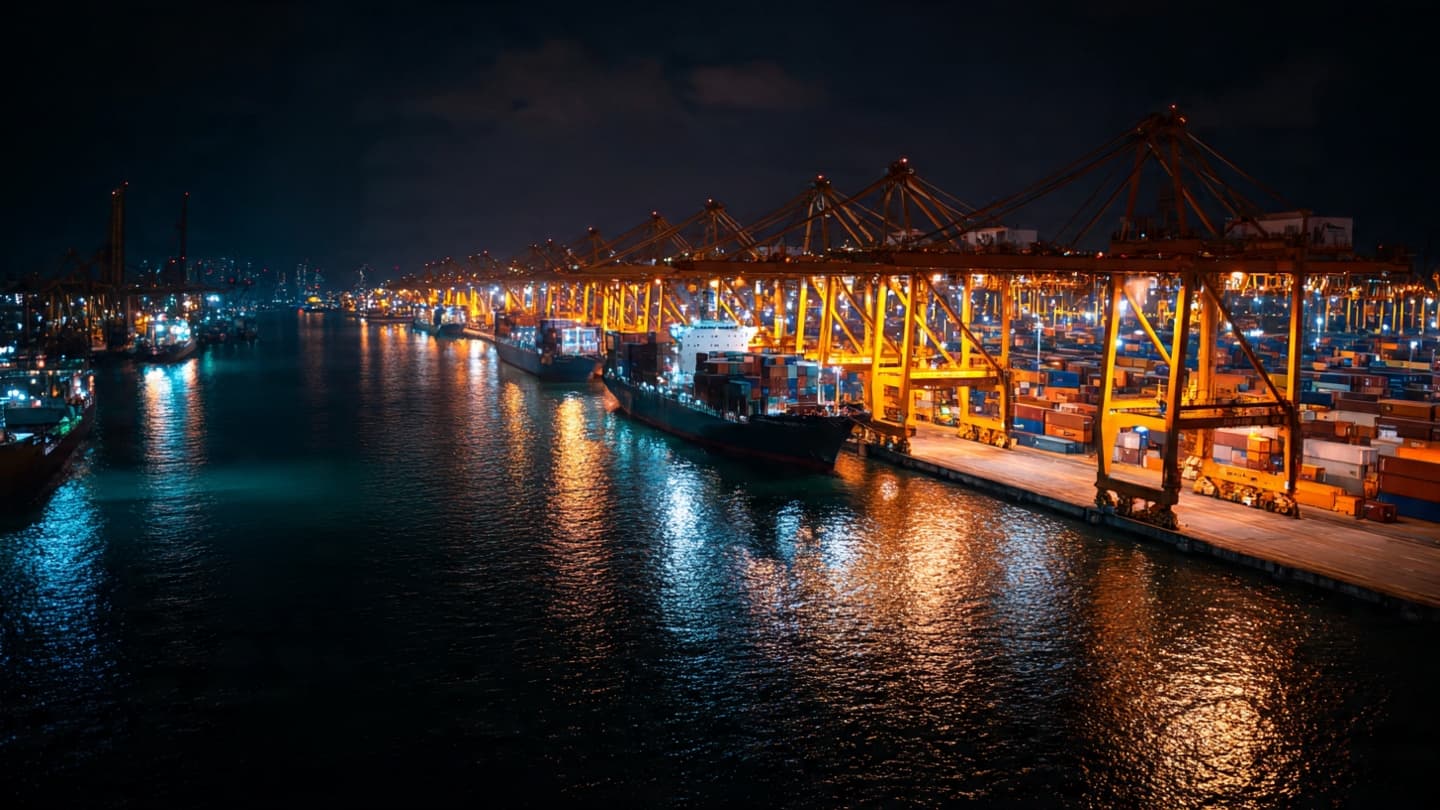
Long after much of the city has gone quiet, another Singapore remains awake beside the water. Cranes continue to move above rows of containers, vessels wait beyond the harbor, and the steady machinery of trade carries on through the night.
Singapore’s position as one of the world’s major maritime and transshipment centers makes the movement of global shipping particularly important to its economy. The port connects cargo from numerous origins and destinations, allowing goods to be transferred between vessels before continuing their journeys.
That role becomes more visible whenever international shipping routes are disrupted. Changes in maritime conditions can force carriers to alter routes, adjust schedules, or reconsider where cargo should be transferred, creating consequences that eventually reach manufacturers and consumers.
Singapore has invested heavily in port infrastructure to maintain its position as a major global shipping hub. The Tuas Port development represents one of the largest transformations of the country’s maritime infrastructure, designed to consolidate operations and increase long-term handling capacity.
The port’s importance extends beyond containers. Singapore is also a major center for marine services, ship management, maritime finance, bunkering, and logistics. These activities create an economic ecosystem around the physical movement of ships and cargo.
For companies involved in international trade, reliability has become increasingly valuable. A delayed vessel can affect warehouses, factories, retailers, and distributors far away from the original disruption. Modern supply chains therefore depend not only on low costs but also on predictable transportation.
Singapore’s geographic position remains an advantage. Located near major shipping routes connecting the Indian Ocean and the Pacific, the city-state sits close to one of the busiest maritime crossroads in the world.
Technology is becoming another part of that equation. Automated cranes, digital tracking systems, and data-driven logistics can help ports process cargo more efficiently while reducing the time ships spend waiting at terminals.
The global shipping industry is nevertheless entering a period of continued adjustment. Changes in trade patterns, vessel capacity, fuel requirements, and regional infrastructure are reshaping how cargo moves between continents.
For Singapore, the objective remains remarkably consistent: keep the harbor moving. As global commerce changes its routes and rhythms, the city’s maritime infrastructure continues preparing for another generation of international trade.
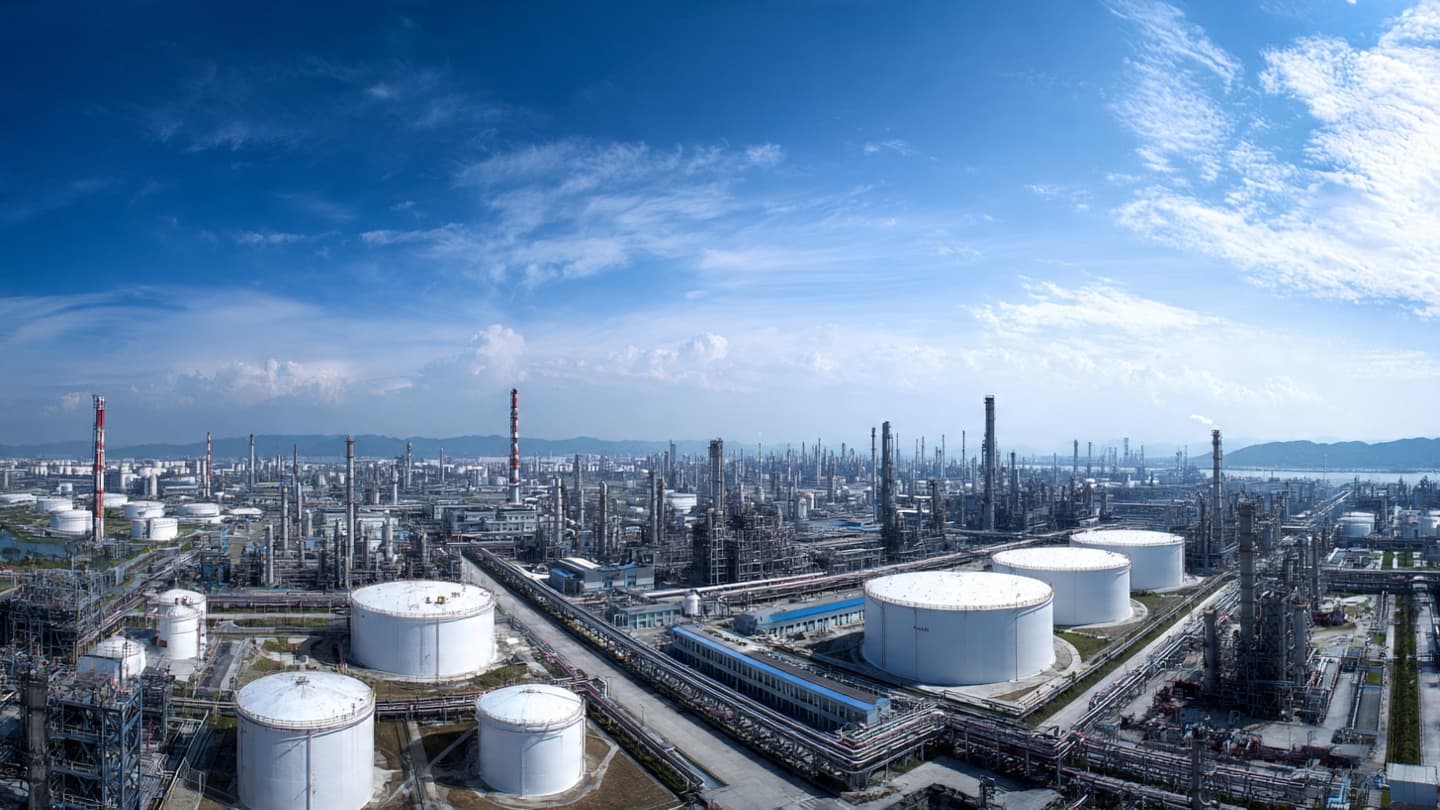
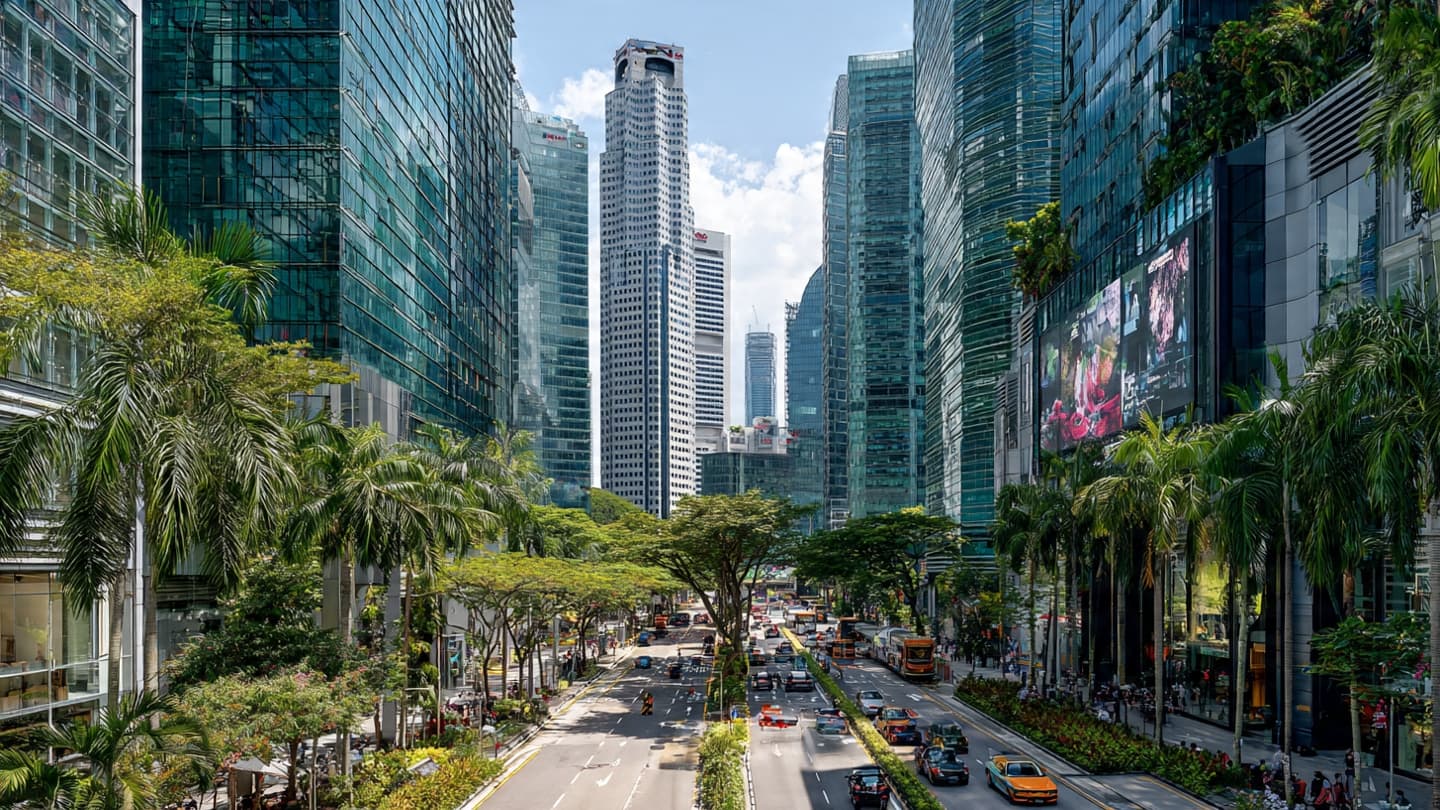
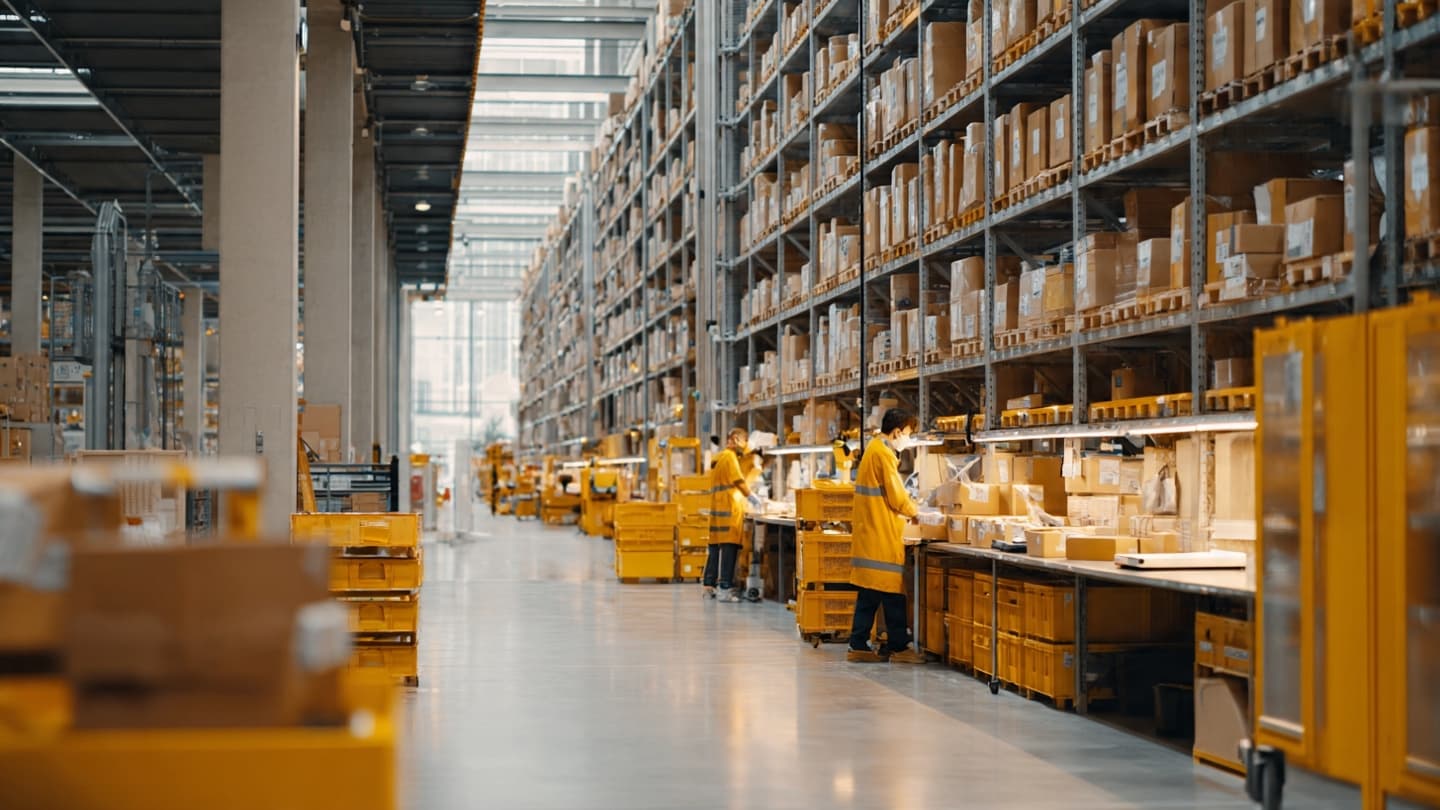
AI Image Disclaimer The visuals were generated using AI as conceptual representations of Singapore’s maritime trade and do not depict specific real-time port operations.
Sources Reuters Maritime and Port Authority of Singapore
Published by Banx Network. This article is part of the Banx decentralized media programme, powered by the BXE token on the XRP Ledger.