DECENTRALIZED MEDIA IS LIVE POWERED BY
Banx Media Platform logo

Technology Articles

Showing 24 of 24 on this pagePage 2 / 104 • 2476 total
The Ageing Revolution: Can Humanity Actually Reverse Ageing?
TECHNOLOGY0% credibility

The Ageing Revolution: Can Humanity Actually Reverse Ageing?

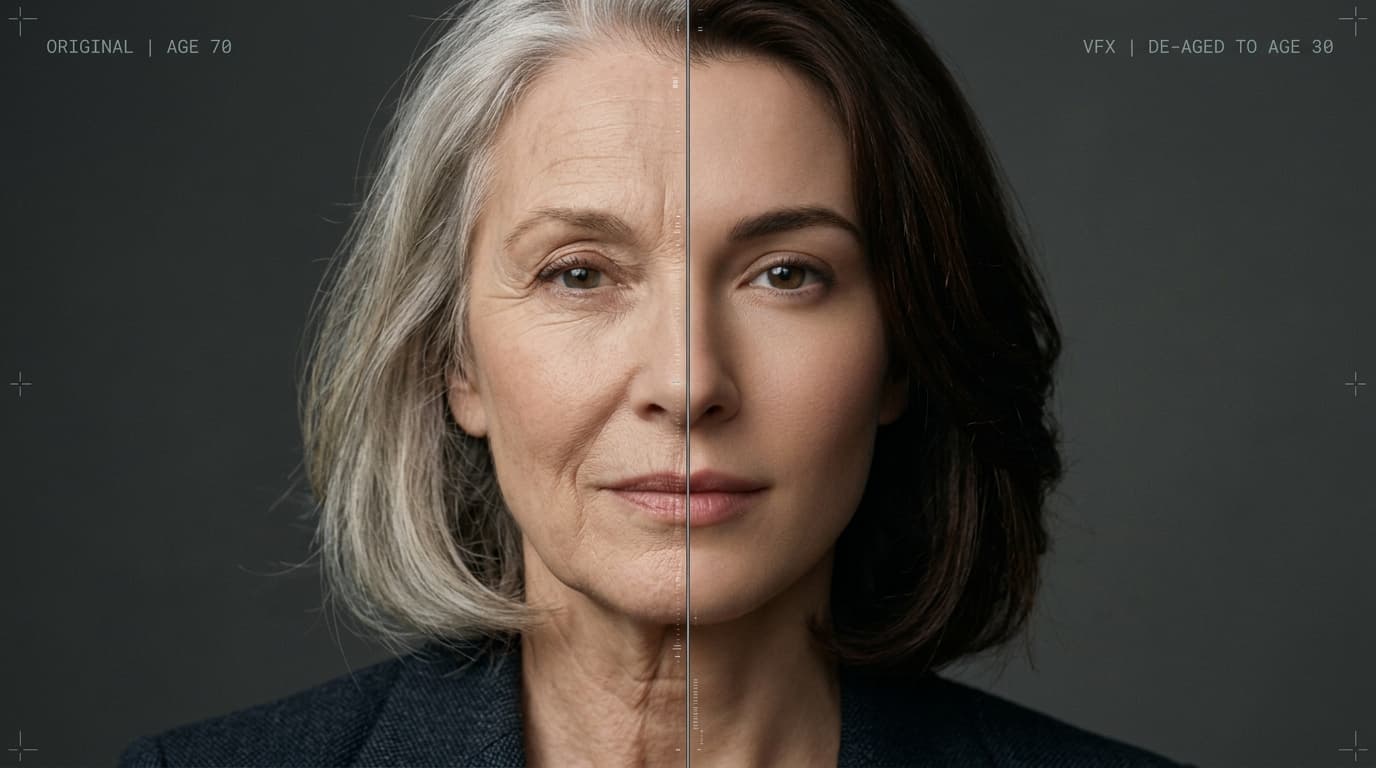
For most of human history, ageing was treated as an unavoidable fact of life. Today, scientists are increasingly asking a different question: what if ageing itself could be modified? Researchers are investigating cellular senescence, DNA and epigenetic changes, mitochondrial dysfunction, declining stem-cell function, chronic inflammation and other biological processes that contribute to ageing. From senolytic drugs and mTOR inhibitors to cellular reprogramming, regenerative medicine and AI-driven drug discovery, a new field known as geroscience is attempting to extend not merely human lifespan, but the years people spend healthy and independent. The ultimate goal may not be living forever. It may be making 80 feel more like 60—and 100 more like 70.

16 min read
3D-Printed Human Organs: Could Organ Donation Become Obsolete?
TECHNOLOGY94% credibility

3D-Printed Human Organs: Could Organ Donation Become Obsolete?

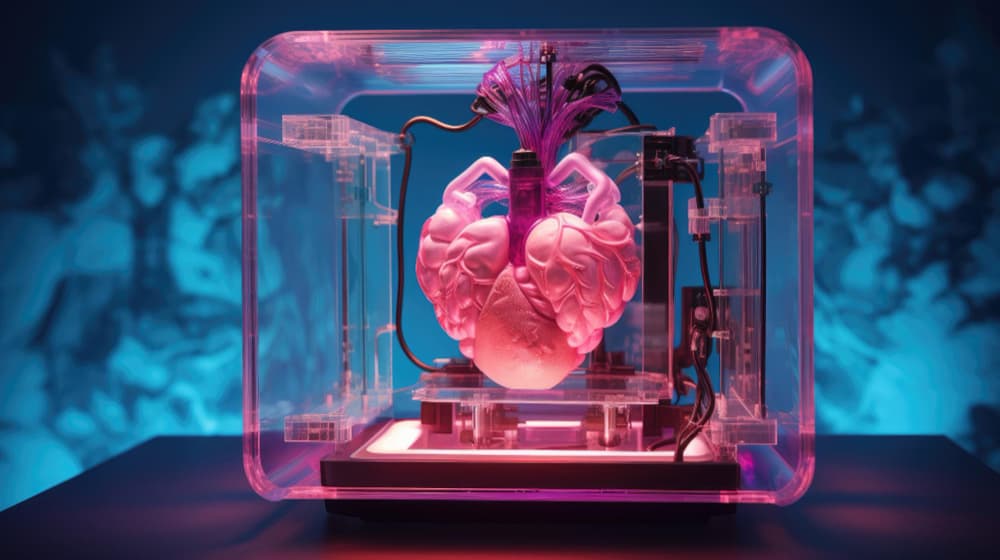
For decades, organ transplantation has been one of medicine's greatest achievements—and one of its most frustrating limitations. Thousands of patients can be treated only if another human being becomes a donor. But a new field of biotechnology is attempting to change that equation. 3D bioprinting combines living cells, biomaterials, stem-cell technology, engineering and increasingly artificial intelligence to construct biological tissues layer by layer. Researchers are already producing increasingly sophisticated tissue models, organoids and vascular structures. The ultimate ambition is far more radical: manufacture functional human organs designed specifically for individual patients. If that becomes possible, the consequences would extend far beyond transplantation. Medicine could enter an era where damaged organs are repaired, replacement tissues are manufactured and biological spare parts are produced when needed. The question is no longer whether scientists can print living tissue. The question is whether they can eventually print something that behaves like a real human organ.

16 min read
Synthetic Biology: Are We Entering the Age of Designed Life?
TECHNOLOGY0% credibility

Synthetic Biology: Are We Entering the Age of Designed Life?

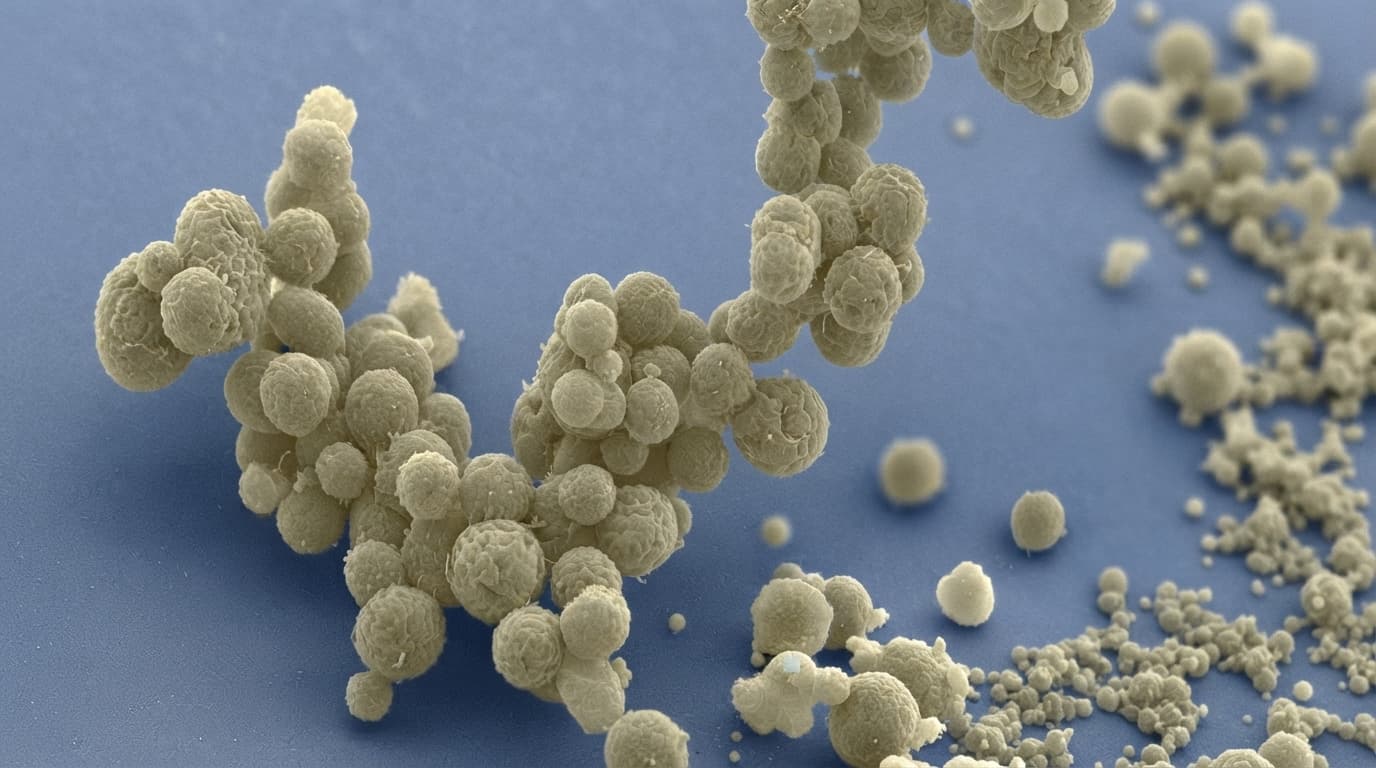
For most of human history, life was something we could observe, breed and selectively modify—but never truly design. Synthetic biology is beginning to change that. By combining genetic engineering, molecular biology, computer science and engineering, researchers are developing biological systems designed to perform specific functions. Scientists can already engineer microorganisms to produce medicines, chemicals and materials, while researchers are exploring synthetic cells, engineered microbes and biological systems that could eventually manufacture products with greater precision and less environmental impact. The long-term possibility is even more profound: a future in which humans do not simply modify existing organisms, but design entirely new biological systems.

13 min read
Terraforming Mars: Could Humanity Build a Second World?
TECHNOLOGY0% credibility

Terraforming Mars: Could Humanity Build a Second World?

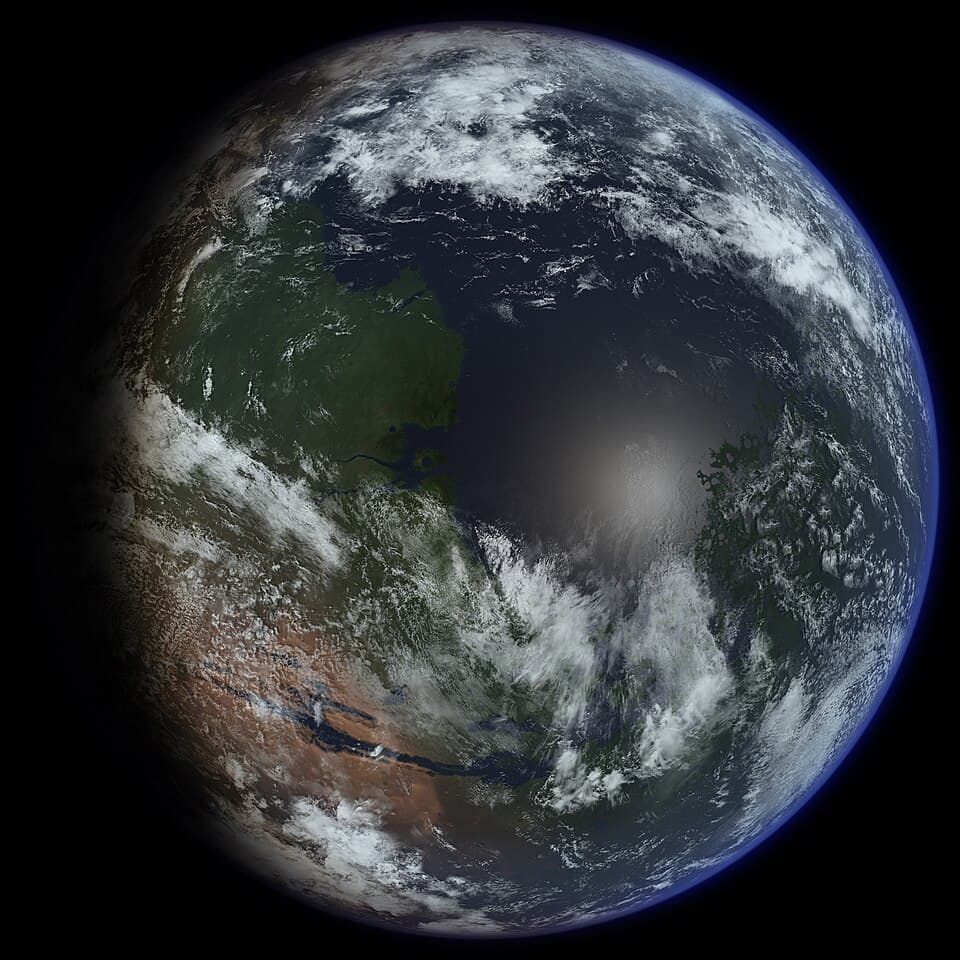
Mars has rivers carved into its ancient surface, minerals formed in the presence of water, and evidence that its atmosphere was once far thicker than it is today. But turning the Red Planet into a second Earth would require far more than landing humans there. Humanity would need to transform an entire planetary environment—raising temperatures, increasing atmospheric pressure, securing water, protecting the atmosphere and eventually creating conditions where life could survive outside artificial habitats. With new advances in climate science, robotics, biotechnology and space engineering, the idea of terraforming Mars is moving from pure science fiction into a serious scientific question. The challenge is that Mars may be far harder to transform than its science-fiction image suggests.

18 min read