The semiconductor industry has long been associated with tiny components performing enormous amounts of work. Today, those components are also helping artificial intelligence move beyond computer screens and into machines that interact with the physical world.
Singapore's semiconductor sector is entering another stage of expansion with the opening of a major manufacturing facility operated by Vanguard International Semiconductor Corporation and its partner, NXP Semiconductors, through their joint venture, VisionPower Semiconductor Manufacturing Company, or VSMC.
The Business Times reported that the project represents an investment of approximately US$7.8 billion. The facility is intended to strengthen Singapore's manufacturing capacity as demand grows for chips used across automotive, industrial and other technology applications.
Unlike the most advanced processors designed specifically for high-end AI training, many semiconductor products serve as essential supporting components. They help control power, connect electronic systems, manage sensors and ensure that machines can operate reliably.
These functions are important as AI capabilities spread into physical environments. Industrial robots, vehicles, connected equipment and smart devices rely on combinations of computing, sensing and power-management technologies.
The expansion of semiconductor manufacturing also reflects the importance of supply-chain resilience. Companies increasingly want reliable access to chips used in products that must operate for years, particularly in sectors where component shortages can disrupt production.
Singapore has developed a substantial semiconductor ecosystem supported by skilled workers, established industrial infrastructure and connections to international markets. New facilities can strengthen that position while creating additional opportunities for suppliers and technical specialists.
However, semiconductor plants require enormous capital commitments and careful planning. Production facilities must maintain precise environmental conditions, reliable utilities and rigorous quality-control processes. Bringing new manufacturing capacity online also takes time, and demand can fluctuate across different chip categories.
The industry's long-term outlook is linked to several trends, including vehicle electrification, industrial automation, data connectivity and the growth of AI-enabled equipment. These markets do not always follow the same cycle, giving manufacturers opportunities to serve different customers while also requiring them to anticipate changing demand.
For Singapore, the project adds another substantial investment to an industry that plays an important role in the country's advanced manufacturing base. The facility may also support the development of technical expertise and deepen relationships with international semiconductor companies.
The emergence of physical AI offers a wider context for the investment. As intelligent systems begin interacting more directly with factories, vehicles and everyday equipment, demand will extend beyond the processors used to train large models.
The new plant therefore represents more than additional production space. It illustrates how the next phase of artificial intelligence will depend on a broad semiconductor ecosystem, including the specialized chips that allow digital intelligence to function in the physical world.
AI Image Disclaimer
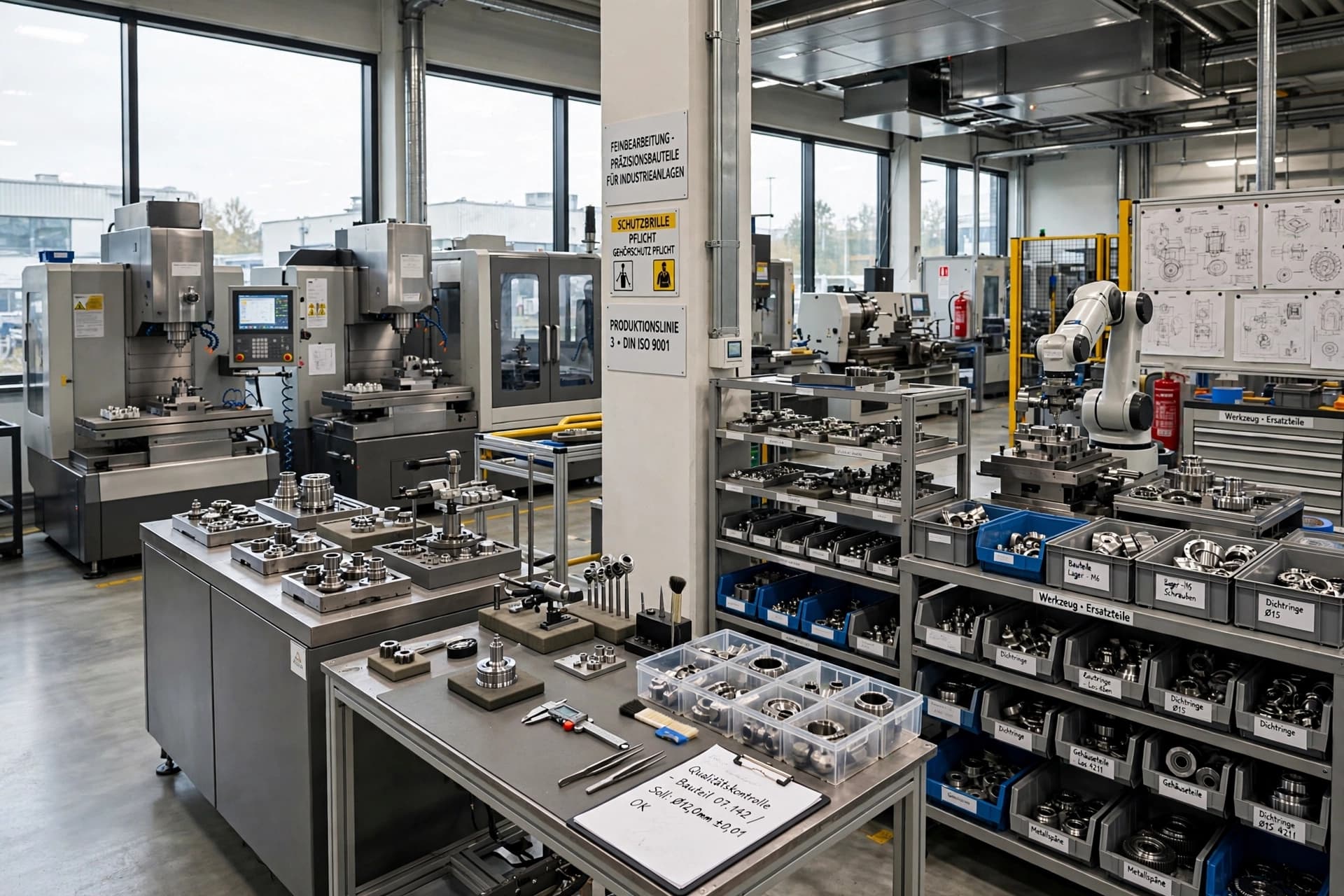
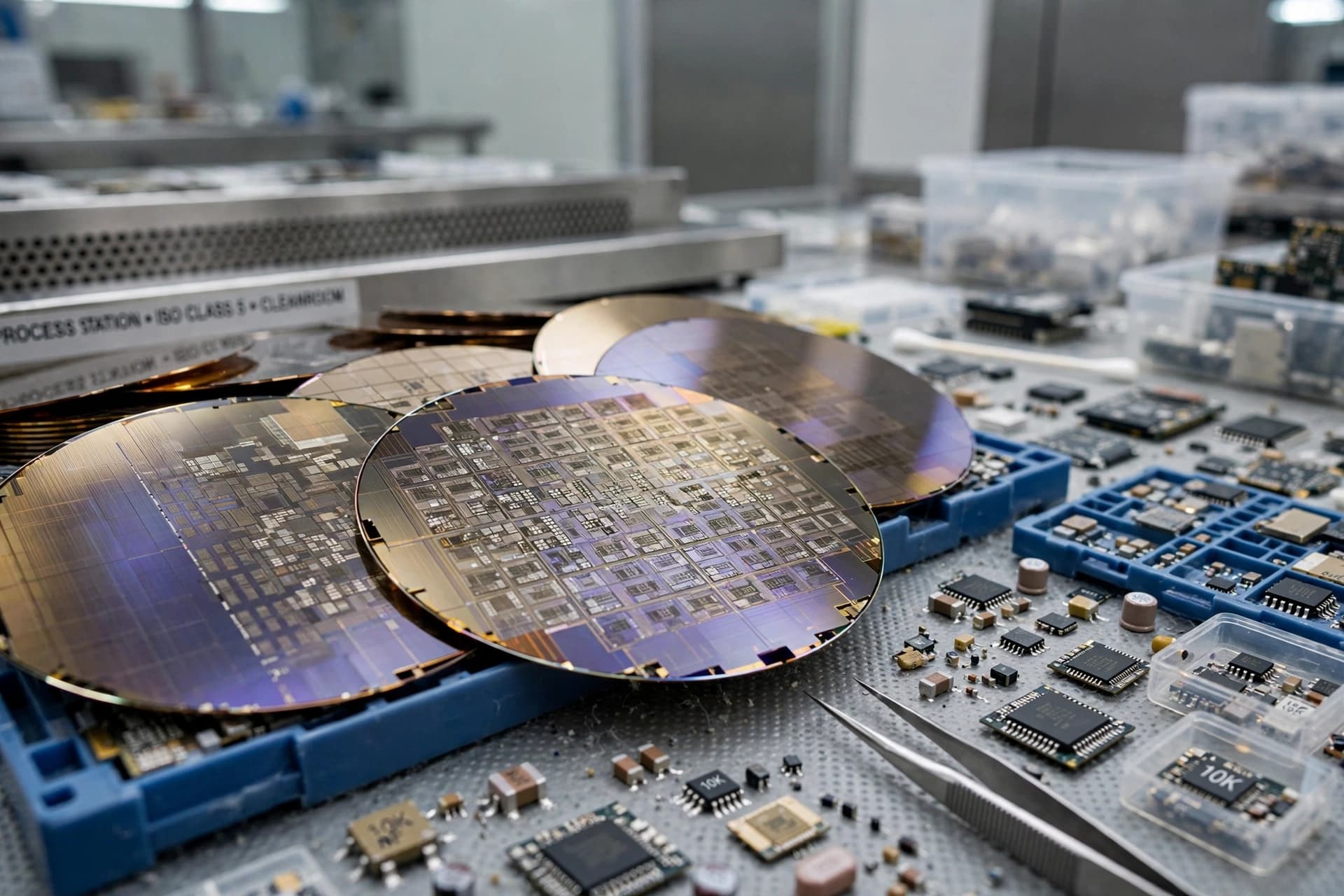
This AI-generated illustration is a conceptual representation of semiconductor manufacturing and does not depict the actual VSMC facility.
Sources
The Business Times Vanguard International Semiconductor Corporation NXP Semiconductors Reuters
Published by Banx Network. This article is part of the Banx decentralized media programme, powered by the BXE token on the XRP Ledger.