According to the report, the financing would consist of approximately $10 billion in bank loans and another $30 billion in investment-grade debt. The proposed transaction is expected to close in 2027, although the details remain subject to the completion of the financing arrangements.
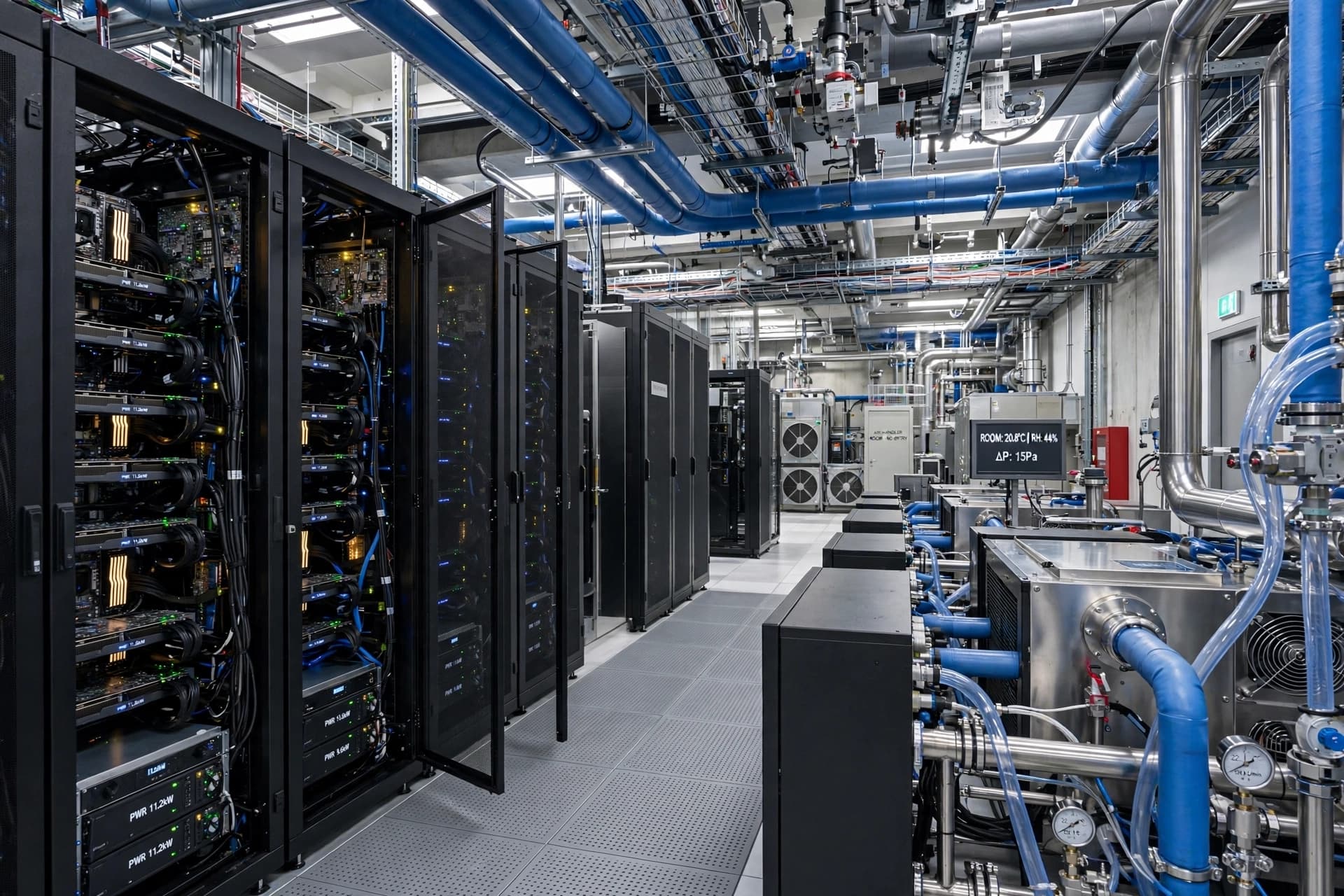
The scale of the proposal offers a glimpse into the extraordinary cost of building AI infrastructure at the highest level. Advanced processors are no longer simply individual components inside computers. In large computing systems, they are acquired by the thousands and integrated into facilities that require substantial amounts of electricity, cooling, networking equipment, and physical space.
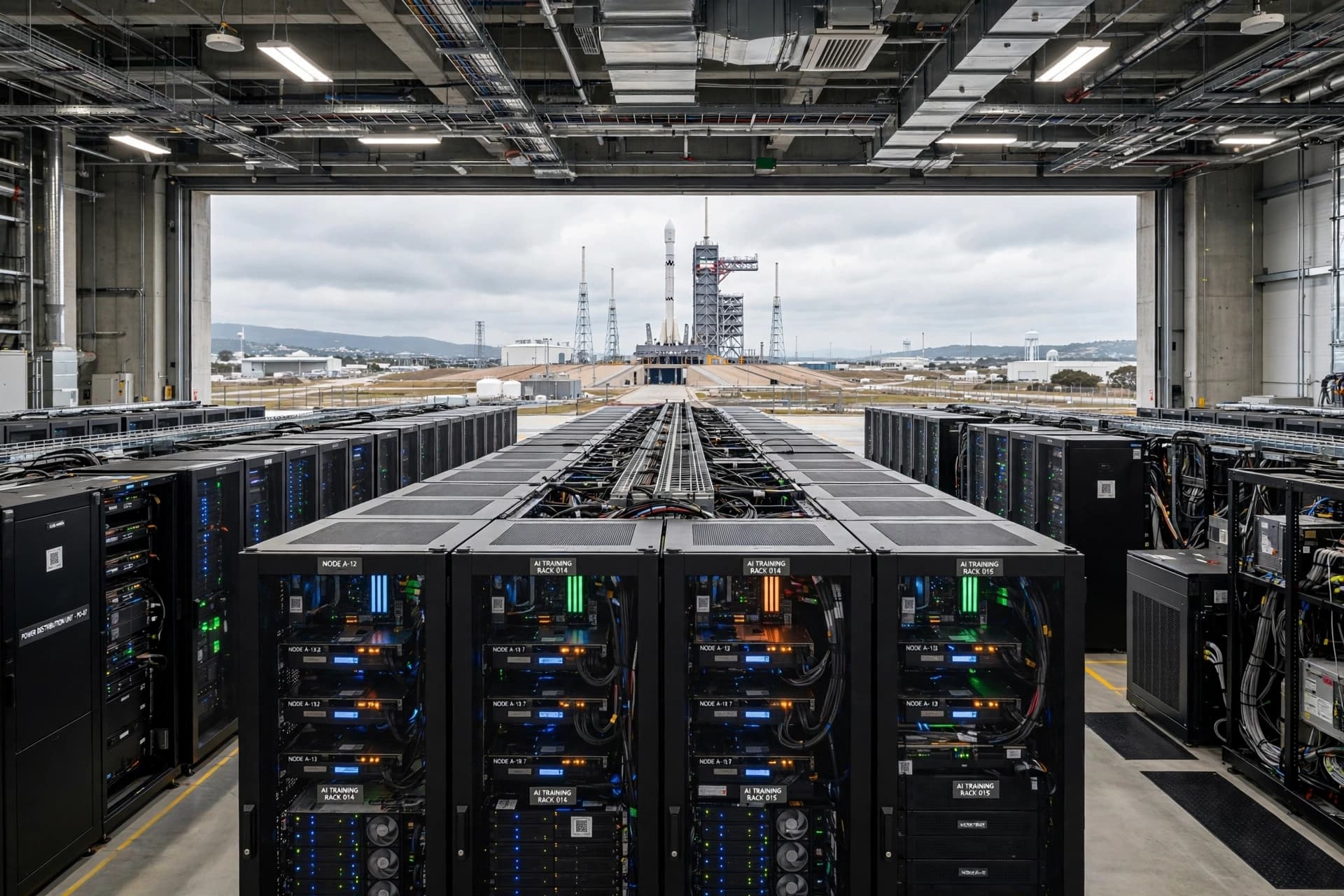
For SpaceX, the reported purchase would add another dimension to a company already known for engineering projects requiring large-scale infrastructure. Its expanding interest in artificial intelligence has brought computing capacity closer to the center of its technological ambitions, creating a bridge between aerospace engineering and the rapidly developing AI industry.
The proposed financing also arrives at a time when the broader AI sector is searching for enormous amounts of capital. Morgan Stanley has estimated that artificial intelligence infrastructure could require approximately $1.5 trillion in external financing by 2028, highlighting the distance between the promise of AI and the physical investment needed to support it.
Apollo is expected to help distribute the proposed debt among investors, with Pimco reportedly among a group of potential lenders. The arrangement reflects the growing role of financial institutions in funding AI infrastructure, as technology companies seek ways to finance hardware and facilities without relying entirely on existing cash reserves.
Nvidia sits at the center of this expanding infrastructure market. Its processors have become some of the most sought-after components for AI systems, and demand for them has grown as companies race to build increasingly powerful computing environments.
The reported SpaceX financing therefore illustrates a broader shift in the technology economy. Artificial intelligence may ultimately be experienced through software, applications, and digital services, but the systems supporting those experiences depend on physical machines. Their construction requires capital on a scale that increasingly resembles traditional infrastructure investment.
The $40 billion financing remains a reported plan rather than a completed transaction. SpaceX, Apollo, and Nvidia did not immediately respond to Reuters requests for comment, while Pimco declined to comment. For now, the proposal stands as another indication of how closely advanced computing, capital markets, and large-scale technology projects are becoming connected.
AI Image Disclaimer These visuals were generated with AI and are intended solely as conceptual representations of the described technology.
Sources Reuters Financial Times
Published by Banx Network. This article is part of the Banx decentralized media programme, powered by the BXE token on the XRP Ledger.