As Shadows Lengthen, the World Reveals Hidden Currents of Seeing
Twilight vision allows the eye to adapt to dim light, balancing rod and cone activity, shaped by biology, environment, and subtle motion, revealing perception’s hidden depth.

Twilight vision allows the eye to adapt to dim light, balancing rod and cone activity, shaped by biology, environment, and subtle motion, revealing perception’s hidden depth.

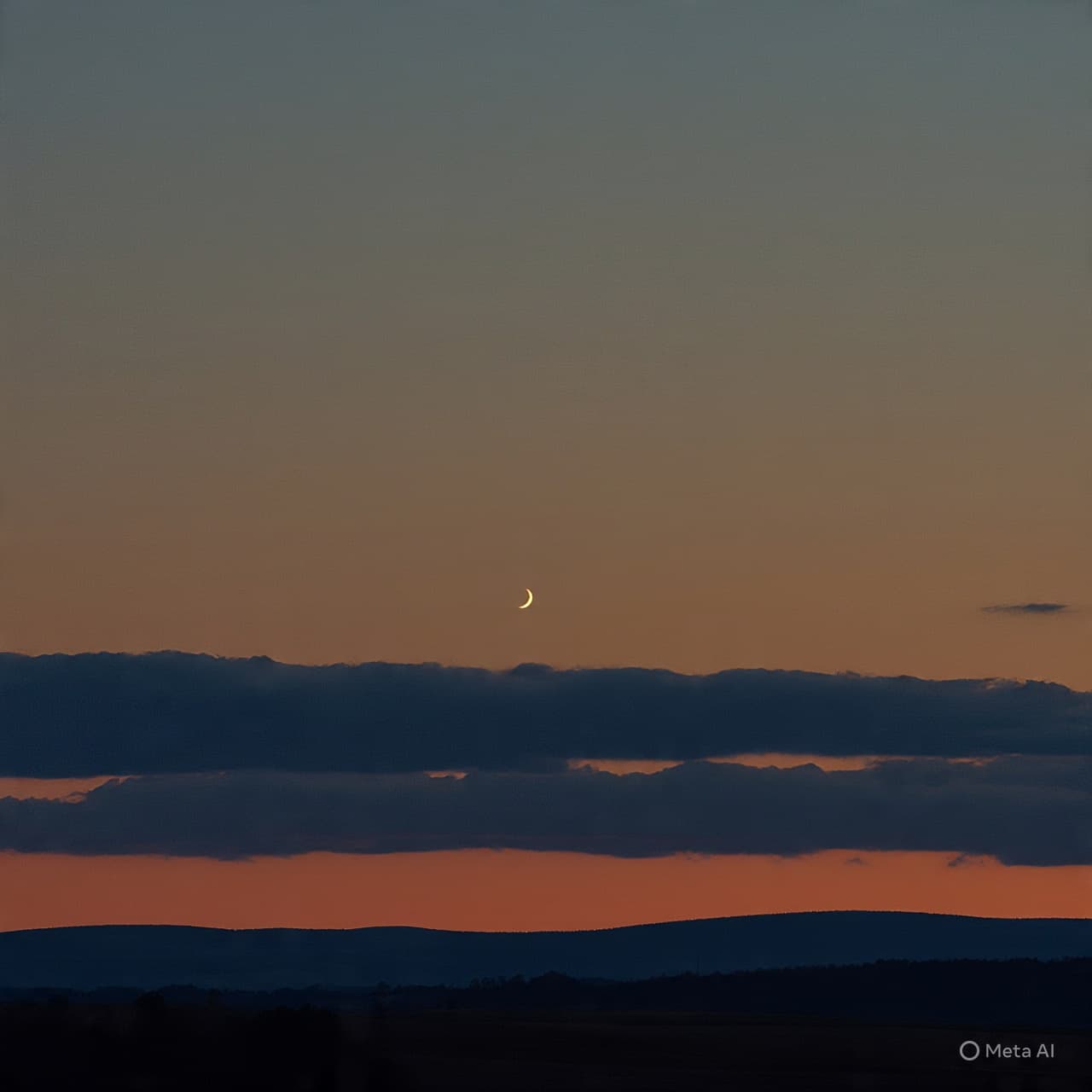
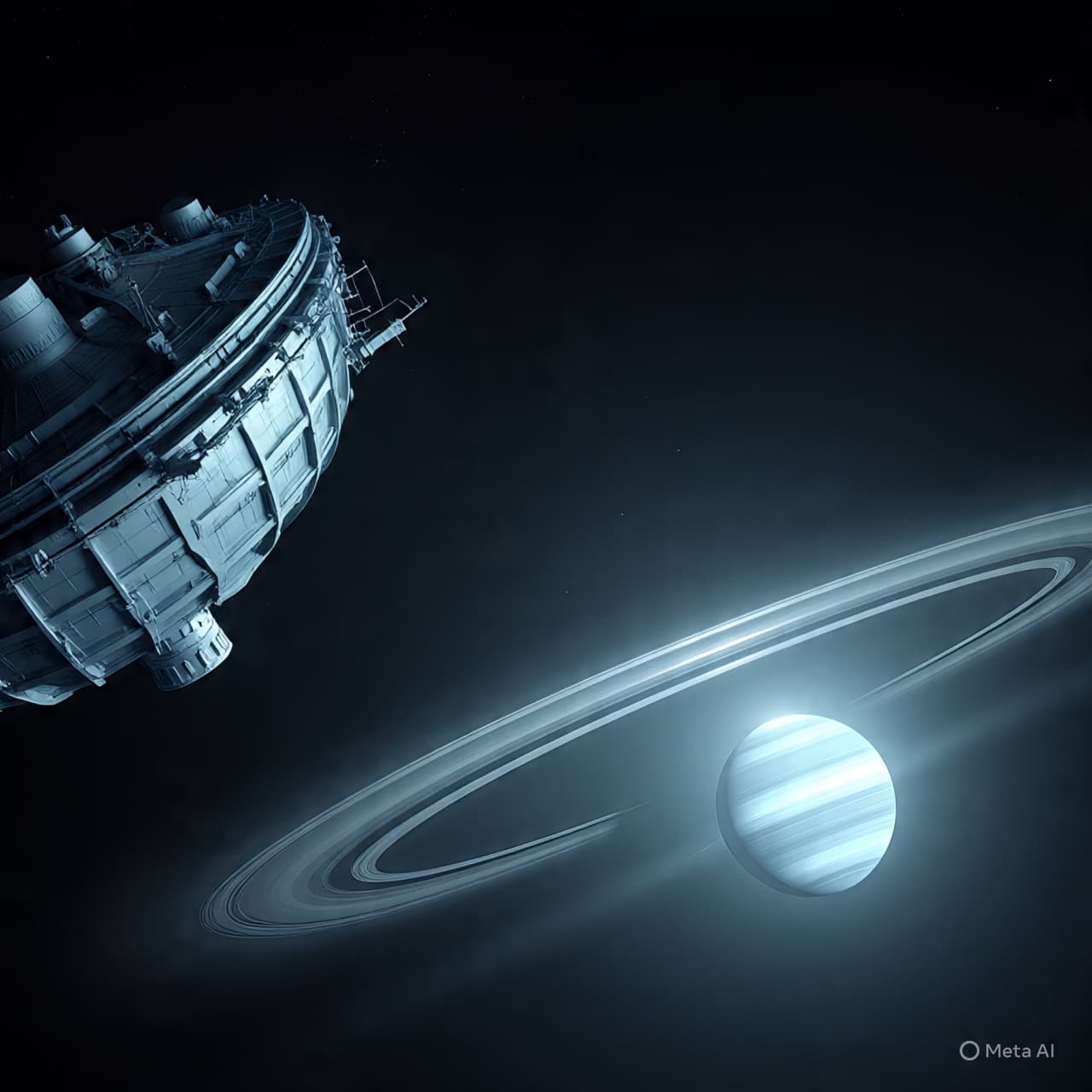
A razor-thin crescent moon will appear beside Saturn after sunset on Feb. 19, offering a brief but striking twilight conjunction visible in the western sky.

The Salt Creek Boardwalk in Death Valley National Park has reopened after flood damage, offering renewed access to view the rare Salt Creek pupfish and updated, storm‑resilient visitor facilities.

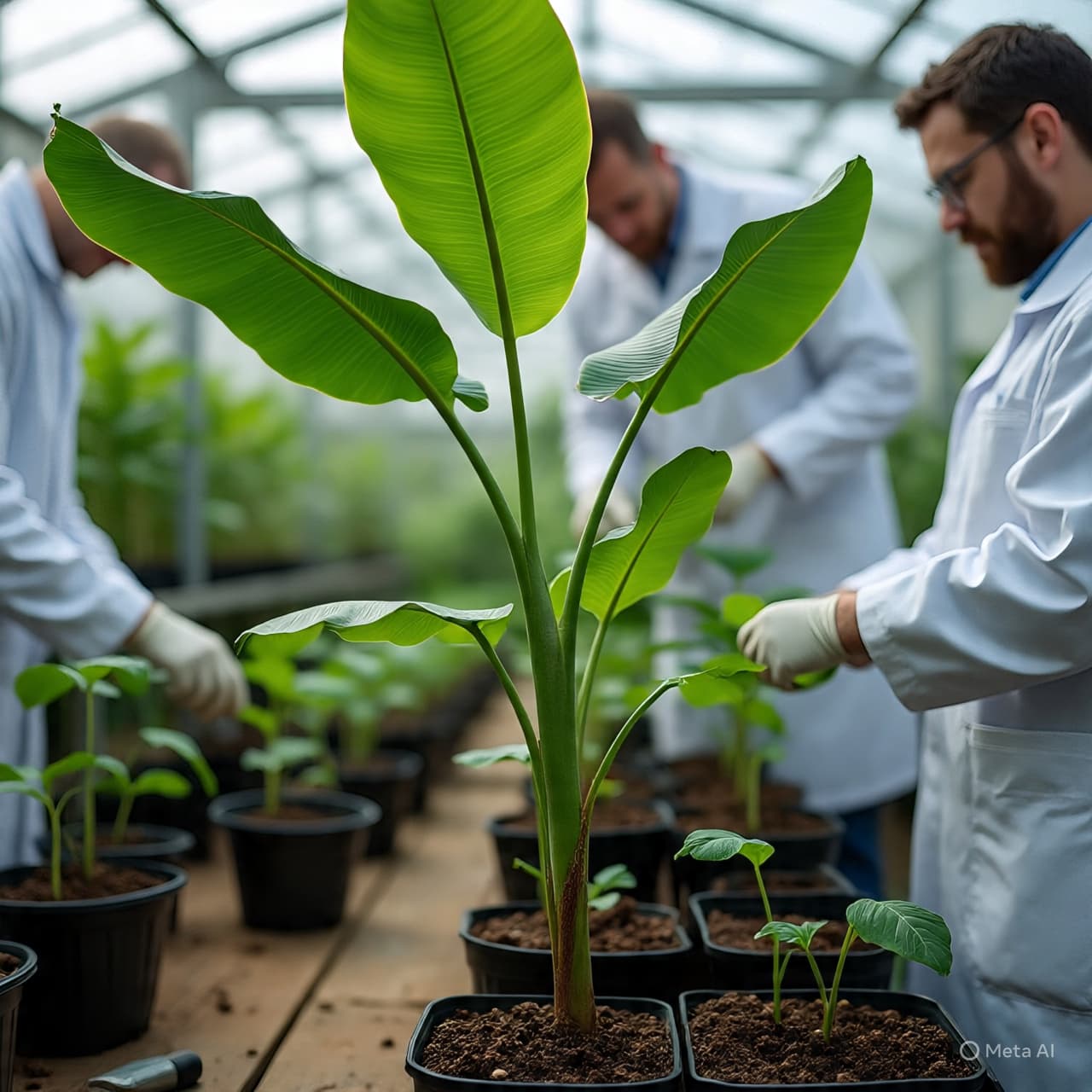
Queensland scientists located a genomic region on chromosome 5 linked to resistance against Fusarium wilt STR4 in wild bananas, aiding future breeding of resilient commercial varieties.

Researchers find that mathematical symmetry and structural patterns in melodies help explain why some tunes feel cohesive and memorable, shedding light on the science of catchy music.

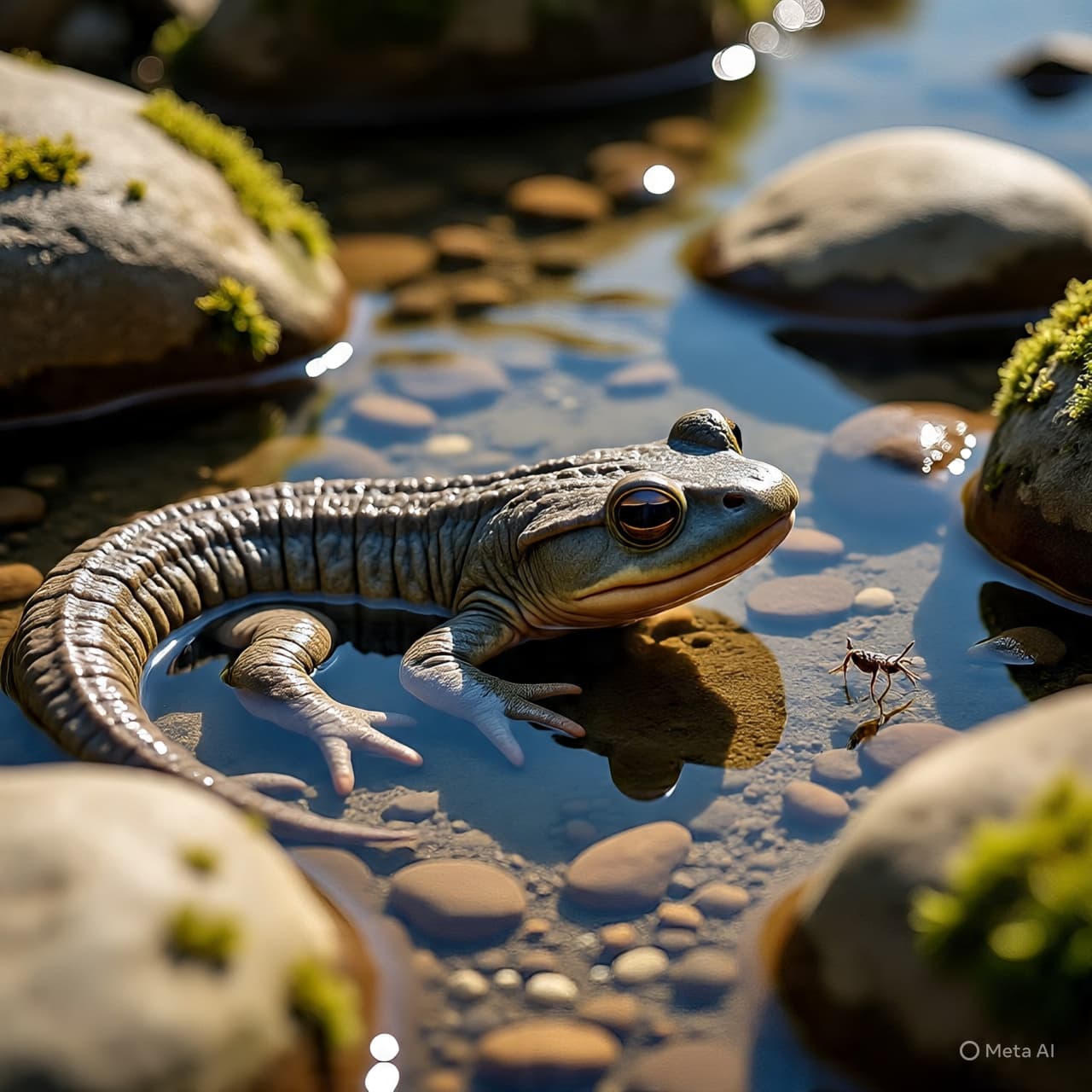
Conservation groups sued the U.S. Fish and Wildlife Service for missing a 2025 deadline to finalize Endangered Species Act protections for the eastern hellbender, a giant salamander in Tennessee and beyond.

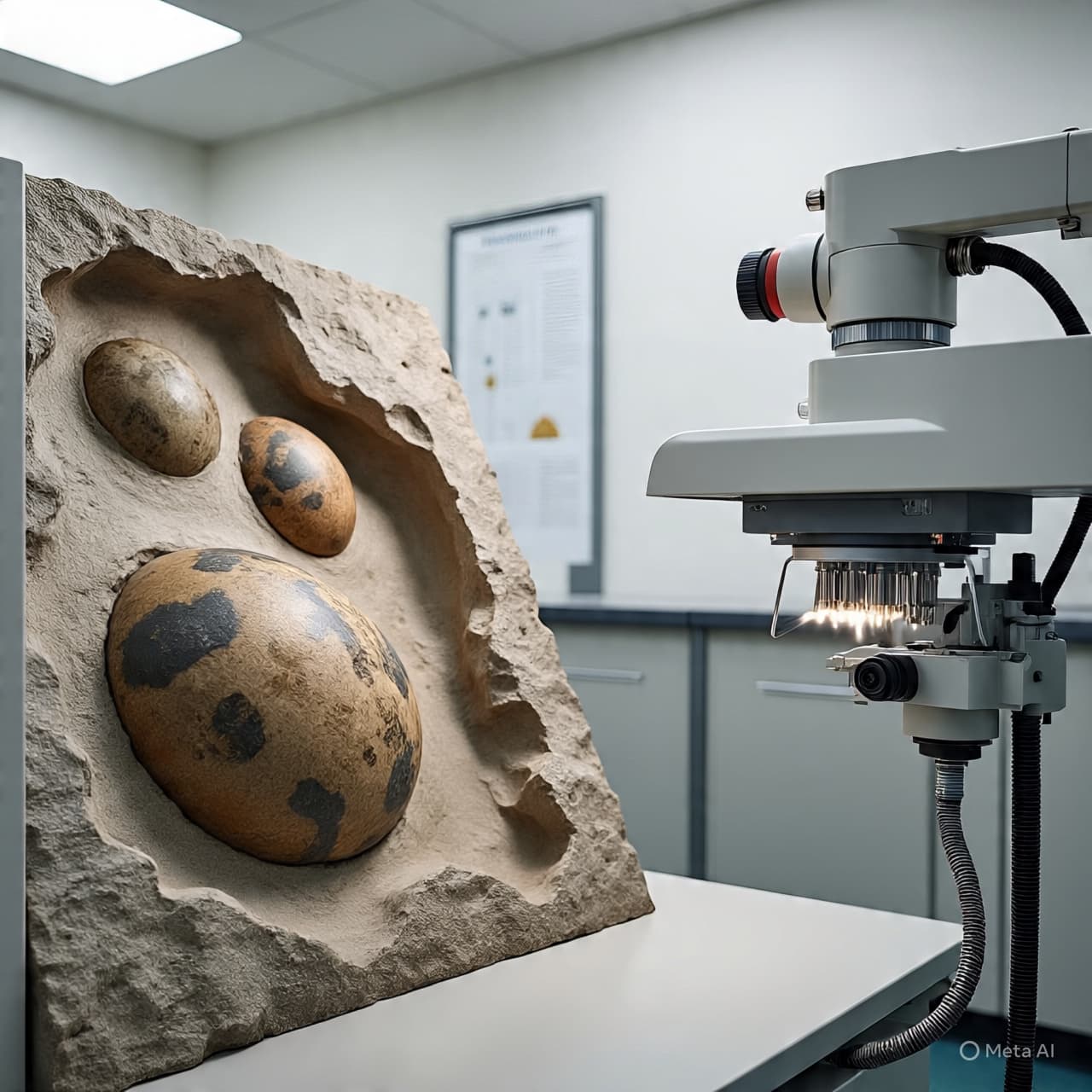
Using synchrotron X‑ray imaging at a giant accelerator, scientists have visualized perfectly preserved dinosaur embryos inside 200‑million‑year‑old eggs, revealing detailed development features.

Scientists report evidence that a niobium–rhenium alloy may host triplet superconductivity, a rare state that could improve spin transport and stability in future quantum computing platforms.

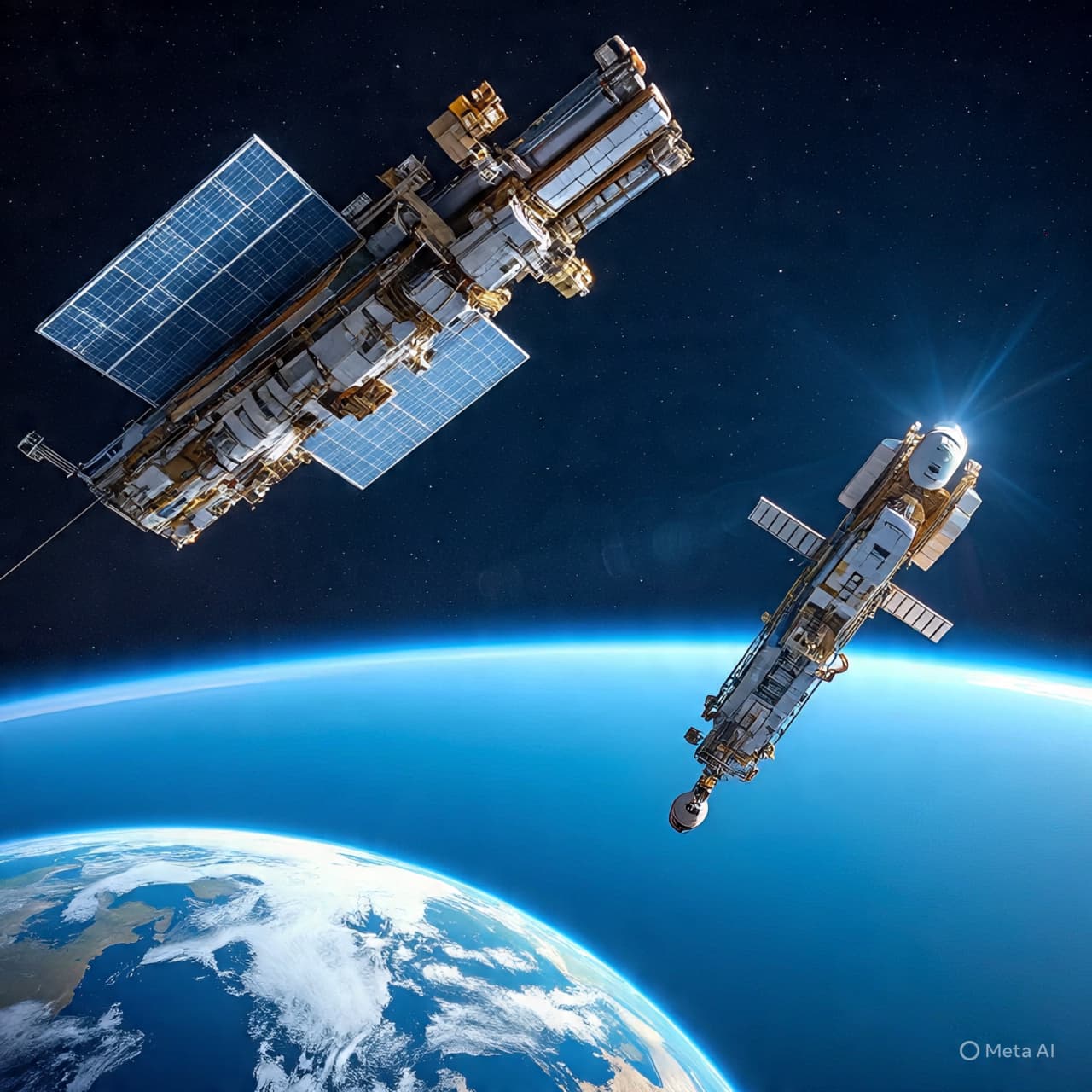
Four astronauts have arrived at the International Space Station aboard a SpaceX Crew Dragon, beginning a new mission of research, maintenance, and international cooperation in orbit.

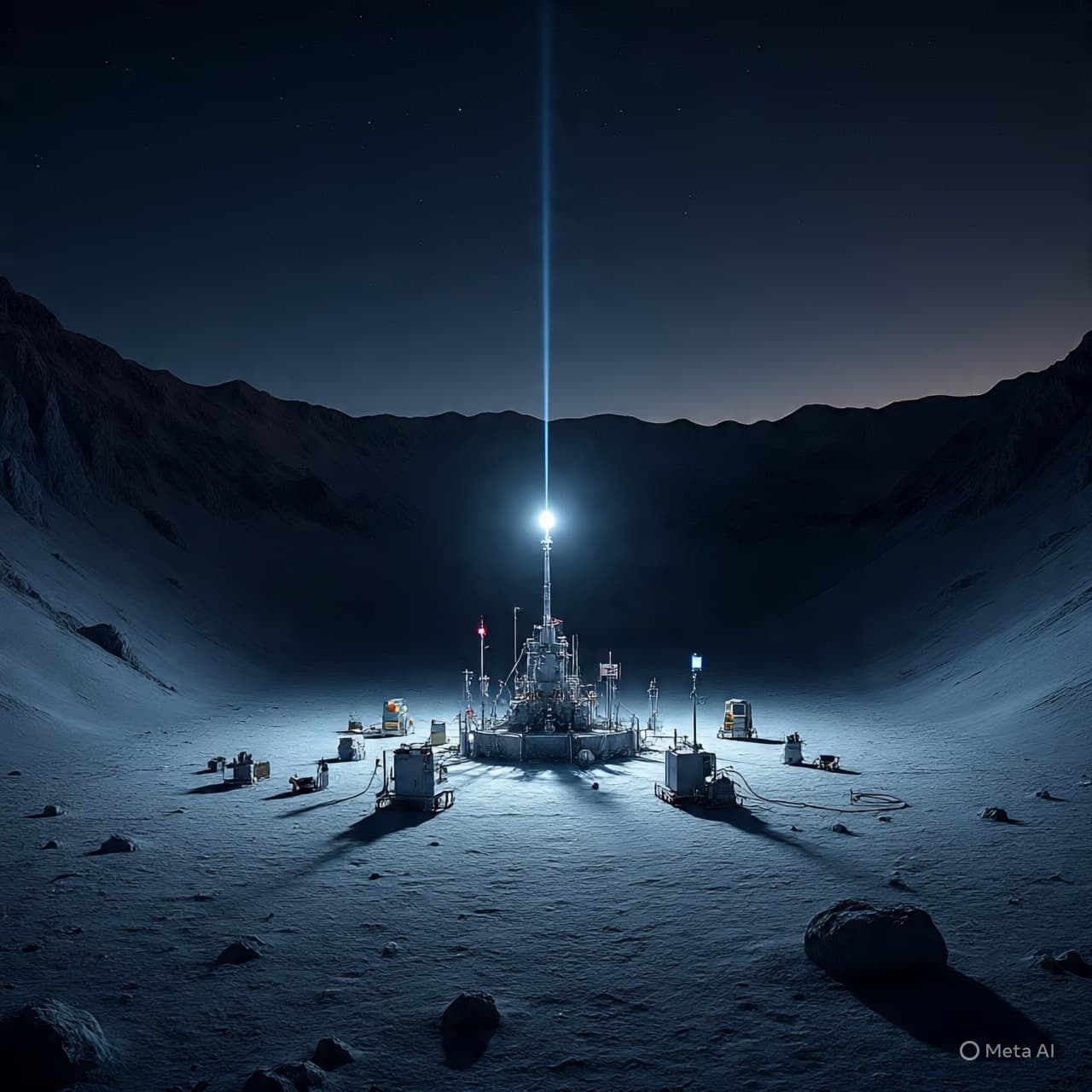
Scientists propose placing an ultra‑stable laser in a permanently shadowed lunar crater to enhance spacecraft navigation on the Moon and improve Earth’s timekeeping precision.

Boeing’s Starliner mission was delayed by technical and leadership issues, leaving astronauts in orbit for months before returning safely, highlighting spaceflight’s fragile complexity.

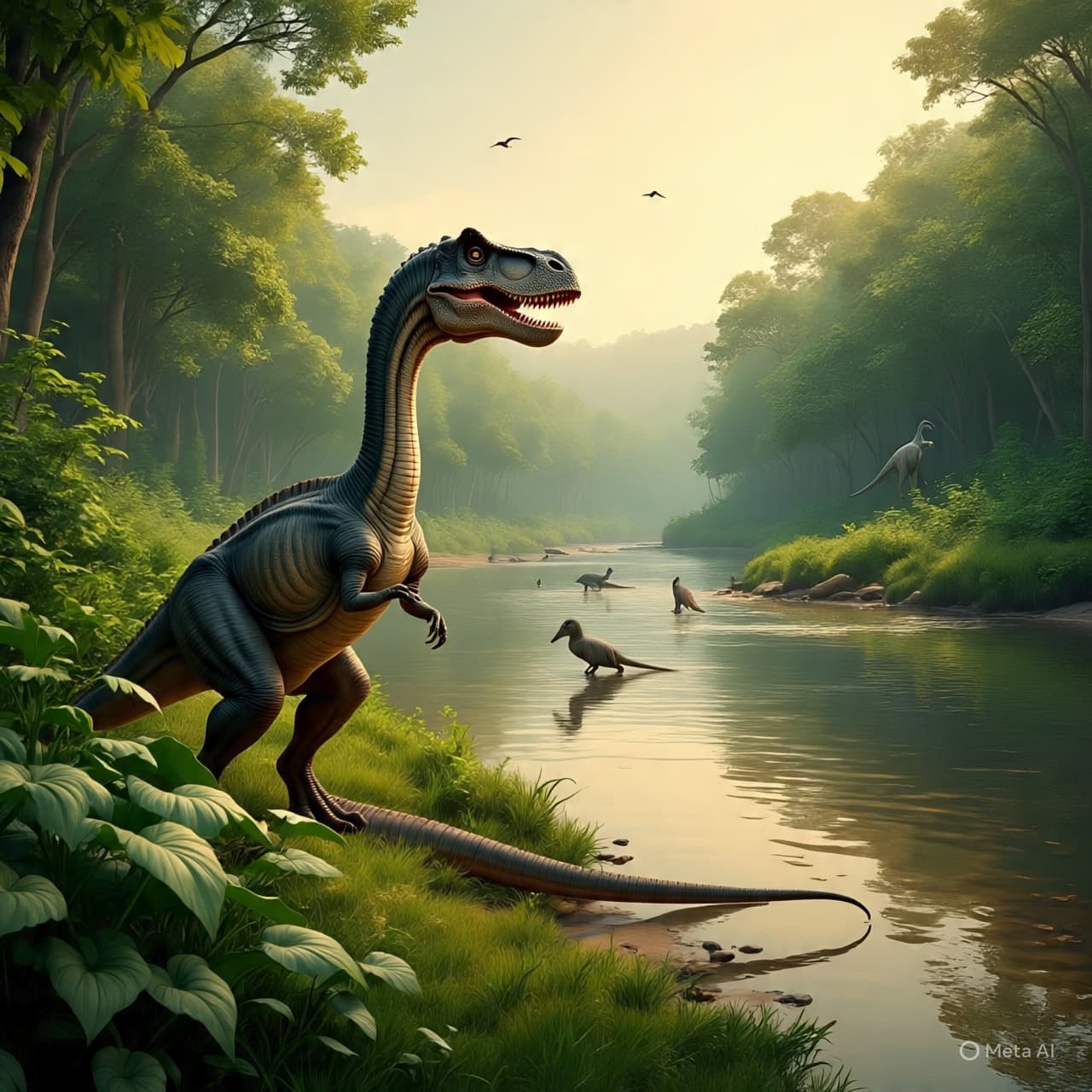
A new Spinosaurus species, Spinosaurus mirabilis, has been discovered in the Sahara, revealing inland river habitats and redefining how this famed dinosaur lived and hunted.

A new study shows newly hatched chicks, like humans, associate the sound “bouba” with rounded shapes and “kiki” with sharp ones, suggesting deep sensory links across species.

Researchers have identified a new giant virus, ushikuvirus, whose features and interactions with host cells may offer clues to the evolutionary origins of complex eukaryotic life.

NASA’s Artemis II wet dress rehearsal reached a key milestone as the SLS rocket completed its fueling countdown, testing propellant loading and launch procedures ahead of a possible March lunar mission.

The James Webb Space Telescope has produced the first 3D map of Uranus’ upper atmosphere and auroras, revealing how its tilted magnetic field shapes charged particle motion.

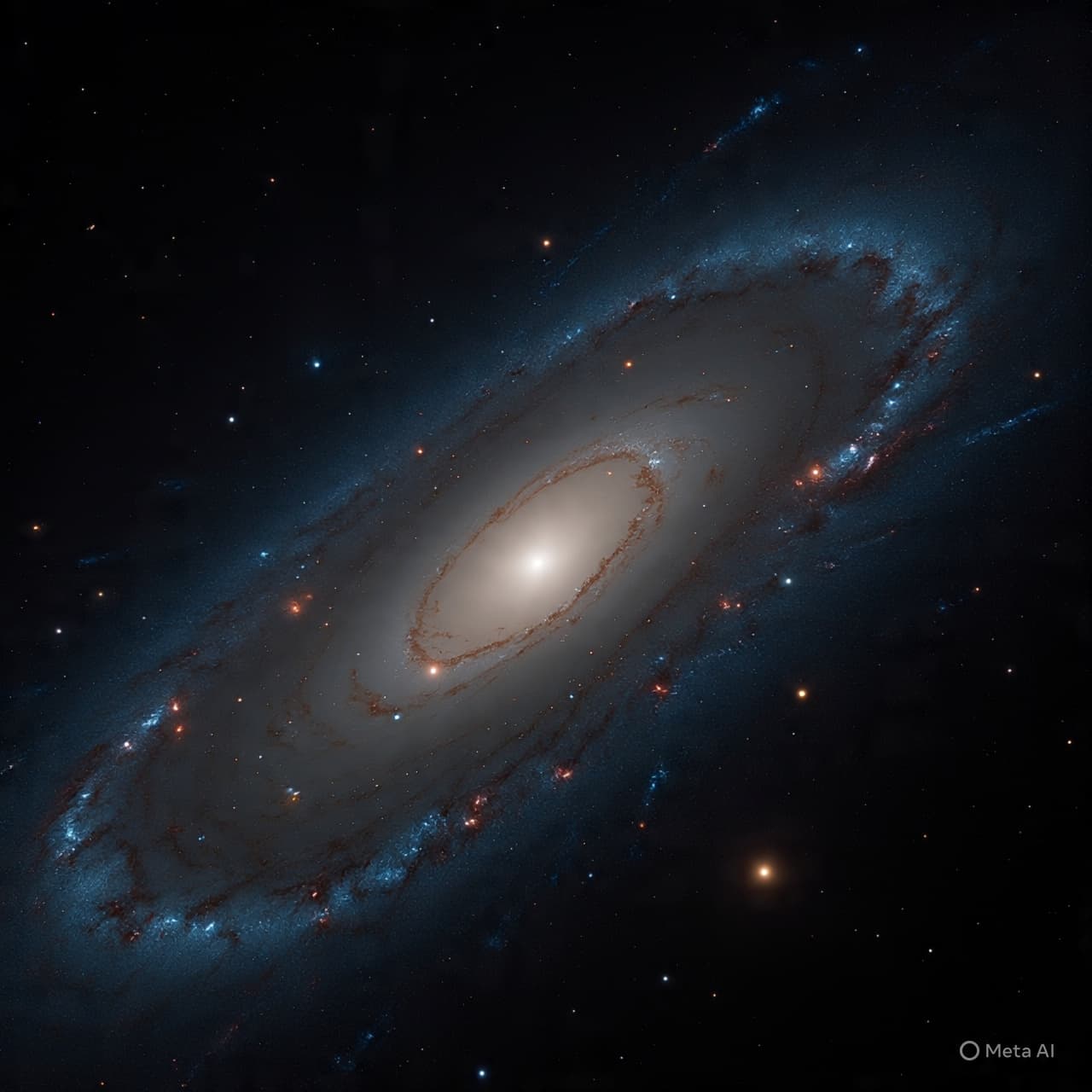
Astronomers have discovered a galaxy dominated by dark matter, with only a few stars and globular clusters visible, revealing one of the most extreme dark matter‑rich systems known.

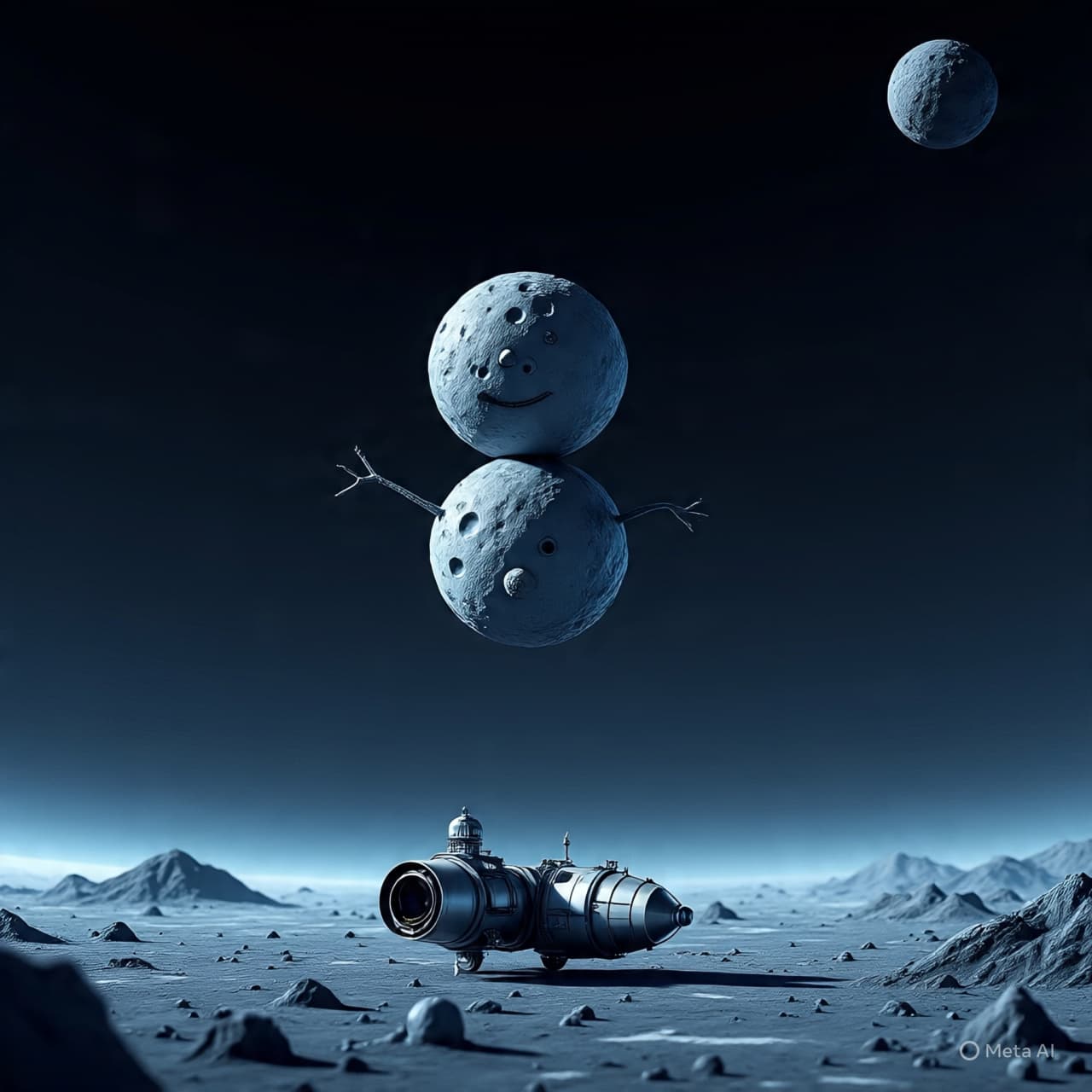
Some comets and asteroids appear snowman-shaped due to cosmic collisions, accretion, and gravity, revealing quiet patterns in the vast solar system.

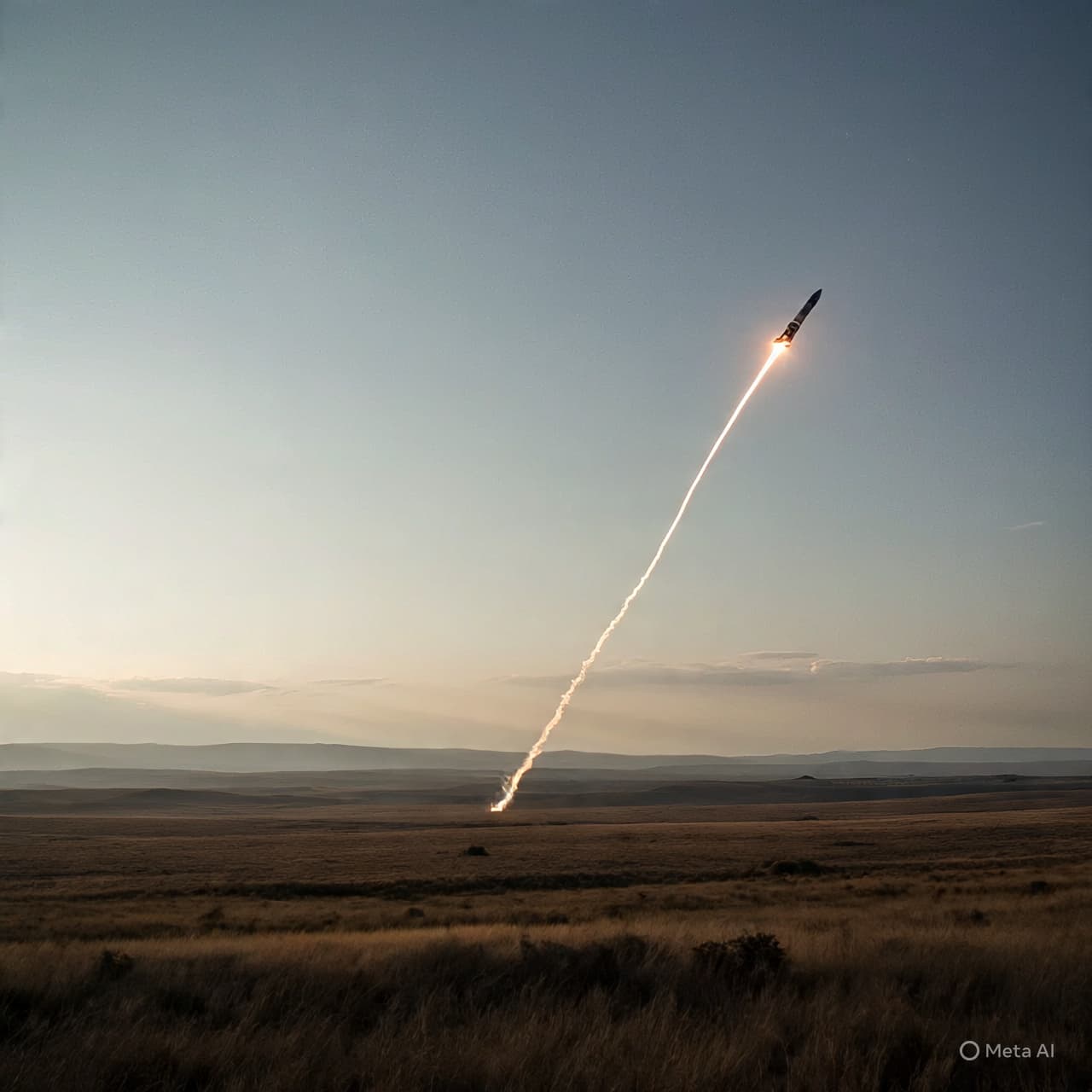
Study finds SpaceX rocket reentries release metallic particles into the upper atmosphere, subtly affecting chemistry and cloud formation over time.

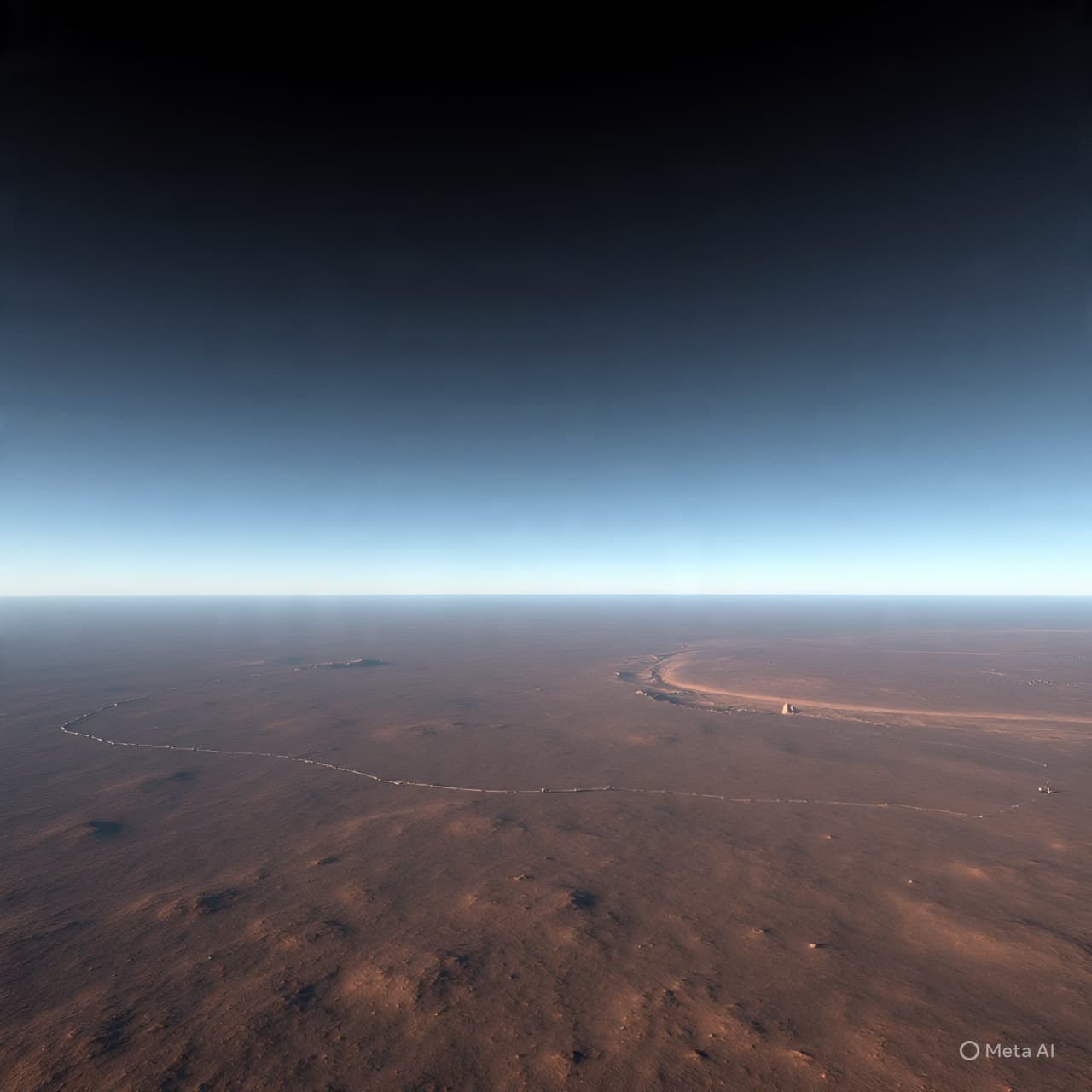
Perseverance now uses a new system to locate itself on Mars within 25cm, enabling precise navigation across craters, dunes, and plains for scientific exploration.

A growing number of people are seeking corrective lenses as extended screen use and modern visual habits subtly alter focus, clarity, and the experience of everyday sight.

A NASA scientist warns that up to 15,000 potentially city-destroying asteroids remain difficult to track or deflect, highlighting ongoing challenges in planetary defense efforts.

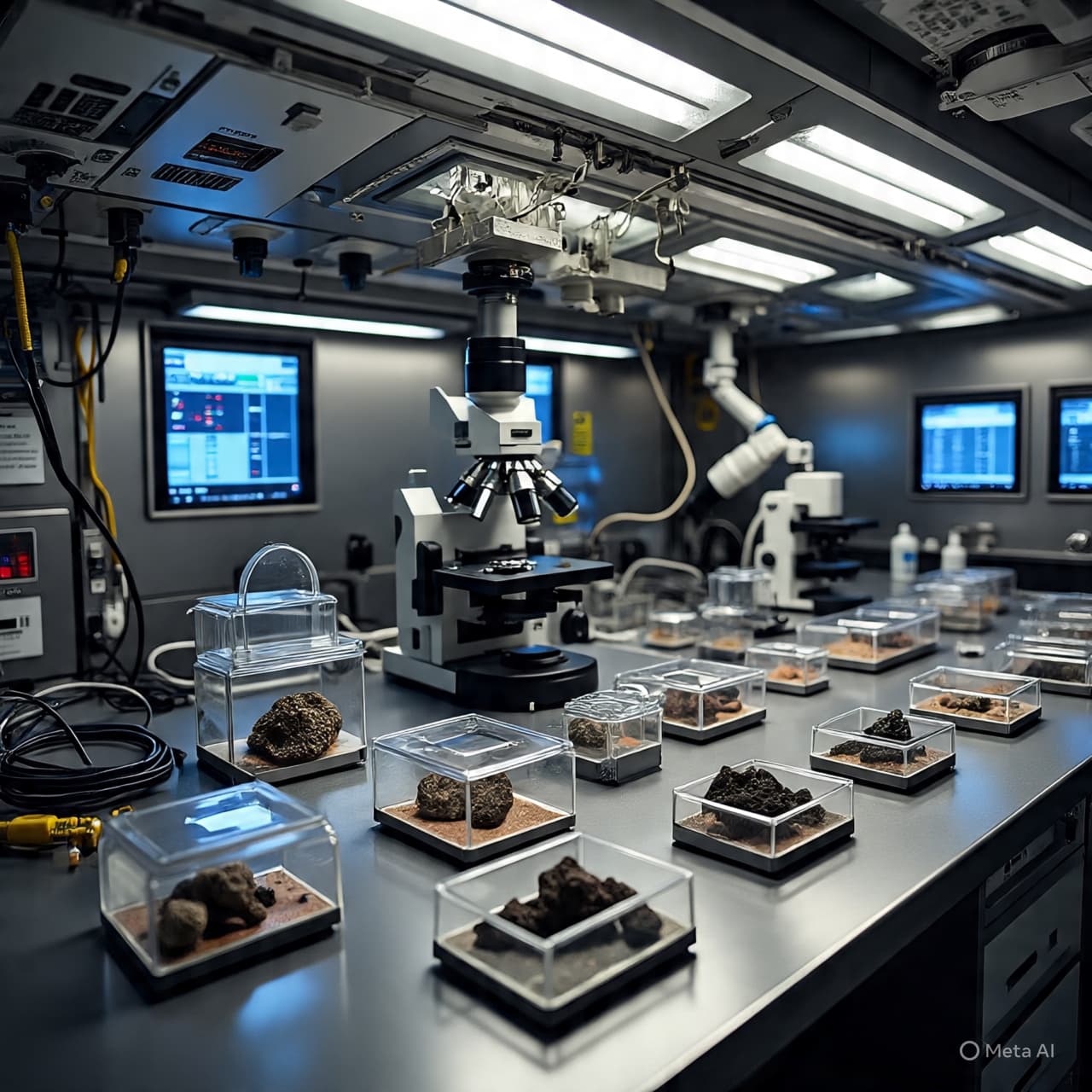
Scientists aboard the ISS are studying whether microbes can extract metals from meteorites in microgravity, advancing research into space biomining and future resource use beyond Earth.

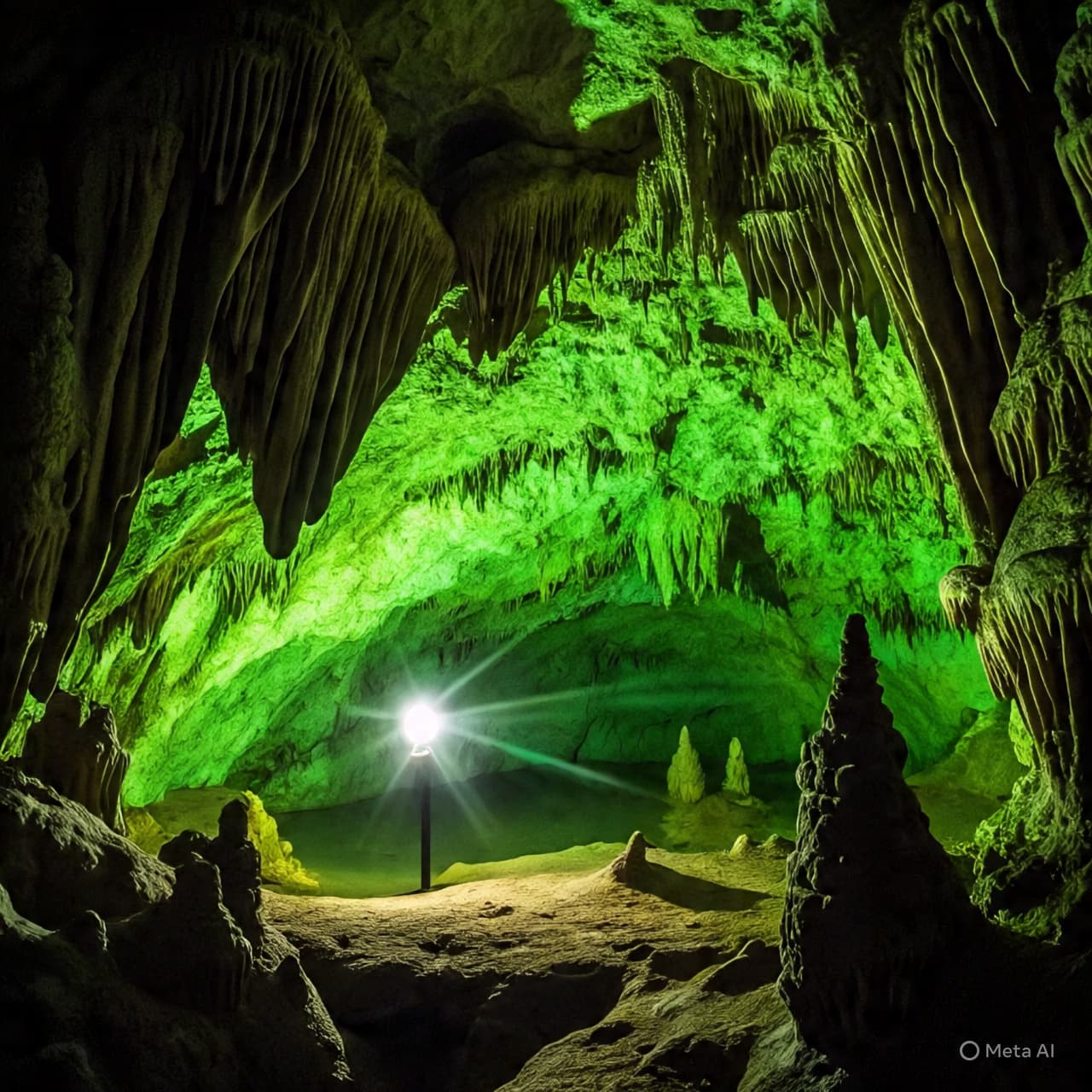
A neon green mineral wall discovered in a dark New Mexico cave may be up to 9 million years old, offering new insight into subterranean geology and mineral formation.