Beneath Quiet Trails, Ancient Water Speaks: The Reawakening of Echinus Geyser
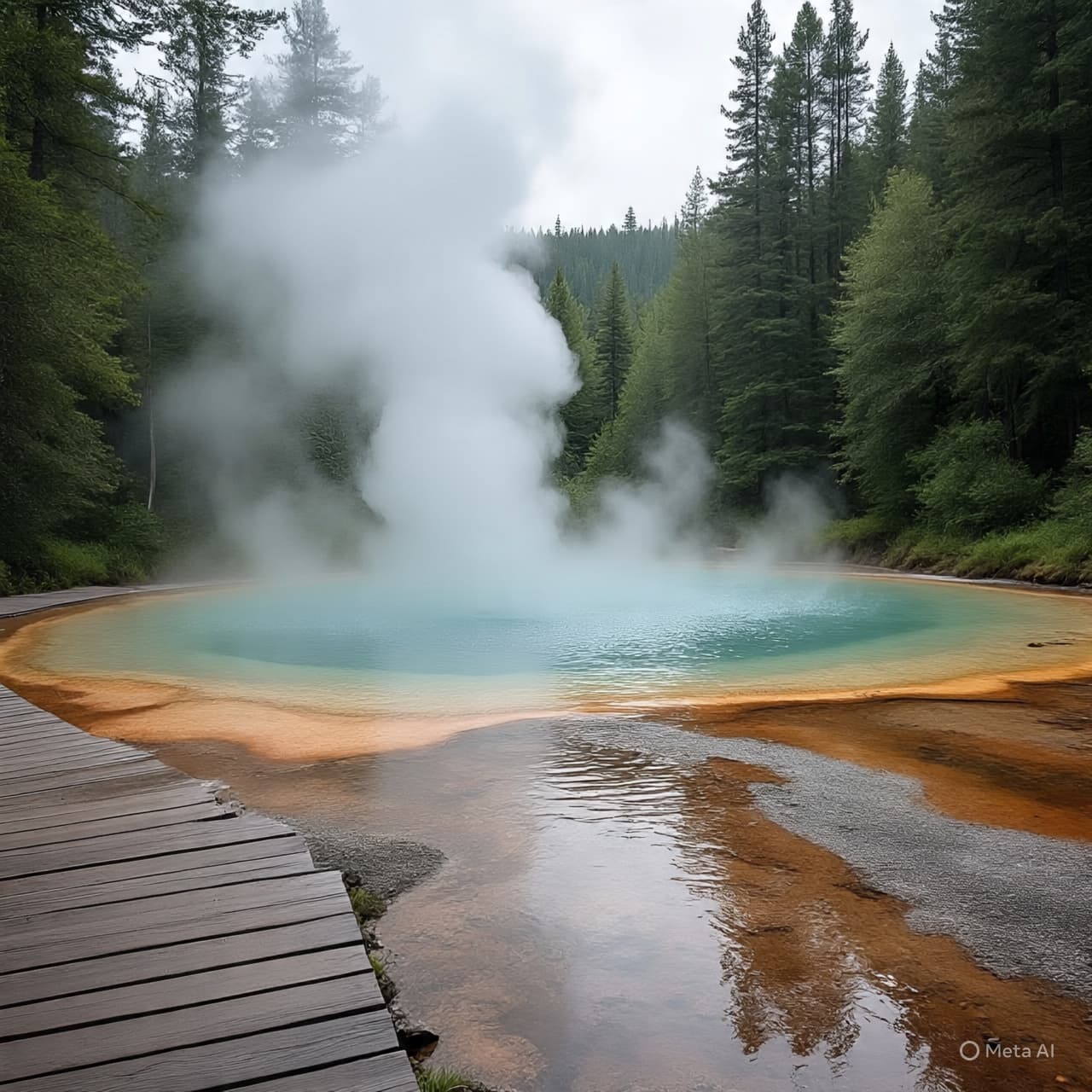
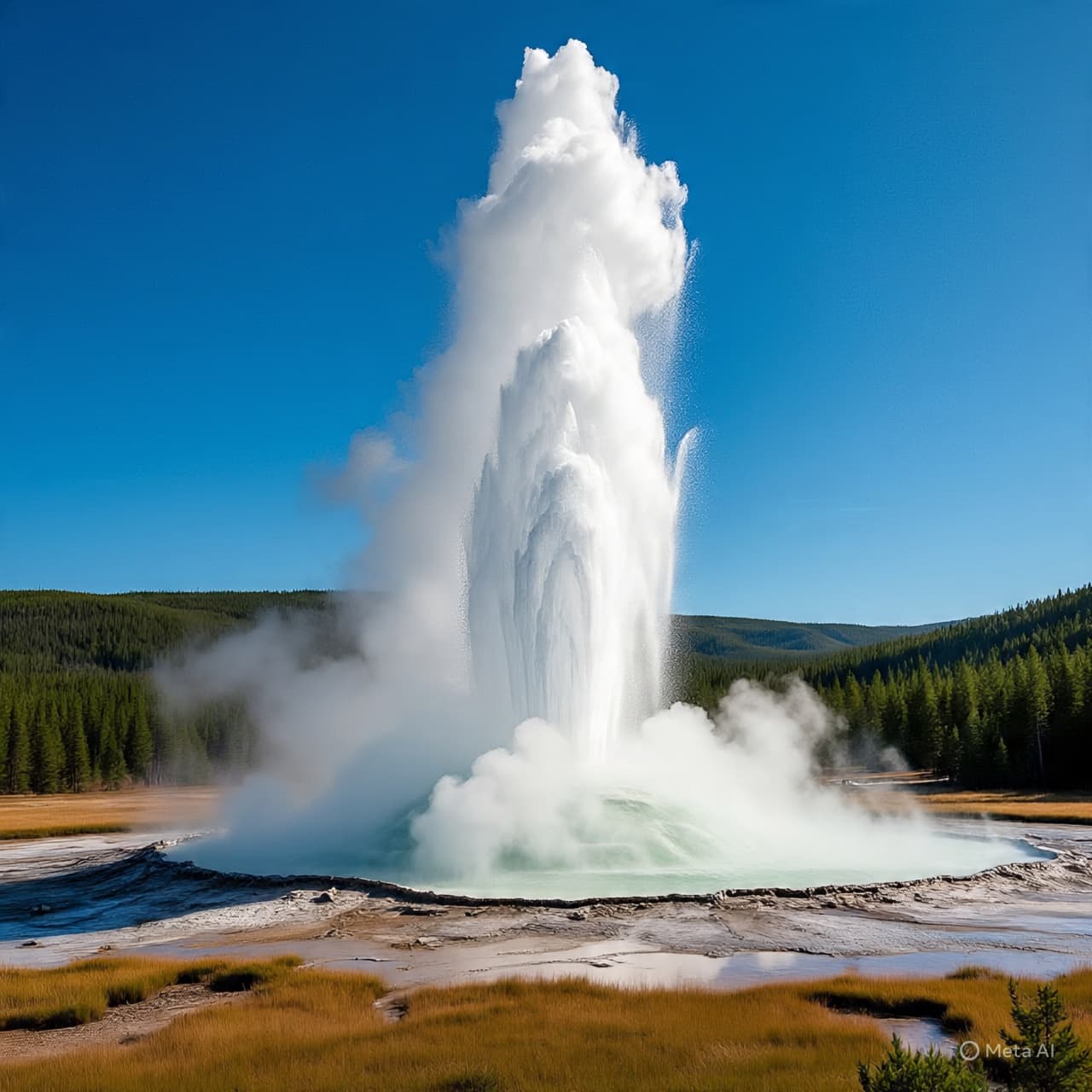
Yellowstone’s Echinus Geyser, the world’s largest acidic geyser, has erupted again in early 2026 after years of dormancy, with regular bursts rising up to 30 feet.

Yellowstone’s Echinus Geyser, the world’s largest acidic geyser, has erupted again in early 2026 after years of dormancy, with regular bursts rising up to 30 feet.

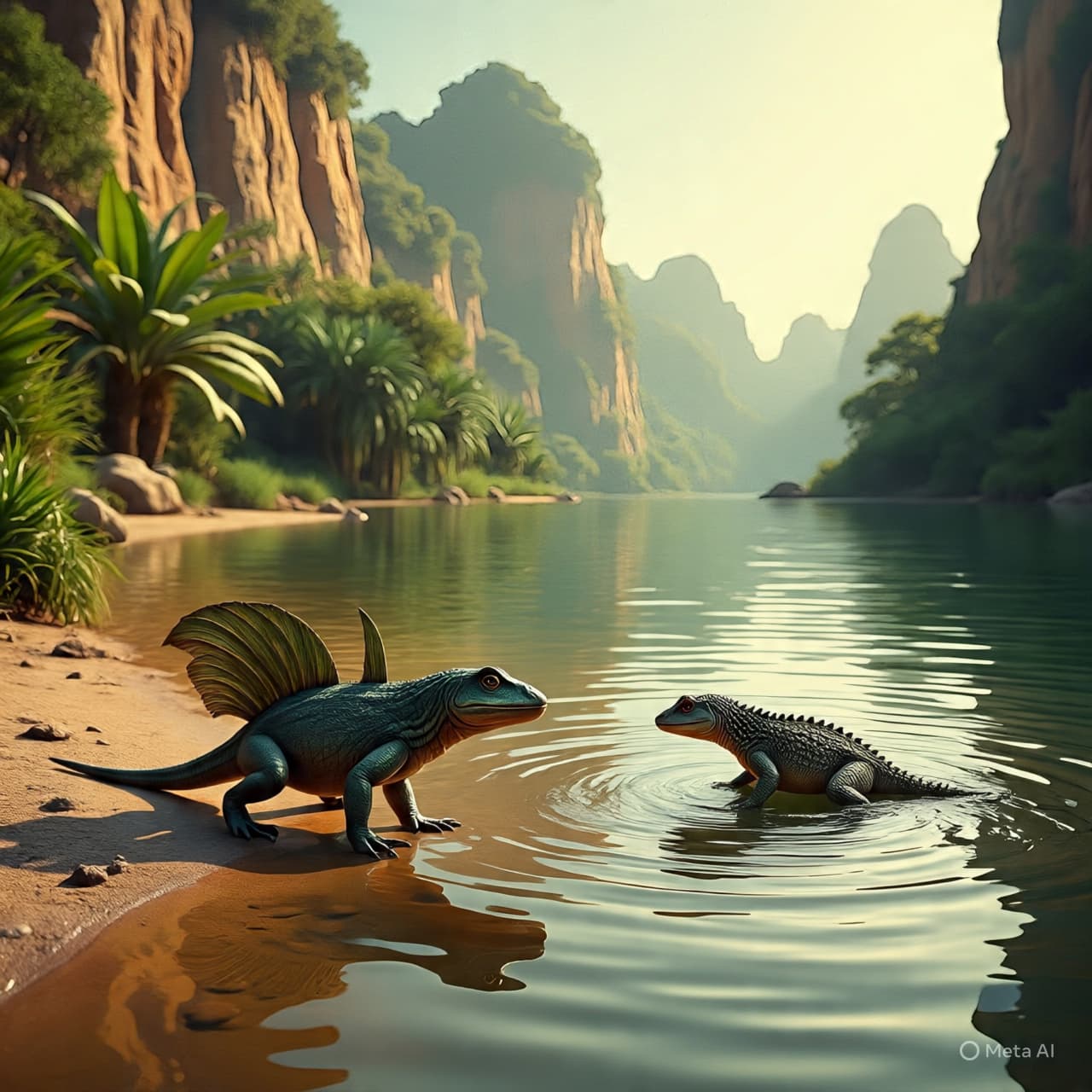
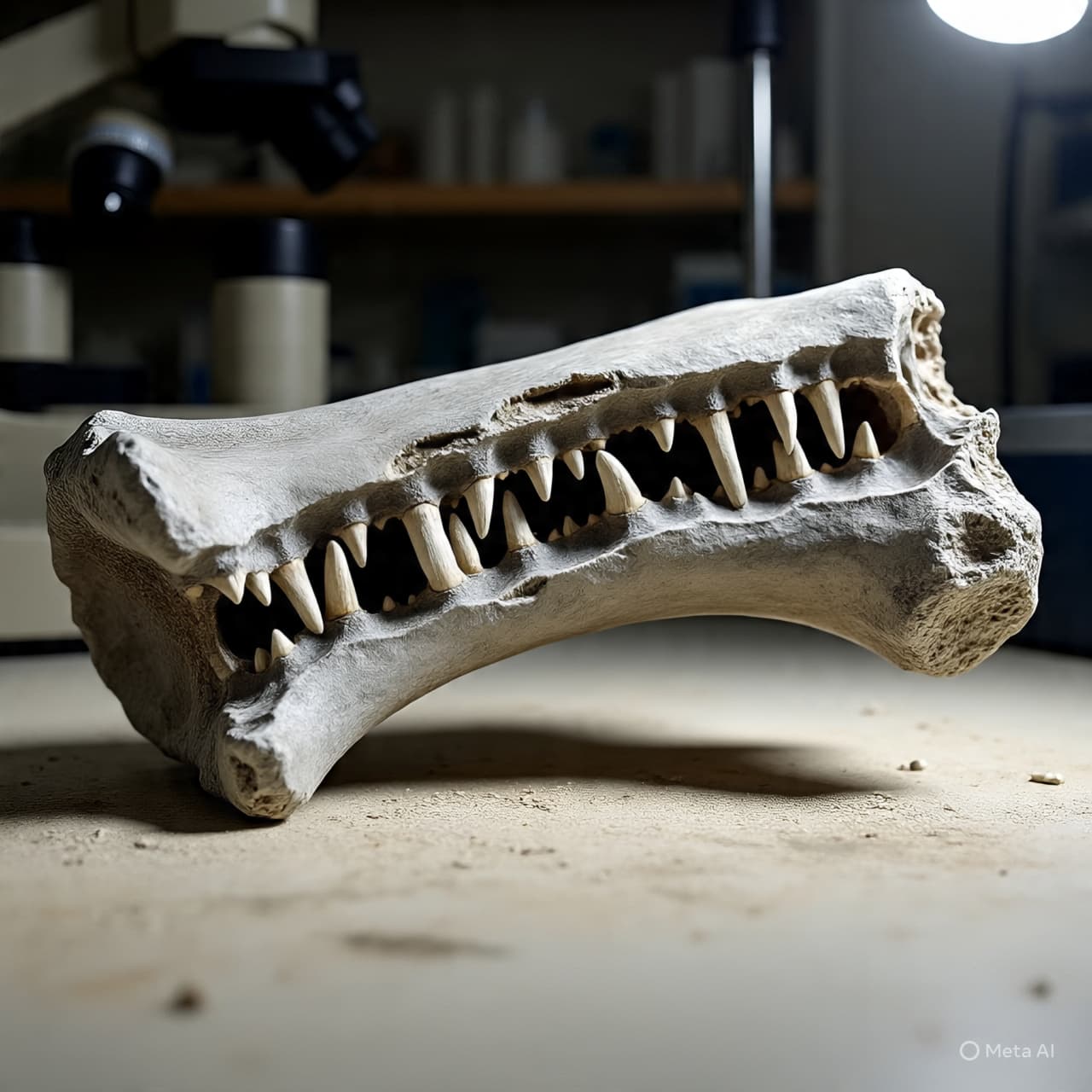
Scientists unearthed Tanyka amnicola, a 275‑million‑year‑old tetrapod with a twisted jaw and sideways teeth, revealing a unique ancient lineage that survived alongside early relatives.

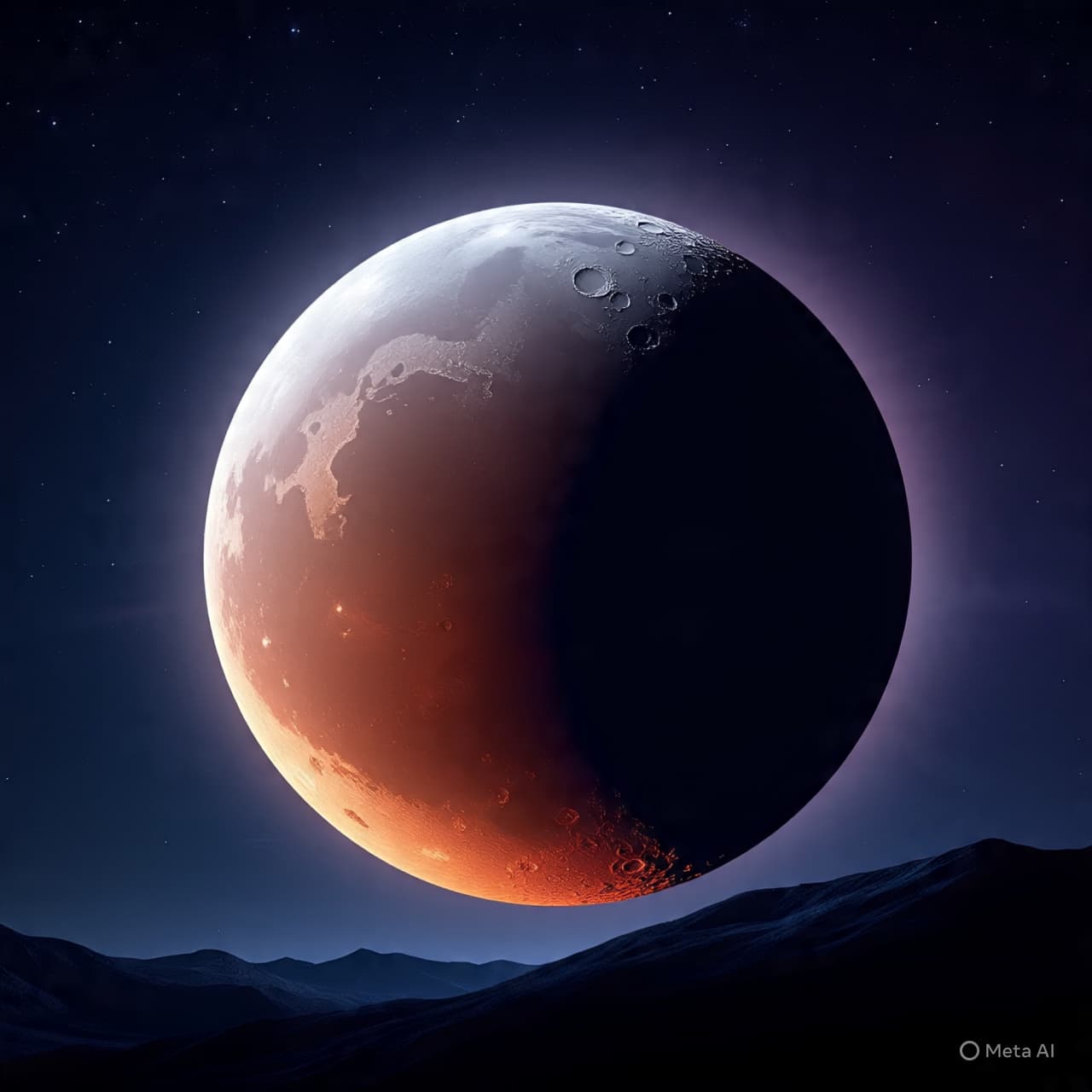
A rare total lunar eclipse on March 3, 2026 cast Earth’s shadow across the Moon, turning it a deep red. Skywatchers across North America, Asia, and Australia captured stunning photos that connect observers under one sky.

Tiny Purgatorius fossils found in Colorado suggest early primate relatives spread southward soon after the dinosaur extinction, reshaping understanding of primate origins.

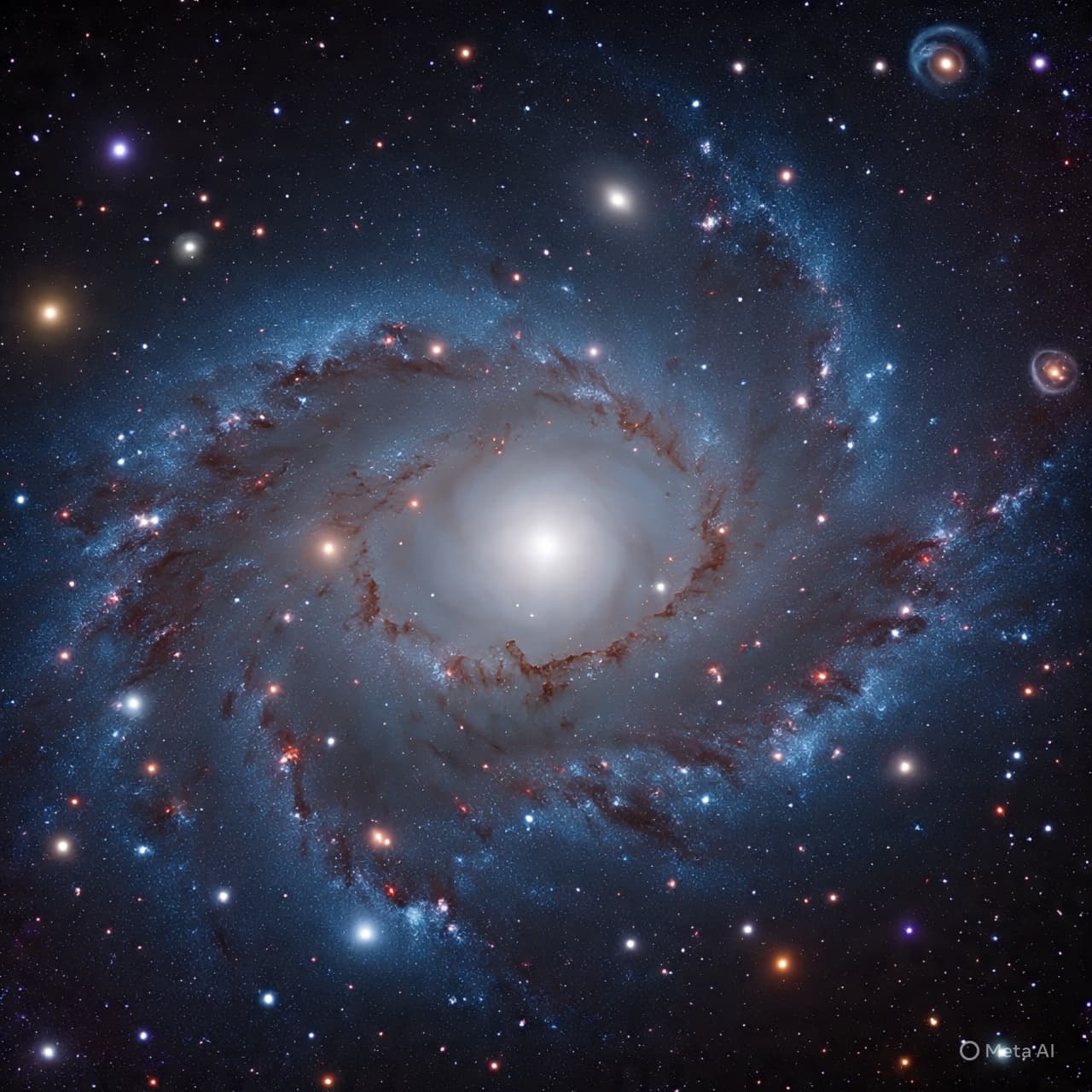
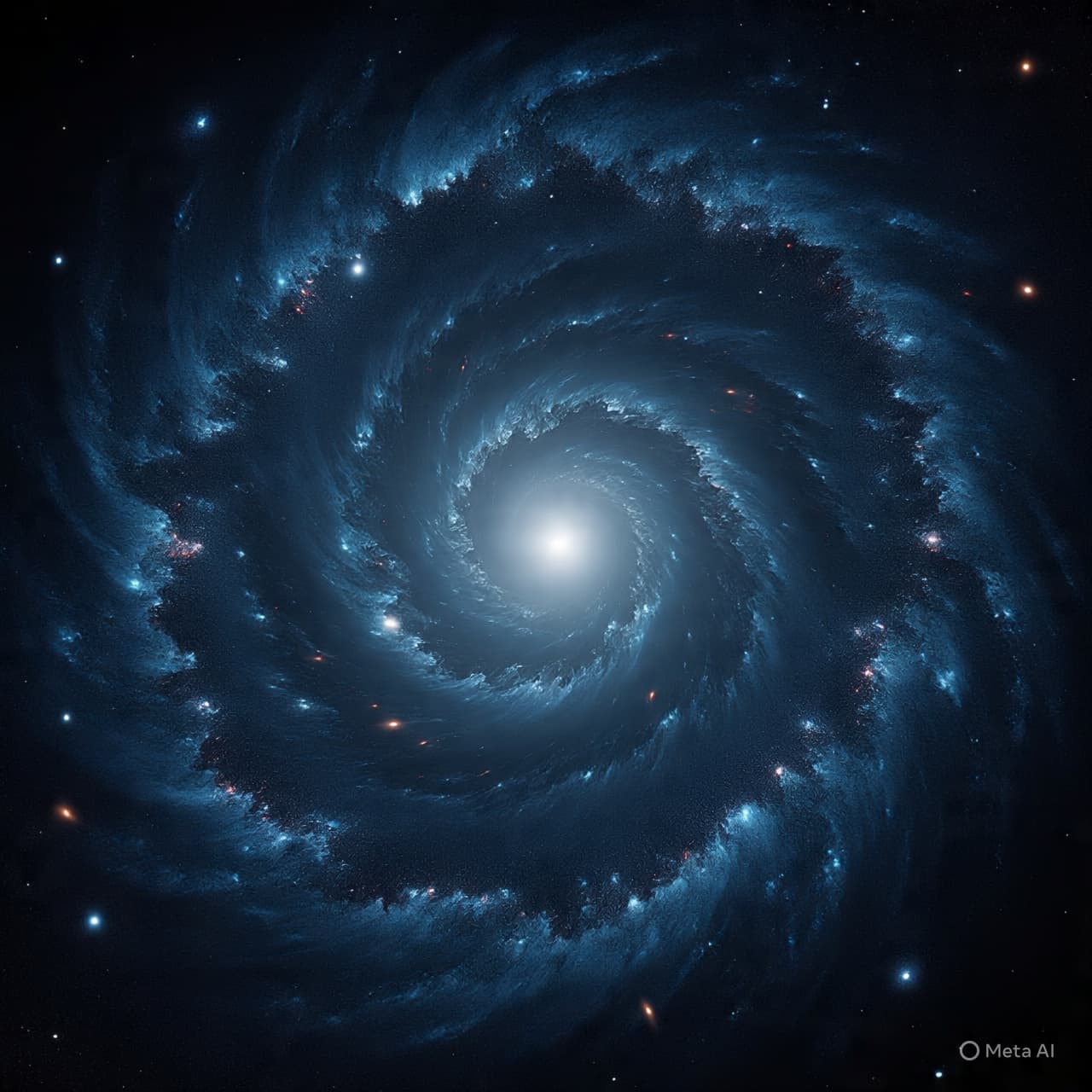
NASA’s Hubble telescope has detected a possible dark galaxy — a structure dominated by dark matter with little or no starlight — offering new clues about galaxy formation.

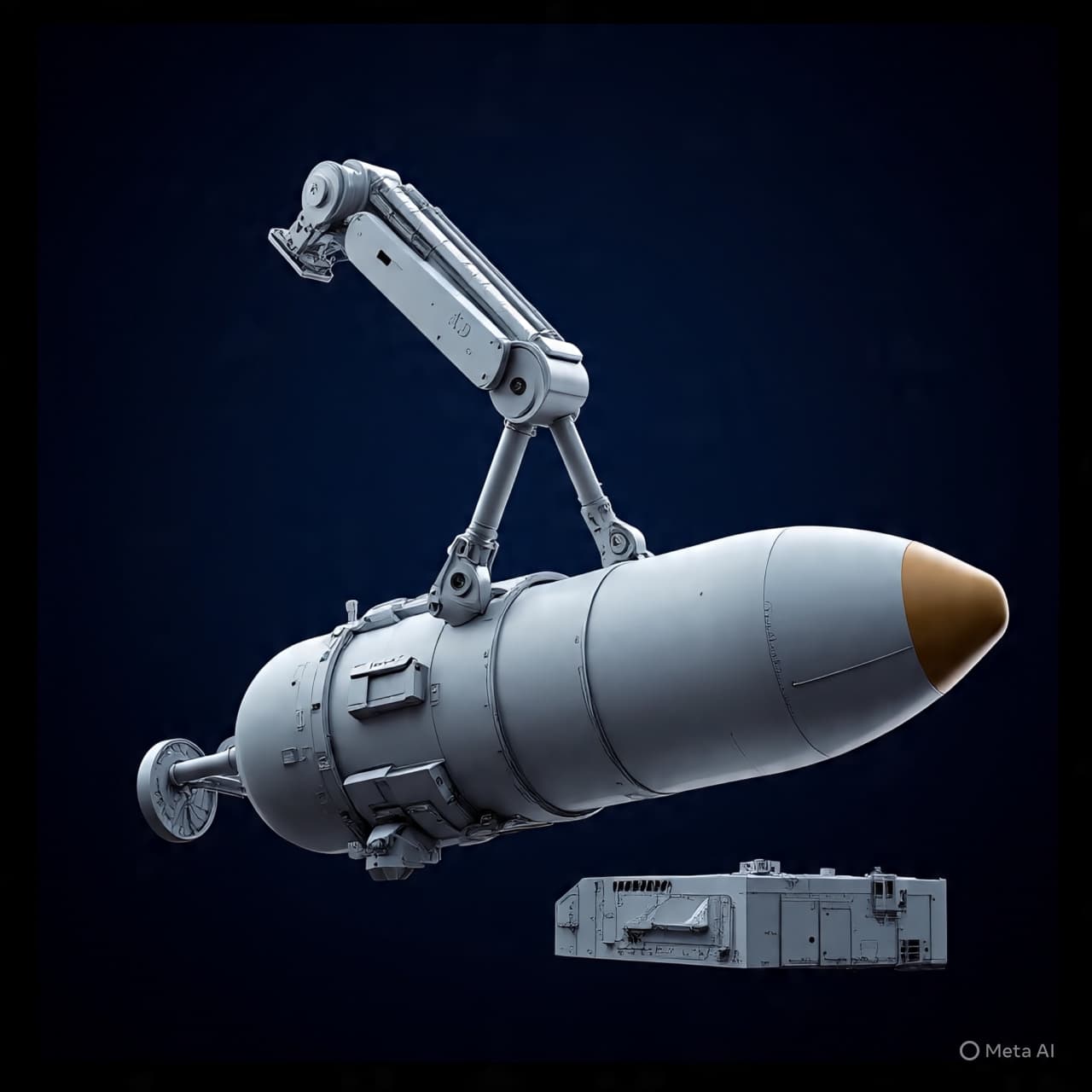
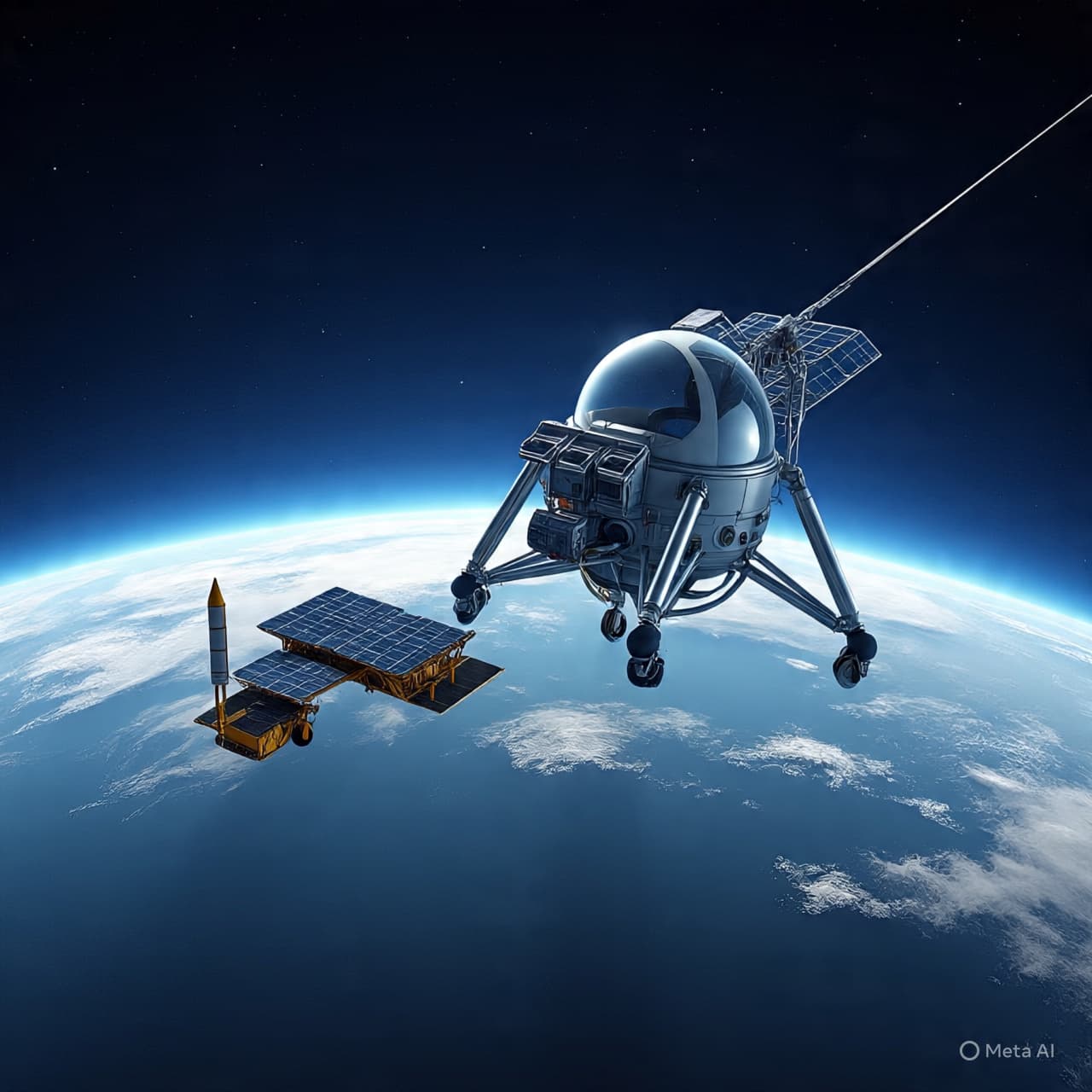
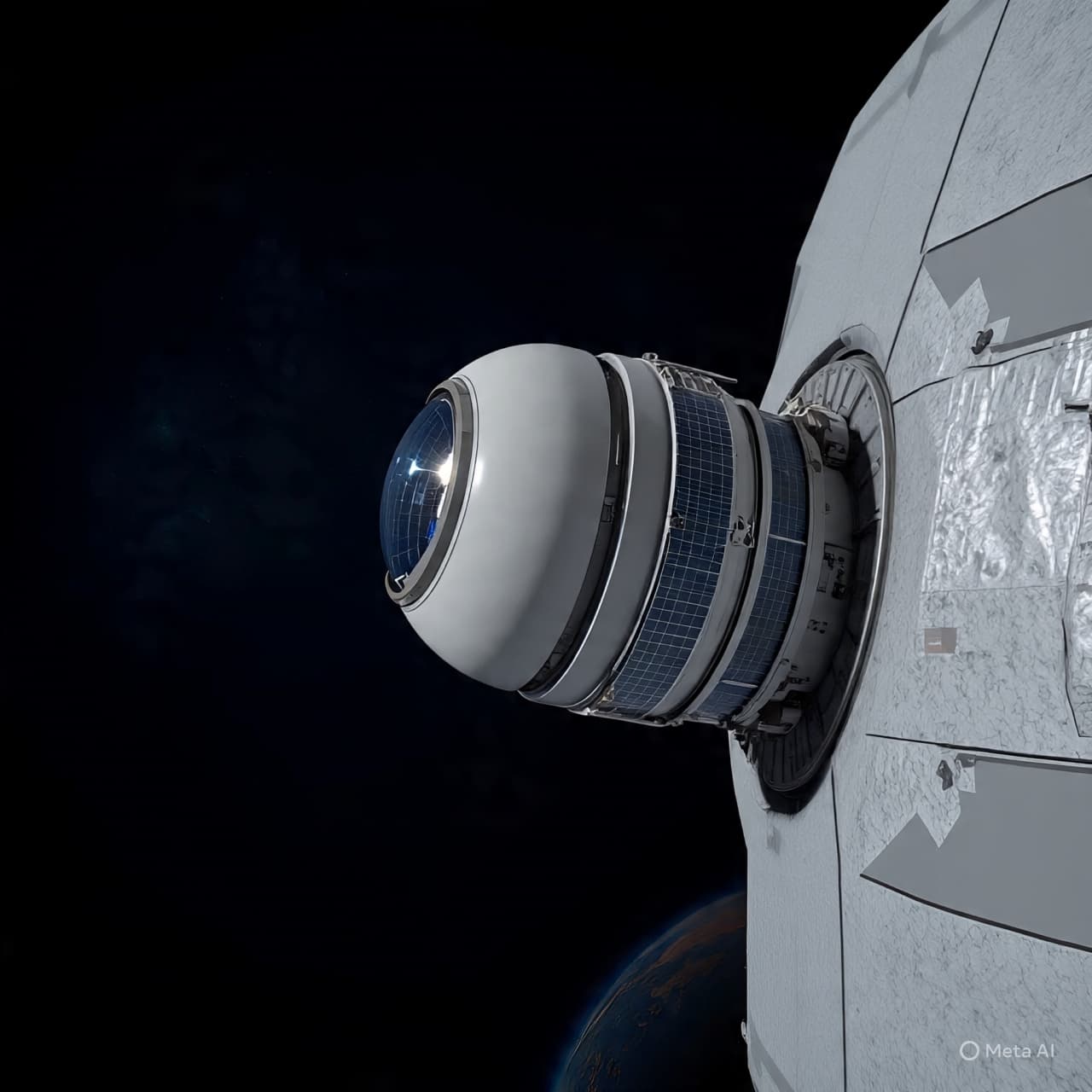
NASA and JAXA are preparing for the uncrewed HTV-X1 cargo spacecraft’s departure from the International Space Station on March 6, with subsequent orbital operations and controlled re-entry planned.

Astronomers have identified a near-invisible galaxy composed of about 99% dark matter, offering new insight into how galaxies form and how dark matter shapes the universe.

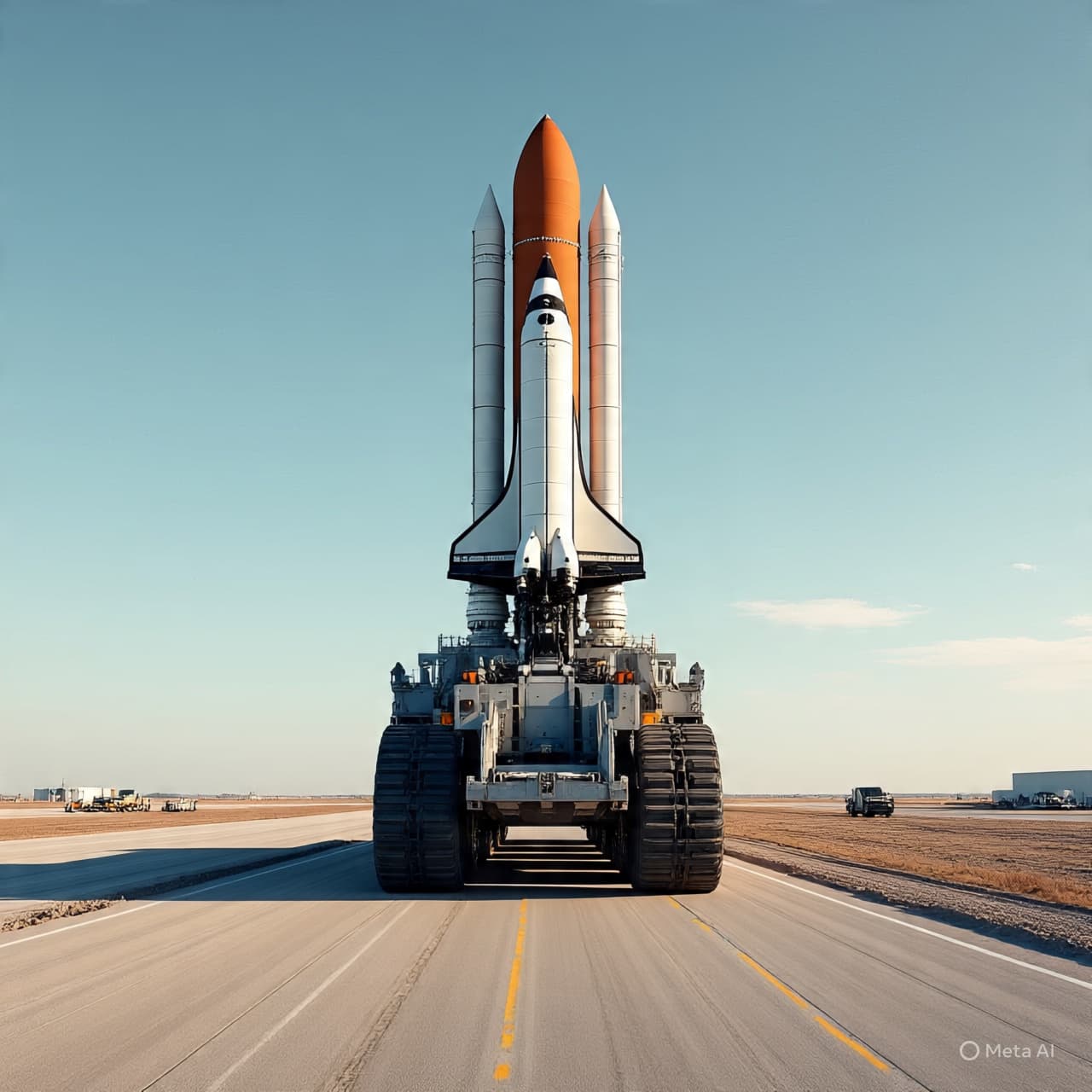
NASA crews repaired a helium flow issue on the Artemis II SLS rocket and are readying the vehicle for rollout ahead of an April launch bid for the first crewed lunar mission in decades.

Ancient zircon crystals over 4.4 billion years old are revealing evidence of early crust formation and possible liquid water on Earth during its earliest epoch.

Proteins first discovered in jellyfish are transforming biology, enabling advanced cell imaging, disease research, and potential medical breakthroughs.

NASA is strengthening Artemis by adding a new test mission and refining launch architecture, aiming for safer lunar landings and a steadier pace of Moon exploration.

Skywatchers worldwide captured striking images of the March 3, 2026 total lunar eclipse, as Earth’s shadow turned the full Moon a deep copper red.

NASA’s $72 million Lunar Trailblazer mission failed after a software glitch misaligned its solar panels, causing power loss and ending the Moon-mapping satellite’s operations.

NASA and JAXA prepare for the HTV-X1 cargo spacecraft’s scheduled departure from the International Space Station on March 6, concluding its primary mission and beginning new orbital operations.

The private Mauve space telescope has captured its first star, measuring visible and ultraviolet light from eta Ursae Majoris in a successful first-light milestone.

Lab tests show active tardigrades struggle in simulated Martian soil, but rinsing harmful compounds improves short-term survival, refining astrobiology insights.

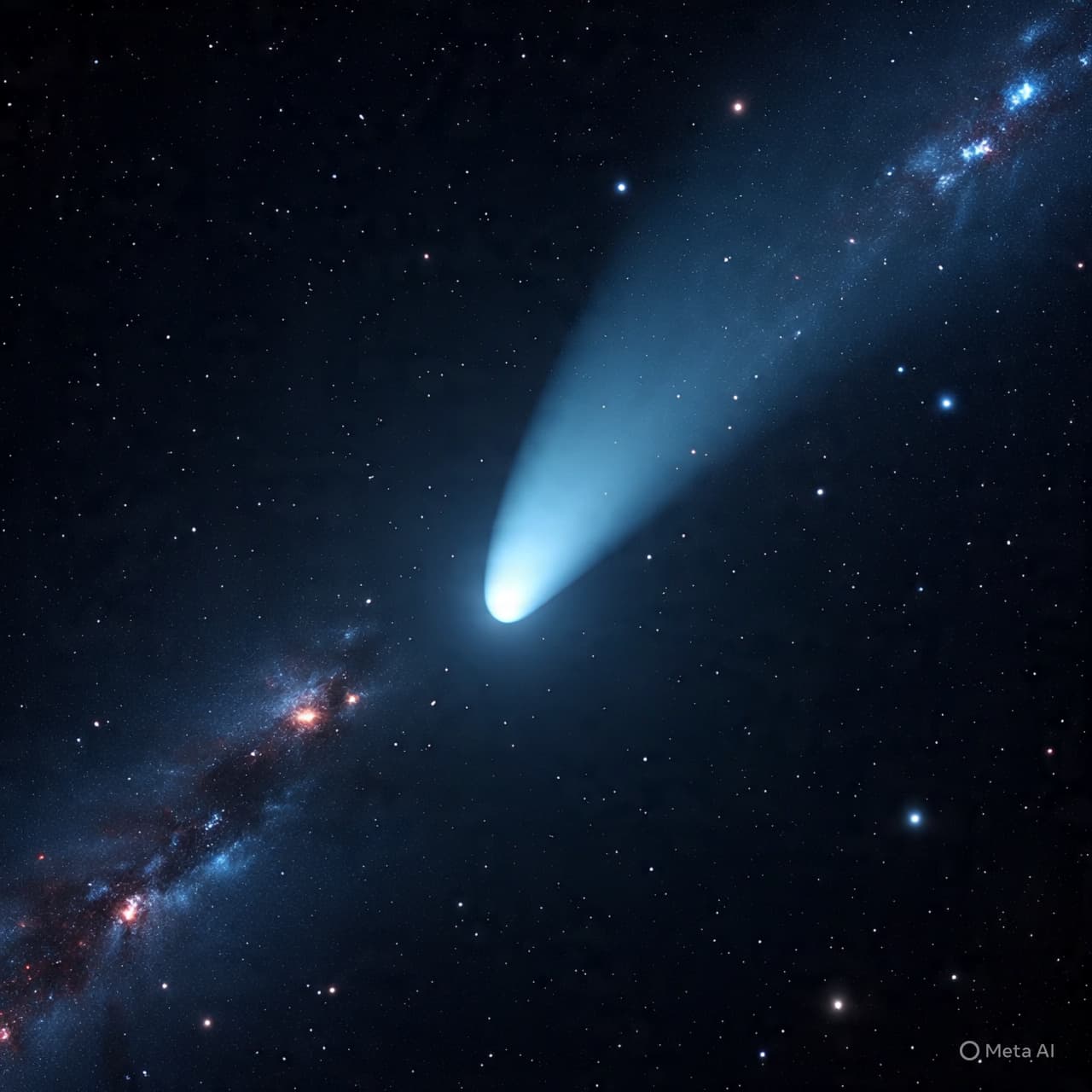
A new space image captures interstellar comet 3I/ATLAS glowing with a bright coma and tail as it passes through our solar system on a one-time journey.

A 280-million-year-old fossil shows the earliest direct evidence of a land predator attacking a herbivore, confirmed by preserved bite marks.

The University of Pittsburgh and Google have partnered to use cloud computing and data science tools to provide near real-time views of cosmic events.

Scientists have reconstructed the face of “Little Foot,” a 3.67-million-year-old hominin from South Africa, offering new insight into early human ancestry.

Scientists are exploring whether gravitational-wave “ripples” predicted by Einstein can help resolve the Hubble tension by offering a new way to measure cosmic expansion.

Yellowstone’s Steamboat Geyser, the world’s tallest acidic geyser, has erupted again after years of dormancy. Scientists say the activity reflects normal hydrothermal patterns.

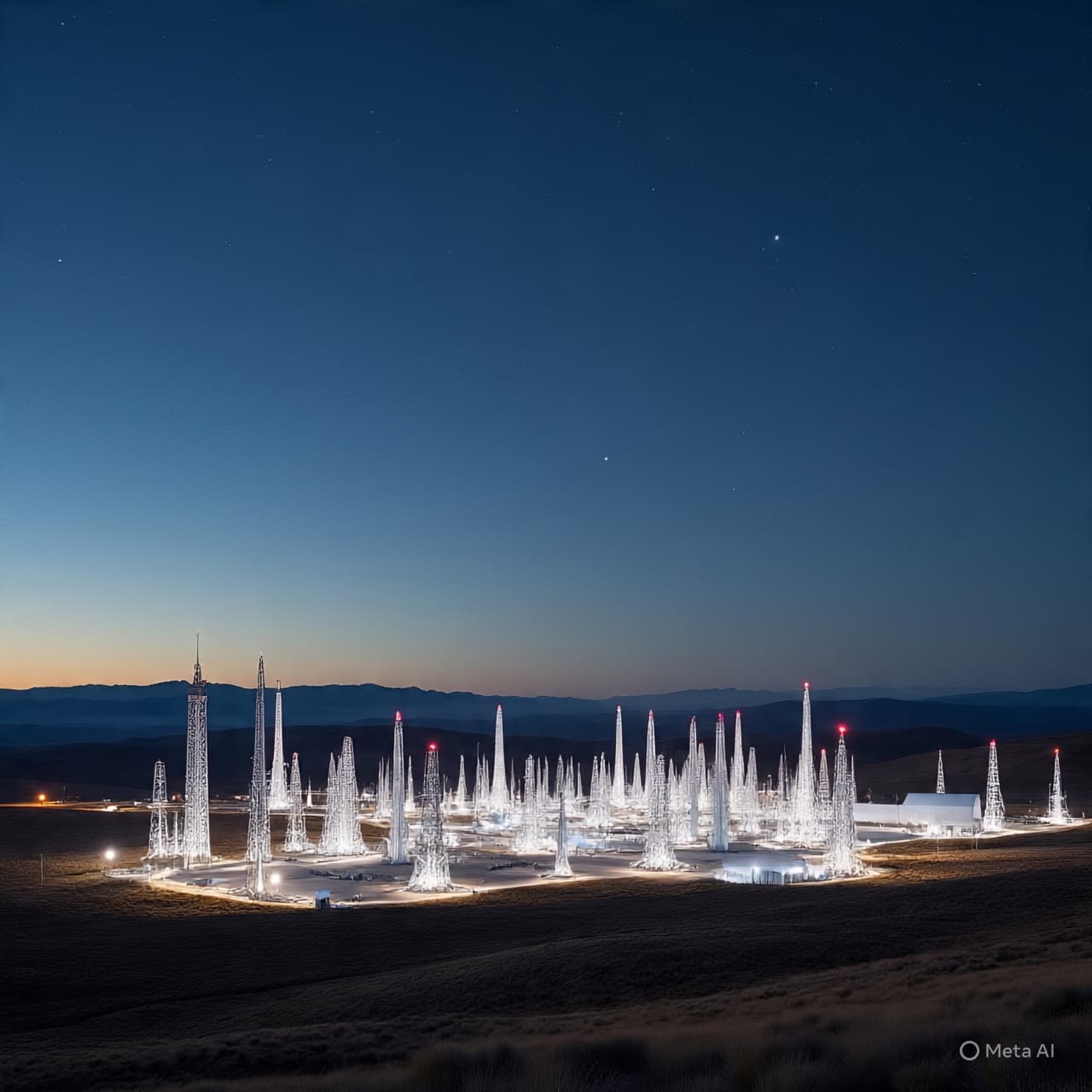
A monumental digital eye atop Chile’s Cerro Pachón is capturing the cosmos in unprecedented breadth and detail, sending nightly alerts and images that may illuminate dark matter, asteroids, and the shifting story of the universe.

Astronomers have detected a rare quadruple star system so compact that three stars orbit within the area Mercury travels around the Sun, with a fourth star further out, offering new insight into stellar dynamics.