Under the slate of night, light travels across the vast emptiness as if in quiet conversation with the stars themselves. Imagine, amid that cosmic stillness, not a lone sun but a quartet of suns engaged in an intricate celestial dance so tight that all four might be tucked into the span where Mercury completes its swift year. This newest discovery in the grand theatre above invites us to dwell on how the universe, in its silent artistry, sometimes weaves wonders far more elaborate than our daydreams.
Astronomers, trained in patience as much as curiosity, have traced a remarkable system designated TIC 120362137. Using the steady gaze of NASA’s TESS observatory — a sentinel of subtle light shifts — researchers spotted a four-star archipelago bound in an intimate orbital embrace. Three of these stars circle one another in a central cluster so compact that their orbits would fit entirely inside the distance Mercury travels around our own Sun — a surprising scale for systems built of stars. Around this trio, a fourth companion travels more distantly, its path roughly comparable to Jupiter’s orbit.
This configuration — classified as a “3+1” quadruple star arrangement — is no mere curiosity. It demonstrates that nature can craft not only planetary systems of remarkable variety but also stellar families of surprising closeness. As these stars cling together, studies of their gravitational interplay may shed light on how such complex systems form and endure through epochs of cosmic change.
In a field where increasingly precise instruments peel back layers of mystery every year, discoveries like this gently expand our sense of what kinds of systems populate our galaxy. There is no abrupt proclamation here, no grand claim that upends existing theory overnight. Rather, this discovery adds a soft but significant new line in the ledger of cosmic diversity — a reminder that even as we learn more, the universe remains generous with its surprises.
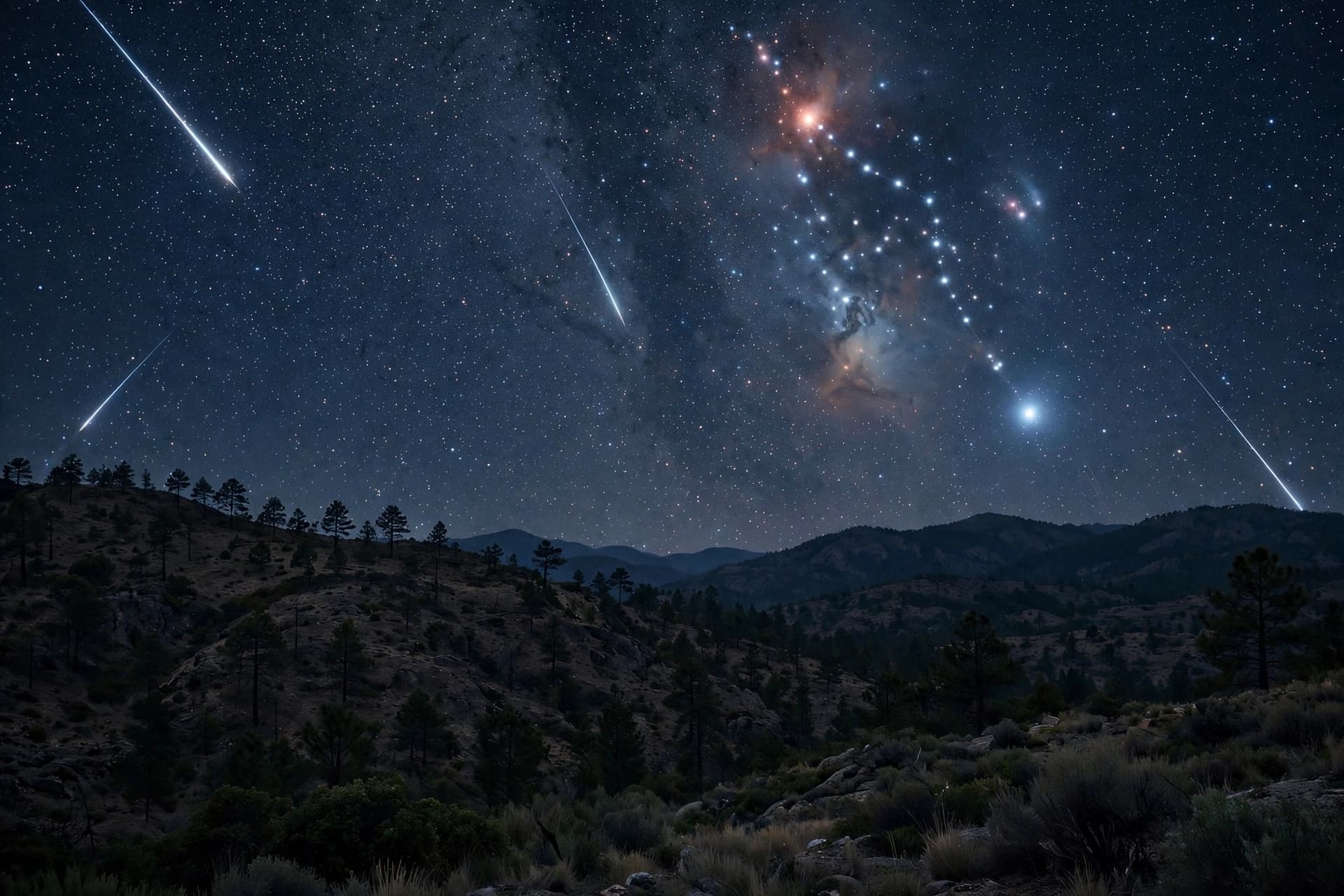
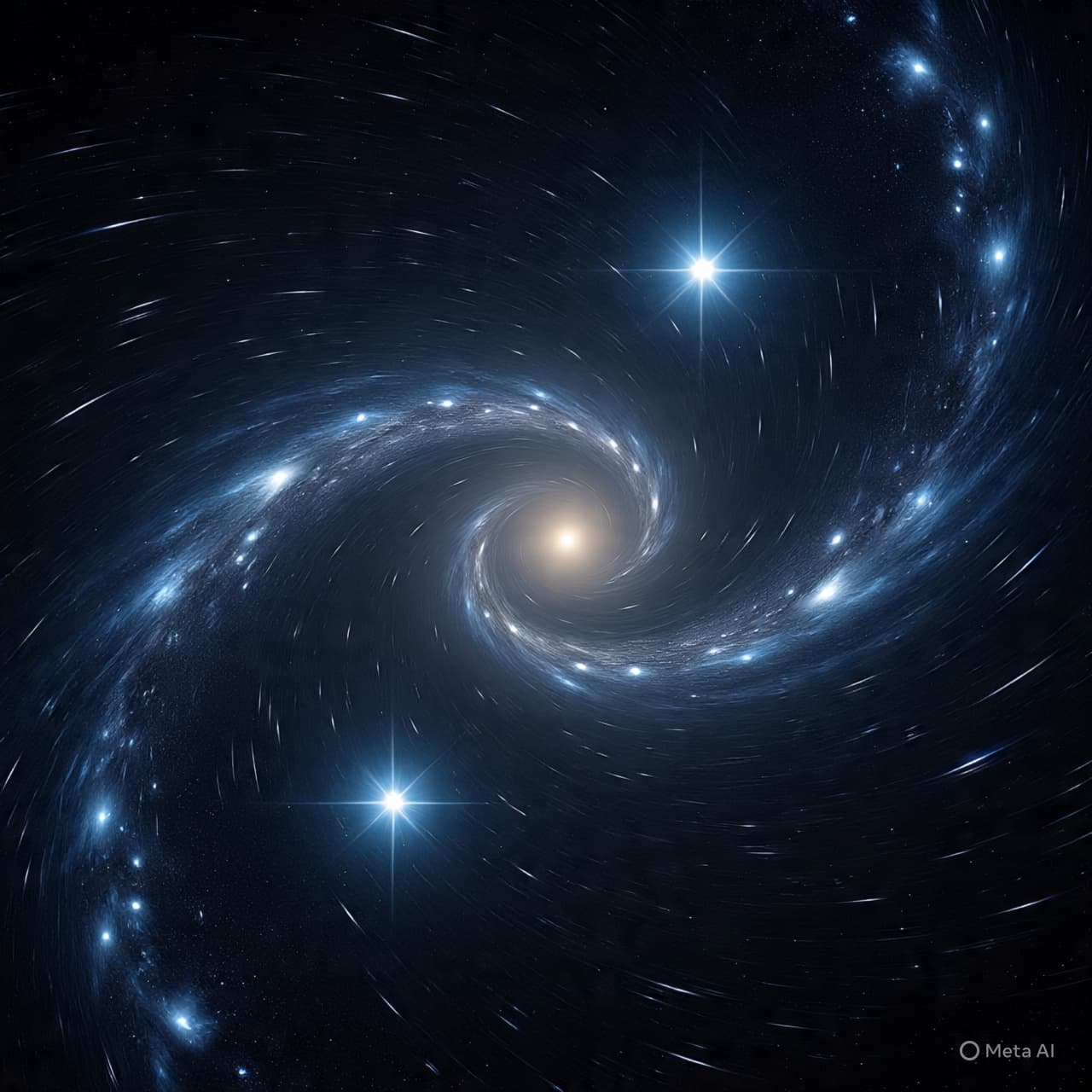
AI IMAGE DISCLAIMER Illustrations were produced with AI and serve as conceptual depictions rather than actual photographs.
SOURCES Space.com; Gizmodo; ZME Science.
Published by Banx Network. This article is part of the Banx decentralized media programme, powered by the BXE token on the XRP Ledger.