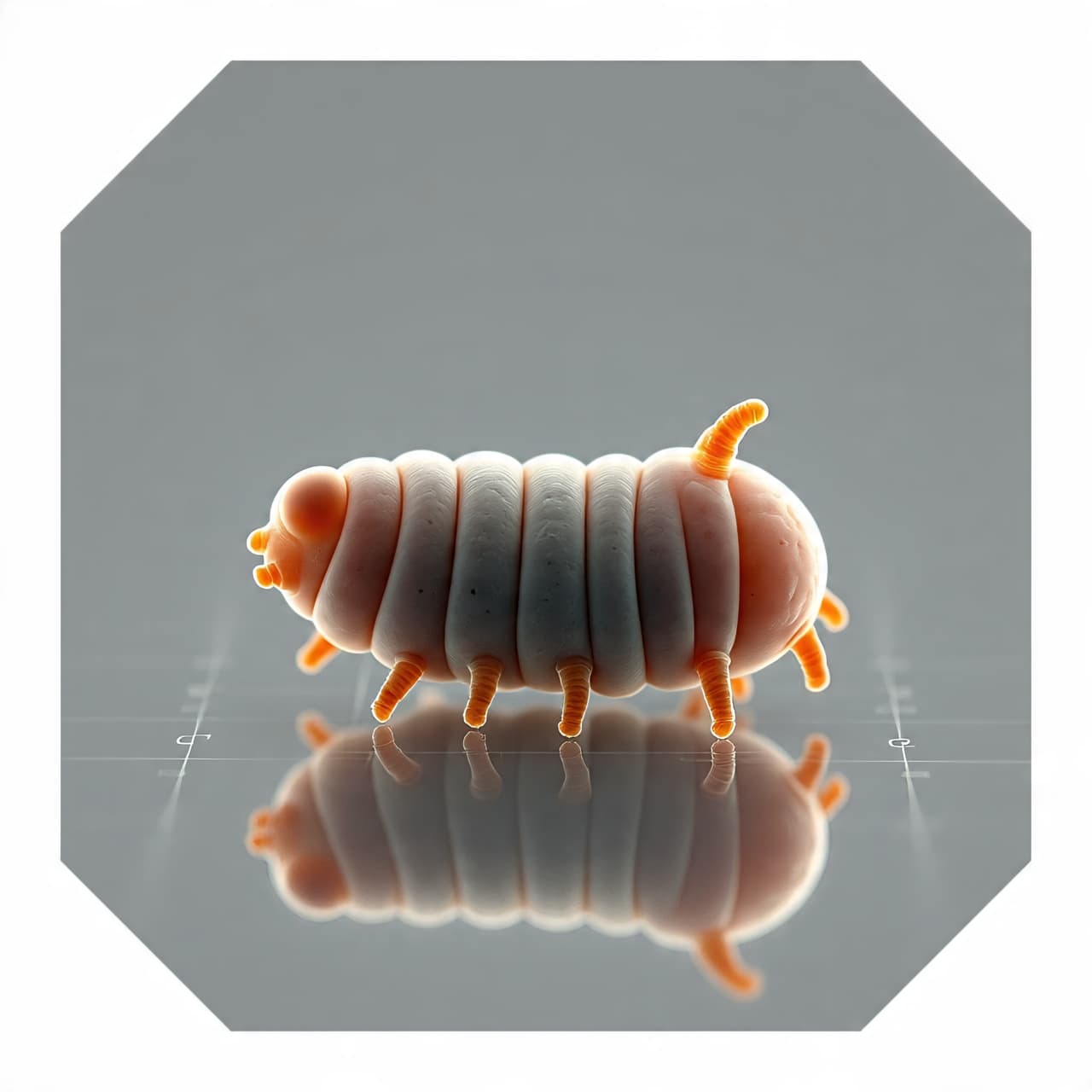
In a drop of water resting on a glass slide, a creature no larger than a grain of dust stretches its eight small legs and moves with unhurried determination. It has endured freezing and fire, radiation and vacuum, shrinking itself into a near-silent state when the world becomes too harsh. The tardigrade — the so-called water bear — carries within its fragile outline a reputation for survival that borders on myth.
Yet even legends must answer to soil.
In laboratories designed to echo the red plains of Mars, researchers have placed active tardigrades into simulated Martian regolith, the dusty mineral blend that covers the planet’s surface. These soil analogs replicate known chemical properties of Martian dirt, including salts and reactive compounds believed to exist in abundance there. Under the microscope, what followed was less triumph than tension.
Within days, the activity of the tardigrades declined sharply when in direct contact with untreated regolith simulant. Some species ceased movement entirely. The soil’s chemistry — particularly water-soluble components — appeared to interfere with the animals’ ability to function in their normal, hydrated state. Even the hardiest organisms known to science met an environment that pressed against their limits.
But the experiment did not end in stillness. When scientists rinsed the regolith simulant with water before reintroducing the tardigrades, the outcome shifted. The harmful effects were greatly reduced, suggesting that certain compounds in the soil were responsible for the decline in survival. Once these soluble elements were washed away, the tiny animals regained mobility, their movements resuming beneath magnified light.
This did not mean Mars had become hospitable. The red planet remains defined by cold, dryness, thin atmosphere, and high radiation. In their desiccated “tun” state, tardigrades can endure extreme conditions temporarily, but sustained activity in Martian surface conditions remains unlikely without controlled environments. The soil experiment revealed a nuance: not all hostility is absolute, and some dangers are chemical rather than cosmic.
For scientists, the significance lies not in spectacle but in calibration. Understanding how Earth organisms respond to Martian materials informs planetary protection efforts — the careful prevention of contaminating other worlds with terrestrial life. It also sharpens knowledge about how future human explorers might interact with Martian soil, particularly in the use of water and resource management.
The sight of a tardigrade reviving after contact with rinsed regolith simulant is modest, almost tender. It does not promise colonization or rewrite biology. Instead, it sketches the boundary lines — where resilience holds and where it falters.
Researchers report that active tardigrades exposed to untreated Martian soil simulants experienced rapid decline, while rinsed samples significantly improved short-term survival. The findings contribute to ongoing studies in astrobiology and planetary protection, clarifying how terrestrial life interacts with Martian mineral analogs.
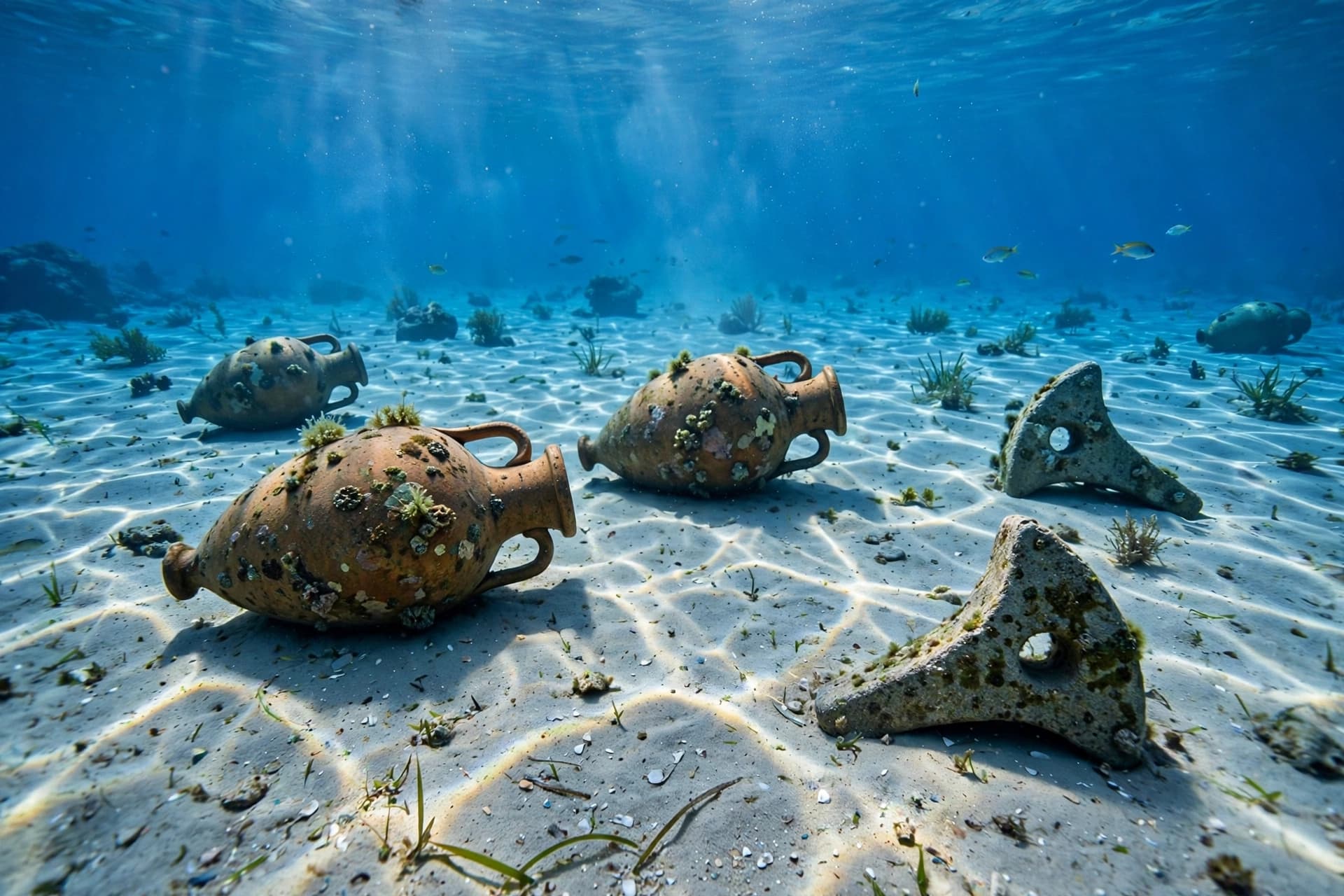
AI Image Disclaimer Visuals are AI-generated and serve as conceptual representations.
Sources (Media Names Only) International Journal of Astrobiology Nautilus Universe Today Interesting Engineering TechExplorist
Published by Banx Network. This article is part of the Banx decentralized media programme, powered by the BXE token on the XRP Ledger.