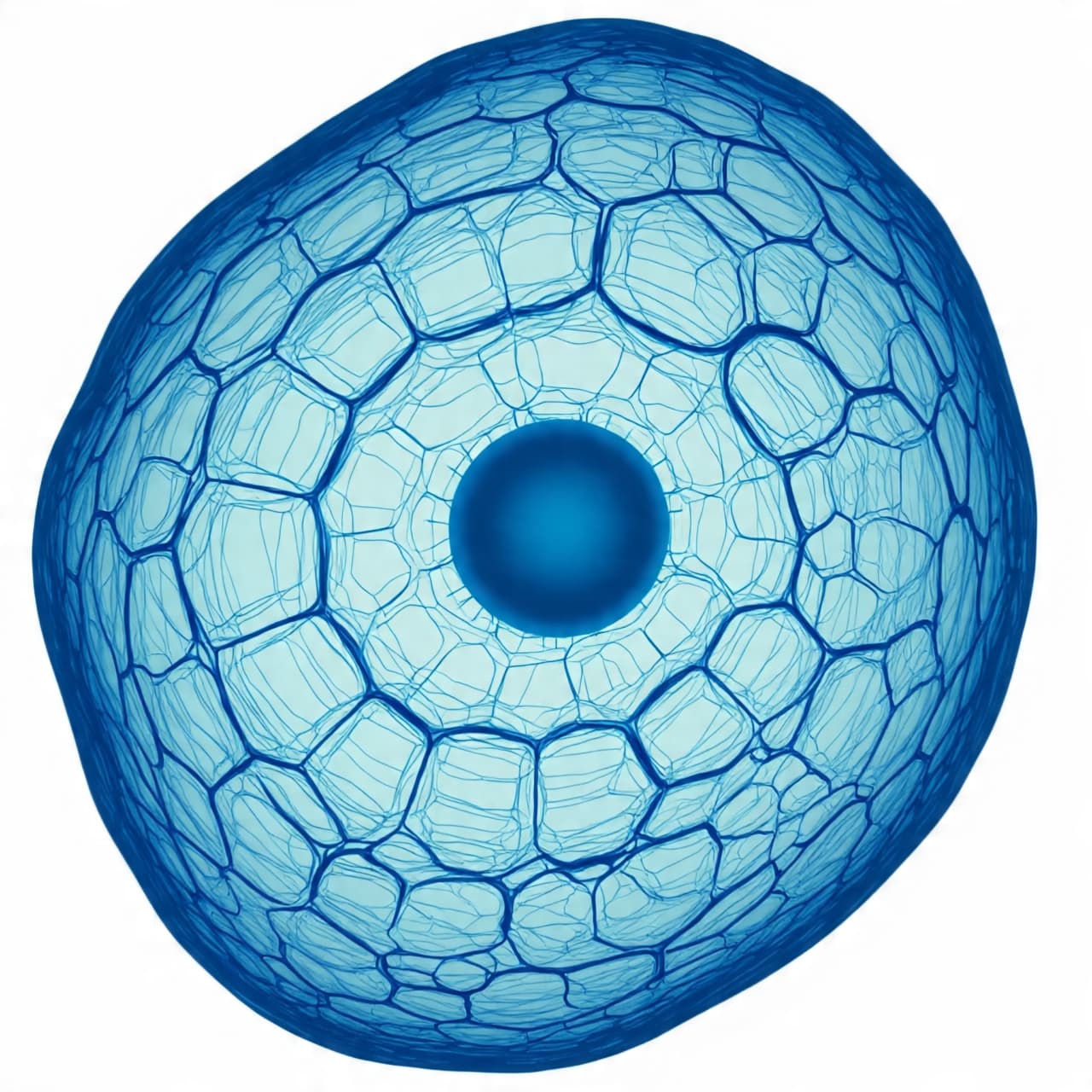
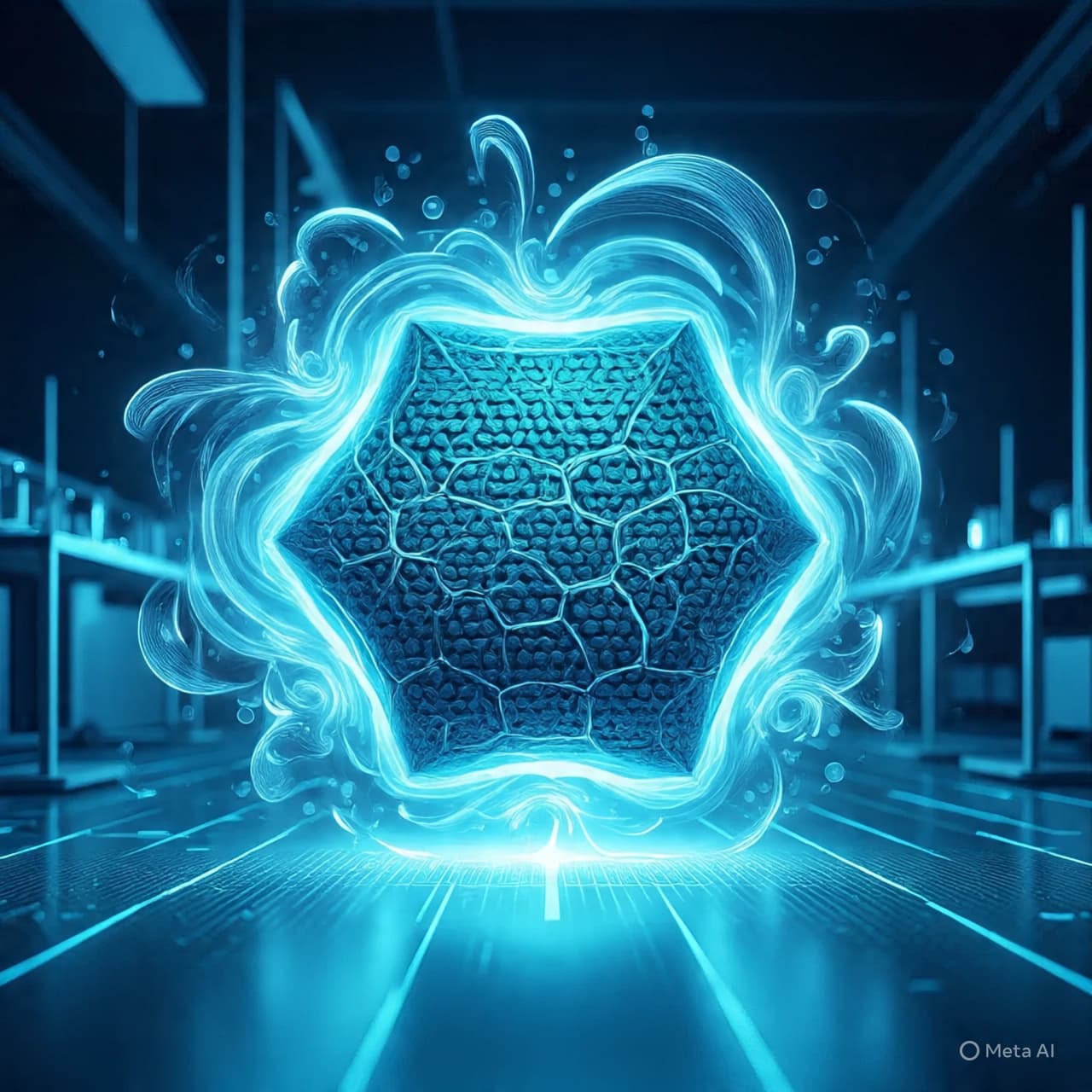
Between Stillness and Becoming: The Hidden Architecture Within an Unfertilized Egg
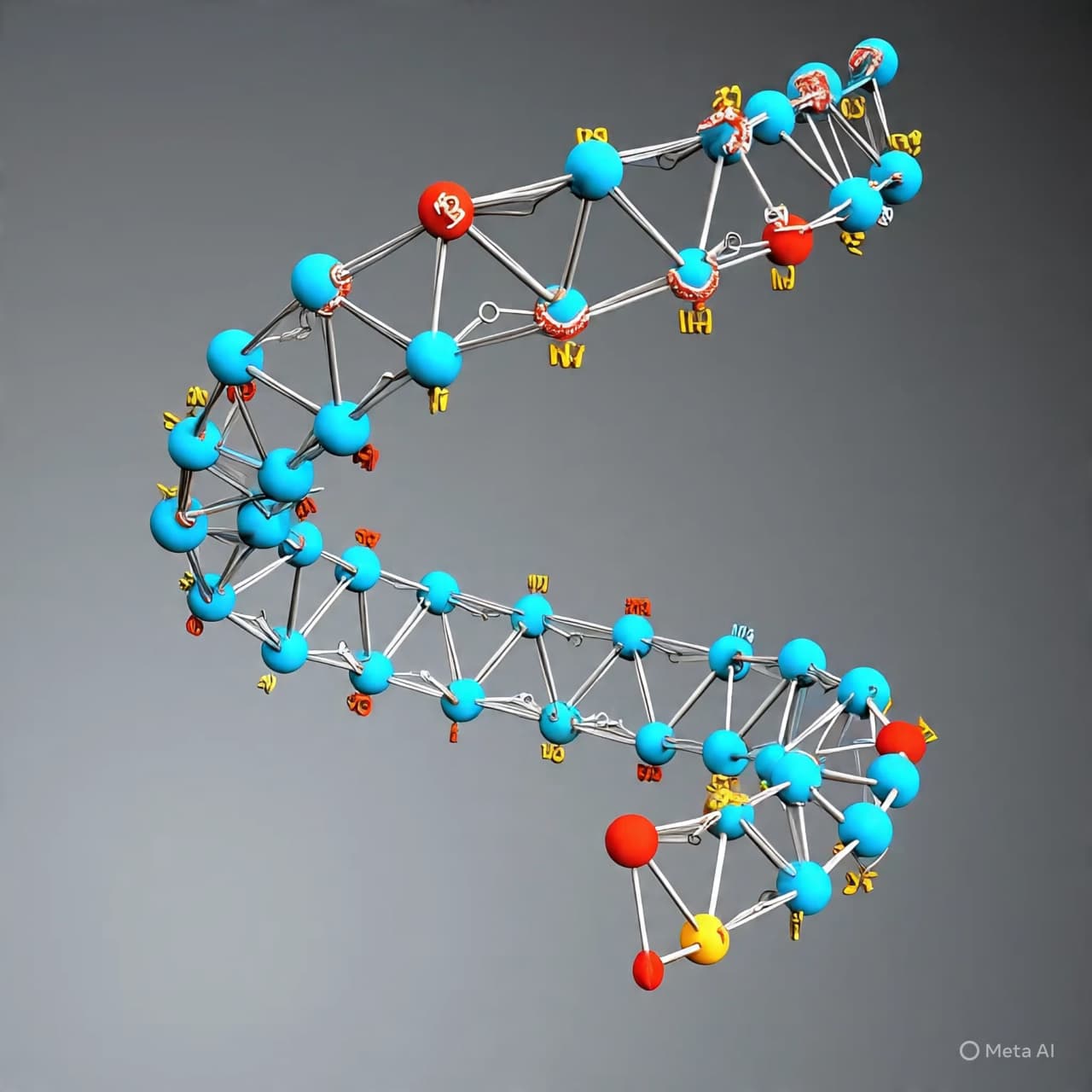
New research reveals how proteins assemble the oocyte cytoplasmic lattice, a key structure that organizes materials for early embryonic development.

New research reveals how proteins assemble the oocyte cytoplasmic lattice, a key structure that organizes materials for early embryonic development.

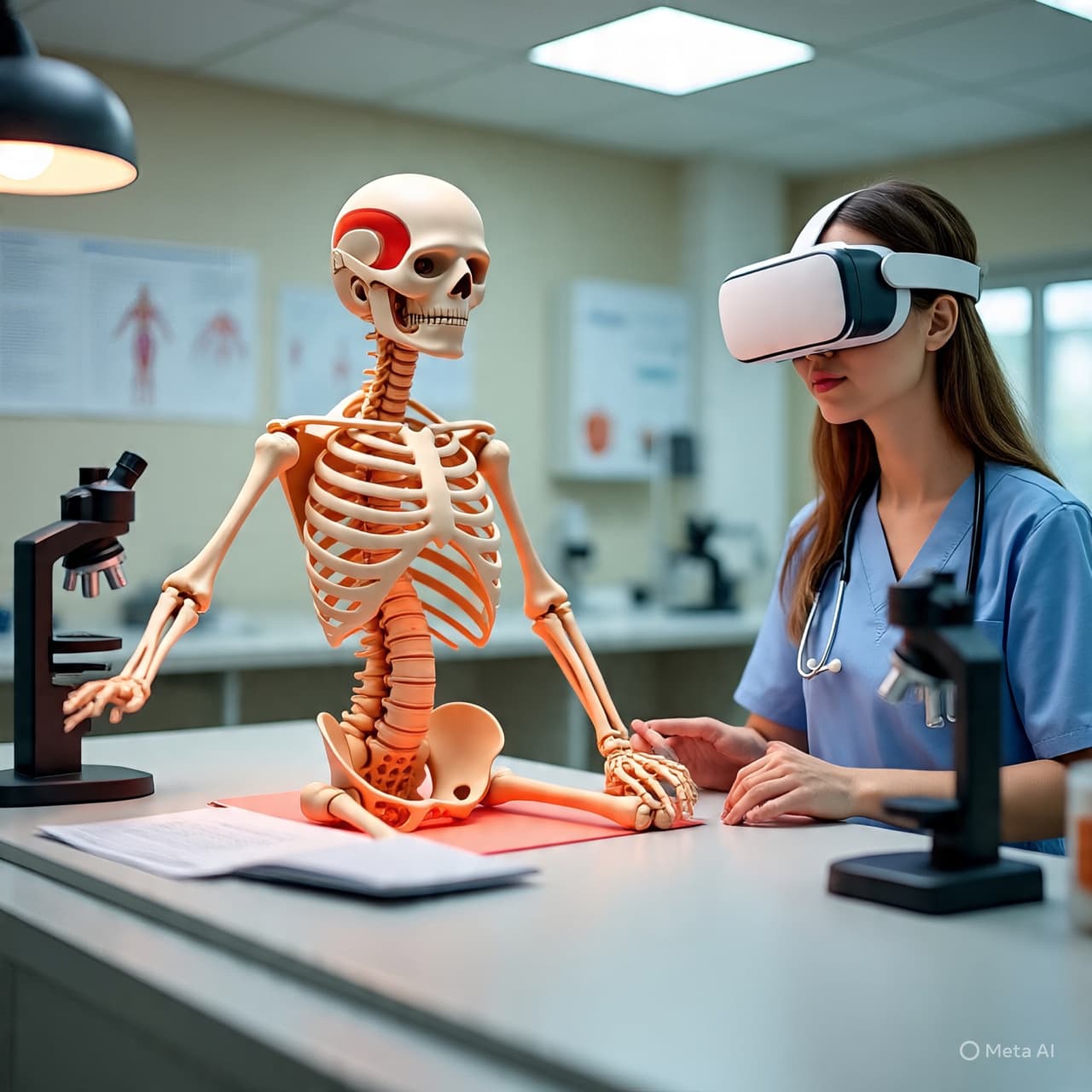
A study finds 3D virtual reality anatomy learning reduces students’ cognitive load, helping them better understand complex spatial structures.

A refined “rock clock” method improves dating of early animal life, offering a clearer timeline for when complex organisms first appeared on Earth.

A study finds some sunscreens can produce persistent free radicals under light, prompting further research into formulation stability without changing current usage guidance.

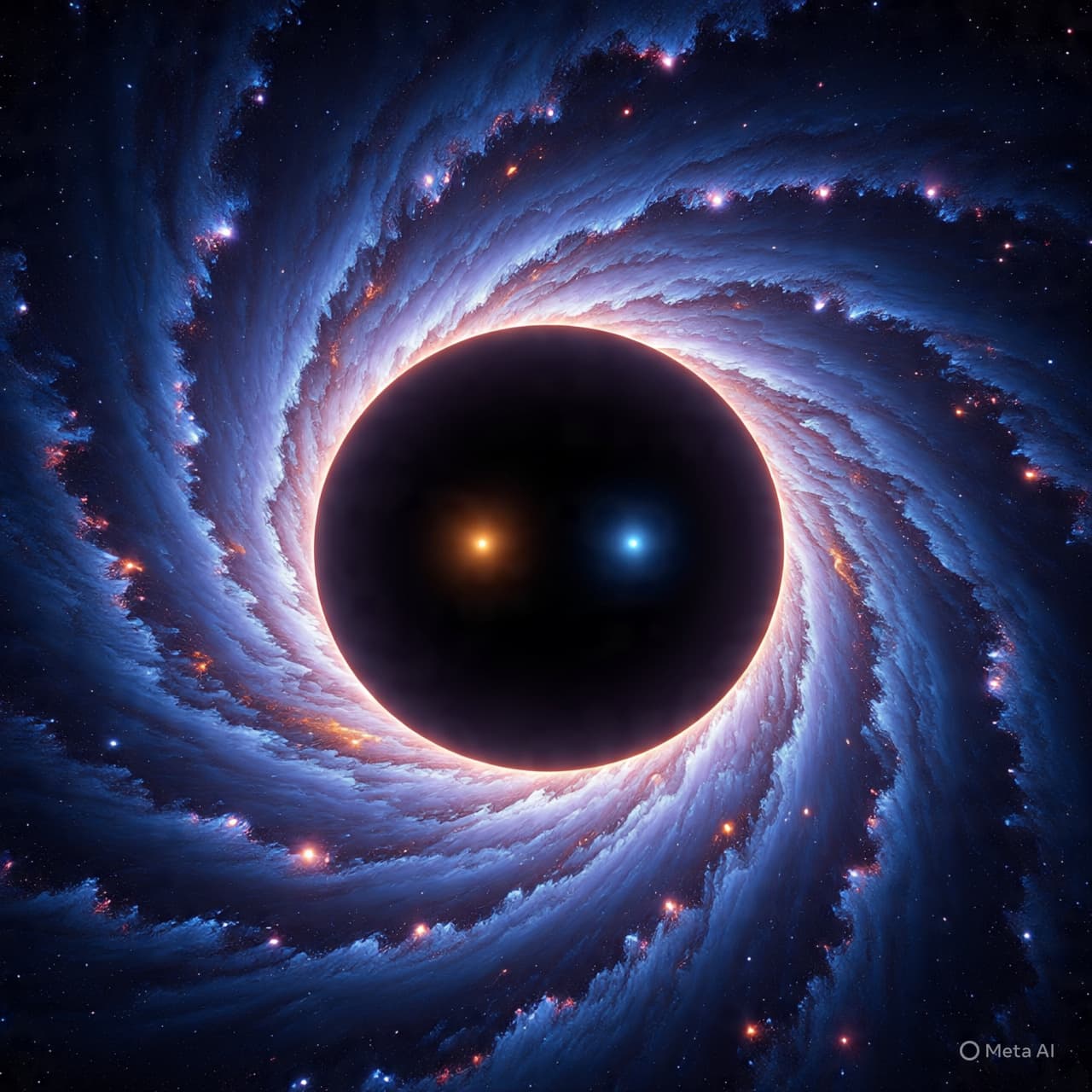
Astronomers may have detected a flash of light linked to colliding black holes, suggesting such mergers can produce visible signals under certain conditions.

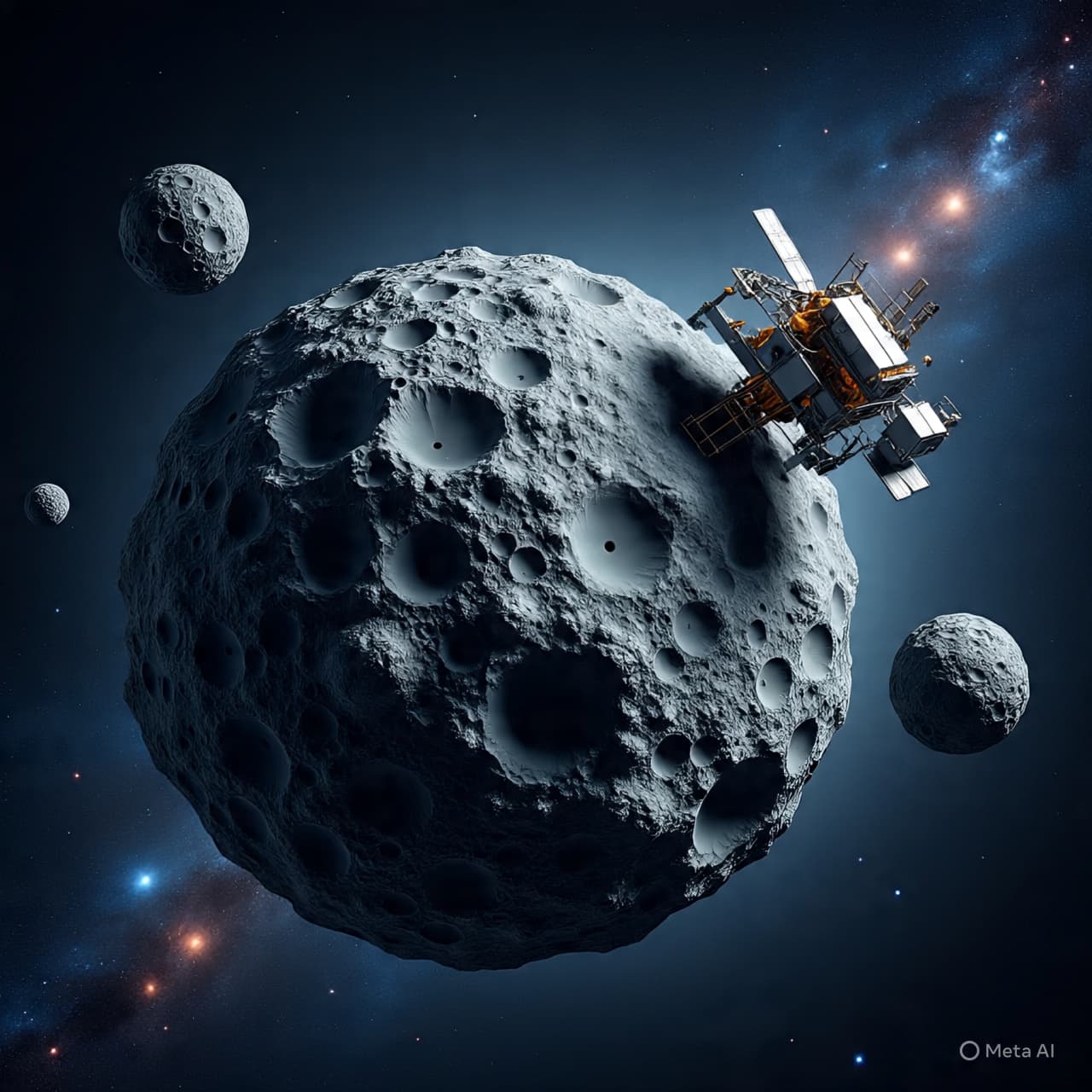
Asteroid Ryugu samples contain DNA-related molecules, suggesting key building blocks of life may have formed in space and reached Earth via asteroids.

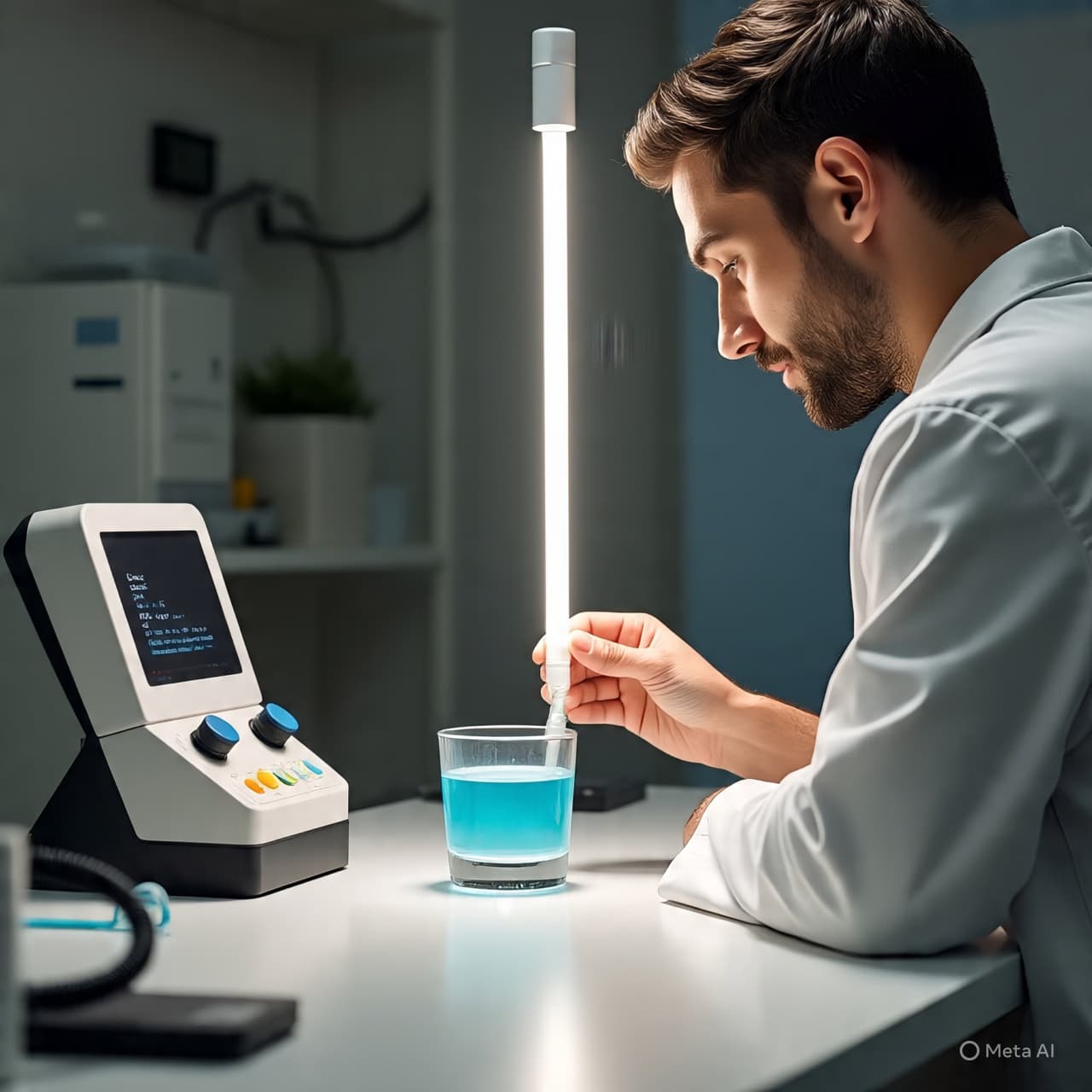
A new testing method detects hidden mutagens in everyday products like water and cosmetics by analyzing their biological effects, offering deeper insight into chemical safety.

Super-resolution microscopy enables scientists to map brain blood flow at the cellular level, offering new insights into microcirculation and neurological function.

Scientists observed quantum radiation reaction as electrons interact with ultra-intense lasers, confirming how emitted radiation alters particle motion at extreme energies.

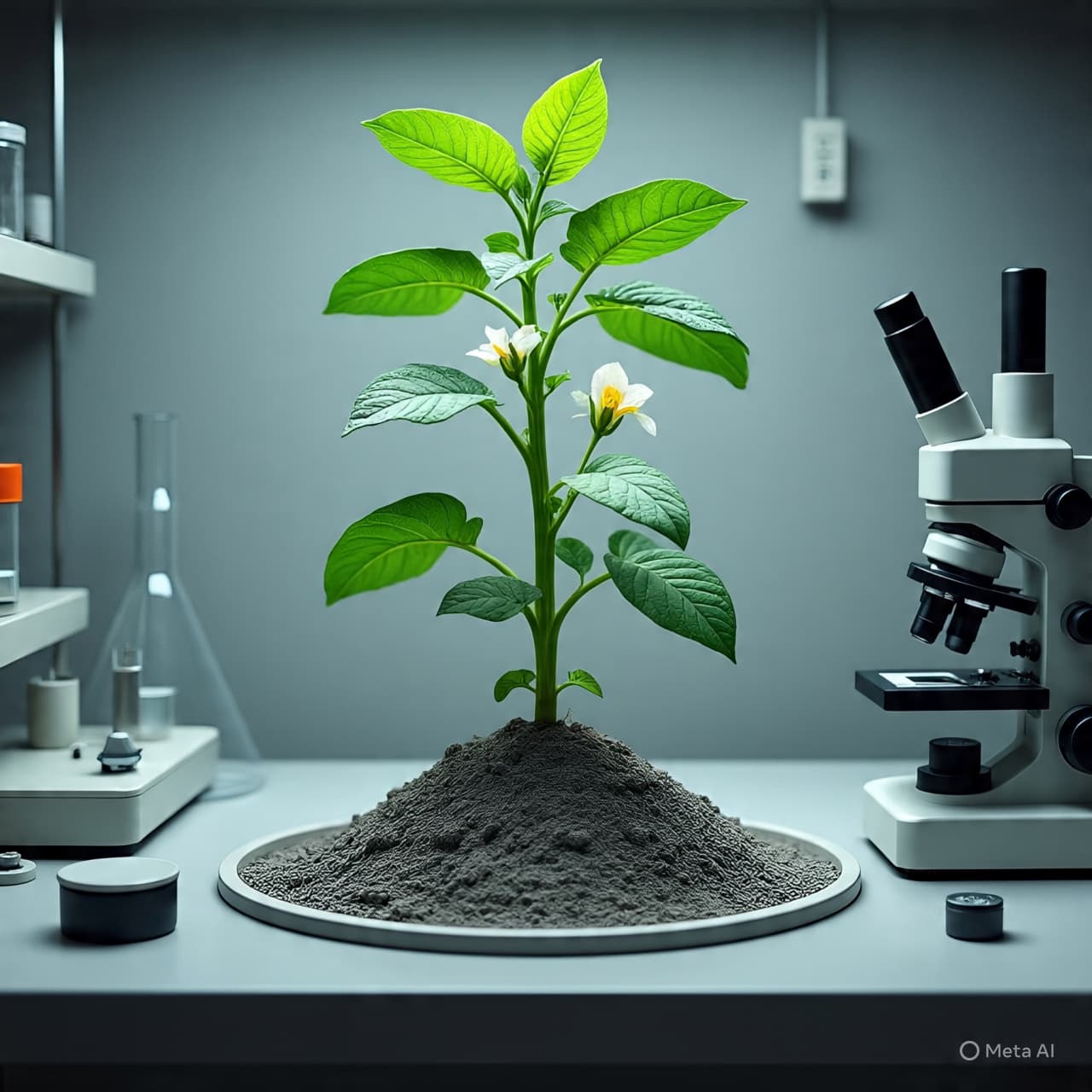
Scientists grew potatoes in lunar soil simulant, advancing research into sustainable agriculture for future Moon missions and long-term space habitation.

A carbon nanotube coating absorbs terahertz waves, potentially reducing interference and improving signal clarity in future 6G communication systems.

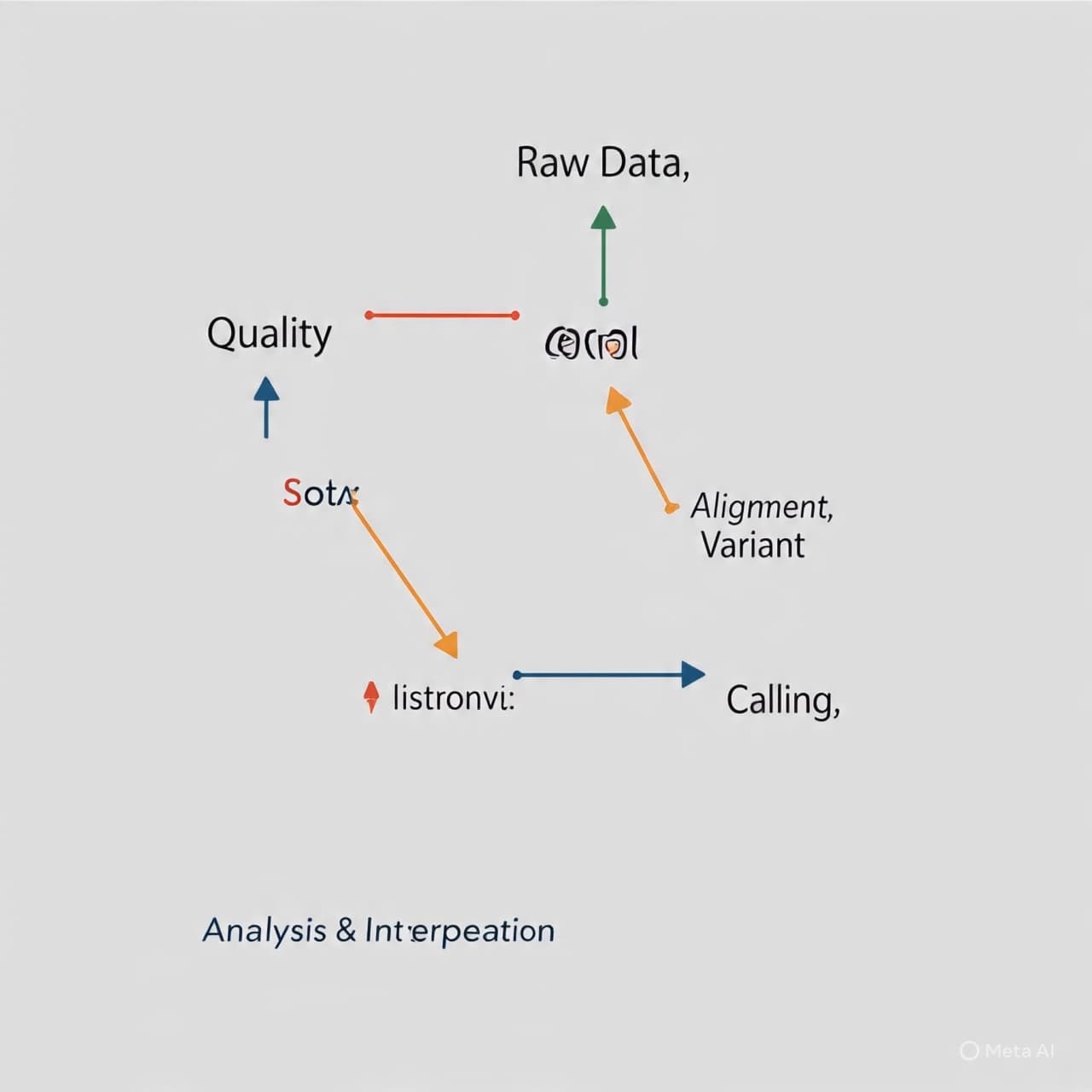
Metapipeline-DNA streamlines genome sequencing analysis by automating workflows and standardizing methods, improving consistency and reproducibility in research and clinical use.

A new sensing technology offers up to 20× greater responsiveness, enabling more precise detection in liquids and expanding potential uses in healthcare and environmental monitoring.

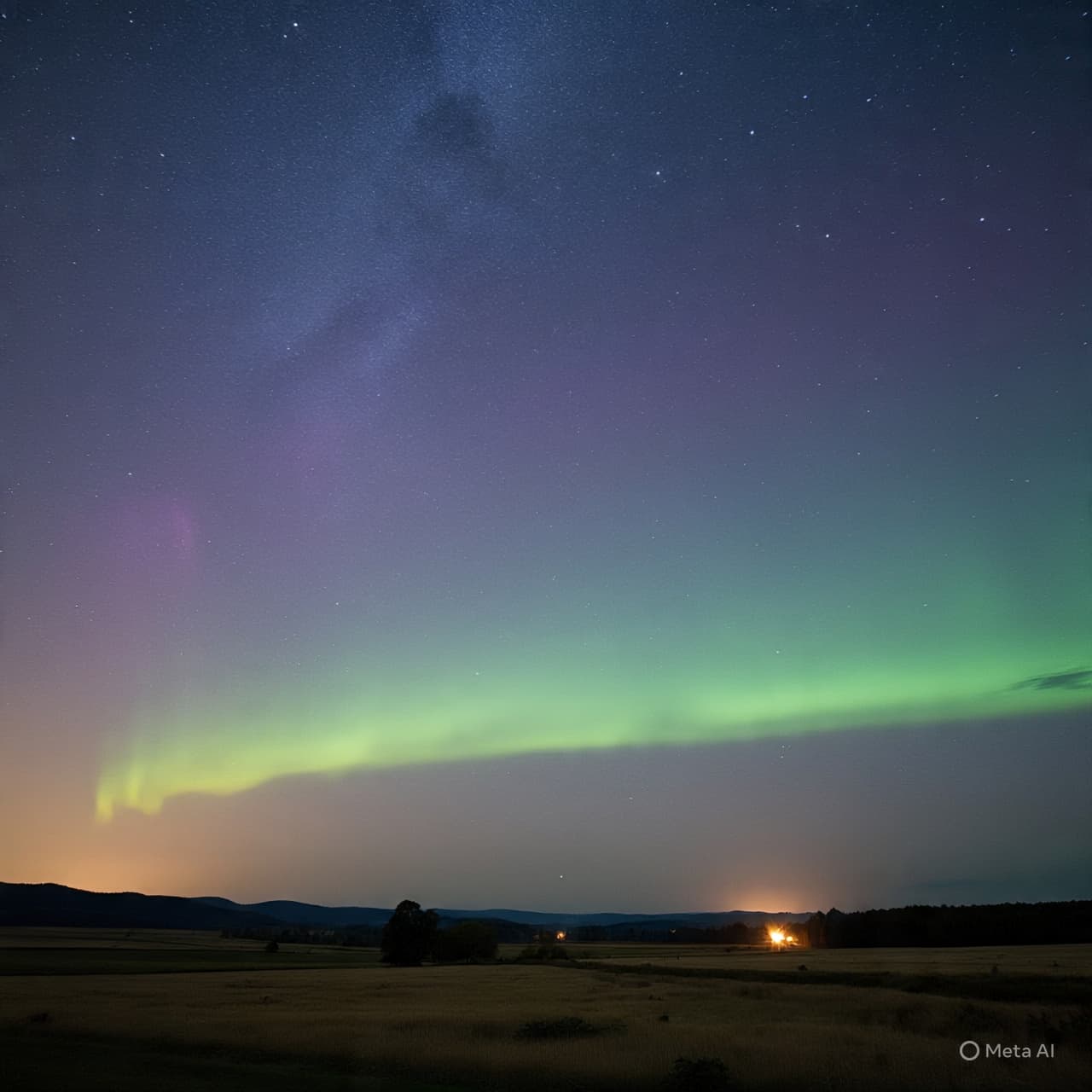
An upgraded aurora alert suggests northern lights may be visible in up to 20 U.S. states, driven by increased solar activity and geomagnetic conditions.

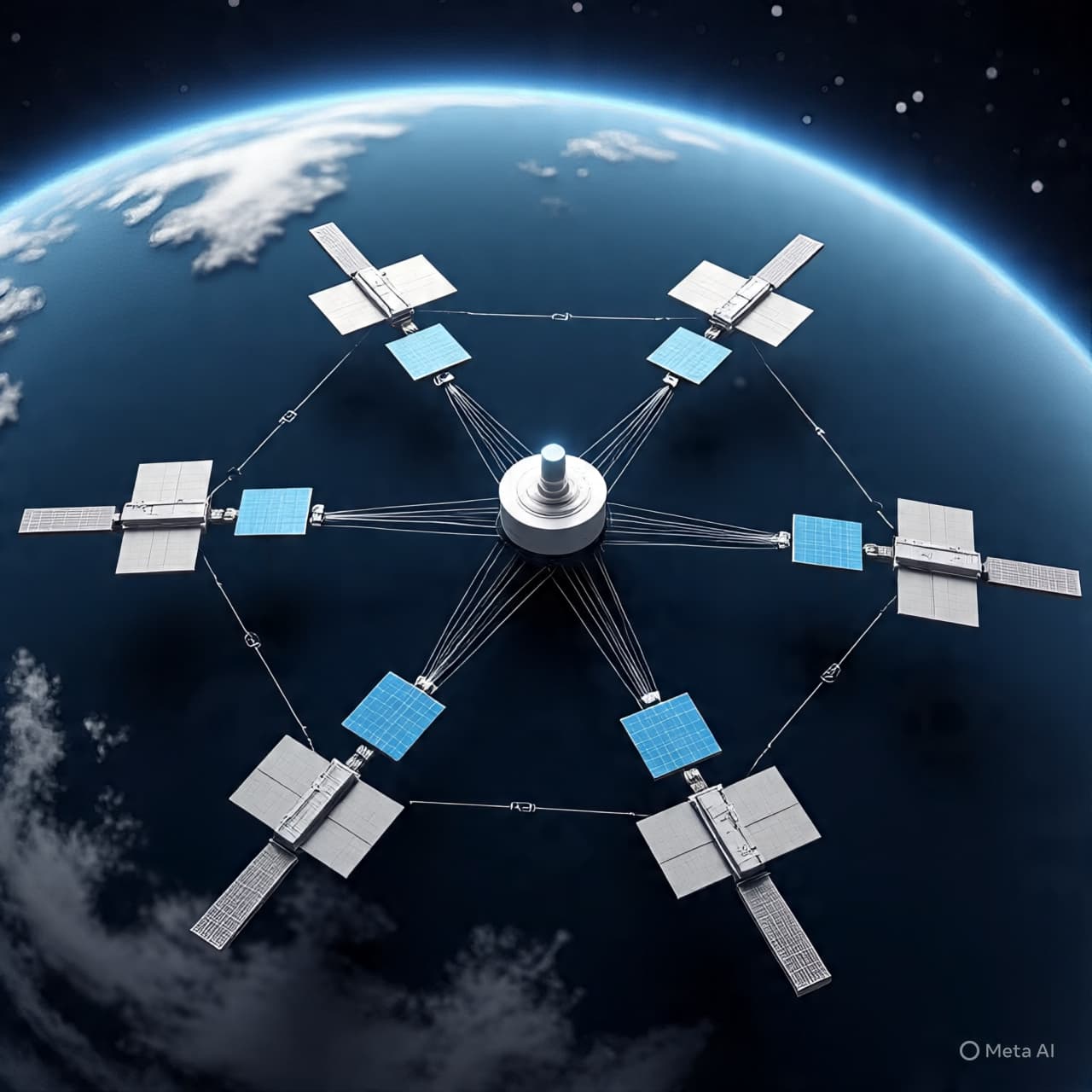
SpaceX reaches 10,000 active Starlink satellites in low Earth orbit, expanding global internet coverage while raising questions about orbital traffic and sky visibility.

Nurse-led postdischarge calls reduce emergency visits but not readmissions, highlighting their role in improving care transitions rather than fully preventing rehospitalization.

Nanoscale hotspots in OLEDs can speed up material degradation, potentially shortening the lifespan of screens in phones and TVs.

Space Science Week 2026 gathers experts to review progress and set priorities for future space research, missions, and policy directions.

Alb-PRF shows improved endothelial function and wound healing over PRP and H-PRF, offering a promising next-generation platelet-based therapy.

Ultrafast laser pulses improve control of diamond qubits, advancing research toward a future quantum internet with faster and more secure communication.

NASA research shows biofilms adapt in space, forming differently in microgravity and affecting spacecraft systems and future long-duration missions.

Nano-scale 3D metals show unexpected strength despite defects, as size and structure limit damage, offering new possibilities for durable lightweight materials.

Study finds widespread pairwise epistasis in TEM-1 β-lactamase α-helix, showing mutation interactions strongly shape protein function and evolution.

exoALMA observations show formaldehyde emission in protoplanetary disks reflects their structure, temperature, and dynamics, revealing links between chemistry and planet formation.