There are moments when the exploration of space turns inward, when the vastness beyond the atmosphere is set aside, briefly, for reflection closer to home. Not in the silence of telescopes or the precision of instruments, but in rooms where conversation unfolds at a measured pace, shaped by experience, uncertainty, and the steady accumulation of knowledge.
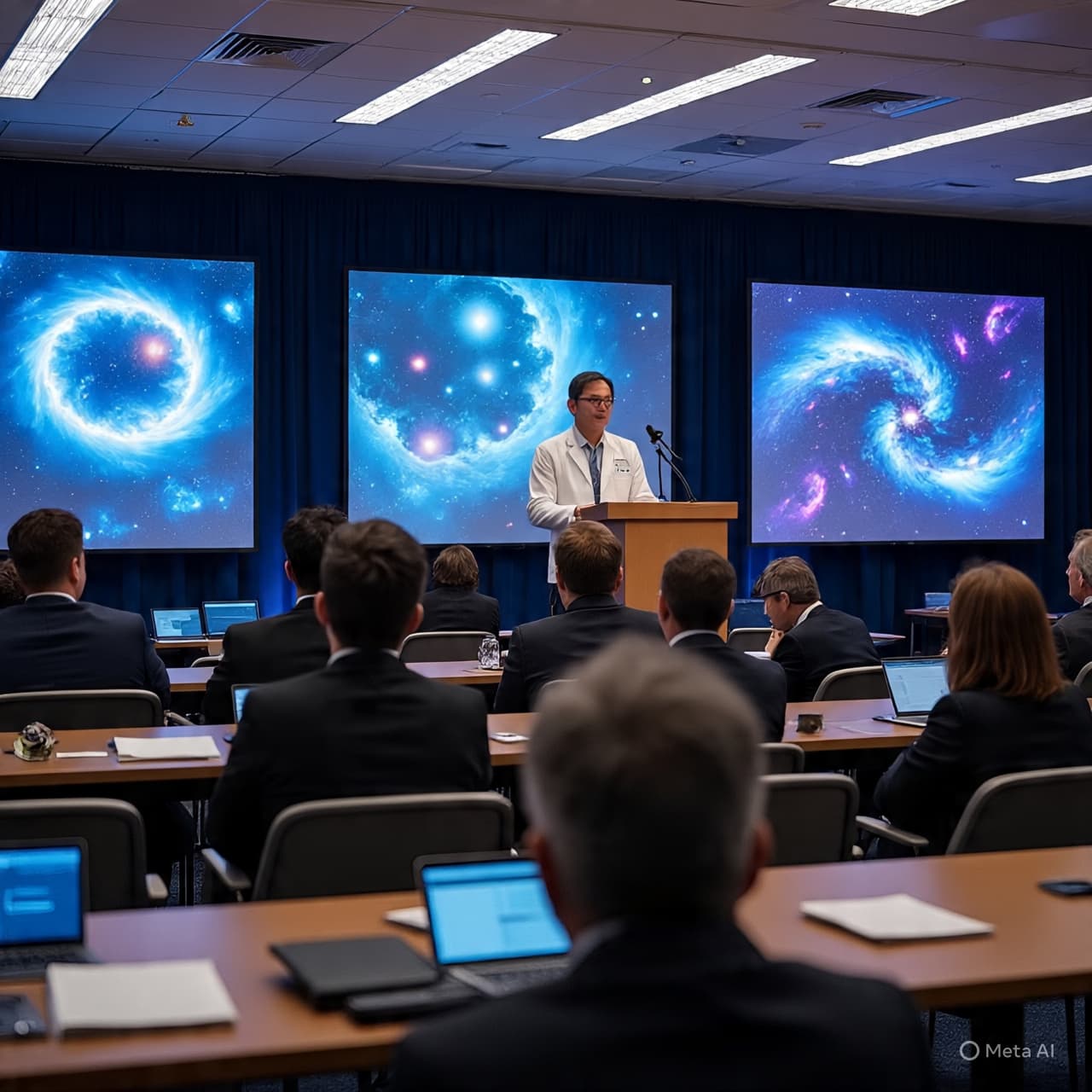
Space Science Week 2026, organized by the National Academies of Sciences, Engineering, and Medicine, carries this quiet intention. It is less an event of spectacle than of alignment—a gathering where scientists, policymakers, and researchers consider the direction of inquiry that extends far beyond any single mission. Over several days, discussions move across disciplines, touching on astrophysics, planetary science, heliophysics, and the technologies that make such exploration possible.
The atmosphere of such a week is defined not by urgency, but by continuity. Presentations revisit what has been learned, while panels and working sessions look ahead, asking how priorities should evolve in response to new discoveries and shifting capabilities. There is an awareness that space science does not advance in isolation; it depends on coordinated effort, sustained funding, and the gradual refinement of shared goals.
Within this setting, the conversation often turns to the broader frameworks that guide exploration. Decadal surveys, long used to shape research agendas in the United States, provide a reference point—documents that distill collective judgment into a set of priorities meant to endure beyond immediate cycles. Space Science Week becomes one of the places where such frameworks are examined, interpreted, and, when necessary, reconsidered.
There is also a sense of scale that extends beyond the scientific. Questions of collaboration, international partnerships, and technological readiness move alongside discussions of discovery. Missions are not only defined by what they seek to observe, but by how they are designed, funded, and sustained over time. The complexity of these considerations mirrors the complexity of the universe itself, though expressed in a different language.
What emerges from these gatherings is not a single conclusion, but a gradual shaping of perspective. Ideas are tested, refined, and sometimes set aside, not through abrupt decisions but through ongoing dialogue. In this way, the future of space science is guided less by singular moments than by a series of careful adjustments, each one informed by both data and deliberation.
There is something almost orbital in this process—thoughts circling around shared questions, returning with slight variations, moving closer to clarity without ever fully settling. It reflects the nature of exploration itself, which proceeds through iteration, through the steady accumulation of insight over time.
Space Science Week 2026 brings together experts to review progress and discuss priorities across major areas of space research. The event supports ongoing efforts to align scientific goals, inform policy decisions, and guide future missions in astrophysics, planetary science, and related fields.
AI Image Disclaimer
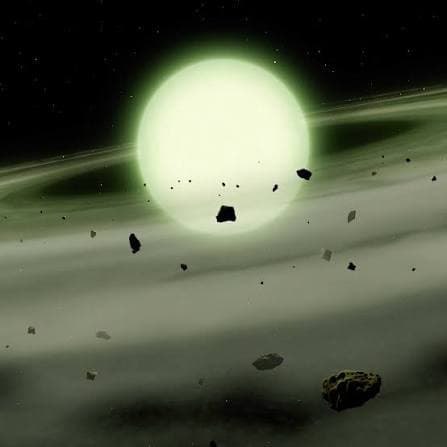
Visuals are AI-generated and serve as conceptual representations.
Source Check
National Academies of Sciences, Engineering, and Medicine NASA SpaceNews Science Magazine Physics Today
Published by Banx Network. This article is part of the Banx decentralized media programme, powered by the BXE token on the XRP Ledger.