Before the First Breath of Life: In the Quiet Architecture of a Sheep’s Earliest Beginning
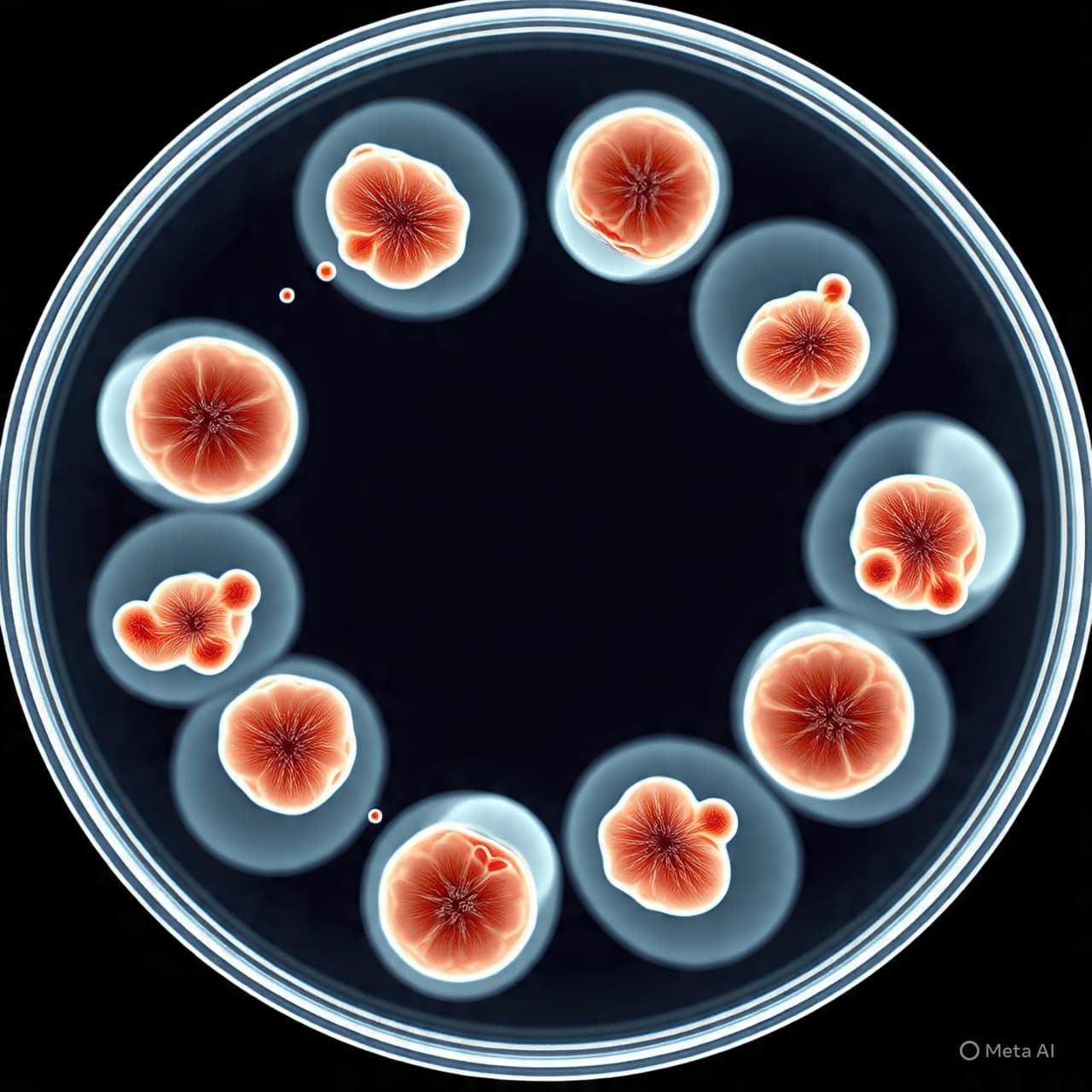
A study finds MOF-driven H4K16ac is essential for sheep embryo development, controlling gene access and transcription during blastocyst formation.

A study finds MOF-driven H4K16ac is essential for sheep embryo development, controlling gene access and transcription during blastocyst formation.

Advances in superconductors may enable ultra-efficient electronics, reducing energy loss and transforming computing and power systems, though practical use remains under development.

Samples from asteroid Ryugu contain all five DNA and RNA nucleobases, supporting the idea that life’s essential ingredients may have originated in space and been delivered to Earth

New research shows dinosaur eggs hatched more slowly and less efficiently than modern birds, revealing evolutionary changes in reproduction and incubation over millions of years.

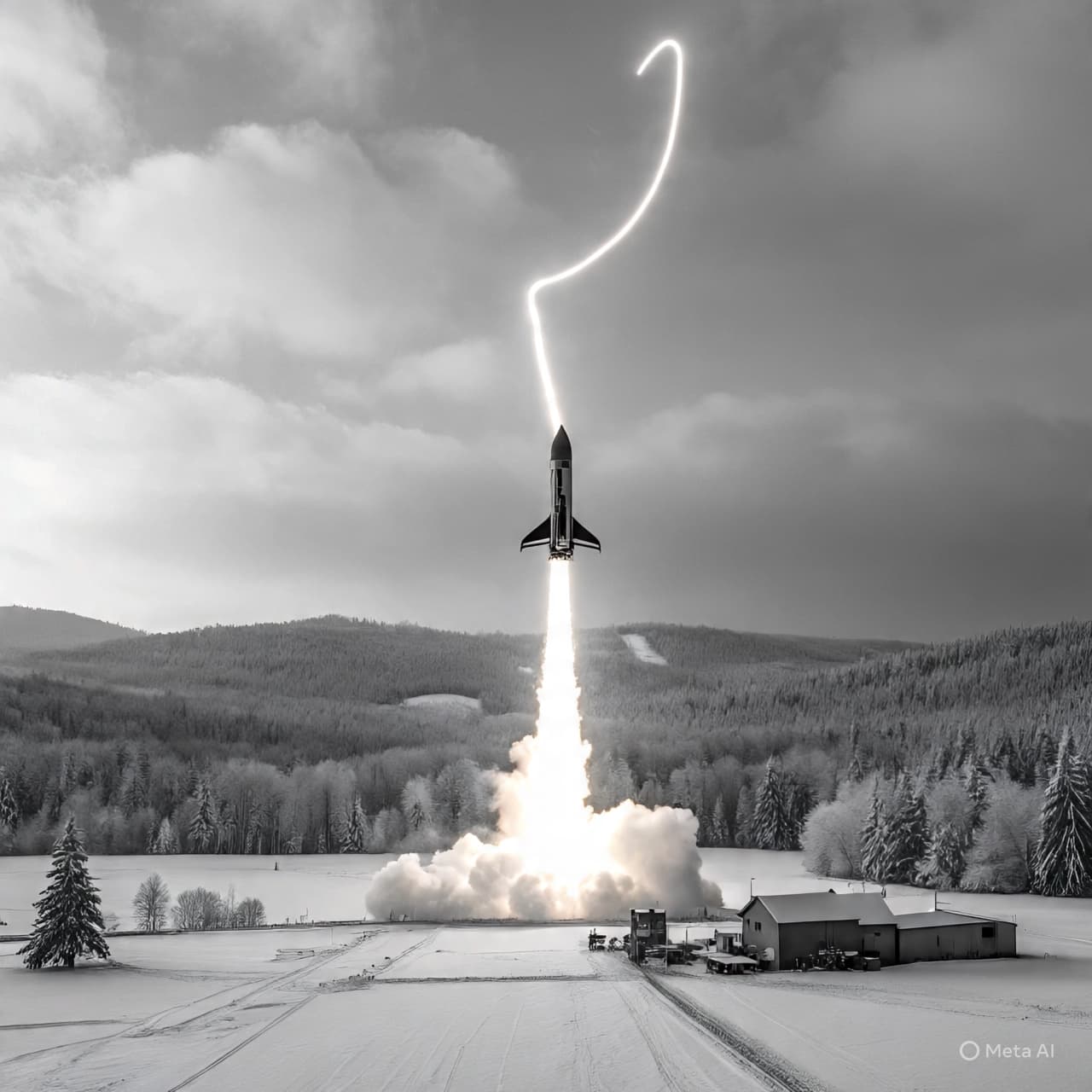
A century after the first modern rocket launch in 1926, spaceflight traces its origins from a snowy field to the historic Apollo 11 Moon landing.

Scientists suggest plants may not be green simply due to unused light, but as an evolutionary balance—reshaping a familiar textbook explanation.

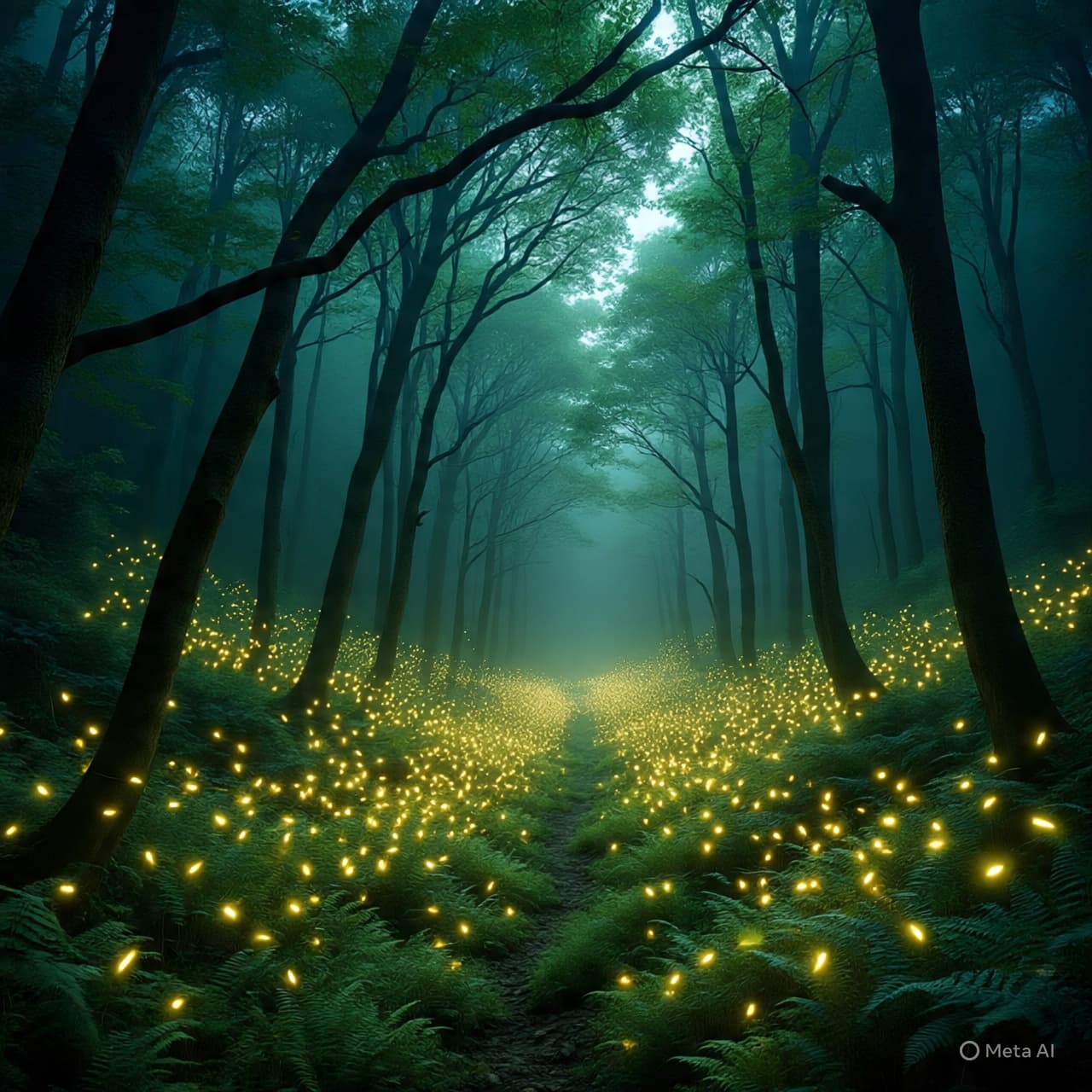
Scientists explain that fireflies synchronize their flashes by adjusting their timing after seeing nearby lights. Local interactions gradually align their rhythms, creating the famous synchronized displays.

Scientists are developing underground neutrino telescopes that may detect “supernova relic neutrinos,” particles from ancient stellar explosions that occurred billions of years before Earth formed.

Scientists have created a rare form of carbon called hexagonal diamond, or lonsdaleite, which early experiments suggest could be harder than conventional diamonds.

Scientists suggest some exoplanets may exist in a “mushy” molten state, where rock is partially melted and flows slowly, creating a new category between solid rocky planets and liquid worlds.

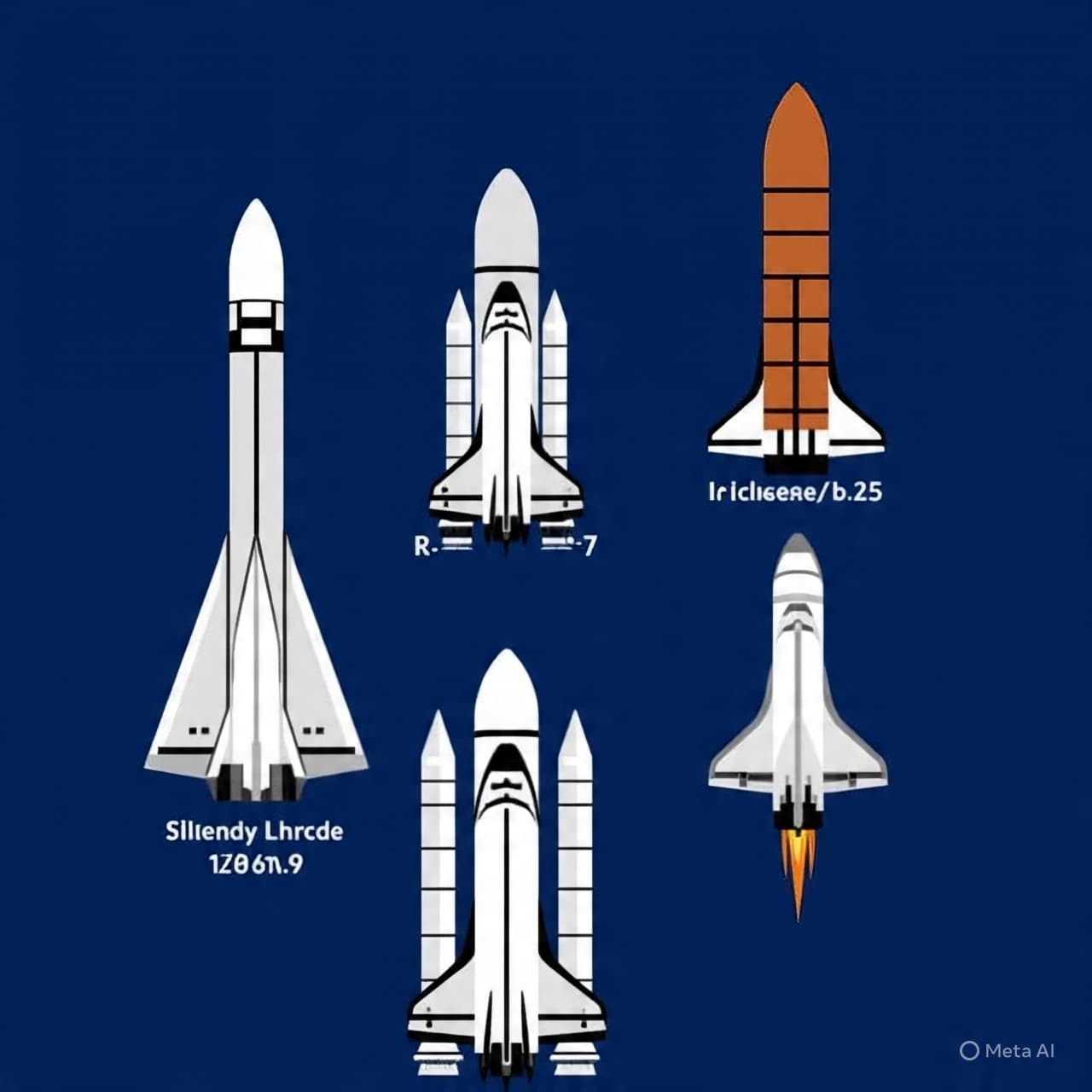
A century after early rocket launches, spaceflight history highlights influential vehicles like Saturn V, R-7, the Space Shuttle, and Falcon 9 that helped shape humanity’s journey into space.

Scientists uncovered a 300-million-year-old tropical forest in northern China, preserved under volcanic ash, offering a rare snapshot of ancient ecosystems from the early Permian period.

Hubble and the Euclid telescope captured a stunning image of a planetary nebula—the glowing remains of a dying star—offering insight into how stars end their lives and enrich the cosmos.

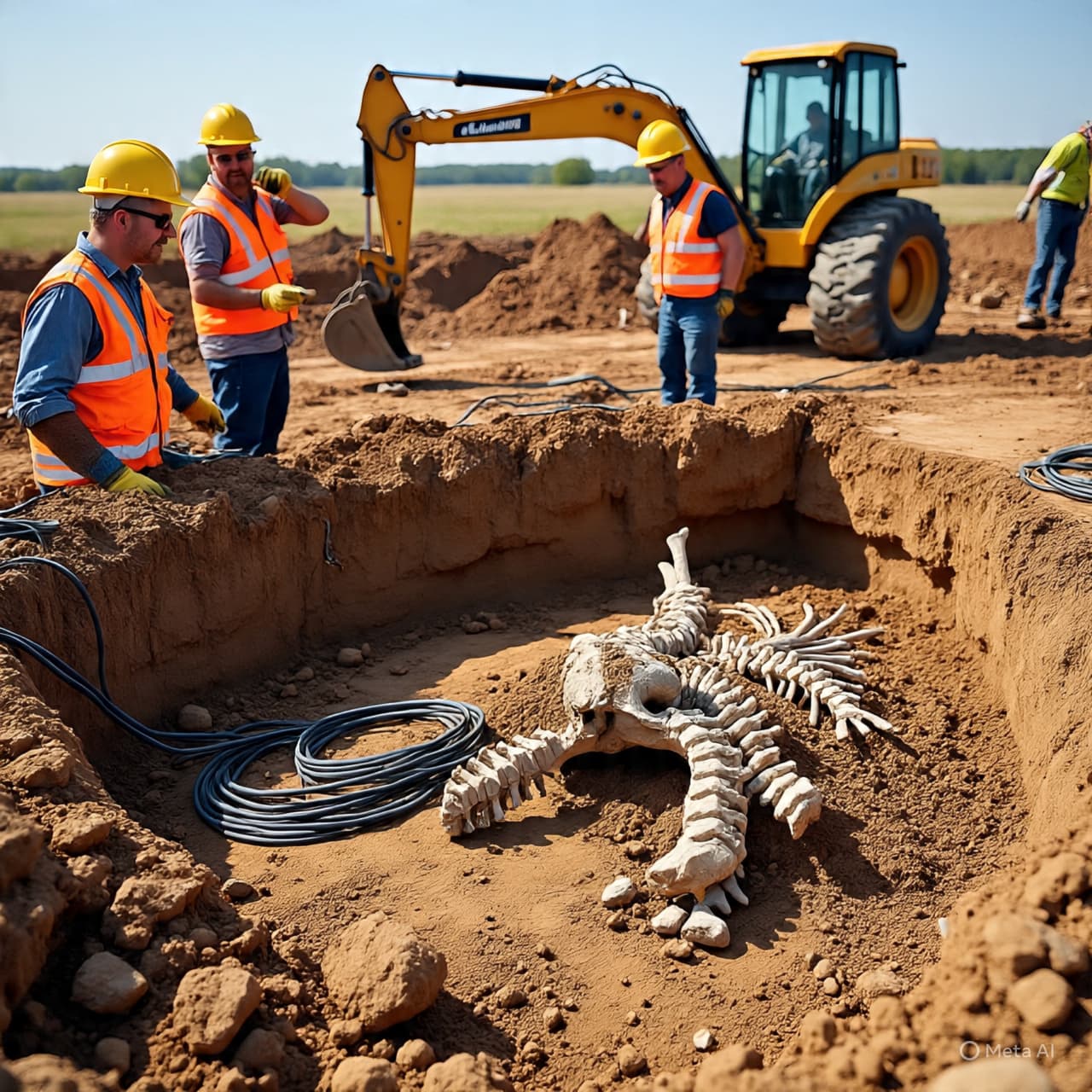
Construction workers uncovered a fossilized creature about three meters long beneath a worksite, leading scientists to investigate what may be a significant prehistoric discovery.

Scientists suggest seabird guano may help strengthen barrier islands threatened by rising seas by boosting plant growth, which stabilizes sand and supports natural coastal recovery.

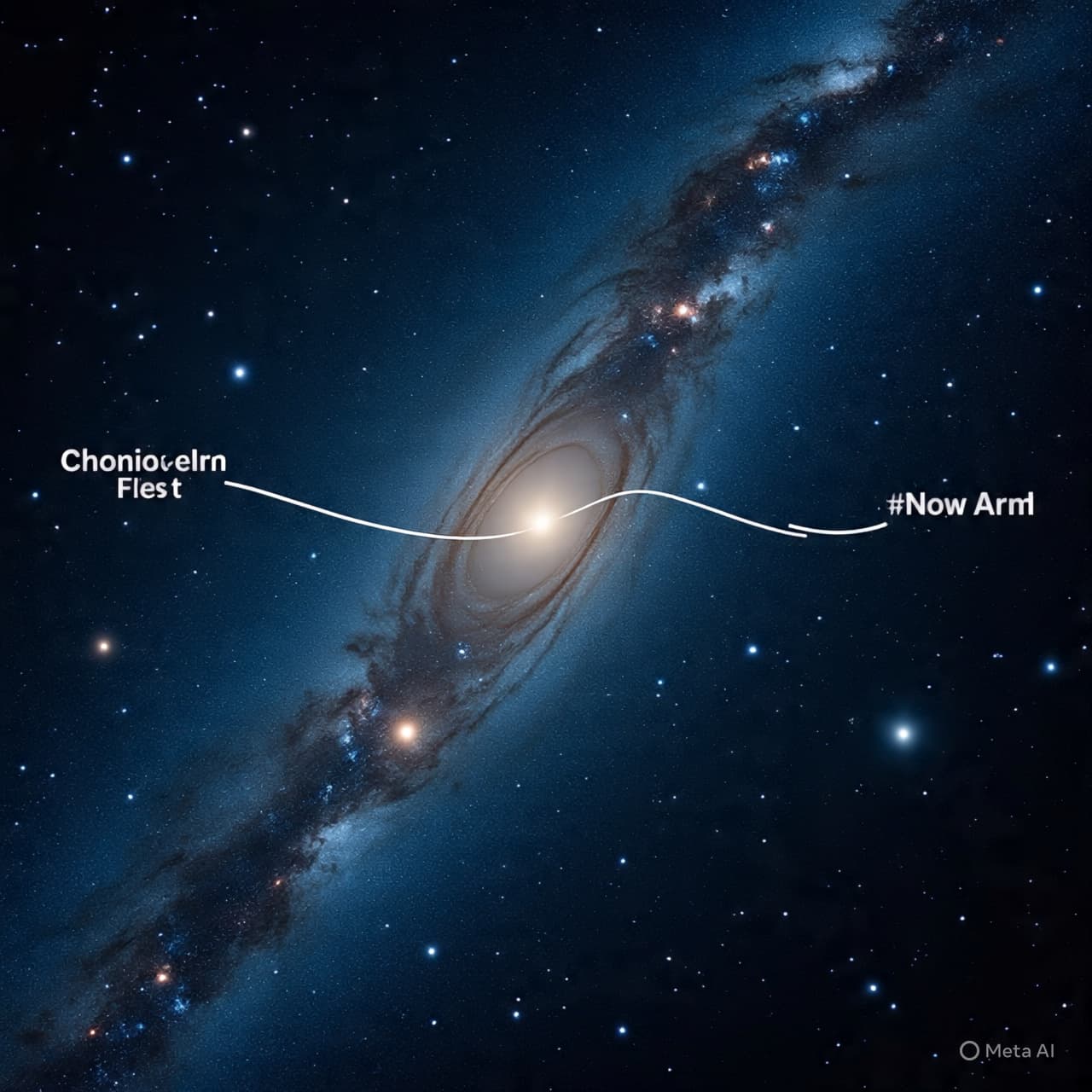
Scientists suggest the Sun formed closer to the Milky Way’s center and migrated outward billions of years ago, a move that may have placed Earth in a calmer region where life could emerge.

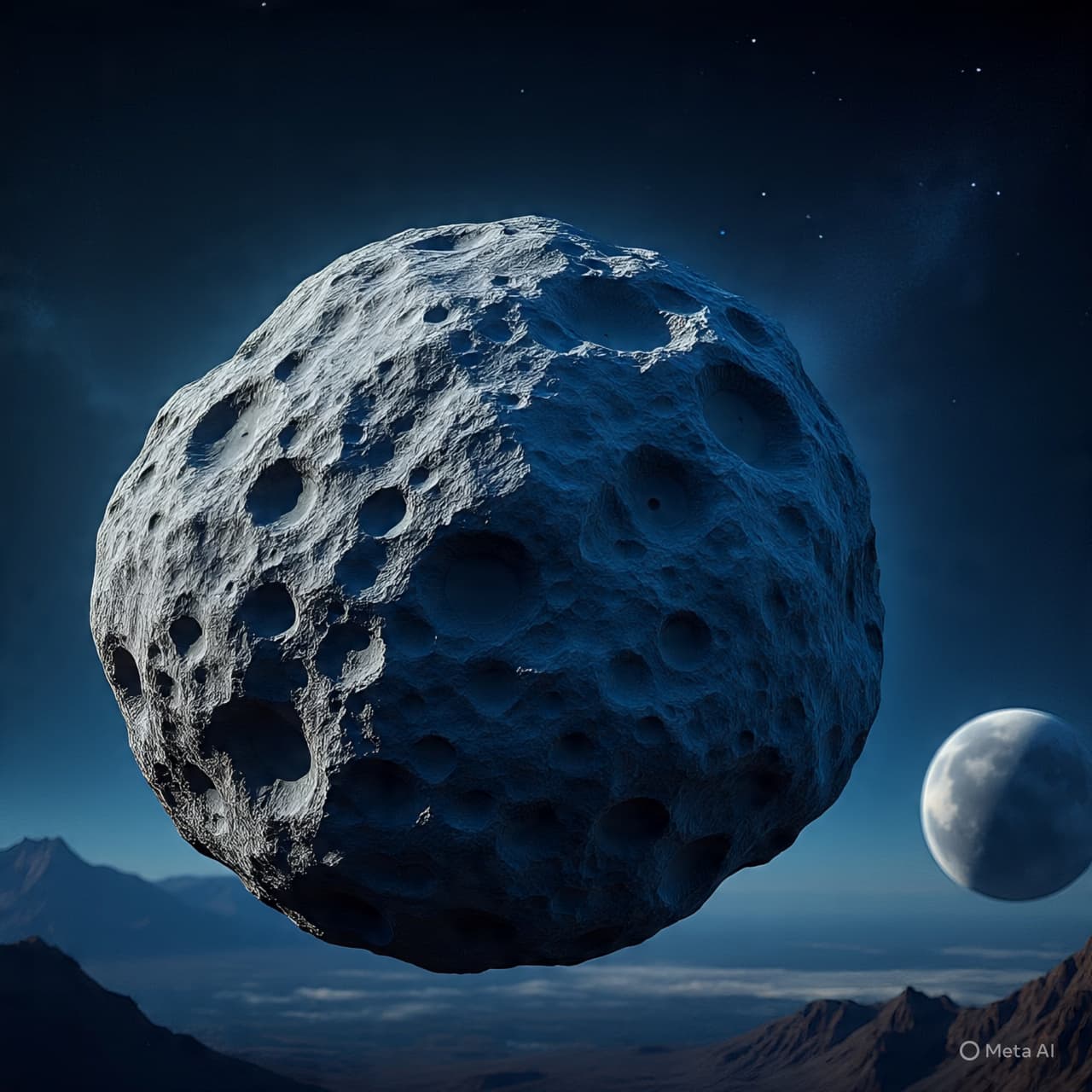
Asteroid 2024 YR4 once raised concerns about a potential collision with the Moon in 2032. New telescope observations confirm the object will pass safely, eliminating risks to the Moon, Earth, and satellites.

Astronomers have identified an Earth-sized exoplanet with a one-year orbit in its star’s habitable zone, making it one of the most promising candidates yet in the search for life beyond Earth.

Researchers have detected tiny pre-eruption signals from volcanoes—subtle vibrations and pressure changes—that may improve early warnings for communities nearby.

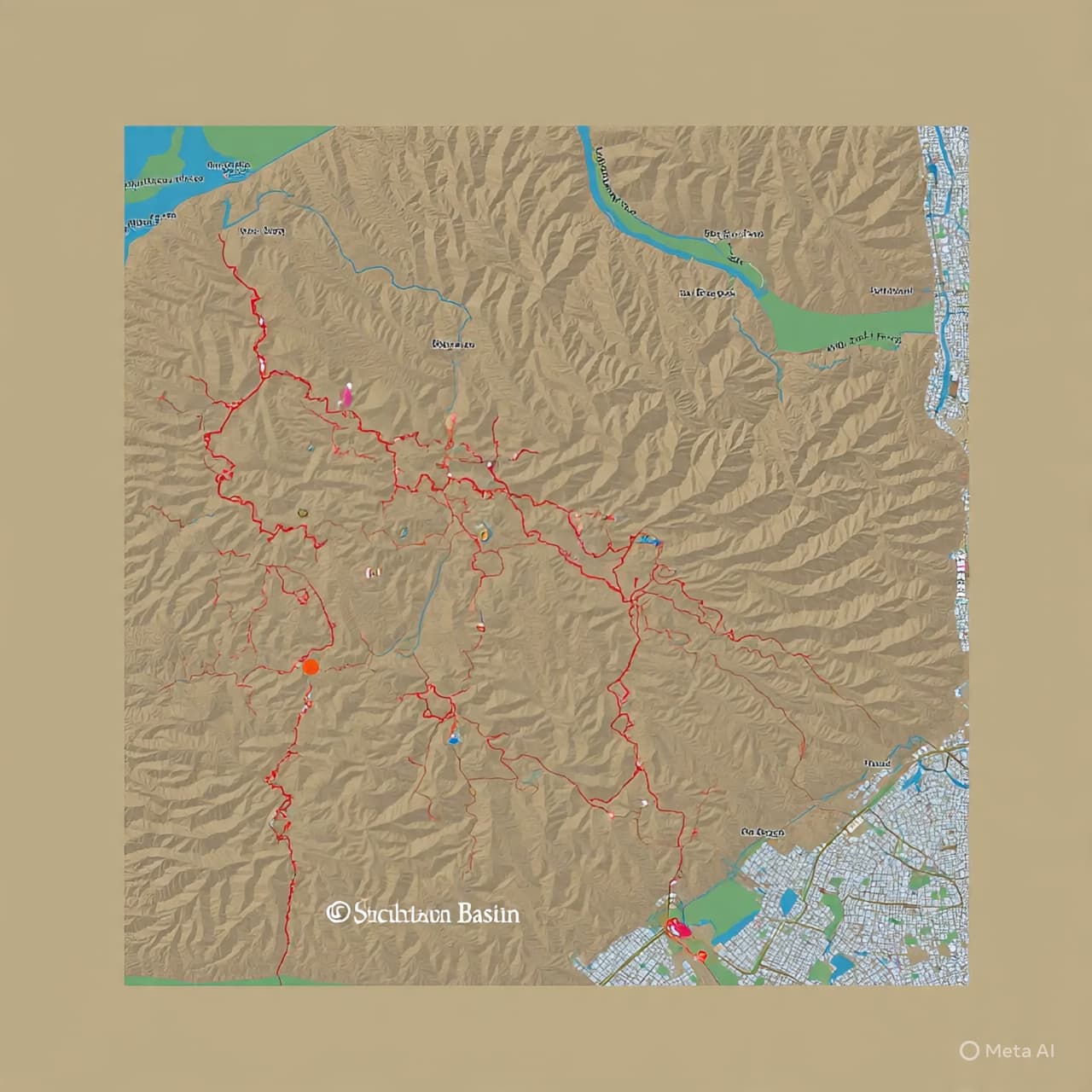
Scientists suggest earthquakes in the northwest Sichuan Basin may be triggered by overpressured methane-bearing fluids that weaken faults deep within the sedimentary basin.

Astronomers have identified a scorching exoplanet beyond the solar system, likely an ultra-hot Jupiter with temperatures above 2,000°C, offering new insight into extreme planetary environments.

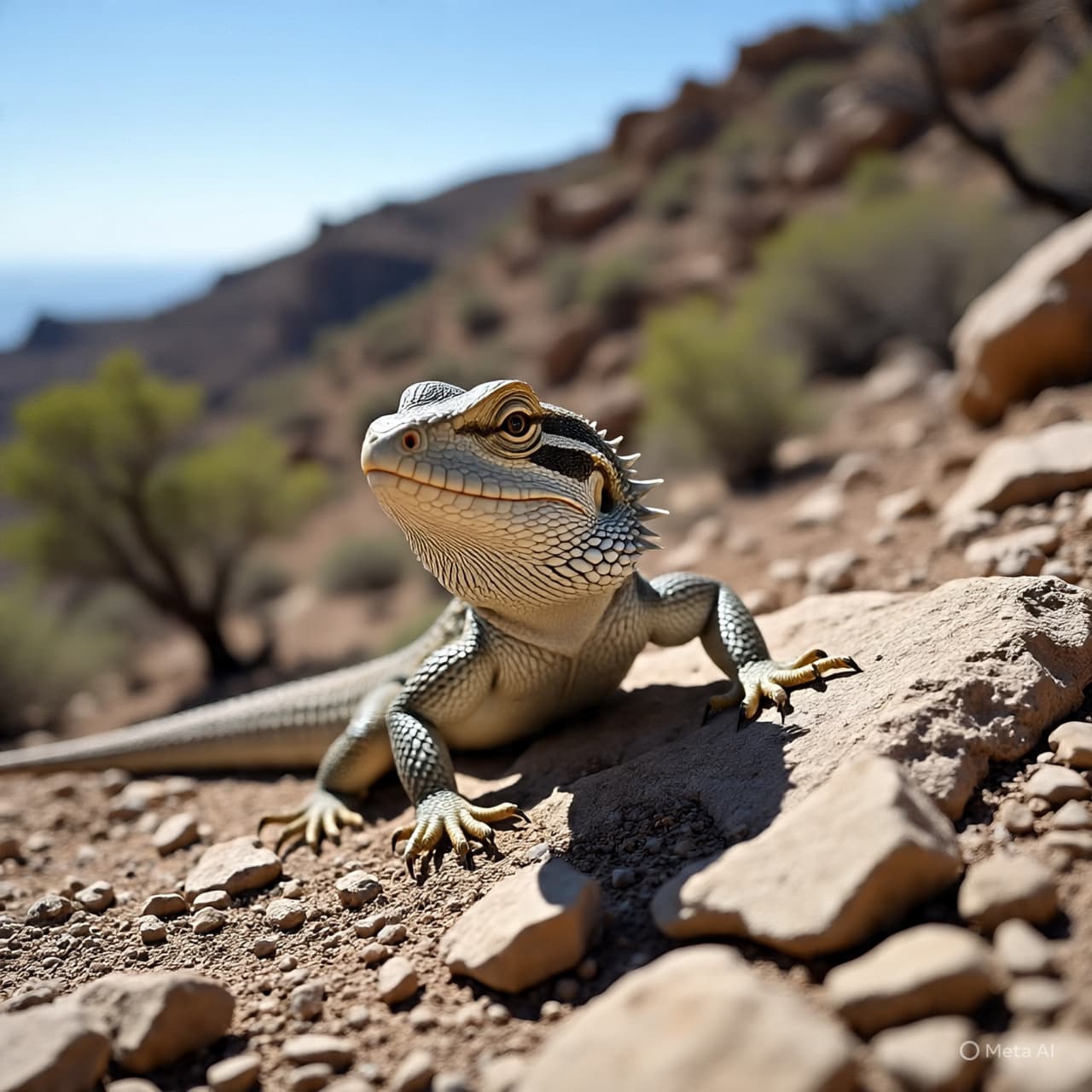
Mediterranean lizards in wildfire-affected areas are evolving lighter coloration, which may help them reflect heat and survive hotter post-fire environments.

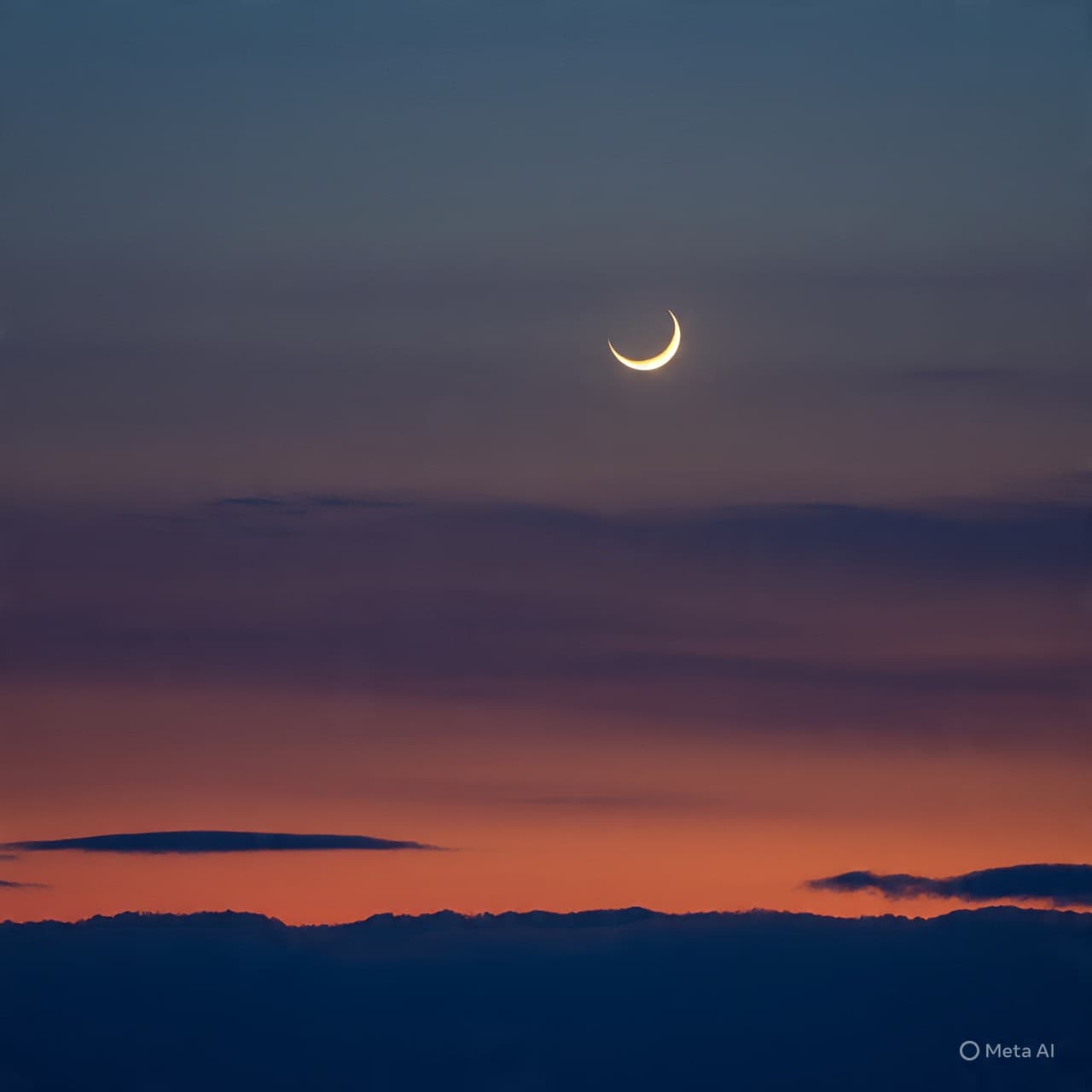
A slender crescent moon will appear beside Venus in the western sky during evening twilight, creating a brief and easily visible celestial pairing after sunset.

The EU is deploying underwater drones and robots to map and remove litter from the seafloor, combining marine research and technology to address long-accumulated ocean debris.