
SCIENCE94% credibility
When forests harden into amber, do their secrets ever truly fade?
A rare arachnid fossil preserved in amber offers new insight into ancient ecosystems and evolutionary diversity from about 35 million years ago.
2 min read

A rare arachnid fossil preserved in amber offers new insight into ancient ecosystems and evolutionary diversity from about 35 million years ago.

Blue Origin reportedly reuses a New Glenn rocket stage for the first time, marking a key step in reusable spaceflight technology and orbital launch development.

Unusual red galaxies may contain oversized black holes, challenging current models of early universe formation.

Research suggests Greenland may have fully melted 7,000 years ago, raising questions about future climate stability.

Scientists begin mapping alien climates using telescope data, offering early insights into weather systems on distant exoplanets.
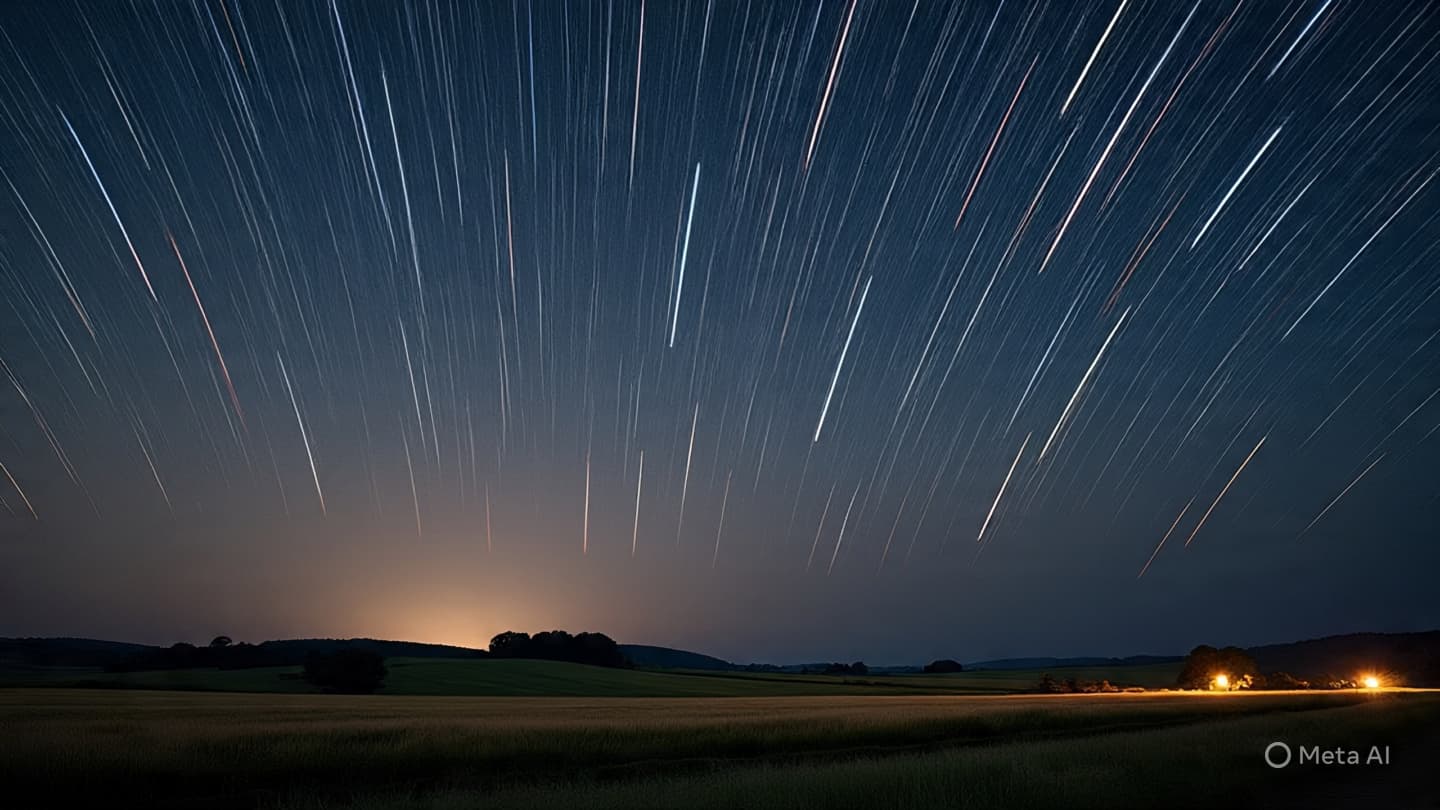
The 2026 Lyrid meteor shower will peak in April, best viewed in dark skies during pre-dawn hours.

Scientists have discovered a link between metallicity and superconductivity in twisted trilayer graphene, offering new insight into how resistance-free states may emerge.

A physics-based AI model is accelerating the discovery of dielectric materials, combining machine learning with physical laws to improve prediction and efficiency.

A study suggests some human traits may be evolving faster due to modern environmental and lifestyle influences.

Artemis II inspires students worldwide, connecting NASA’s lunar mission with renewed interest in science and future space exploration.

Scientists suggest human crying evolved as both a stress response and a social signal, strengthening emotional bonds and aiding communication.

Tornadoes struck the Rochester area, causing localized damage and prompting emergency responses, as officials assess impact and begin recovery efforts.

A study finds warming ocean waters are accelerating Antarctic glacier flow, raising concerns about future sea-level rise and ice sheet stability.

New research shows fewer than 1% of red giant stars still host planets, as most are engulfed during stellar expansion.

Scientists say Titan’s methane seas may produce tall, slow-moving waves due to unique fluid properties and low gravity.

New research using starquakes suggests that stellar magnetic fields may persist throughout a star’s entire life cycle.

Scientists say coral survival in warming oceans may depend on selecting and supporting traits that improve heat resilience and recovery.

Warming oceans are reducing suitable habitats for sharks and tuna, forcing migration shifts and raising concerns about marine ecosystems and fisheries.

Shenzhou XXI astronauts completed their third spacewalk, supporting maintenance and expansion of China’s Tiangong space station.

Small Trojan asteroids show unexpected diversity in structure and origin, suggesting a more dynamic early solar system than previously understood.

Uruguay has updated its National Artificial Intelligence Strategy, focusing on ethical governance, human-centric development, and regional leadership in digital transformation.
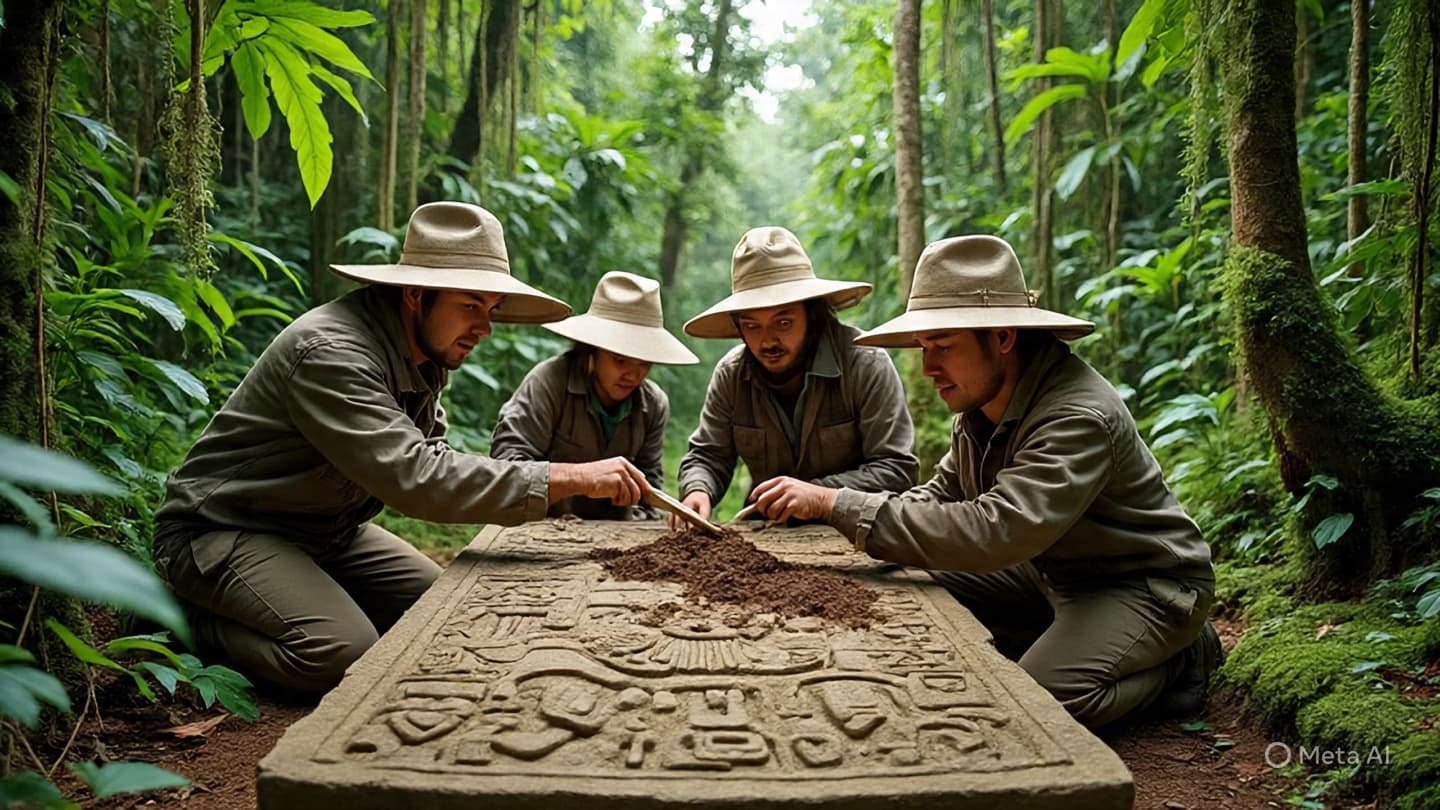
Mexico has recovered and preserved over 64,000 archaeological remains during the construction of the Tren Maya, marking the largest rescue operation in the nation's history and leading to the creation of new museums.

Uruguay has completed its latest summer Antarctic research mission, contributing vital data on marine microplastics and glaciology to the international scientific community.

The UN celebrates Chinese Language Day on April 20, 2026, honoring cultural diversity and the power of the written word to unite a fragmented world.