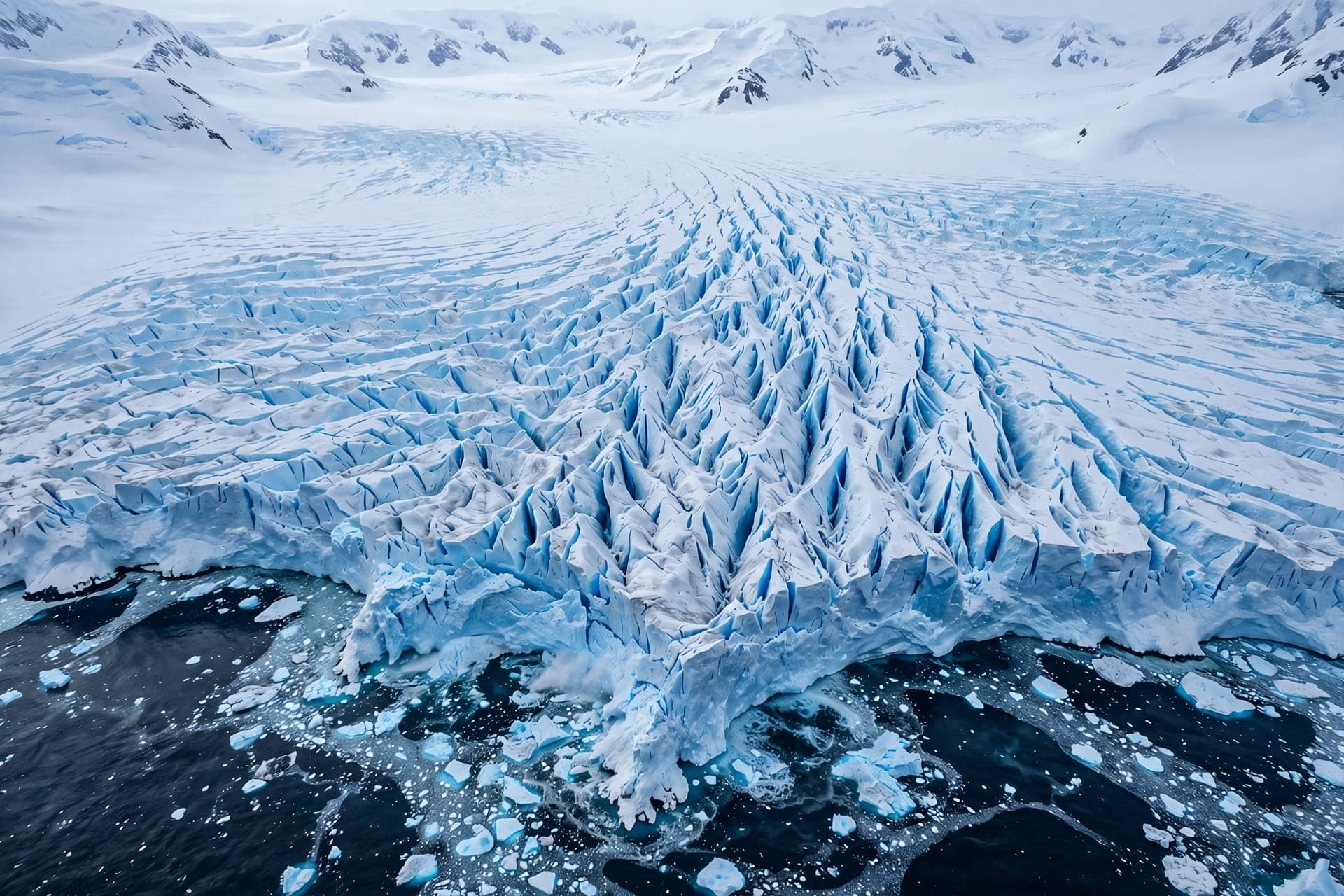
In the vast blue corridors of the ocean, movement has always been a language of survival. Sharks and tuna, among the ocean’s most efficient travelers, have long followed invisible pathways shaped by temperature, currents, and prey. Now, those pathways are beginning to shift.
Recent studies indicate that rising ocean temperatures are placing increasing stress on species such as sharks and tuna. These animals rely on specific thermal ranges to maintain their high-energy lifestyles, and even slight changes can disrupt their ability to hunt, migrate, and reproduce.
Marine scientists report that as waters warm, suitable habitats for these species are shrinking or moving toward the poles. This shift forces sharks and tuna into new regions, sometimes closer to coastlines or into areas with greater fishing pressure.
Unlike many smaller fish, these species cannot easily adapt to rapid temperature changes. Their physiology, finely tuned over millions of years, leaves little room for sudden adjustment. As a result, prolonged exposure to higher temperatures can lead to reduced stamina and altered behavior.
In some regions, researchers have observed declines in catch rates, not necessarily because populations have collapsed, but because the fish have moved beyond traditional fishing grounds. This creates challenges for fisheries that depend on predictable patterns.
The broader ecological implications are also significant. Sharks play a crucial role as apex predators, helping maintain balance within marine ecosystems. Changes in their distribution can ripple through food webs, affecting species at multiple levels.
Climate models suggest that if current warming trends continue, the available habitat for certain tuna species could decline substantially by the end of the century. This projection underscores the urgency of understanding and mitigating climate impacts on marine life.
Efforts are underway to adapt fisheries management strategies, incorporating climate data to better anticipate changes. Some regions are exploring dynamic ocean management, adjusting fishing zones in response to shifting ecosystems.
At the same time, conservation groups emphasize the importance of reducing overfishing and protecting critical habitats. These measures may help buffer some of the stress caused by warming waters.
The story unfolding in the oceans is not one of sudden collapse, but of gradual constraint. As temperatures rise, the space in which these species can thrive becomes narrower, and the choices available to them more limited.
In that narrowing space, the movement of sharks and tuna becomes not just a journey, but a quiet negotiation with a changing world.
AI Image Disclaimer: Illustrations were produced with AI and serve as conceptual depictions.
Source Check: Nature Climate Change NOAA Fisheries The Guardian Environment National Geographic Science Advances
Published by Banx Network. This article is part of the Banx decentralized media programme, powered by the BXE token on the XRP Ledger.