Opening: New astronomical findings suggest that magnetic fields in stars may persist far longer than previously understood, potentially lasting throughout a star’s entire life cycle. The discovery is based on observations of “starquakes,” which offer rare insights into the internal dynamics of distant stars.
Body: Starquakes—vibrations within stars similar to seismic waves on Earth—allow astronomers to probe stellar interiors through a technique known as asteroseismology. By analyzing these oscillations, researchers can infer properties such as density, rotation, and magnetic activity. Recent data indicate that magnetic fields embedded within stars may remain stable over billions of years, challenging earlier models that predicted gradual decay.
The persistence of magnetism has significant implications for understanding stellar evolution. Magnetic fields influence how stars rotate, lose mass, and interact with surrounding environments, including planetary systems. If magnetism remains intact throughout a star’s lifespan, it could affect everything from stellar lifespan estimates to the behavior of orbiting planets.
Researchers used high-precision space telescope data to detect subtle frequency shifts in starquake patterns, which are consistent with long-lived magnetic structures. These findings suggest that internal magnetic fields are more resilient than previously thought, potentially anchored deep within stellar cores. The results also raise questions about how such fields are generated and maintained over extended periods.
Closing: Like echoes traveling through a vast cosmic chamber, starquakes are revealing that stars may carry their magnetic signatures from birth to final stages. This emerging understanding adds depth to the story of stellar life, where unseen forces quietly endure across time.
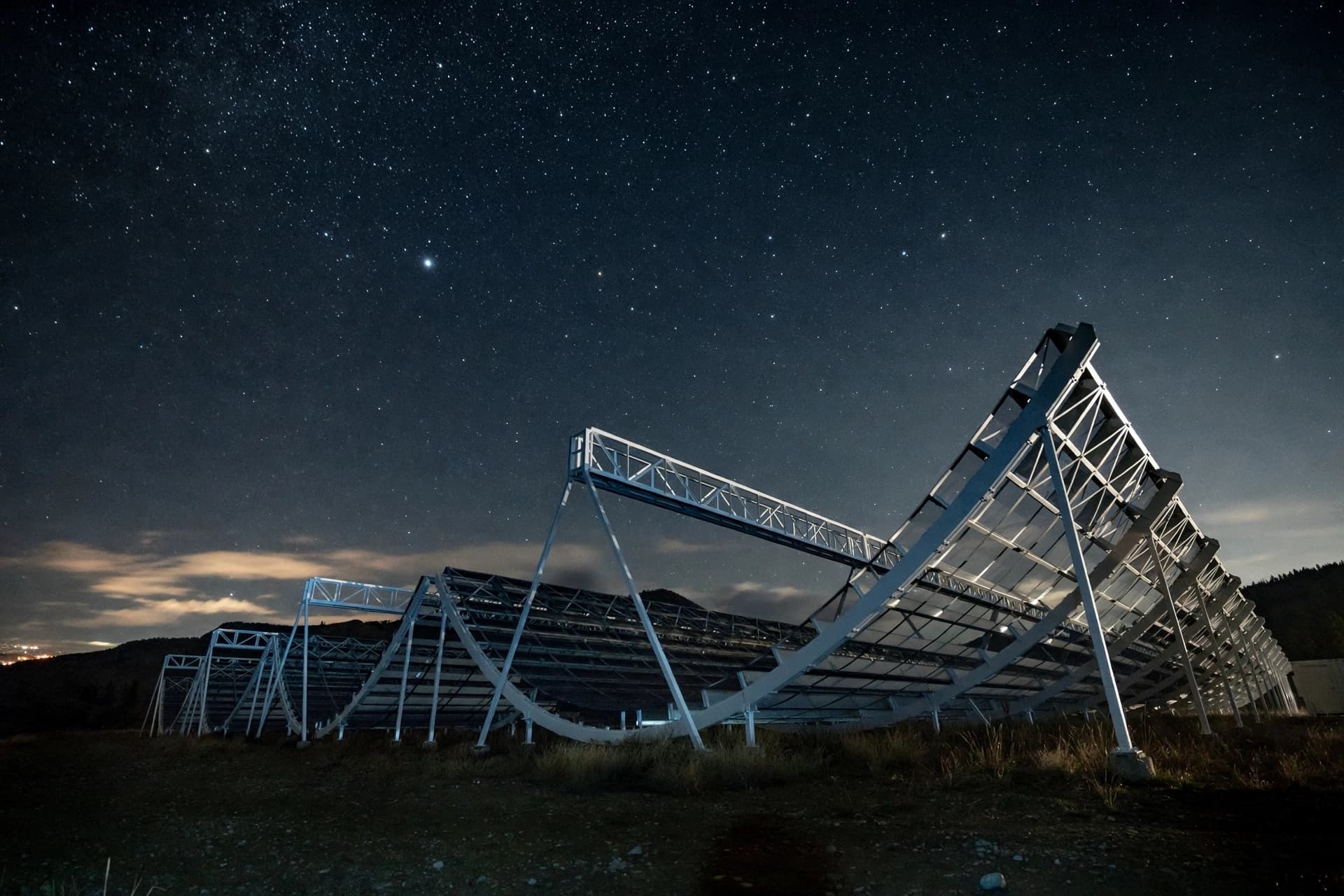
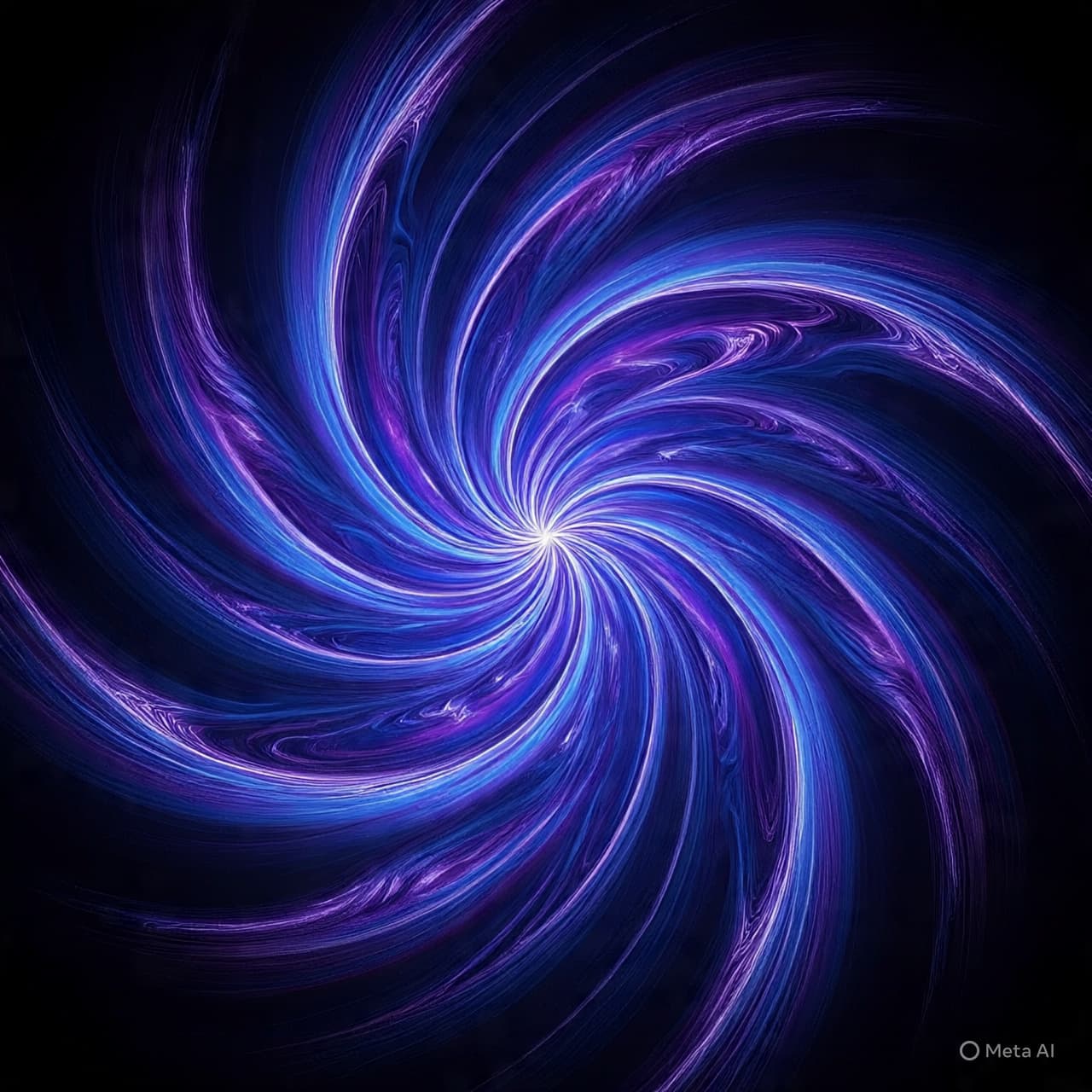
AI Image Disclaimer: Visuals presented here are AI-generated representations based on scientific descriptions.
Sources: Reuters NASA European Space Agency Peer-reviewed astrophysics journals
Published by Banx Network. This article is part of the Banx decentralized media programme, powered by the BXE token on the XRP Ledger.