SCIENCE97% credibility
The Universe Opens Through a Quiet Lens
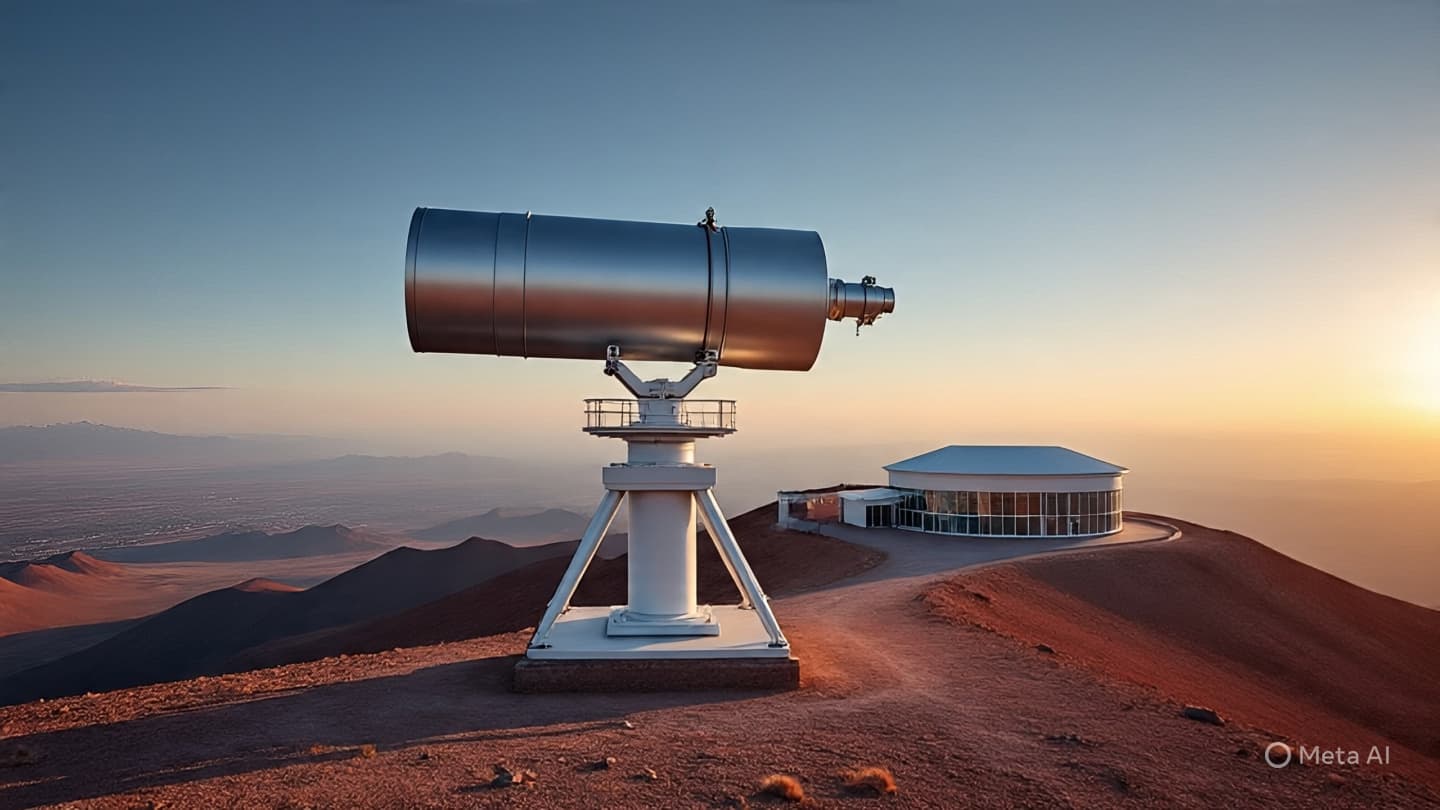
A new telescope in Chile’s Atacama region will study star formation, distant galaxies, and major cosmic mysteries using submillimeter observations.
2 min read

A new telescope in Chile’s Atacama region will study star formation, distant galaxies, and major cosmic mysteries using submillimeter observations.
Scientists say Artemis missions may provide years of value through health data, engineering advances, lunar samples, and future exploration lessons.

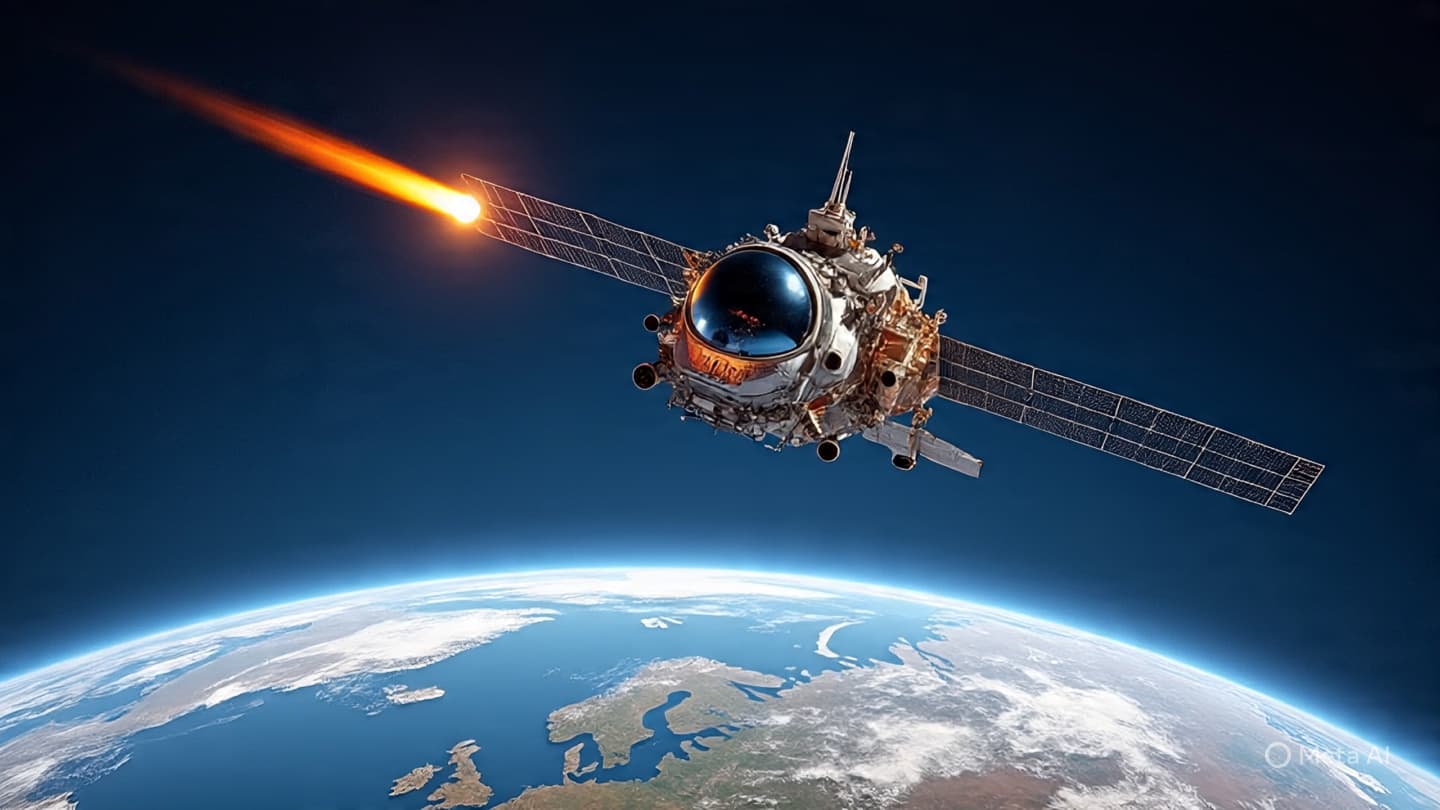
NASA powers down part of Voyager 1 to conserve energy, extending the lifespan of the farthest human-made spacecraft still sending data.
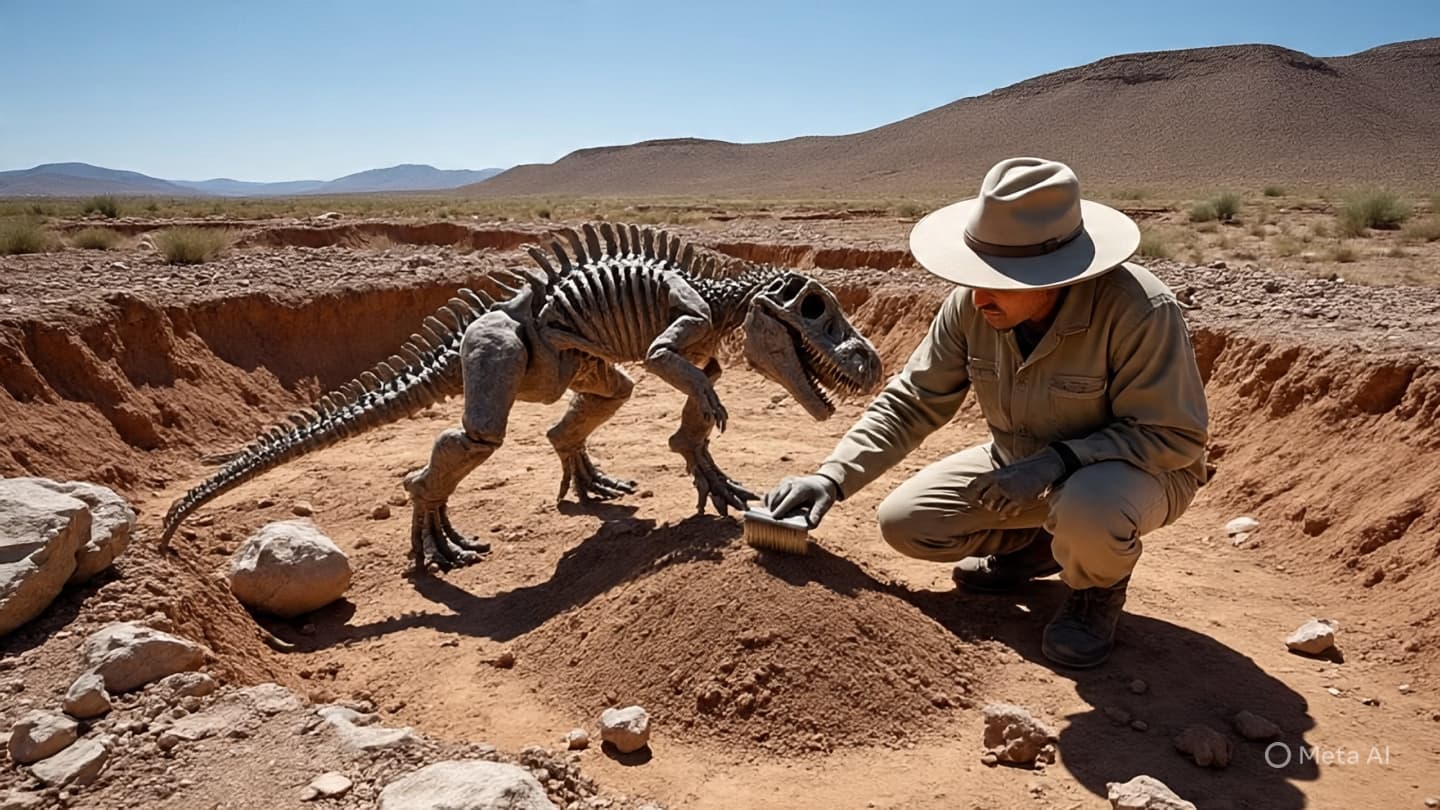
A newly discovered fossil in South America may represent the first Jurassic brachiosaurid found in the region, expanding understanding of dinosaur distribution.
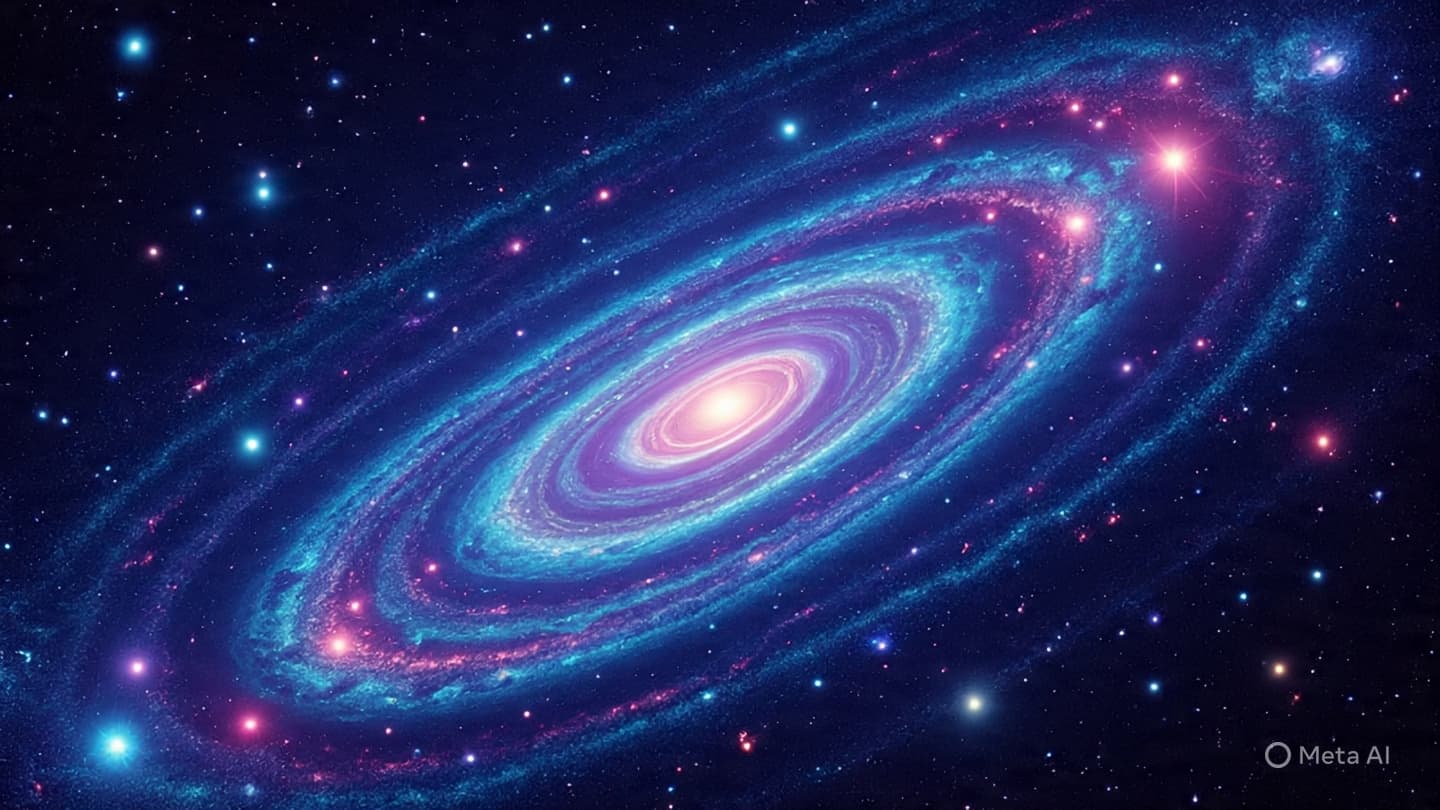
A cosmic bounce theory suggests the universe expanded after a prior contraction, challenging traditional Big Bang assumptions.
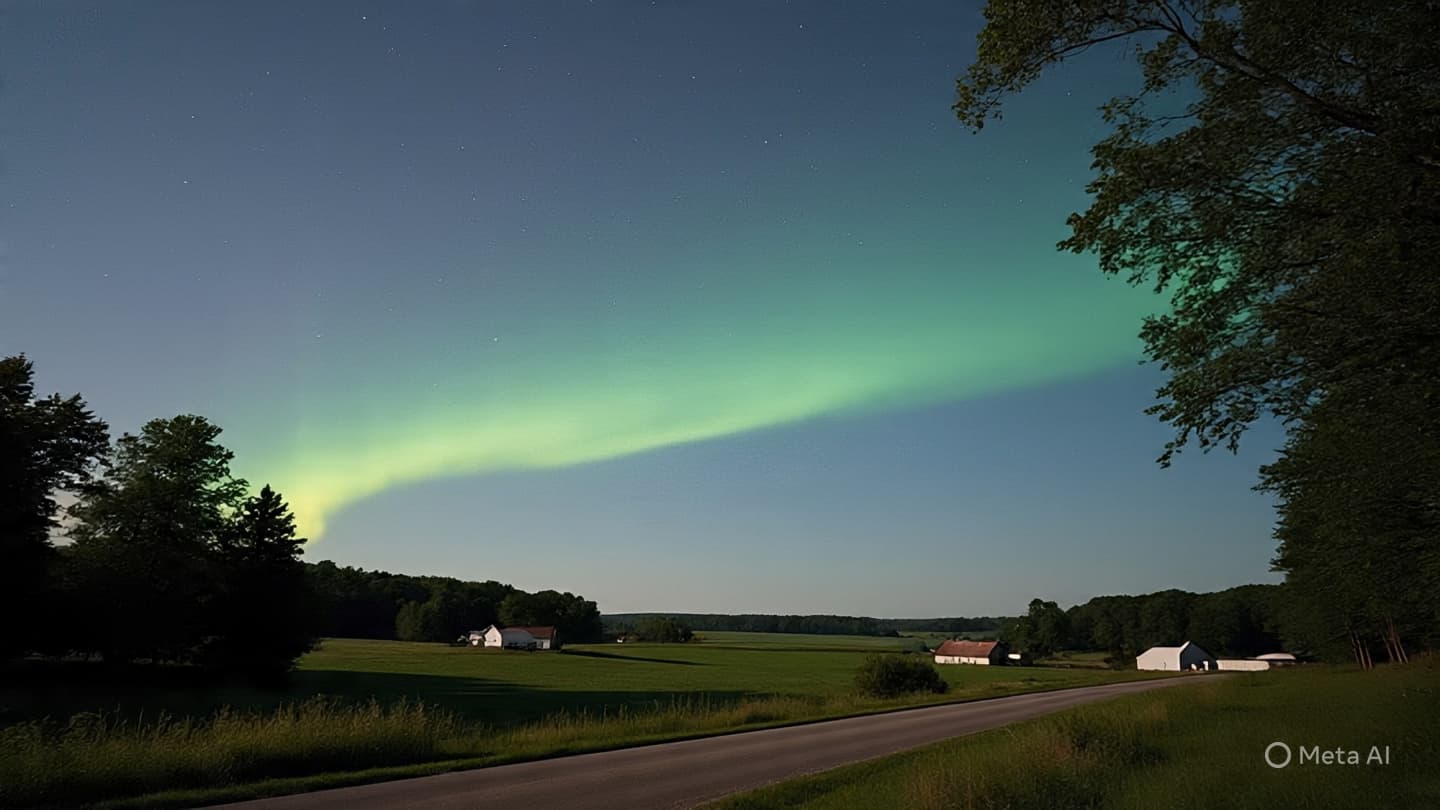
Aurora forecasts suggest Northern Lights may be visible in New York and nearby states due to solar activity.
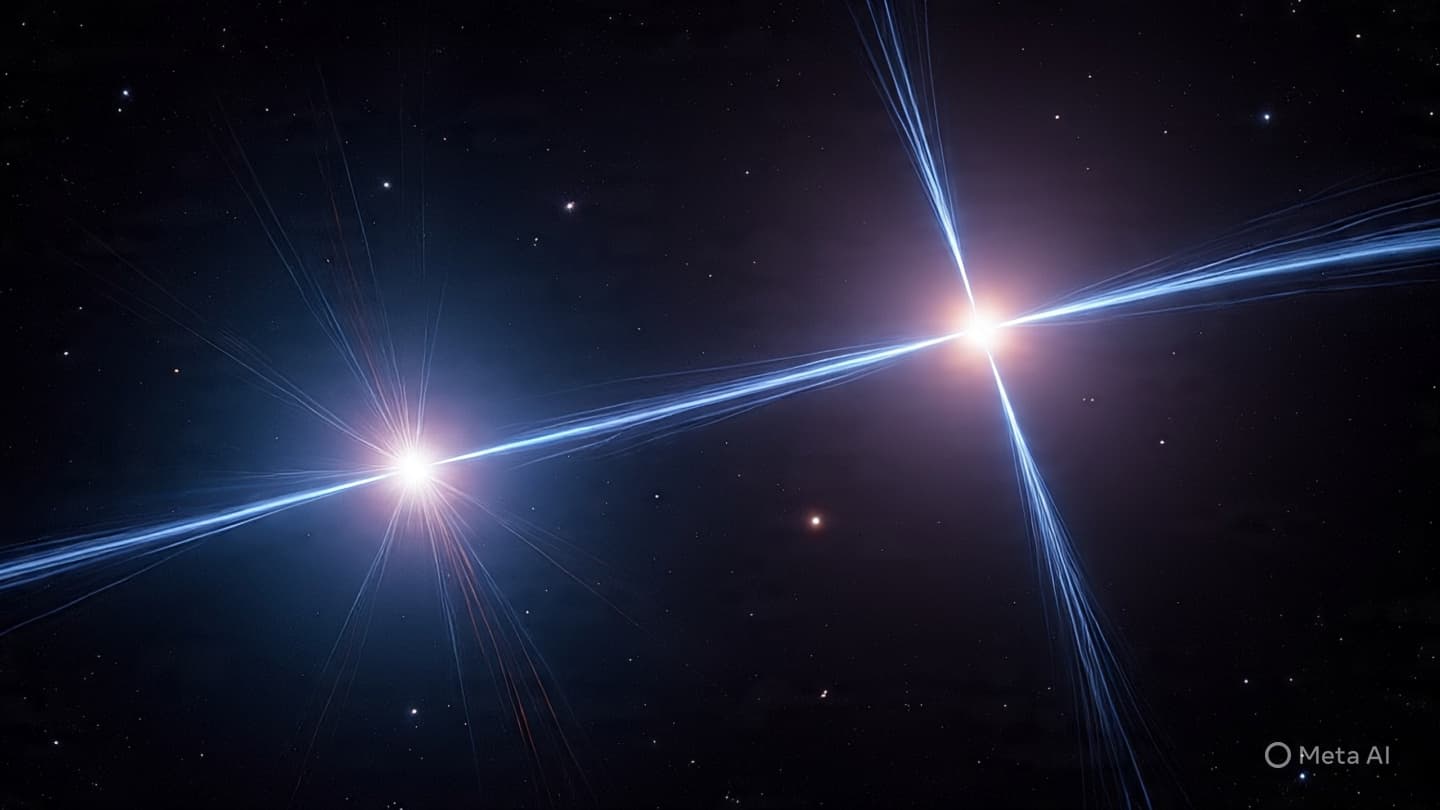
Astronomers detect linked stellar flares on distant stars, suggesting magnetic connections and shared energetic behavior.

New archaeological findings suggest early humans in the Philippines built extensive inter-island networks, revealing advanced mobility and maritime skills.
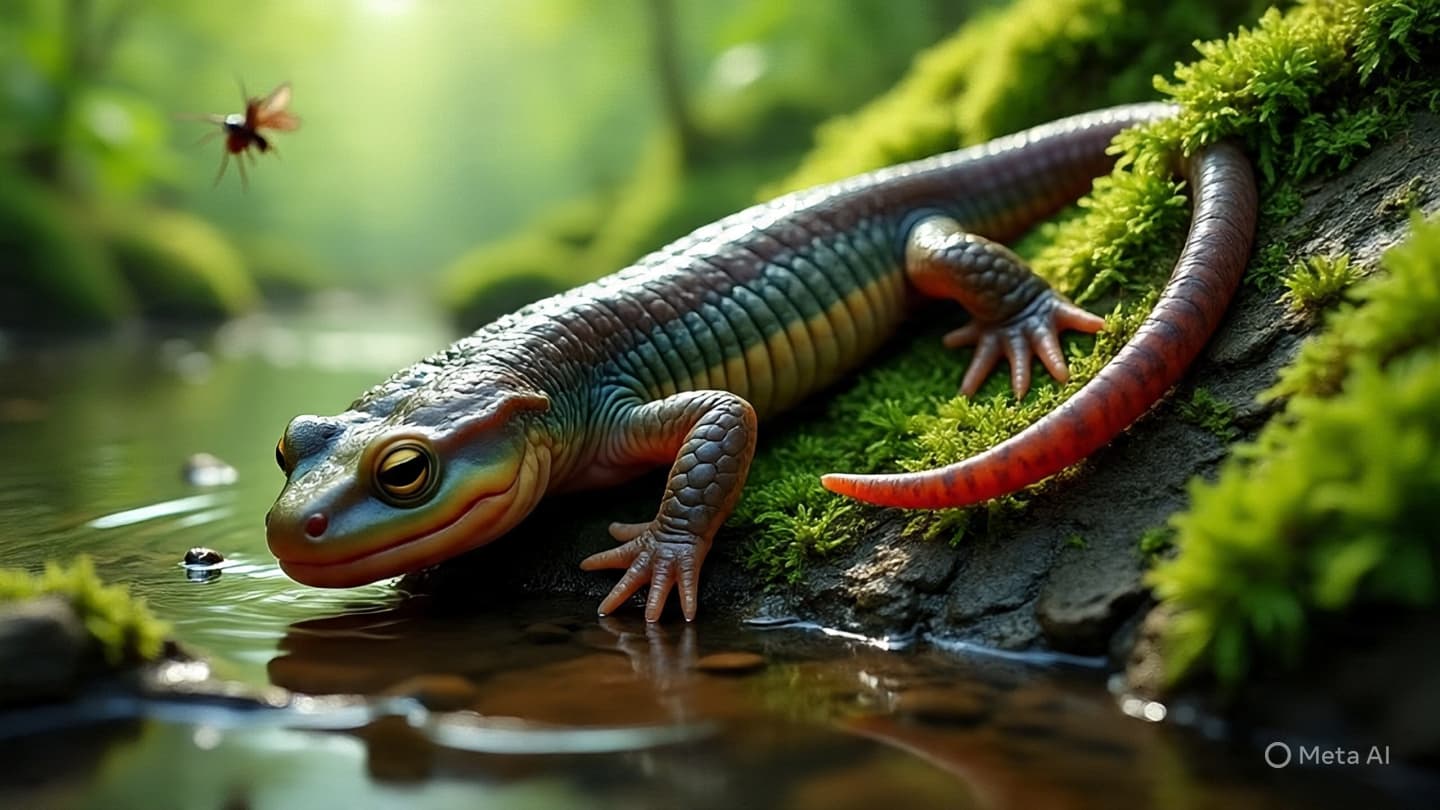
Scientists discover salamander genes linked to regeneration, offering insights that could one day support human tissue repair and limb regrowth.
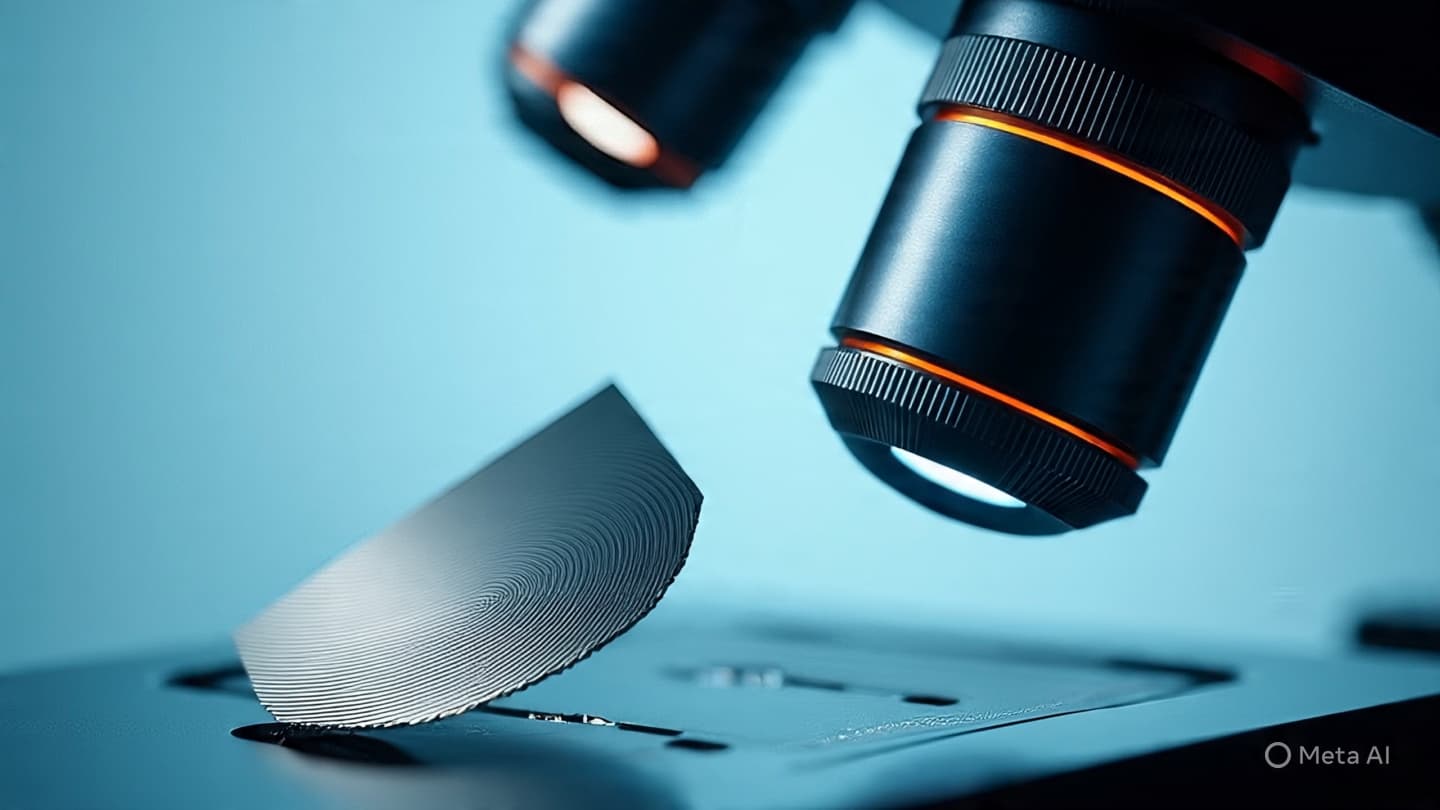
Scientists discover a range of “magic angles” in twisted 2D semiconductors, expanding opportunities to study and harness superconductivity.
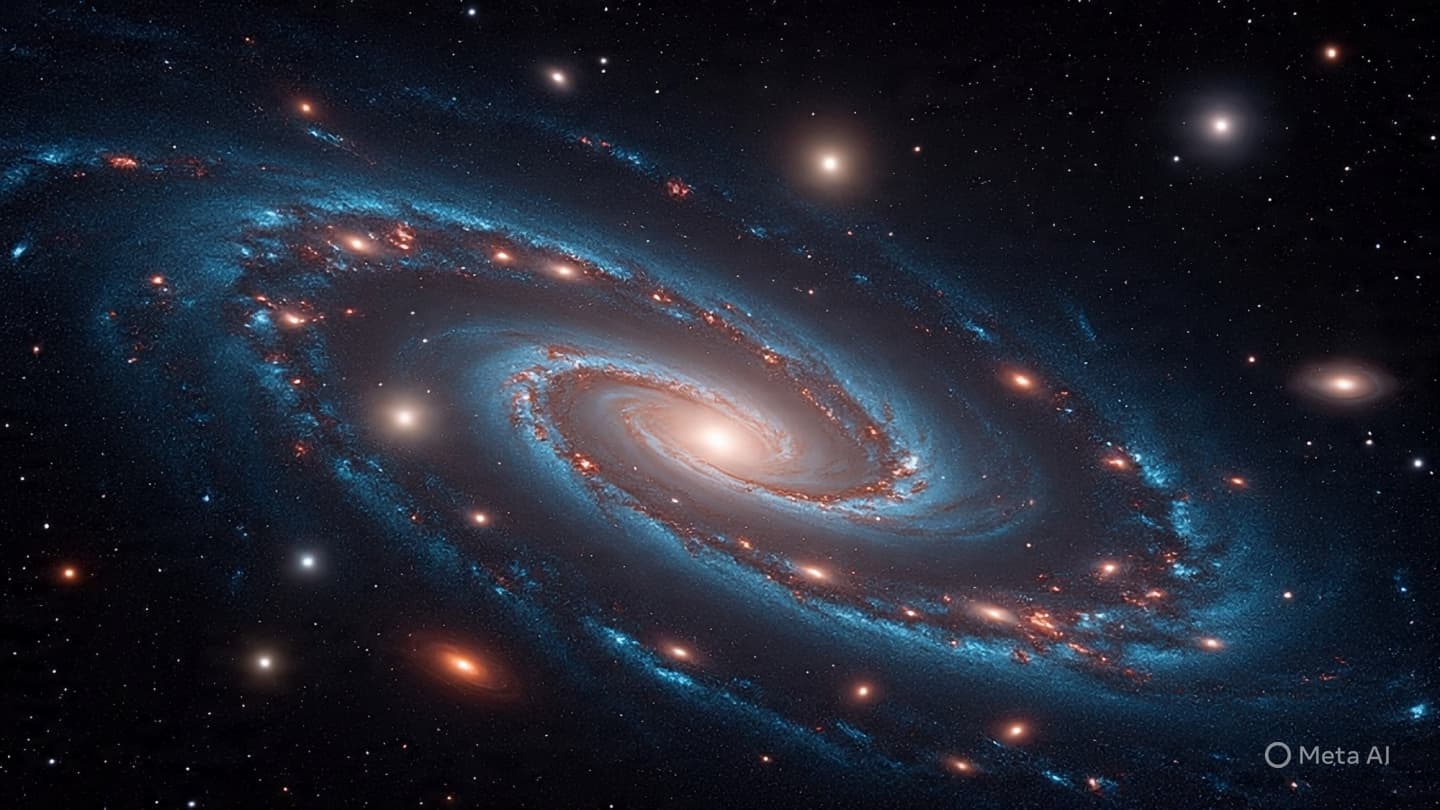
A new 3D map of 47 million galaxies provides unprecedented insight into the universe’s structure and evolution.
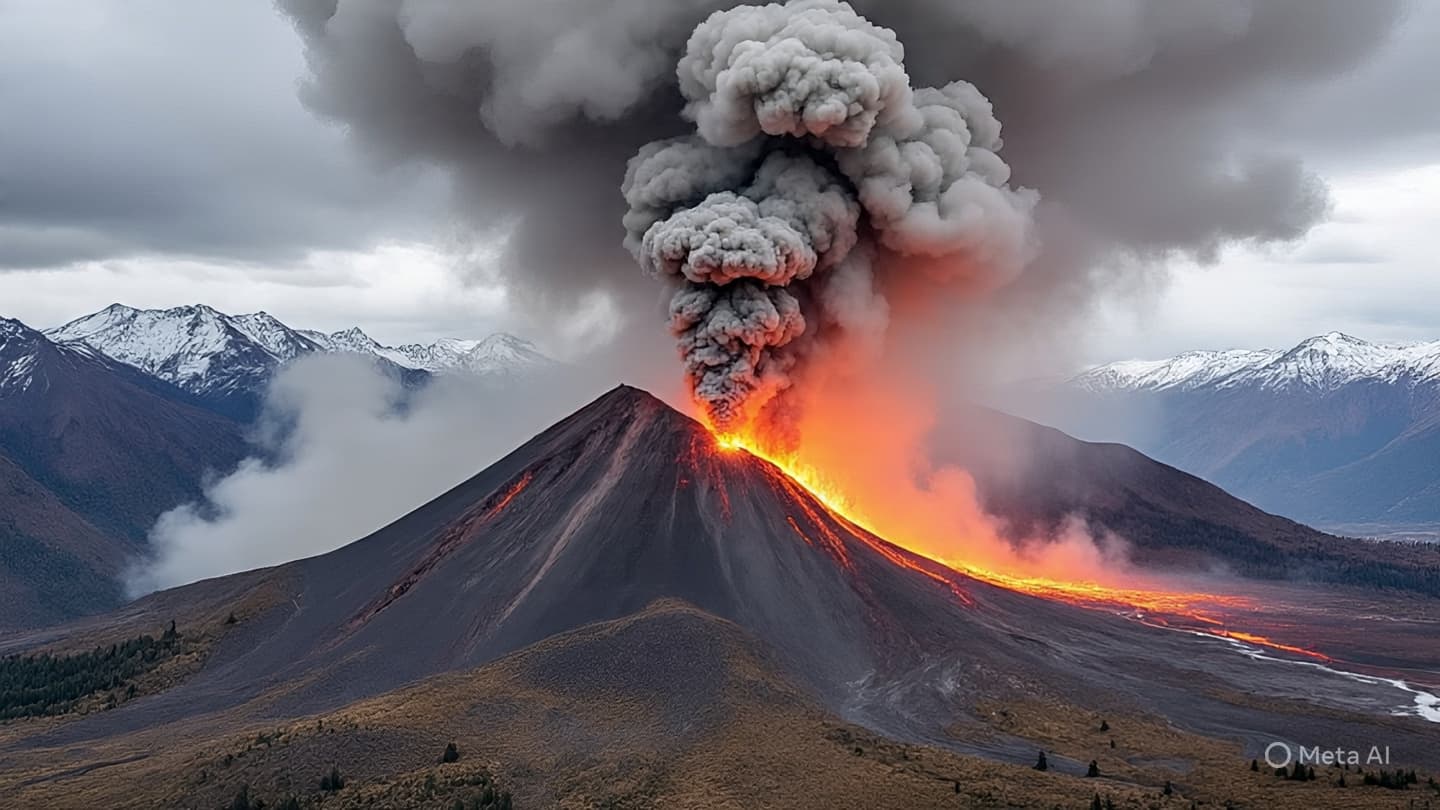
Volcanic ash from the Andes may have contributed to temporary global cooling by reflecting sunlight in the upper atmosphere.
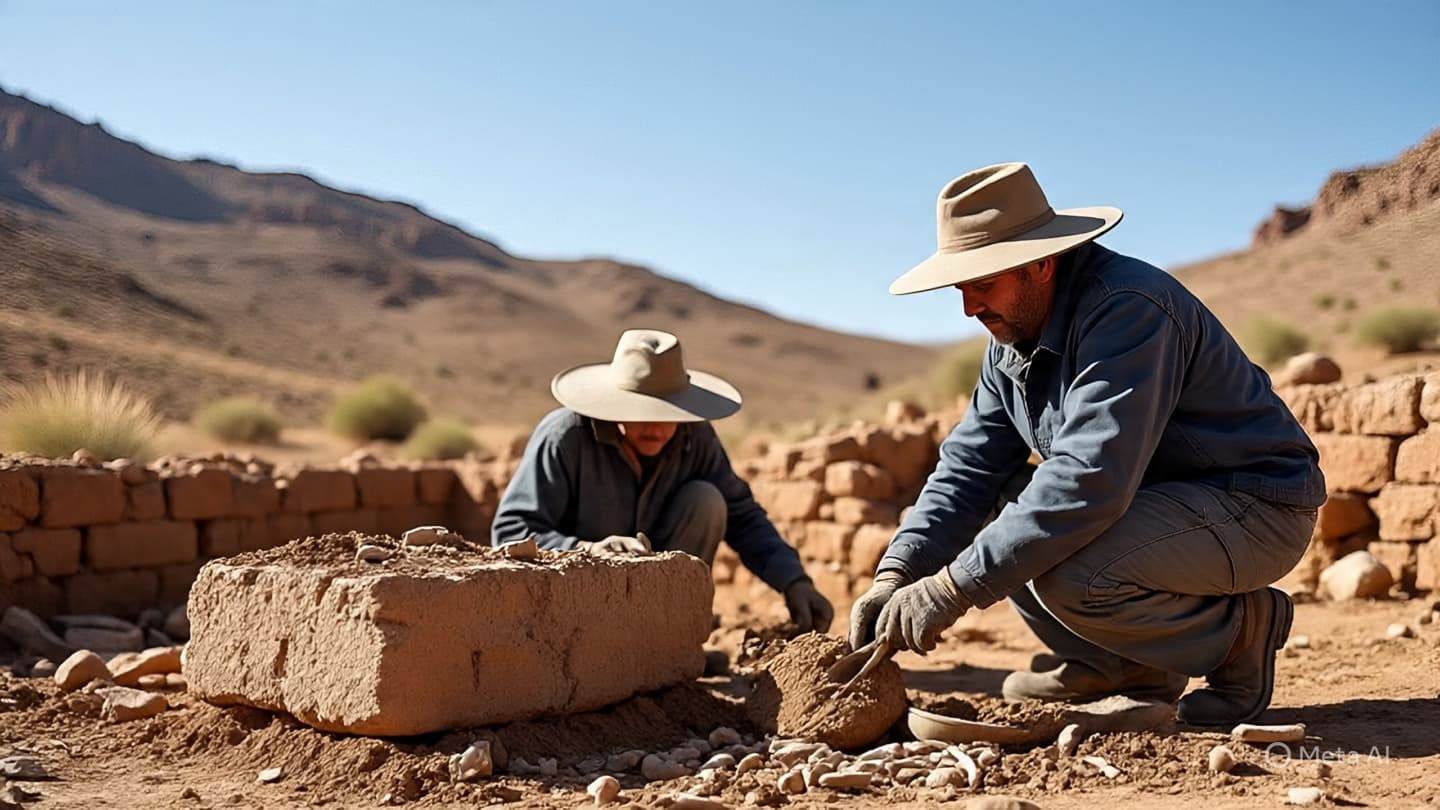
Archaeologists in Ethiopia uncover a site where daily life and burial practices coexist, offering insights into ancient social structures and cultural traditions.
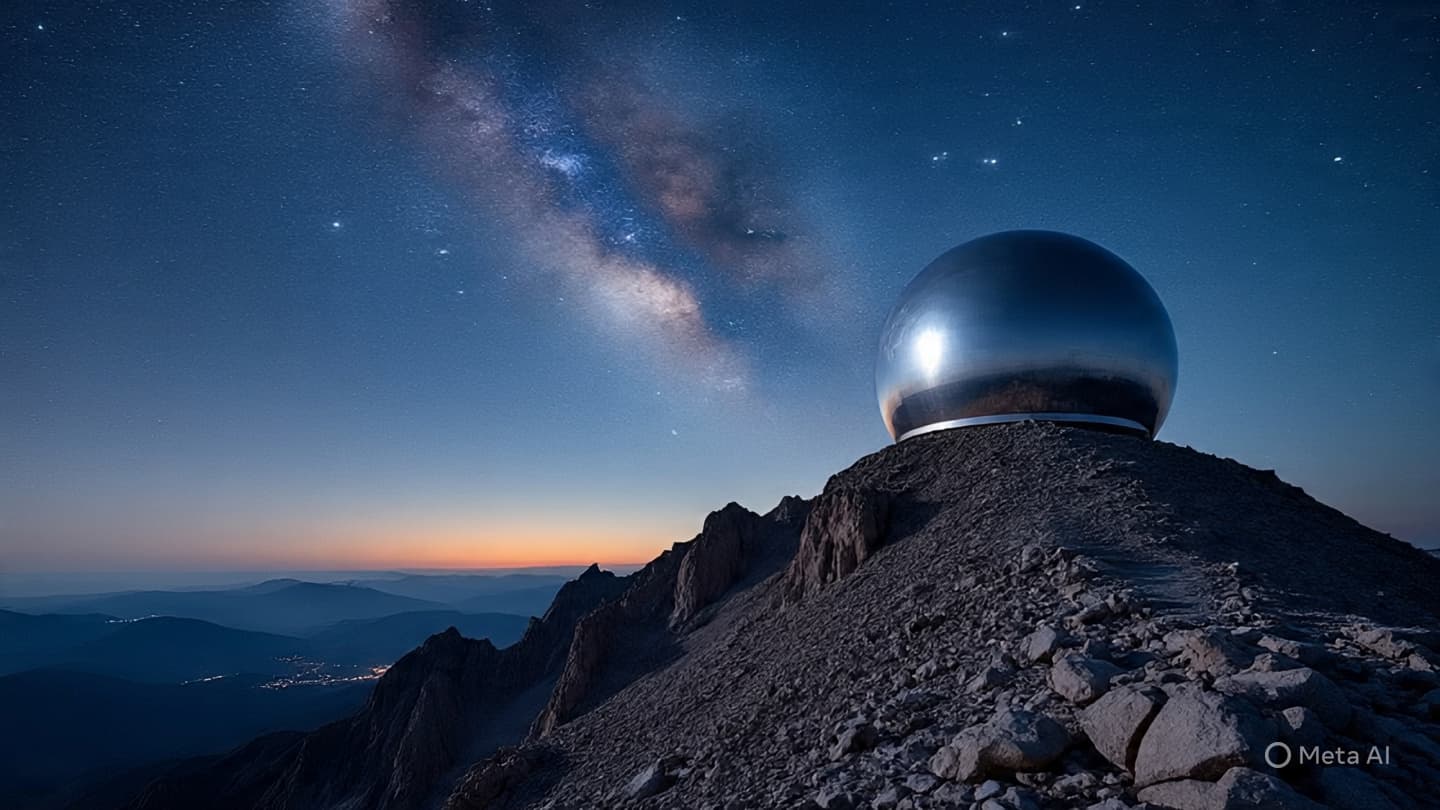
Brazilian scientists have reached a critical milestone in developing high-precision instrumentation for the Giant Magellan Telescope, bringing humanity closer to detecting signs of life on distant planets.
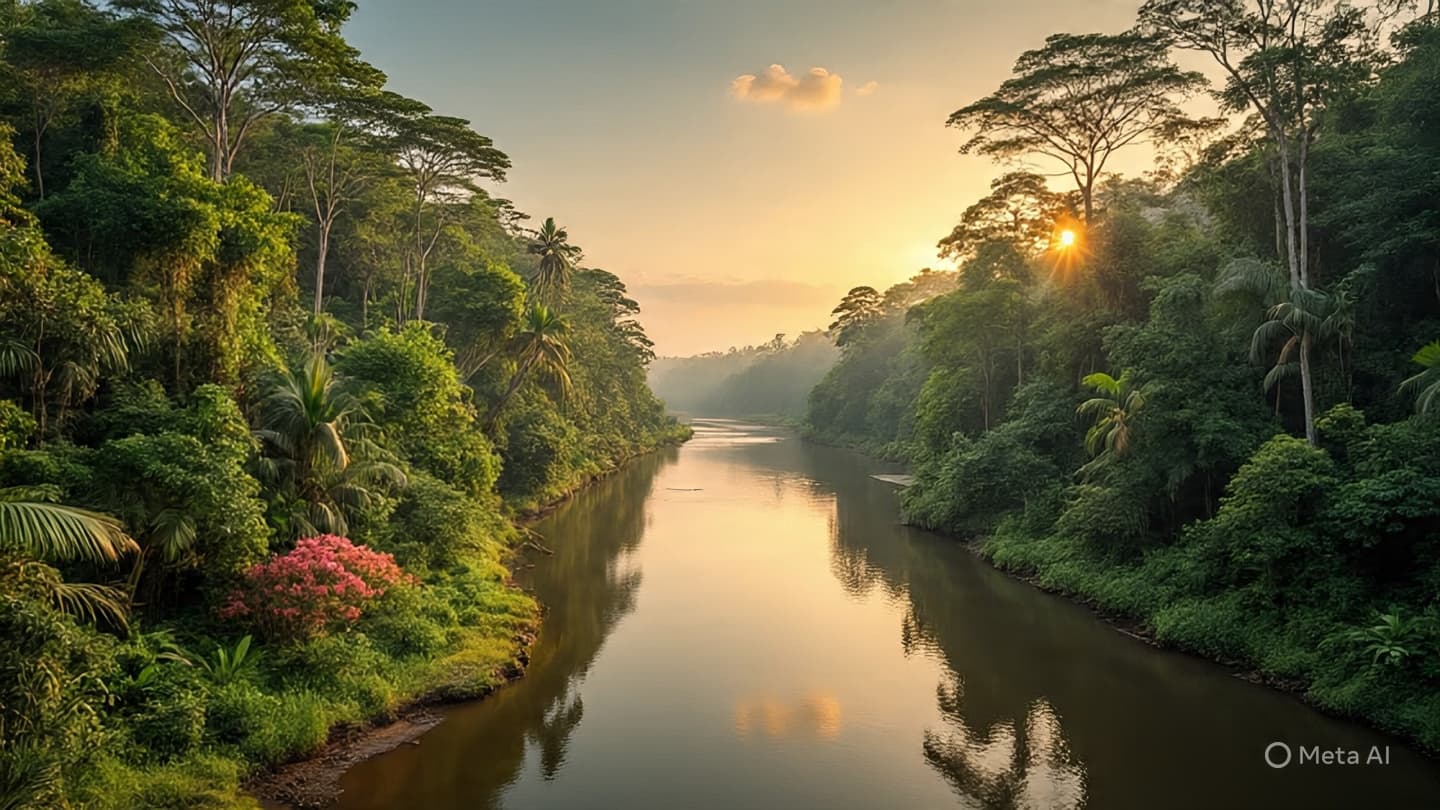
Brazil has expanded its sustainable bioeconomy funding to record levels, providing family farmers in the Amazon with the capital needed to develop forest-friendly industries like açaí and cocoa.
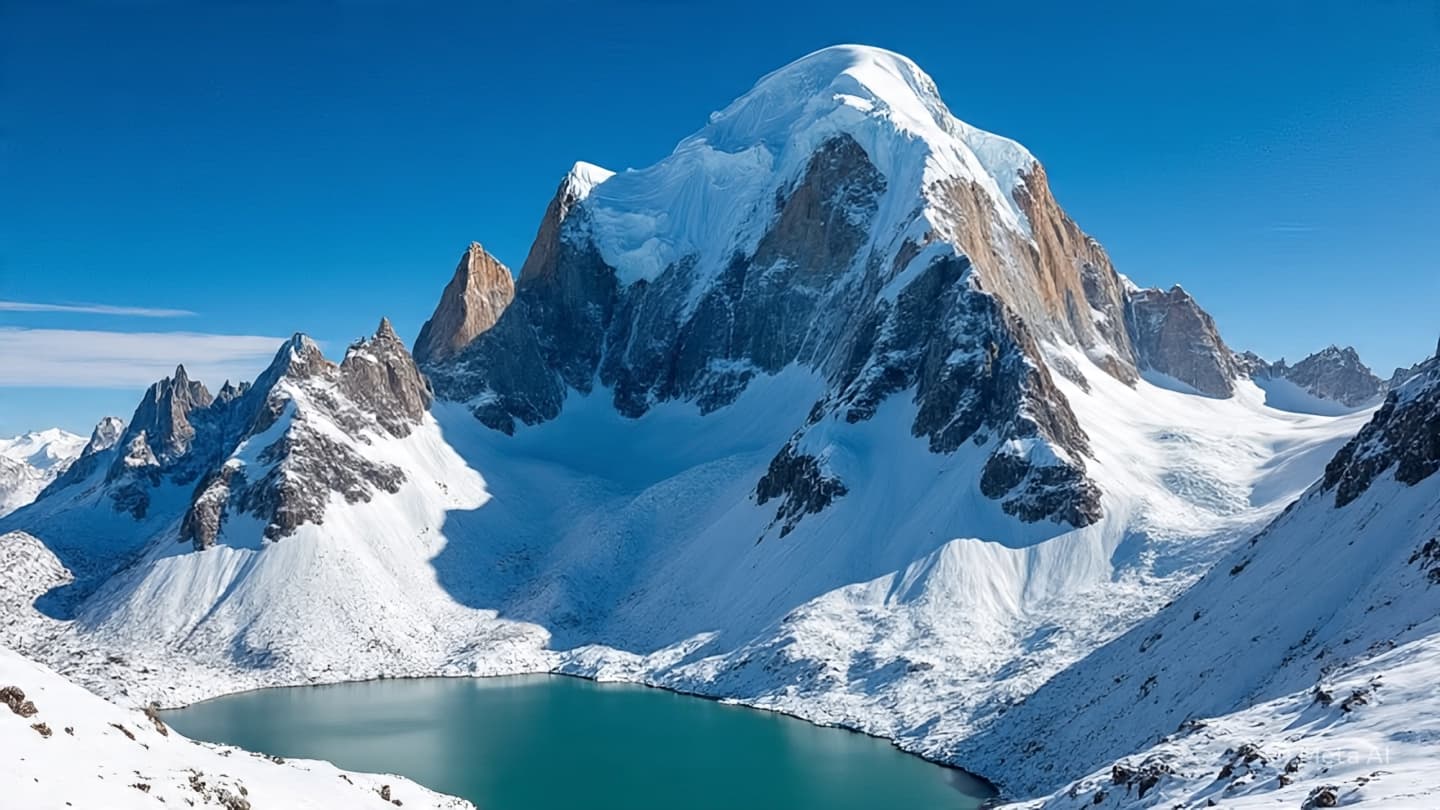
Bolivian glaciologists have reported an alarming acceleration in the melt rates of the Cordillera Real glaciers, raising urgent concerns for long-term water security in the La Paz region.
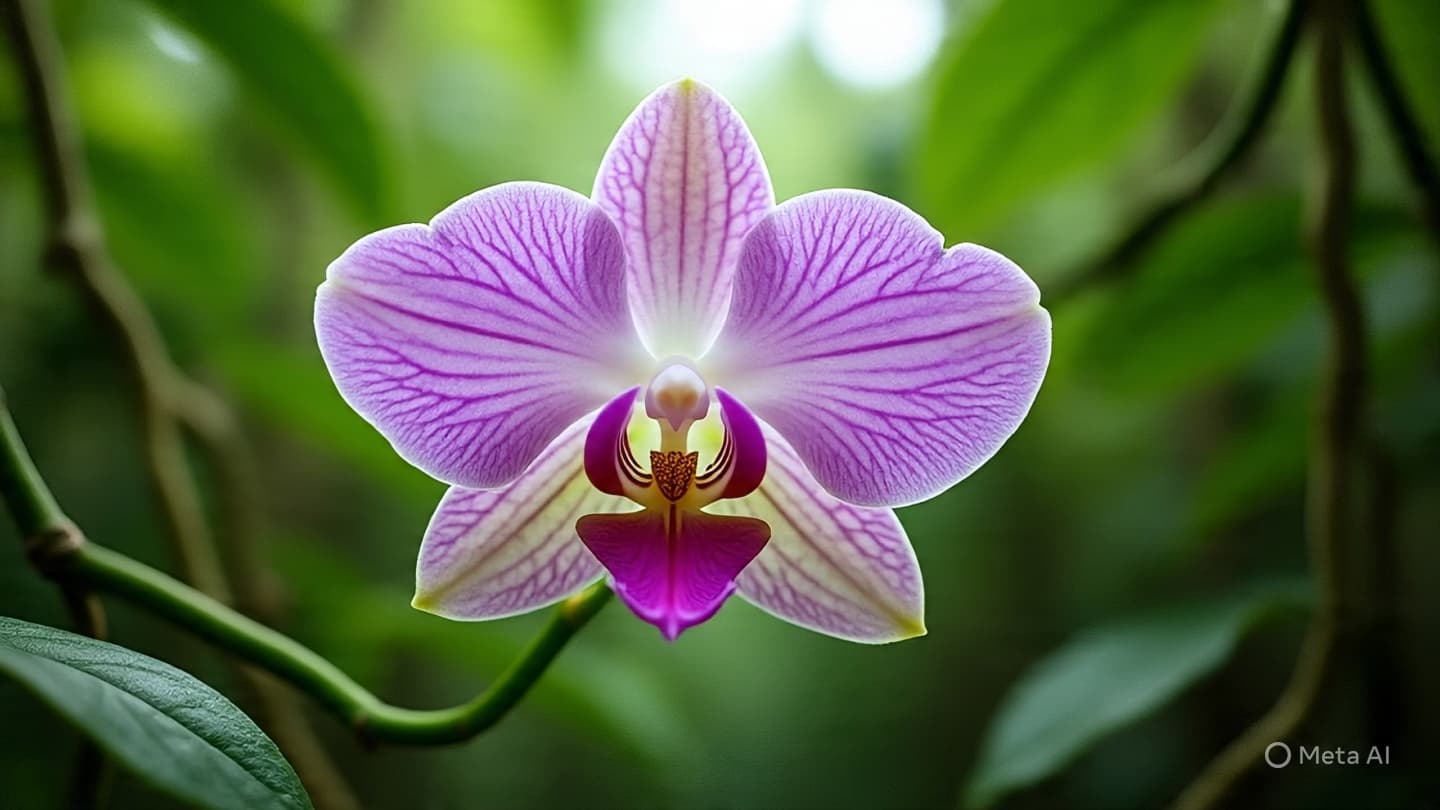
A new orchid species has been discovered in Bolivia's Madidi National Park, reinforcing the region's importance as a global biodiversity sanctuary and prompting calls for enhanced conservation.
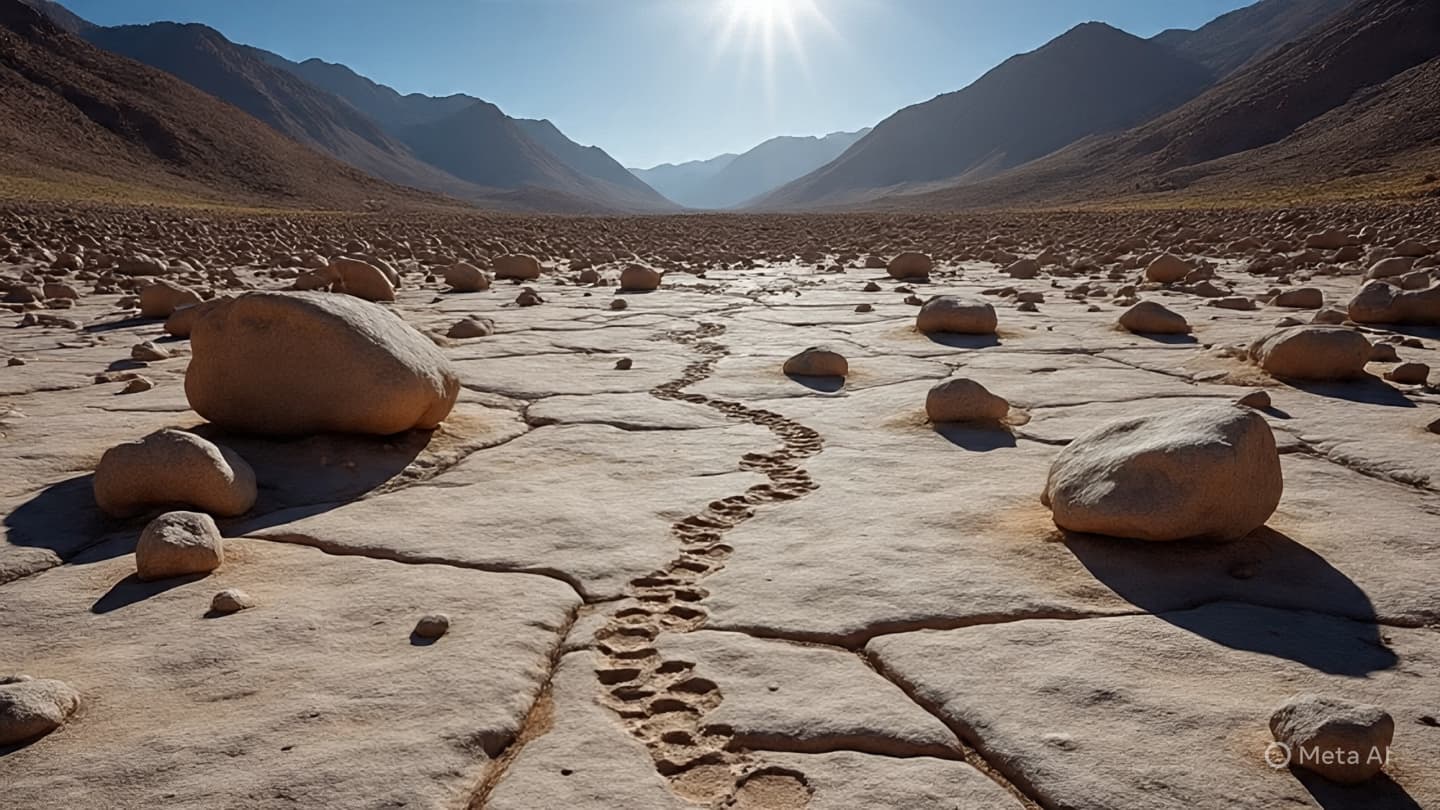
Scientists in Bolivia's Toro Toro region have documented a record-breaking 16,600 theropod dinosaur footprints, offering an unprecedented look into the prehistoric life and ecosystems of the Andes.

Scientists at Chulalongkorn University have pioneered a new nanotechnology for industrial carbon capture, offering a high-efficiency molecular solution to reduce atmospheric emissions.

NASA’s new space telescope enhances observation capabilities, helping scientists explore distant cosmic phenomena and deepen understanding of the universe.

NASA’s Perseverance rover has identified unusual features in ancient Martian rocks, offering new insights into the planet’s geological past and possible habitability.

Axiom Space plans to test a next-generation spacesuit in 2027, focusing on improved mobility, durability, and readiness for future lunar missions.
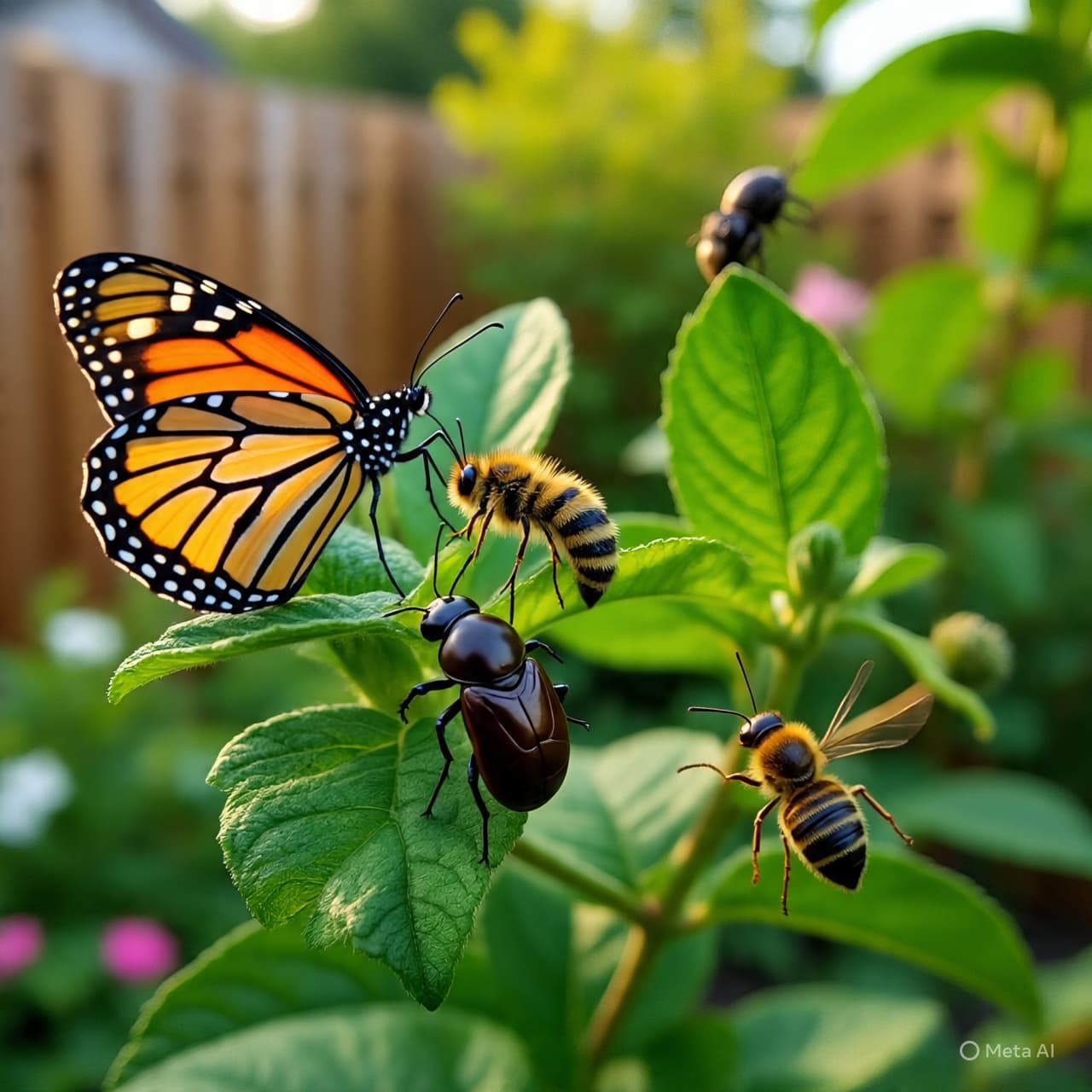
Australia imposes quarantine on thousands of homes after detecting a destructive pest, aiming to prevent its spread and protect agriculture through strict biosecurity measures.
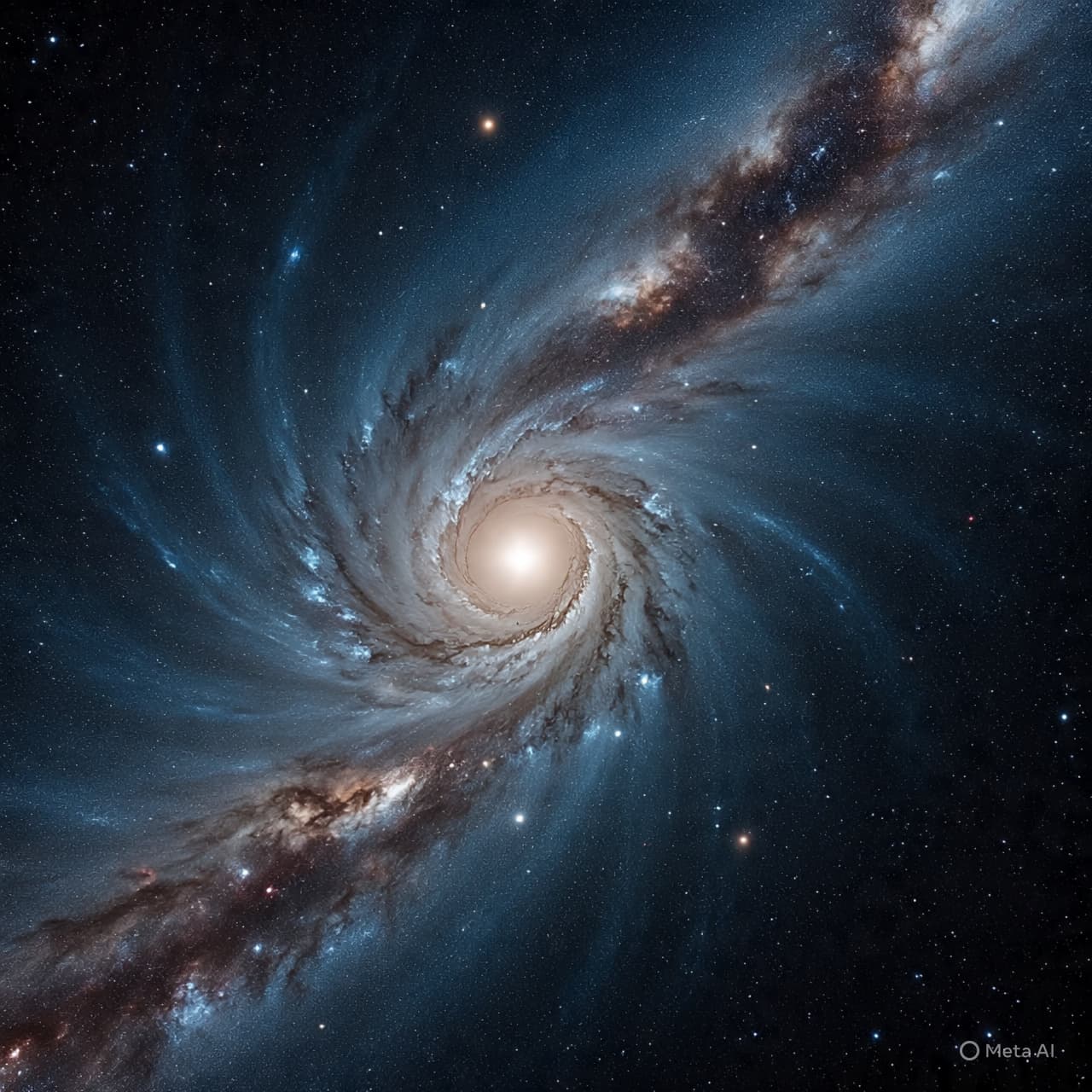
NASA’s SPHEREx mission maps interstellar ice across the Milky Way, revealing key insights into star formation and the origins of life’s chemical building blocks.