Space has always demanded a peculiar kind of clothing, garments shaped not for comfort but for survival. Like a quiet shield against an invisible ocean, the spacesuit carries the weight of human vulnerability into an environment that offers no forgiveness. As Axiom Space prepares to test its next-generation suit in 2027, that delicate balance between protection and movement begins to shift once more.
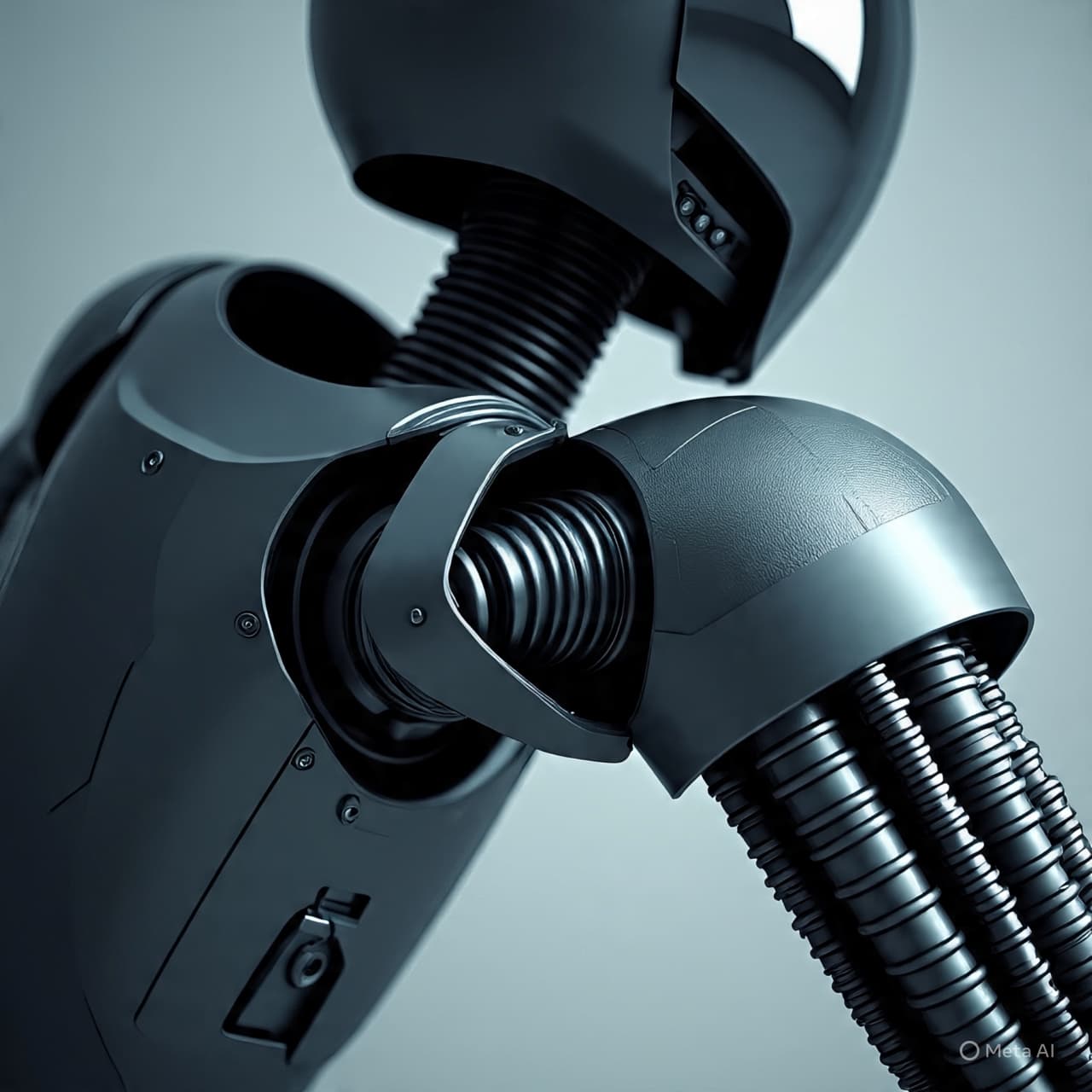
The company is developing a suit that seeks to move beyond the limitations of earlier designs. Traditional suits often functioned as rigid shells, prioritizing safety while restricting motion. This new generation aims to soften that rigidity, allowing astronauts to bend, reach, and work with greater ease while maintaining the same level of protection.
Testing scheduled for 2027 will simulate conditions similar to the lunar surface. These environments are not empty in a simple sense; they are harsh, filled with fine dust and extreme temperature swings. Lunar dust, in particular, is known for its abrasive nature, capable of damaging materials over time. Designing a suit that can withstand such conditions remains a central challenge.
The suit is being tailored with future lunar missions in mind. Engineers are working to integrate improved life-support systems, more efficient temperature control, and joints that allow smoother movement. These changes are expected to extend the duration of spacewalks while reducing physical strain on astronauts.
Behind these technical improvements lies a broader shift in thinking. The spacesuit is no longer treated as just an external tool but as something closer to an extension of the human body. This approach reflects a deeper understanding of how astronauts interact with their equipment during long missions.
The role of private companies in space exploration is also becoming more prominent. Axiom Space represents a growing group of organizations contributing to missions once led primarily by national agencies. This evolving partnership model may accelerate innovation while distributing the responsibilities of exploration.
The upcoming tests will focus on reliability and endurance. Each component must perform consistently under stress, as even minor issues can escalate quickly in space. Careful evaluation during this phase will determine how the suit evolves before it is used in actual missions.
As plans for returning humans to the Moon continue to develop, the importance of such technology becomes clearer. A spacesuit is not just clothing; it is a personal spacecraft, carrying life support and protection in a single system.
The timeline remains steady but cautious. Development in space technology often requires patience, shaped by testing and refinement. For now, the goal is simple and measured: to prepare a suit capable of supporting the next step beyond Earth.
AI Image Disclaimer Visuals are created with AI tools and are not real photographs.
Sources NASA Axiom Space SpaceNews Ars Technica Reuters
Published by Banx Network. This article is part of the Banx decentralized media programme, powered by the BXE token on the XRP Ledger.