Between the Salt and the Stone: Reflections on a Sea-Ready City
An editorial look at the financial and social complexities of funding Singapore’s massive climate adaptation and coastal defense projects.

An editorial look at the financial and social complexities of funding Singapore’s massive climate adaptation and coastal defense projects.

The Argentine microsatellite ATENEA, launched as part of NASA's Artemis II mission, successfully established communication from a record distance of 70,000 kilometers from Earth, marking a significant achievement for Argentina's space efforts.

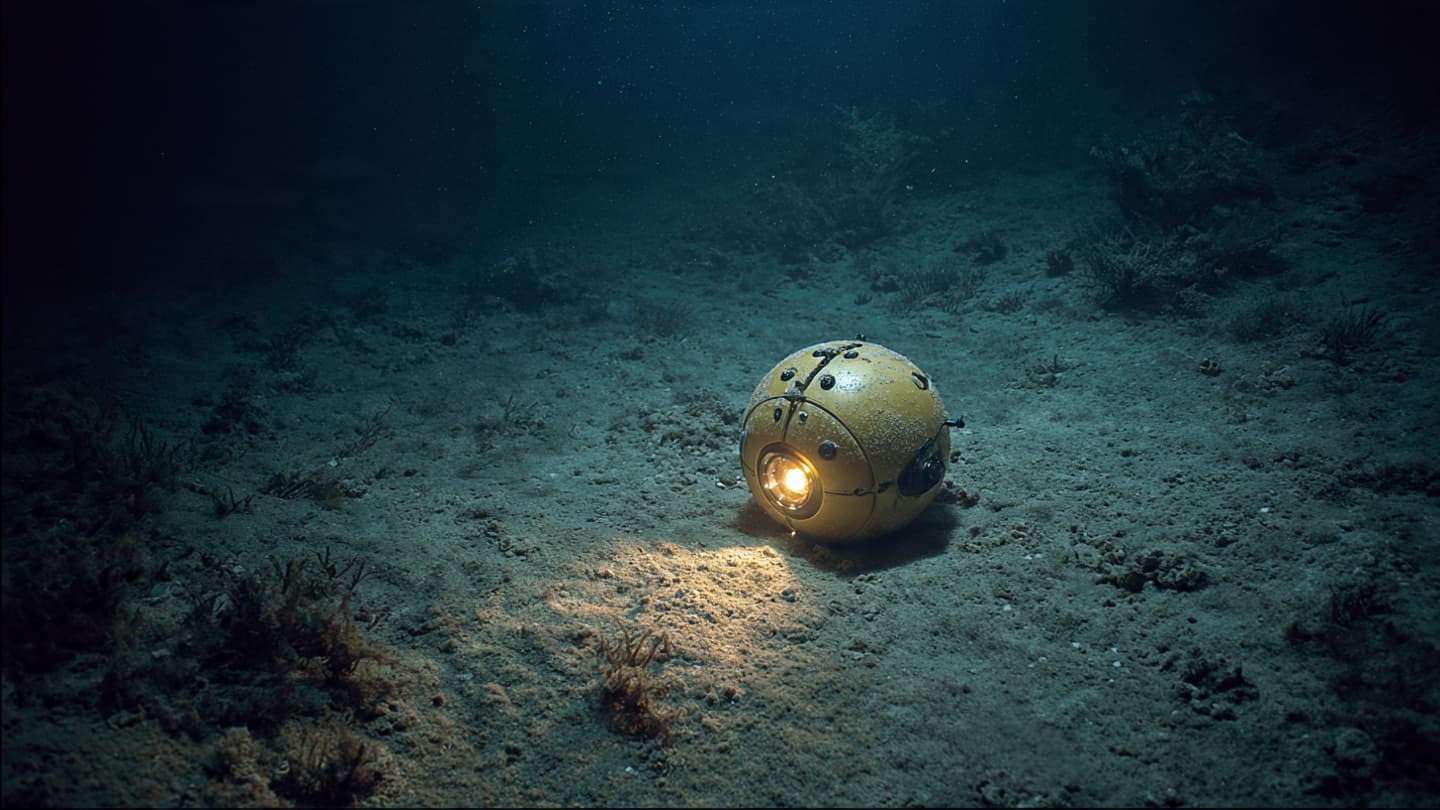
New Zealand researchers use AI underwater drones to map methane seeps, improving understanding of ocean emissions and climate impact.

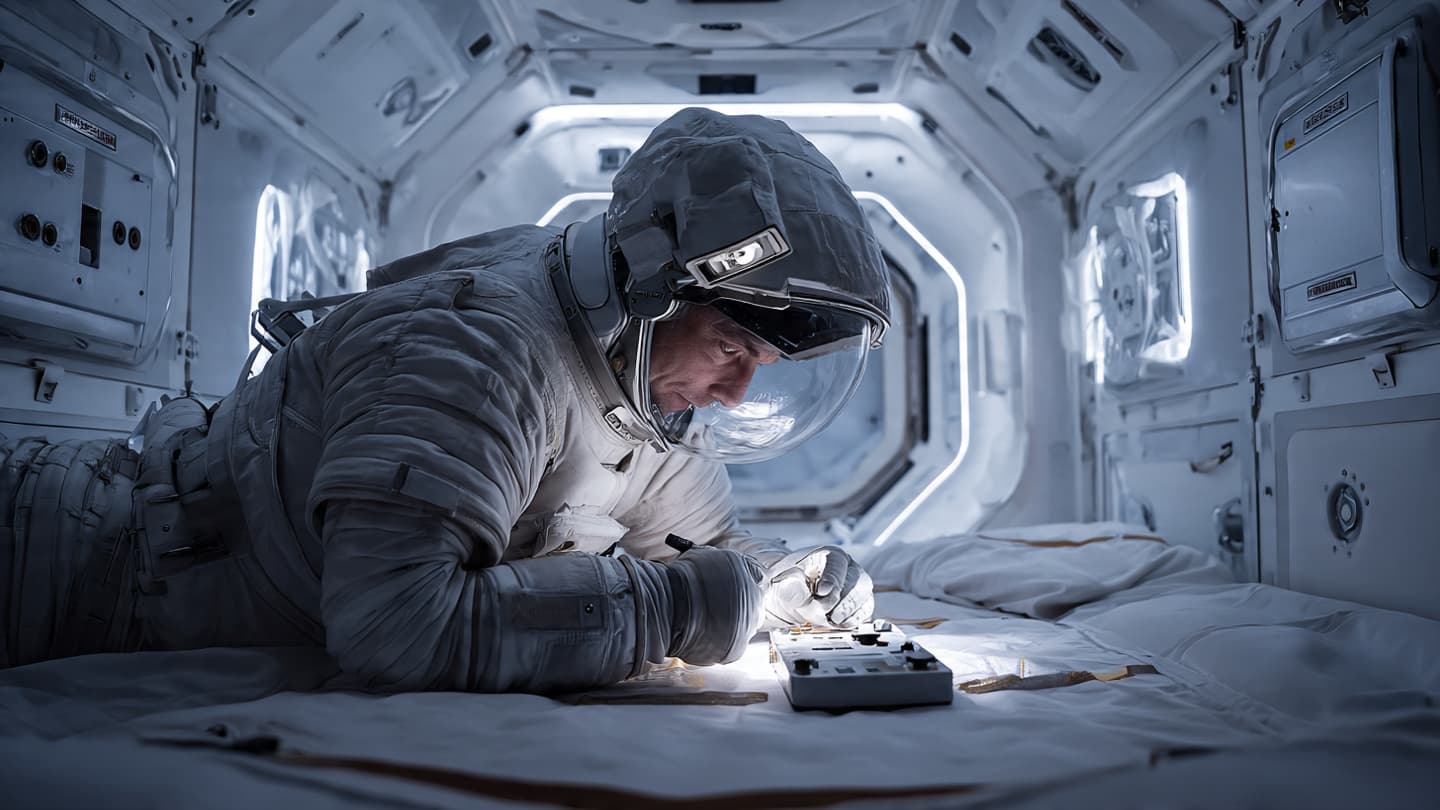
NASA’s Artemis II astronauts captured stunning new images of Earth from deep space, offering a rare perspective as humans return to lunar missions after decades.

Paleontologists have uncovered fossils of a giant prehistoric penguin species in Otago, revealing remarkable size and deepening understanding of penguin evolution.

Massey University develops plant-based protein that closely mimics dairy texture, offering creamy, versatile alternatives for sustainable food production.

Glaciologists have recorded localized ice gains in specific Southern Alps sectors, revealing how topography and storm patterns can briefly offset melt in isolated glacier zones.

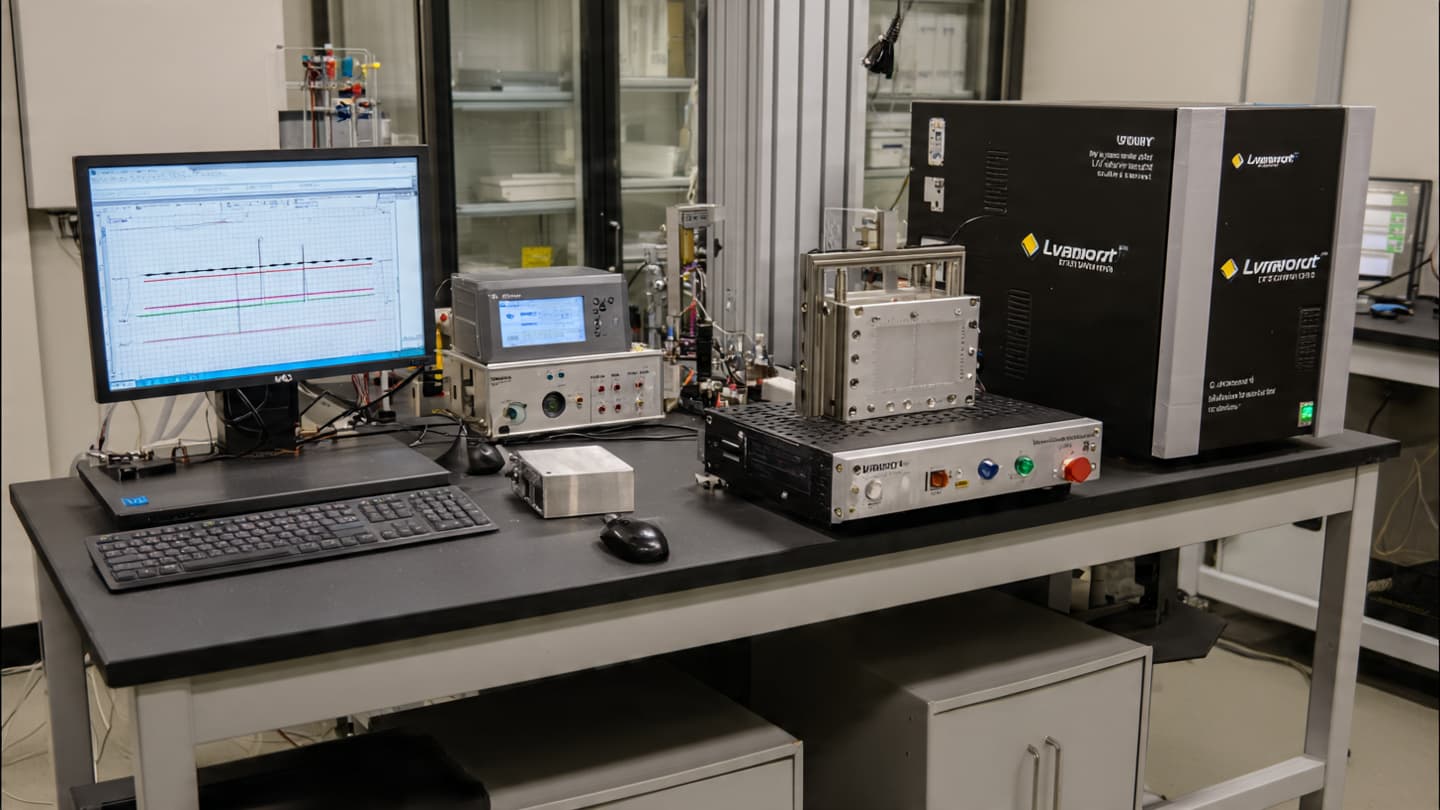
A Wellington tech lab reports a hydrogen storage-density breakthrough that could make fuel-cell transport and grid storage more compact, efficient, and commercially viable.

A rare sungrazer comet, C/2026 A1 (MAPS), reaches its closest approach to the Sun on April 4, 2026, raising uncertainty over whether it will survive extreme solar conditions.

New research reveals unique genetic markers in New Zealand’s indigenous forest trees, improving restoration, conservation, and understanding of local evolutionary lineages.

Auckland bioengineers have developed wearable hydration sensors that track fluid loss in real time, helping prevent dehydration during extreme heat exposure.

Marine biologists have identified a giant squid nursery in deep trenches off Kaikōura, offering rare insight into the earliest life stages of one of the ocean’s most elusive giants.

Christchurch researchers have begun human trials of 3D-printed bone scaffolds, advancing personalized regenerative implants for safer and more natural bone repair.

New Zealand has successfully launched a high-resolution climate satellite, strengthening national forecasting, emissions tracking, and Pacific climate resilience.

University of Otago researchers have identified new early neurological pathways linked to Alzheimer’s, advancing blood and retinal screening tools before symptoms appear.

NIWA has launched a national soil moisture monitoring network to detect drought risk earlier, improving farm resilience and water planning across New Zealand.

A CSIRO Coral Sea expedition has identified 110 new marine species, with the total expected to exceed 200 as deeper taxonomic and genetic analysis continues.

A dark matter laboratory has opened 1 km beneath Victoria in a former gold mine, launching Australia’s first major deep-underground search for the universe’s missing matter.

ANU physicists have achieved record-breaking silicon solar cell efficiency, advancing Australia’s push toward higher-output, lower-cost renewable energy systems.

Perth scientists have developed bio-engineered corals with stronger heat resistance, offering new hope for reef survival under rising ocean temperatures.

University of Sydney researchers have developed an AI system that predicts local flash floods hours in advance, improving suburb-level warnings and urban emergency response.

A rare deepwater catshark discovered during a Coral Sea reef survey has been confirmed as an entirely new species, highlighting the ocean’s still-unmapped biodiversity.

Monash scientists have created a carbon-negative cement that captures more CO₂ than it emits, offering a new pathway for sustainable urban construction.

A Melbourne medtech startup has introduced a needle-free insulin delivery system that could reduce pain, improve adherence, and reshape daily diabetes care.