
SCIENCE97% credibility
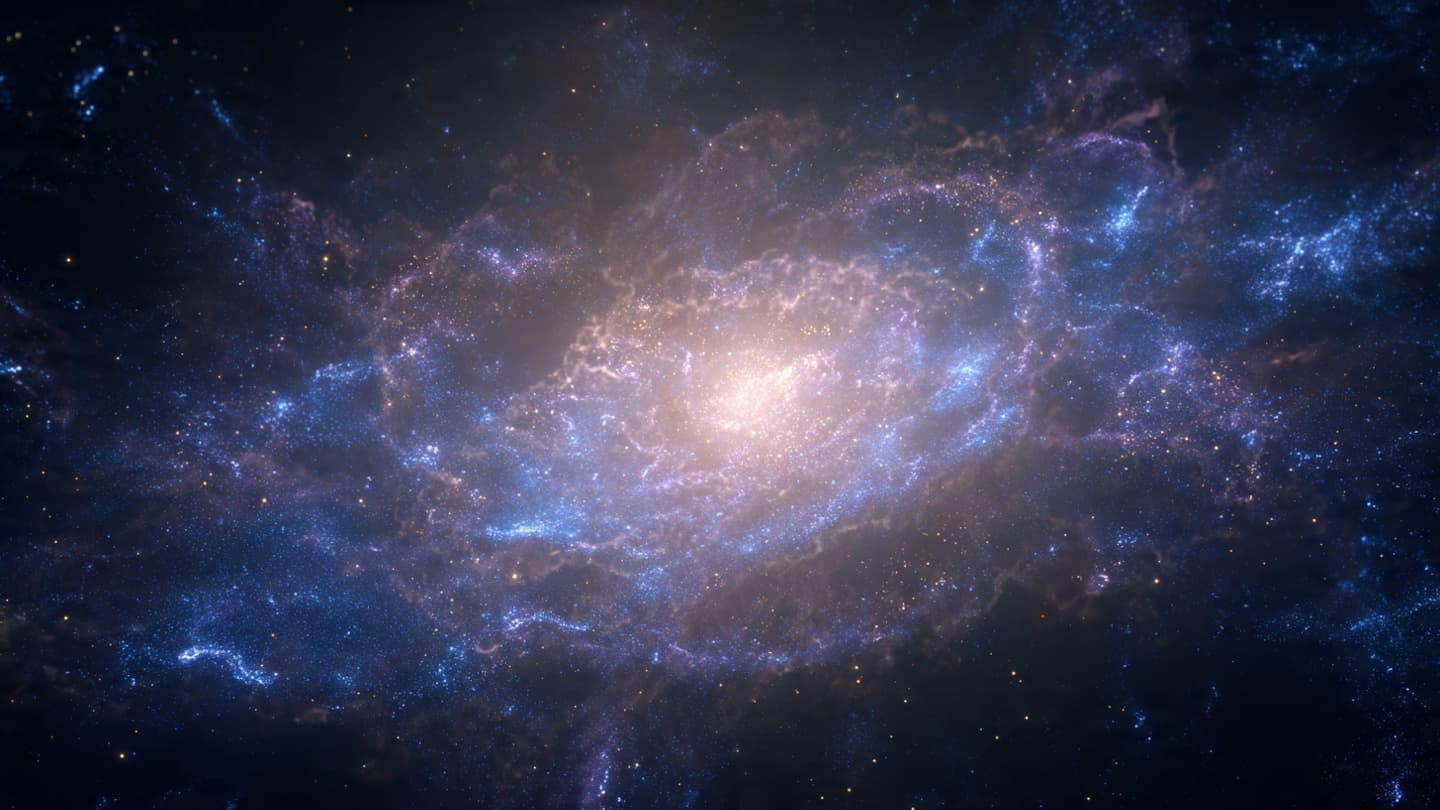
Light From the Early Universe Quietly Reached Modern Telescopes
Astronomers used gravitational lensing to observe a galaxy formed roughly 800 million years after the Big Bang
2 min read

Astronomers used gravitational lensing to observe a galaxy formed roughly 800 million years after the Big Bang

NASA is assembling the Artemis III rocket at Kennedy Space Center for a future mission aimed at returning astronauts to the Moon.

NASA’s Curiosity rover resumed operations after a 29-pound Martian rock became lodged beneath the vehicle for days.

Scientists observed small fish hiding inside manta rays, revealing another unusual example of adaptation in marine ecosystems.

NASA’s Psyche spacecraft will pass close to Mars on May 15 to gain a gravity assist for its journey toward a metal-rich asteroid.

Researchers believe gravitational waves from black hole collisions could help scientists detect signs of elusive dark matter.

Scientists studying the Tonga eruption found evidence that volcanic activity may have unexpectedly reduced atmospheric methane levels.

Climate experts warn stronger storms are increasing landslide risks across New Zealand, threatening infrastructure and vulnerable communities.

Ireland is expanding its role in CERN-related physics and space research through international scientific partnerships and educational investment.

The OECD has warned New Zealand that long-term LNG dependence could complicate future climate and energy transition goals.

Ireland is expanding pharmaceutical research and innovation through scientific partnerships, biotechnology investment, and advanced healthcare development.

New Zealand’s proposed media payment law involving Google has intensified debate over journalism funding and digital platform responsibility.

NASA’s Perseverance rover found unusual large-scale structures in ancient Mars rocks, offering new scientific insights.

New climate studies suggest the Atlantic Ocean’s critical circulation system may be more vulnerable than once believed.

Axiom Space plans to test its next-generation lunar spacesuit in 2027 as part of evolving Moon exploration efforts.

Scientists observed a deep-sea fish using hitchhiking behavior to conserve energy in one of Earth’s harshest environments.

Astronomers predict a rare solar eclipse will darken Texas skies in 2078, continuing humanity’s enduring fascination with celestial events.

Hubble observed the largest known planet-forming region ever detected, offering new insight into how solar systems develop.

Astronomers identified an unusual sulfur-rich exoplanet whose chemistry and structure challenge current theories of planetary formation.

Researchers found ancient bacterial systems shared between ocean microbes and the human gut, linking ecology and health research.

NASA leadership changes may influence long-term planning and launch operations at Virginia’s Wallops Flight Facility.

SpaceX unveiled its tallest rocket configuration yet, advancing long-term goals for lunar and deep-space missions.

Scientists are tracking a discarded rocket stage that may collide with the Moon after years drifting through space.
Astronomers detected a massive radio halo inside a galaxy cluster previously believed to be relatively inactive.