Mars has long appeared to humanity as a distant red silence, a world of dust storms, frozen plains, and ancient scars etched across its surface. Yet beneath that barren appearance, scientists continue discovering traces of a far more complicated history. NASA’s Perseverance rover has now identified unusual material structures inside rocks estimated to be around three billion years old, a finding researchers describe as something never before observed at this scale on the planet.
The discovery emerged from ongoing analysis conducted within Jezero Crater, the ancient Martian basin where Perseverance has been operating since landing in 2021. Scientists selected the region because evidence suggests it once contained a lake and river delta billions of years ago. Such environments are considered especially valuable in the search for signs of ancient geological or possibly biological activity.
According to NASA researchers, the rover detected unusually large and complex mineral-related structures embedded within the ancient rocks. While the findings do not confirm past life, scientists say the scale and arrangement of the materials are unlike previous observations collected during earlier Mars missions. The discovery is expected to deepen ongoing study into the planet’s environmental evolution.
Perseverance carries a sophisticated collection of instruments capable of analyzing rock chemistry, mineral composition, and microscopic textures. By drilling samples and examining them closely, the rover allows scientists to reconstruct aspects of Mars’ ancient conditions. Researchers continue comparing the new findings with geological formations observed on Earth to better understand how they may have formed.
The significance of the discovery lies partly in timing. Rocks dating back three billion years preserve evidence from a period when Mars may have been warmer, wetter, and potentially more suitable for microbial life. Scientists believe studying those ancient conditions could help explain how the planet transformed into the cold and dry environment visible today.
NASA and its international partners are also preparing for future sample-return missions intended to bring selected Martian rocks back to Earth laboratories. Such missions would allow researchers to conduct far more detailed analysis than is currently possible through robotic instruments alone. Many scientists believe the most important breakthroughs regarding Mars may ultimately come from direct examination of those preserved samples.
Public fascination with Mars exploration has remained remarkably steady across generations. The discoveries made by Perseverance continue that tradition, offering not dramatic certainty but carefully assembled fragments of evidence that slowly reshape scientific understanding. In planetary science, progress often arrives not through a single revelation but through years of accumulated observation.
The rover’s findings also highlight the increasing sophistication of robotic exploration technology. Machines operating millions of miles away are now capable of conducting analyses once considered impossible outside Earth-based laboratories. Each mission expands both technical capability and humanity’s understanding of neighboring worlds.
As Perseverance continues its journey across Jezero Crater, researchers expect additional discoveries may emerge from the Martian landscape. For now, the newly identified structures remain another reminder that even seemingly silent planets can preserve stories waiting patiently beneath ancient stone.
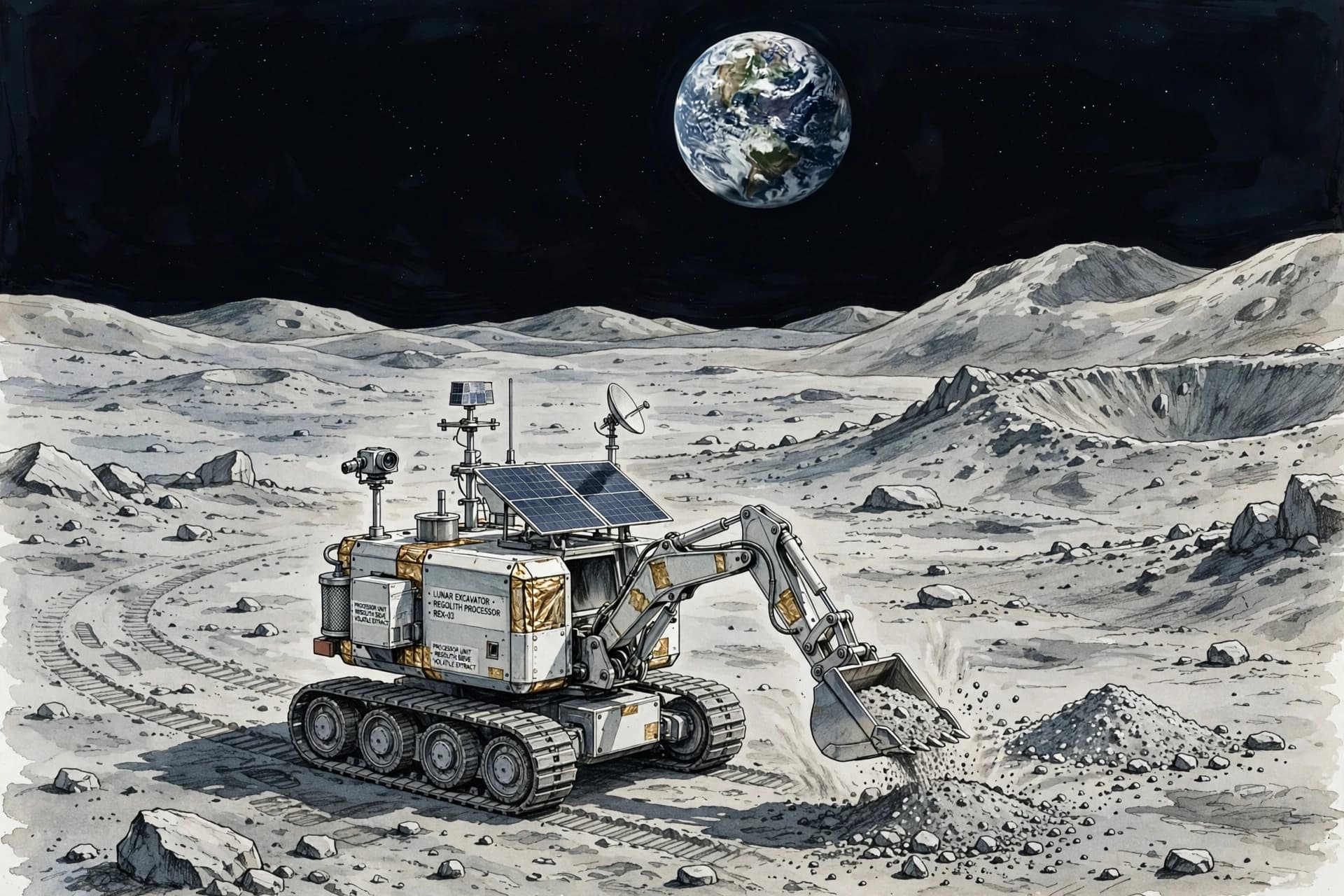
AI Image Disclaimer: Illustrative images in this article may include AI-generated visual reconstructions based on scientific descriptions.
Sources: NASA, Jet Propulsion Laboratory (JPL), Space.com, Scientific American, Reuters
Published by Banx Network. This article is part of the Banx decentralized media programme, powered by the BXE token on the XRP Ledger.