
SCIENCE81% credibility
Bird Wings Were Never Meant to Be Perfect, Scientists Suggest
New research suggests bird wings evolved through environmental trade-offs rather than toward one perfect flight design.
2 min read

New research suggests bird wings evolved through environmental trade-offs rather than toward one perfect flight design.

Scientists believe remnants of several Soviet Venus probes may still survive on the planet’s hostile surface decades later.

Low-maintenance wildflowers are gaining popularity as gardeners seek sustainable beauty that also supports bees and butterflies.

Researchers are concerned after reports that the United States may reduce involvement in major international scientific networks.

NASA’s Artemis II mission marks a major step toward renewed human exploration of the Moon and deep space.

Google and SpaceX are reportedly exploring the possibility of building future data centers in Earth orbit.

Scientists detected giant squid DNA in deep waters near Australia using advanced environmental DNA analysis.

Australia has announced AU$387 million in additional funding for CSIRO to strengthen national scientific research.

Scientists warn that declining global research funding could slow innovation and weaken future scientific progress.

Political pressure surrounding NSF restructuring is raising concerns about future U.S.-Canada scientific cooperation.

Astronomers may have discovered the largest known pair of black holes orbiting each other in merging galaxies.

Scientists warn 2026 may become one of the hottest years ever recorded as global climate pressures continue rising.

Canadian researchers helped develop a new CAR-T cancer therapy designed to reduce harmful side effects while improving treatment precision.
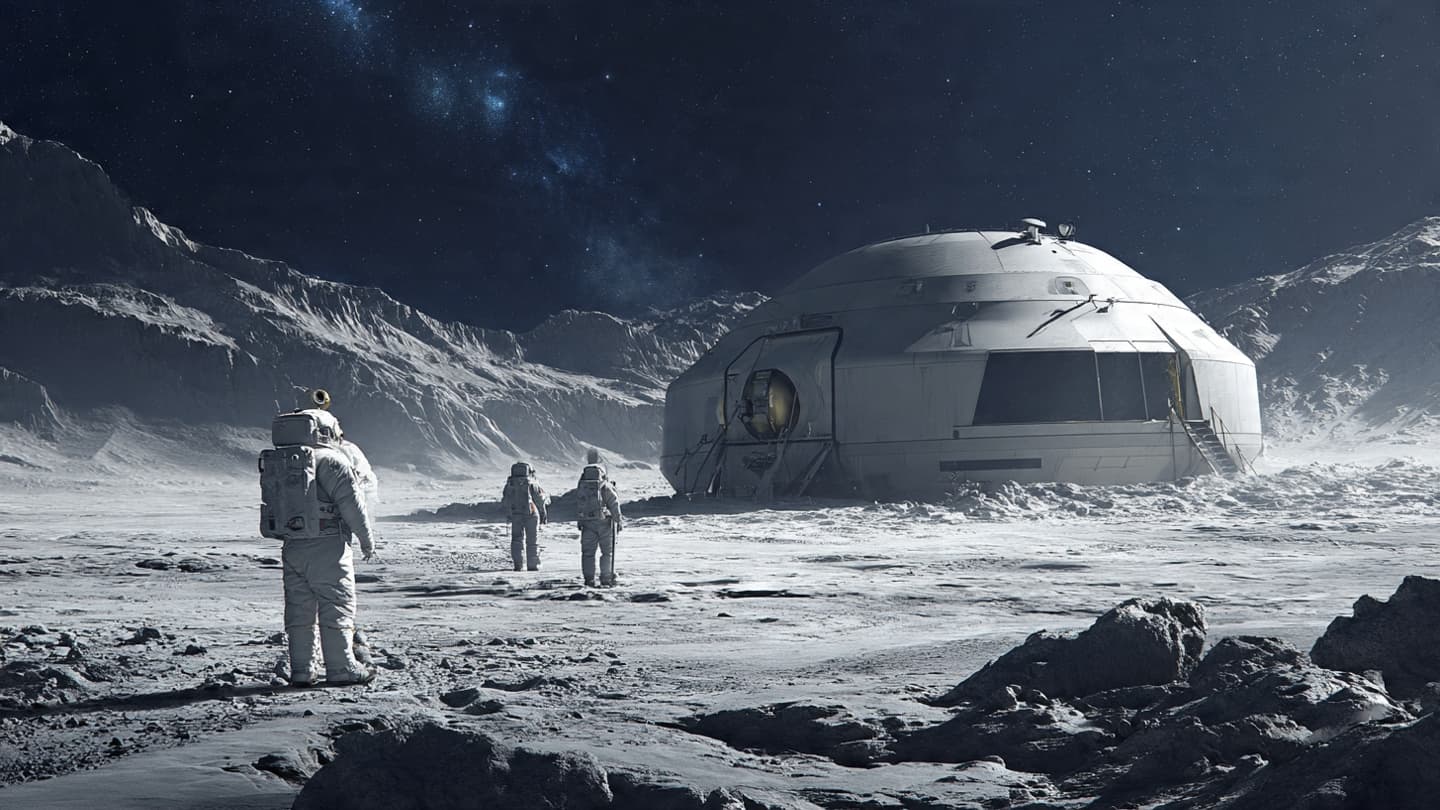
NASA officials say the Artemis program could open a new era of long-term space exploration, including future missions to the Moon and Mars.
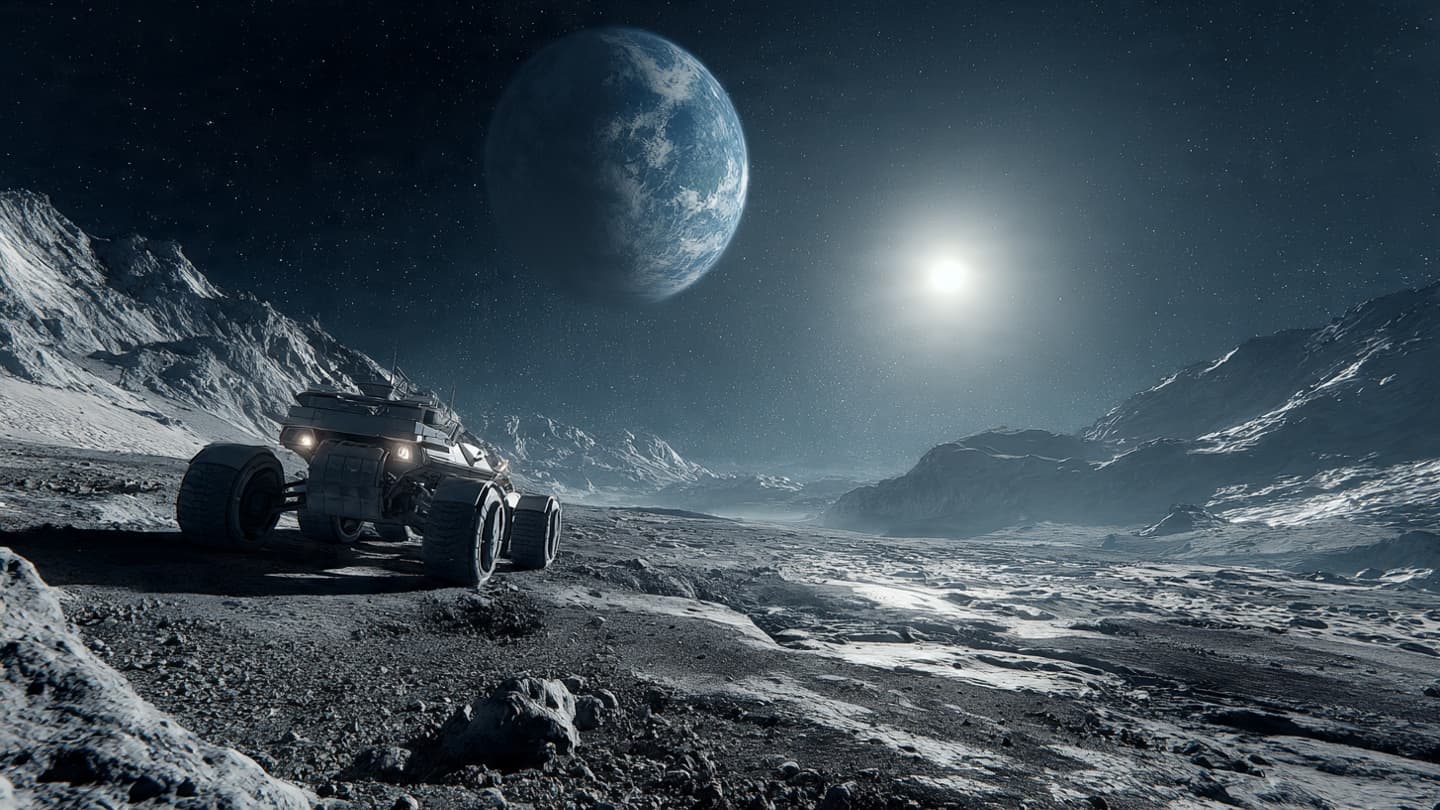
American space technology company Lunar Outpost has secured major funding to accelerate development of advanced lunar rovers for future Moon exploration missions.
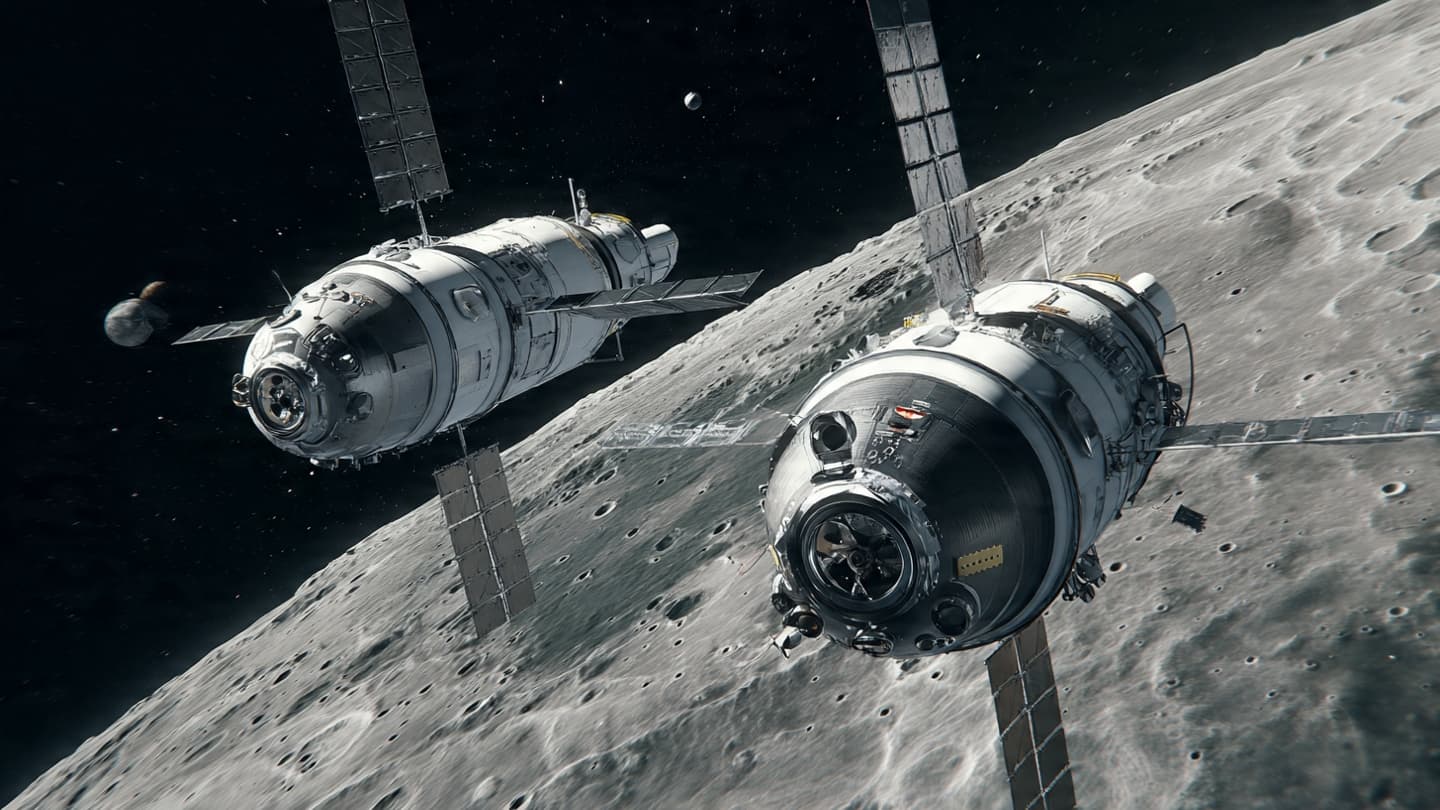
NASA has added a new docking test mission to the Artemis program, aiming to improve spacecraft safety and reliability before future astronaut lunar landings.

NASA is accelerating preparations for the Nancy Grace Roman Space Telescope, designed to study dark matter, dark energy, and the large-scale structure of the universe.
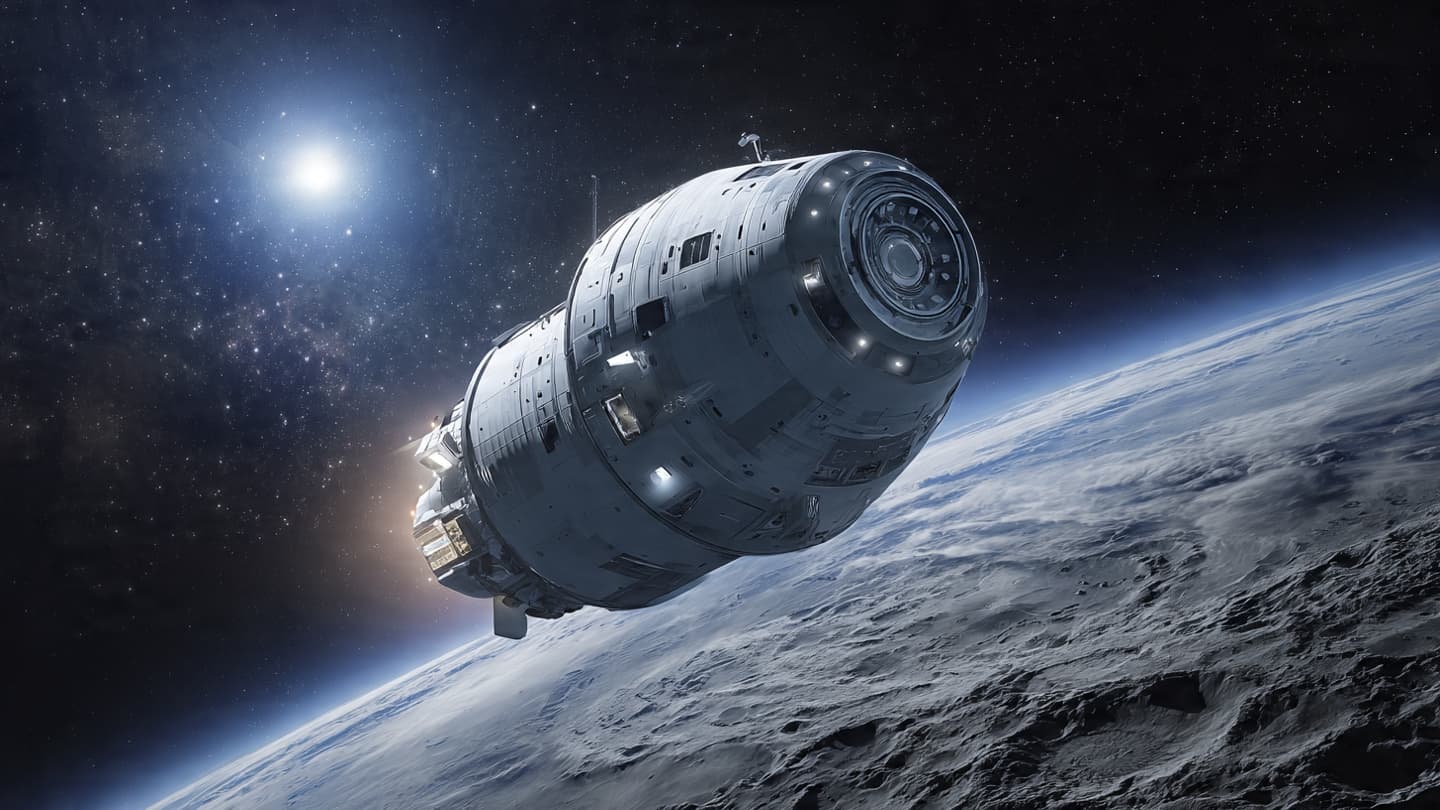
NASA’s Artemis II mission completed a successful crewed journey around the Moon, marking humanity’s first return to lunar orbit in more than fifty years.
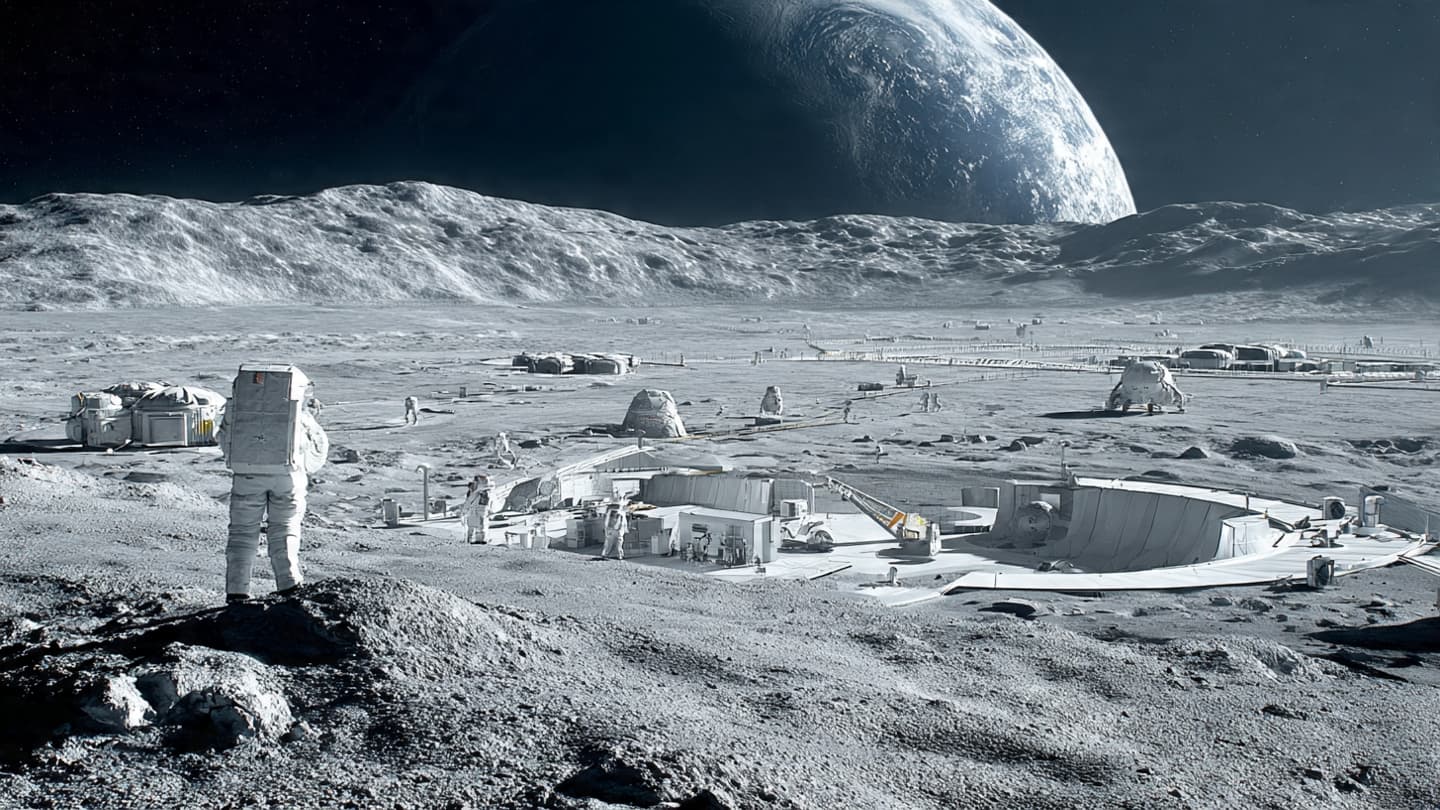
NASA is accelerating plans for a permanent Moon base and nuclear-powered spacecraft, signaling a new era of deep-space exploration aimed toward future human missions to Mars.
.jpeg&w=3840&q=75 "The Fragile Breath of the Andes: A New Orchid in the Mist")
A new species of orchid has been discovered in the cloud forests of Antioquia, emphasizing the incredible biodiversity and conservation needs of Colombia’s Andean regions.

The Guajira Peninsula now hosts Northern South America’s largest solar hub, transforming the region’s intense sunlight into a major source of clean energy for the Colombian national grid.
.jpeg&w=3840&q=75 "Of Giants and Displacement: When the Wild Reclaims the Stream")
Colombia is initiating a cull of eighty hippopotamuses descended from a private zoo to mitigate their destructive impact on the Magdalena River's native ecosystem and local communities.
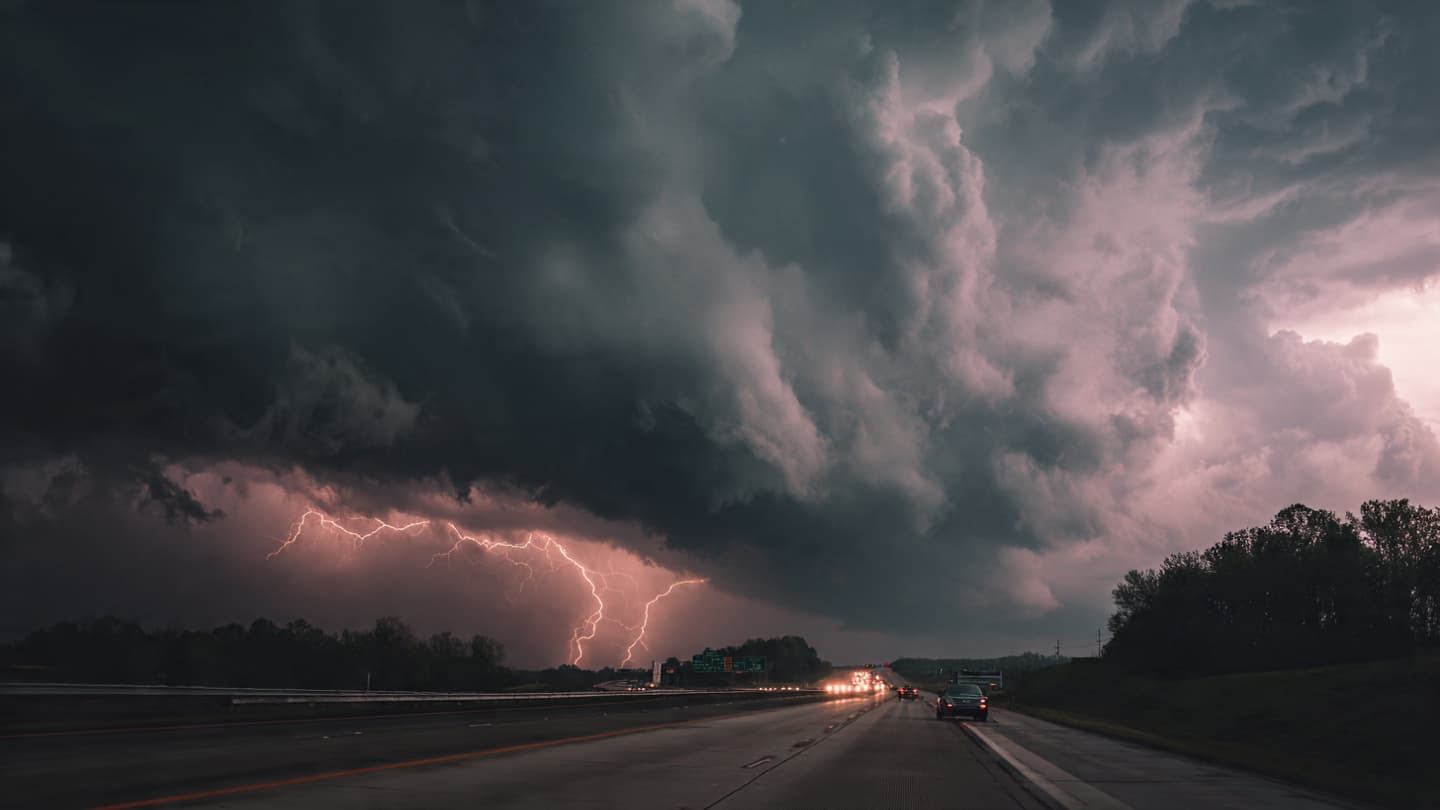
Spring weather often arrives like a gentle promise. Trees begin recovering their color, afternoons stretch longer into evening, and warmer air slowly replaces the sharp memory of winter. Yet somewhere within that seasonal transition, the atmosphere also carries another language — one written in thunderheads, sudden winds, and skies that darken faster than expected. This week, much of the United States may once again find itself listening to that language. Forecasters are tracking multiple rounds of storms expected to move across the East, Midwest, and Rocky Mountain regions over the coming days. The system is expected to bring lightning, heavy rainfall, and strong wind gusts capable of disrupting travel, damaging trees, and causing scattered power outages in some communities. The changing pattern reflects a familiar tension of late spring. Warm, moisture-rich air rising from the Gulf of Mexico continues colliding with cooler systems descending from the north and west. Where those air masses meet, instability begins to build quietly across the atmosphere before unfolding into thunderstorms that can stretch across several states in a single evening. In parts of the Midwest, meteorologists warn that strong wind gusts may become the most widespread threat. Thunderstorms capable of producing damaging straight-line winds could move quickly through urban and rural areas alike, especially during late afternoon and nighttime hours. Lightning activity is also expected to intensify within stronger storm cells, creating dangerous conditions for outdoor workers, travelers, and sporting events. Farther east, heavy rainfall may accompany repeated storm development through the week. Some cities could experience periods of localized flooding as storms repeatedly move across the same regions. While not every community will face severe conditions, the broad reach of the weather pattern means millions of residents may encounter sudden downpours or rapidly changing skies before the week ends. Across the Rockies, elevation adds another layer of unpredictability. Thunderstorms forming over mountain terrain can strengthen quickly as temperatures fluctuate between valleys and higher peaks. Gusty winds and isolated hail remain possible in several areas, particularly during afternoon heating cycles when atmospheric instability becomes more active. For many Americans, spring storms are not unusual. They arrive every year with varying intensity, interrupting commutes, delaying flights, and occasionally reshaping ordinary routines for a few uneasy hours. Yet each system still carries a sense of uncertainty. Weather forecasts may outline the broad movement of storms, but individual communities often discover their exact conditions only as clouds begin gathering overhead. Emergency officials across several states are encouraging residents to monitor local forecasts and remain alert for severe thunderstorm warnings through the week. Meteorologists continue emphasizing that lightning itself remains one of the season’s most underestimated dangers, especially during rapidly developing storms where conditions can worsen within minutes. Even so, amid the warnings and weather maps, the season continues moving forward in its familiar rhythm. Rain will pass. Skies will clear again. The same atmosphere capable of producing violent winds also carries the warmth that fills parks, fields, and neighborhoods with signs of approaching summer. For now, however, much of the country is preparing for several unsettled days beneath an increasingly active spring sky. Forecasters expect storm systems to continue developing across large sections of the East, Midwest, and Rockies throughout the week, with strong winds and frequent lightning remaining the primary concerns as the weather pattern evolves.
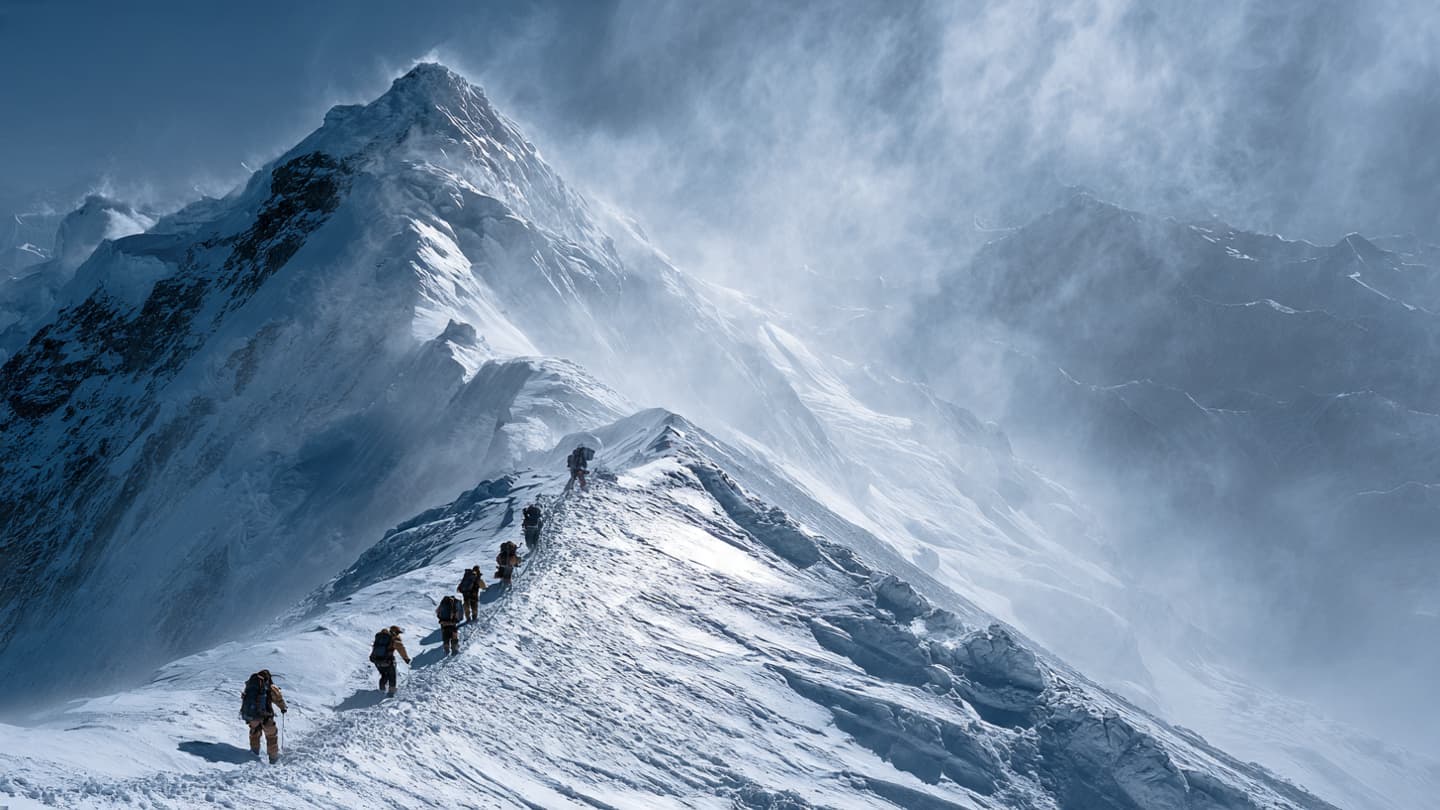
Mount Everest does not open its doors all at once. It never truly has. For most of the year, the mountain stands behind walls of roaring wind, shifting ice, and cold so deep it feels almost ancient. Then, for only a brief stretch in spring, the atmosphere softens. The jet stream drifts northward, the air calms just enough, and the highest point on Earth allows a narrow passage for those willing to follow it upward. Now, that familiar migration has begun again. Across Nepal’s Everest Base Camp, climbers and Sherpa guides are preparing for the season’s long-awaited summit push. Tents scatter across the glacier like small fragments of color against a landscape otherwise ruled by stone, snow, and silence. The waiting has been longer this year. A massive unstable block of ice above the Khumbu Icefall delayed route preparations for weeks, forcing hundreds of climbers to pause beneath the mountain’s uncertainty. But Everest, even in delay, continues to gather people toward it. Nepal has issued nearly 500 climbing permits this season, one of the highest totals in recent years. With guides, support teams, and expedition staff included, the number of people expected to move through the mountain’s upper camps may approach a thousand during the coming days. Many are now watching weather forecasts with careful attention, hoping the brief period of calmer winds arrives before the monsoon begins its slow approach from the south. On Everest, timing is not merely convenience. It becomes survival. The summit window often lasts only a few days. Sometimes it stretches gently across a week. Sometimes it narrows to only hours. During that period, climbers leave Camp IV in darkness, moving through the night beneath stars and frozen wind toward the summit ridge before daylight fully reaches the Himalayas. If conditions remain stable, the mountain allows passage. If not, even the strongest expedition may turn back. This year’s delays have created concern that too many climbers could attempt the summit at the same time, increasing congestion along narrow sections near the top. Images from previous seasons — lines of climbers waiting in thin air beneath the summit — still linger in public memory. Yet for many on the mountain, patience and caution remain central to the climb. Expedition teams continue to monitor wind speeds, snowfall, and ice stability before making final decisions. The risks surrounding Everest have never fully disappeared, even as forecasting technology improves. Recent fatalities in Nepal’s climbing season have already reminded the mountaineering world how fragile the ascent can become. Sherpa climbers working to fix ropes through dangerous sections of the route continue carrying much of the mountain’s physical burden, often moving ahead of foreign climbers into unstable terrain. Still, Everest remains larger than danger alone in the imagination of many who travel there. For some climbers, the summit represents personal endurance. For others, it reflects years of preparation quietly unfolding into a single attempt. Around Base Camp, conversations move between weather charts, oxygen supplies, memories of previous climbs, and the simple hope that conditions may briefly align. In the thin Himalayan air, ambition and humility often stand very close together. The mountain itself remains unchanged by the attention surrounding it. Winds continue carving snow across the ridges. Ice shifts beneath the Khumbu glacier. Prayer flags flutter against cold morning light. Above it all, Everest waits with the same patience it has always carried. In the coming days, climbers are expected to begin their summit pushes as weather conditions improve. Officials and expedition organizers continue monitoring the narrow spring window closely, while teams prepare for what may become one of the busiest periods of the season. Whether the mountain offers calm passage — or another reminder of its unpredictability — will soon become clear high above the clouds. ---