At the frontier of modern physics, understanding often begins not with certainty but with small irregularities—subtle patterns that refuse to align perfectly with expectation, like a rhythm slightly out of sync.
Recent experimental data from CERN’s Large Hadron Collider, as discussed in scientific publications such as Nature and Physics World, suggest the presence of minor anomalies in particle decay processes. These deviations are currently under careful review and have not yet been confirmed as evidence of new physics.
The Standard Model of particle physics remains one of the most successful scientific frameworks ever developed, accurately describing fundamental particles and their interactions. However, it is also known to be incomplete, leaving questions about dark matter, gravity, and other cosmic phenomena unresolved.
The observed anomalies arise in high-energy collision data where certain particles appear to behave in ways that slightly diverge from theoretical predictions. While such differences can occur due to statistical fluctuations, repeated observations increase scientific interest.
CERN researchers are currently gathering additional data to determine whether these patterns persist under further analysis. Precision and replication are essential before any conclusions can be drawn.
If validated, such findings could point toward new particles or forces beyond the current theoretical framework. However, scientists stress that the process of confirmation in particle physics is gradual and requires extensive verification.
The global physics community continues to observe these developments closely, recognizing that even the smallest anomaly can sometimes lead to major scientific breakthroughs.
For now, the LHC findings remain an open scientific question—one that reflects both the strength and the limits of current understanding.
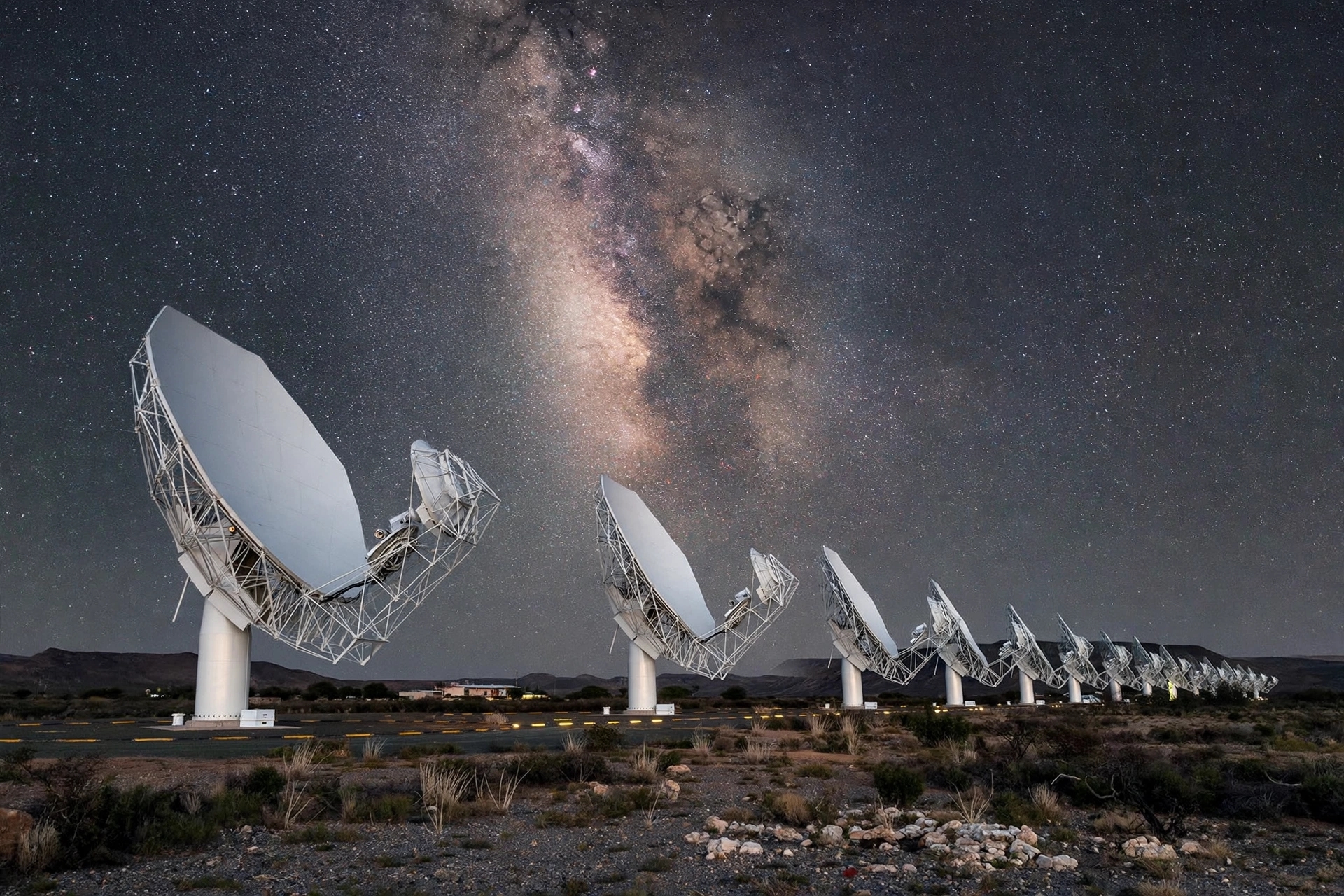
AI Image Disclaimer: Images in this article are AI-generated for editorial visualization purposes.
Sources: CERN, Nature Physics, Physics World, ScienceDaily
Published by Banx Network. This article is part of the Banx decentralized media programme, powered by the BXE token on the XRP Ledger.