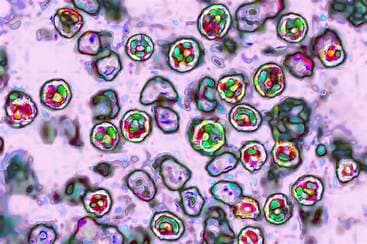
On February 3, 2026, the New Mexico Department of Health confirmed that a newborn's death was linked to a listeria infection, likely contracted through the mother's consumption of raw milk during pregnancy. This alarming incident has prompted health officials to reiterate warnings regarding the risks associated with unpasteurized dairy products.
Although the exact source of the listeria has not been identified, the health department stressed that raw milk poses severe health risks to vulnerable populations, including pregnant women, infants, the elderly, and those with weakened immune systems. Dr. Chad Smelser, deputy state epidemiologist, emphasized that pregnant women should exclusively consume pasteurized milk to prevent illnesses that could lead to devastating outcomes for newborns.
Listeria can cause severe complications such as miscarriage, stillbirth, and serious infections in newborns. The health department also highlighted that raw milk can harbor various pathogens, including salmonella, E. coli, and tuberculosis, which further jeopardize public health.
Despite long-standing federal health warnings against raw milk consumption, a rise in popularity has been noted recently, with advocates pushing for policy changes. The sale of raw milk has been restricted since 1987, yet some individuals and groups continue to support its availability, leading to debates among health officials and lawmakers.
In light of this tragic incident, New Mexico's health officials are reinforcing their stance on pasteurization as a critical public health measure. They encourage the public to choose pasteurized dairy products to safeguard their health and the wellbeing of their families.
Published by Banx Network. This article is part of the Banx decentralized media programme, powered by the BXE token on the XRP Ledger.