*In the Glow of Screens and City Lights: How the World Is Slowly Turning Nearsighted
Global myopia rates are projected to reach nearly 50% by 2050, driven by screen use, indoor lifestyles, and reduced daylight exposure

Global myopia rates are projected to reach nearly 50% by 2050, driven by screen use, indoor lifestyles, and reduced daylight exposure

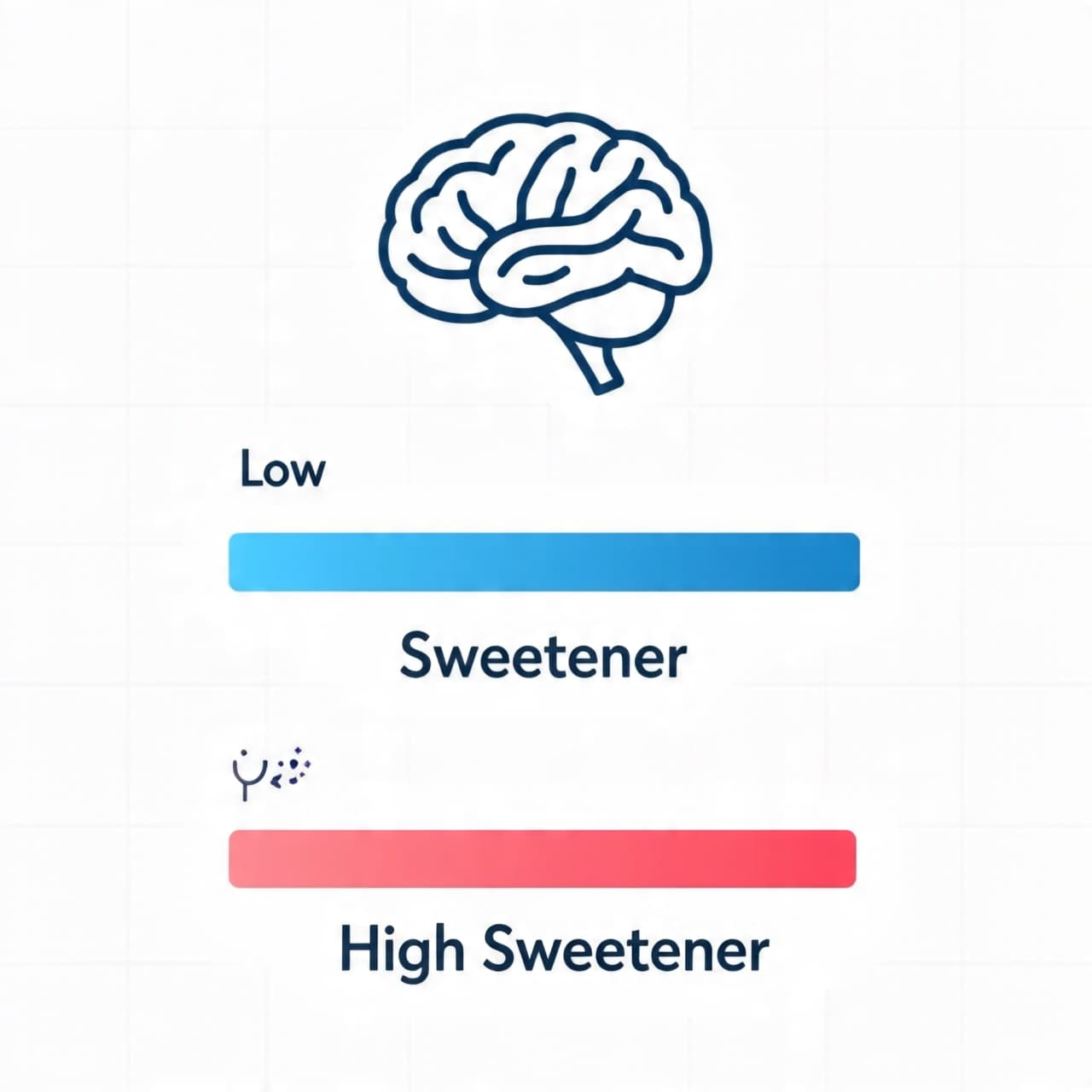
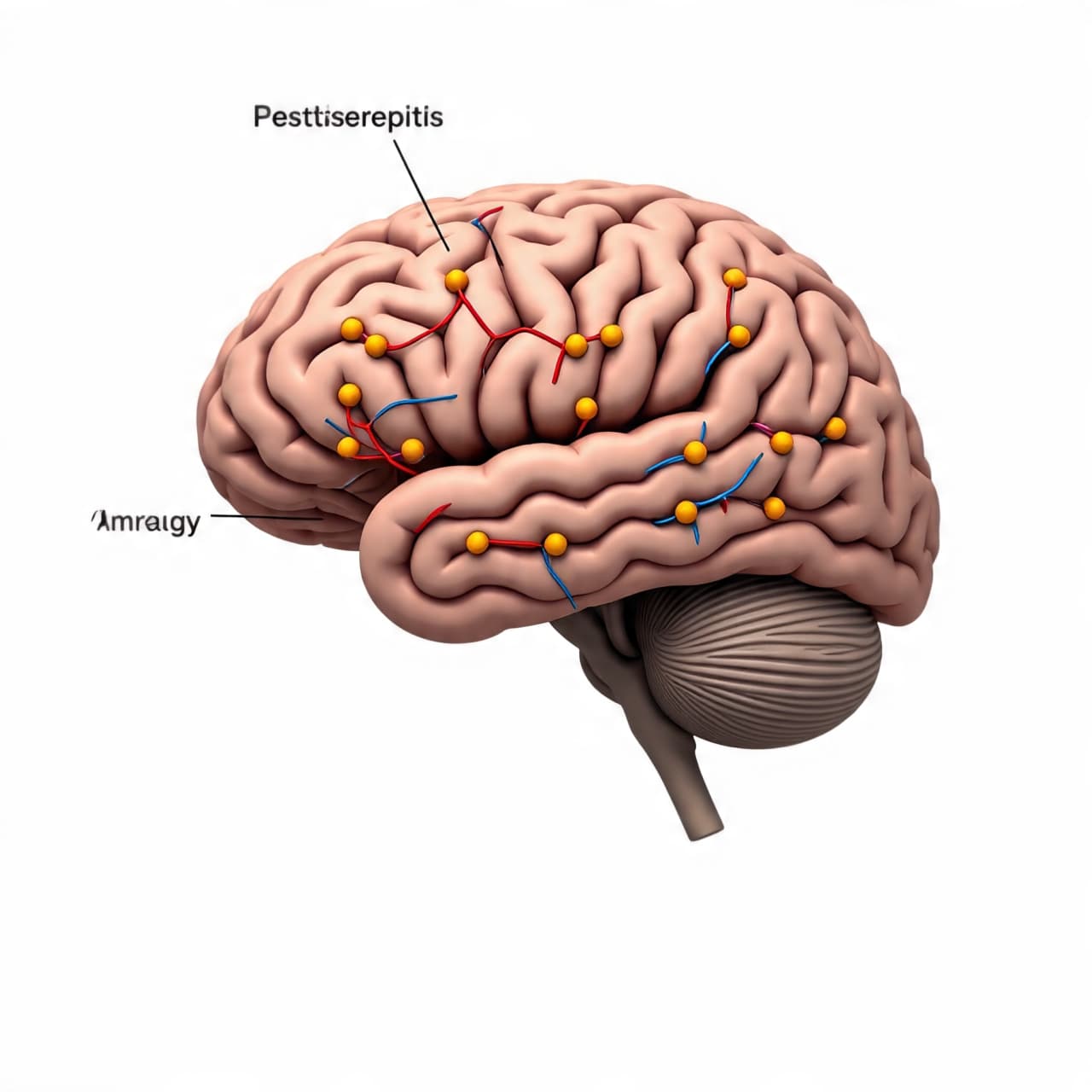
A long‑term study finds that higher consumption of common artificial sweeteners is linked with faster cognitive decline over about eight years, especially in adults under 60 and people with diabetes, though it does not prove causation.

Consumer genetic tests offer ancestry and health insights, but accuracy varies. Experts warn many health-related claims are unreliable without professional interpretation, and privacy concerns remain.

Protein is essential for muscles, tissues, and enzymes. Dietitians recommend a balanced intake from animal and plant sources, tailored to activity and health, while maintaining variety in the diet.

New research suggests a computational biomarker (TmS) may better predict chemotherapy response in triple-negative breast cancer by integrating tumor gene expression and microenvironment context.

AI-enhanced electronic nose technology shows promise in detecting early ovarian cancer by analyzing volatile compounds in blood samples with high accuracy, potentially aiding future screening.

A U.S. vaccine adviser’s remarks questioning routine childhood polio shots have sparked concern among health experts and survivors who fear that reducing vaccination could raise the risk of the disease’s return.

A Science Weekly podcast episode explores how scientific understanding of fat has shifted from a passive energy store to an active, complex tissue involved in metabolism and health regulation.

A study finds expert birdwatchers have structurally distinct brain regions tied to attention and perception, linked to better identification skills and persisting into older age, suggesting cognitive benefits.

Pembrolizumab plus lenvatinib showed promising antitumor activity and manageable safety in recurrent gynecologic clear cell carcinoma, including partial responses and disease control.

Engineers have refined a gene-editing base editor for greater precision in modifying DNA, reducing unintended changes and moving closer to possible safer cystic fibrosis treatments.

Emerging research suggests retinal imaging and eye movement measurements may serve as non-invasive ocular biomarkers to monitor progression in Huntington’s disease.

Magnesium is essential and can be safe to take daily within recommended supplemental amounts, but most people meet needs through diet; excessive doses may cause side effects.

FDA approved Bysanti (milsaperidone) for adult schizophrenia and acute manic or mixed episodes in bipolar I disorder, offering a new atypical antipsychotic option with long‑term exclusivity.

A long‑term study links high intake of six common artificial sweeteners — aspartame, saccharin, acesulfame‑K, erythritol, xylitol, sorbitol — with faster memory and cognitive decline in middle age.

Scientists say autism cannot be fully prevented, but early intervention and managing certain prenatal risk factors may reduce the severity of some developmental challenges.

Polio survivors express concern after a Trump adviser suggested reconsidering vaccine requirements, though U.S. health officials say childhood polio immunization guidance remains unchanged.

Health experts warn that questioning routine polio vaccination could weaken community protection, even as official U.S. recommendations for childhood shots remain unchanged.

Heart disease is the leading cause of death for women. Experts urge awareness of unique symptoms, risk factors, and the importance of rapid emergency care to improve survival.

Experts say certain vaccines before and during pregnancy protect both mother and baby, reducing risks from flu, COVID-19, and other infections through careful timing and medical guidance.

As anxiety treatment grows more common in the U.S., Robert F. Kennedy Jr. questions psychiatric medications, prompting renewed debate over mental health care approaches

Research suggests green tea may help lower LDL cholesterol thanks to its antioxidant catechins, making it a simple and supportive morning choice for heart health.

A rare bacterial infection linked to dog saliva led to sepsis and limb amputations in a widely reported case, prompting renewed awareness about hygiene and vulnerable health conditions.

Scientists say autism cannot be fully prevented, but managing certain prenatal and environmental risk factors may reduce likelihood in specific cases.