In the long landscape of medical progress, the quiet arrival of a new therapeutic option can feel like the first soft light of dawn after a long night. For those living with conditions that cloud mood and thinking, every innovation carries not just scientific promise, but personal hope. The U.S. Food and Drug Administration has just ushered in such a moment — approving a new medication that may broaden the ways clinicians and patients manage two serious and persistent psychiatric conditions.
The newly approved drug, Bysanti — generically known as milsaperidone — represents a fresh entrant in the class of atypical antipsychotics, medicines used to help stabilize mood and thought disturbances. It is sanctioned for adult treatment of schizophrenia and acute manic or mixed episodes associated with bipolar I disorder. Bysanti’s development builds on decades of psychiatric research while offering a distinct chemical identity within a field that continues to seek effective, tolerable options for people with complex needs.
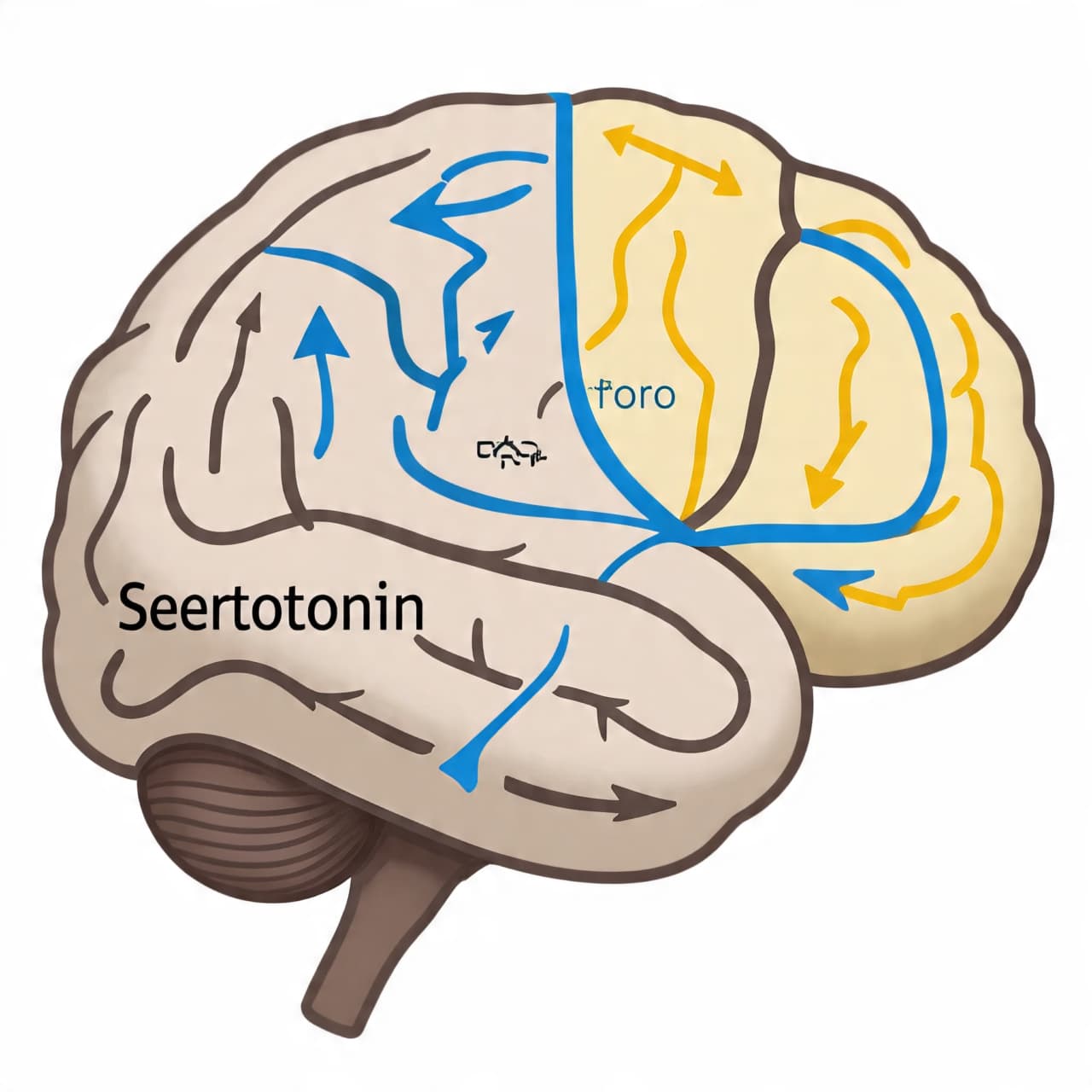
In mood and psychotic disorders, the very fabric of daily experience can feel changed — colors dimmed by depressive phases or rushed by mania, thoughts tangled by psychosis. Antipsychotic medications work by modulating chemical signals in the brain, especially neurotransmitters like dopamine and serotonin, to promote steadier emotional and cognitive groundwork. Bysanti is understood to act in this constellation of pathways, helping to rebalance messages that may otherwise run amok.
What distinguishes this milestone is not only the clinical niche it fills, but also the regulatory confidence underpinning it. The FDA’s approval came ahead of the scheduled review deadline — a sign that the agency felt the existing evidence warranted timely authorization. Bysanti was designated a New Chemical Entity, granting it a special status that supports long‑term regulatory and patent protection, including exclusivity extending well into the 2040s. This projected runway may encourage investment and innovation in a therapeutic class where needs remain high.
Approval was informed by evidence showing that milsaperidone rapidly converts to iloperidone — a molecule already familiar to clinicians through the antipsychotic Fanapt — and that it is bioequivalent across its dosage range. This bridge to an established safety and efficacy record provided regulators with robust context to evaluate Bysanti’s performance and tolerability.
For individuals and families affected by bipolar I disorder — characterized by pronounced highs (mania or mixed mood states) and often deep lows — and for those living with schizophrenia, which can distort perception and behavior, the arrival of another evidence‑based treatment is a reminder of the delicate nature of brain health and the ongoing effort needed to support it. The hope is that new choices can offer tailored management that resonates with individual physiology and life circumstances.
Clinicians will, as always, weigh a medication’s benefits against any potential risks or side effects, which with antipsychotics may include metabolic changes, dizziness, and sedation among others. Careful monitoring and shared decision‑making between patients and healthcare providers remain central to safe and effective use.
In the broader context of psychiatric care, the approval of Bysanti adds to a slowly growing menu of treatments, each shaped by research and roughened by years of learning. Whether this new option becomes a first‑choice therapy for many patients, or finds its place more selectively, it underscores a simple truth of medicine: progress is often incremental, built one measured advance at a time.
In clear news terms: the U.S. FDA has approved Bysanti (milsaperidone) tablets for adults to treat schizophrenia and acute manic or mixed episodes associated with bipolar I disorder. The drug, developed by Vanda Pharmaceuticals and expected to become available in the United States in the third quarter of 2026, builds on existing clinical data and carries exclusivity protections supporting long‑term availability.
AI Image Disclaimer Images in this article are AI‑generated illustrations, meant for concept only.
Sources Reuters reporting on FDA approval of Bysanti for schizophrenia and bipolar I disorder. WebMD overview of Bysanti’s indications and mechanism. PR Newswire and PharmaFocusEurope detailed FDA approval context and future availability. Medical school review of clinical implications and use cases. PDUFA and stock market reaction details.
Published by Banx Network. This article is part of the Banx decentralized media programme, powered by the BXE token on the XRP Ledger.