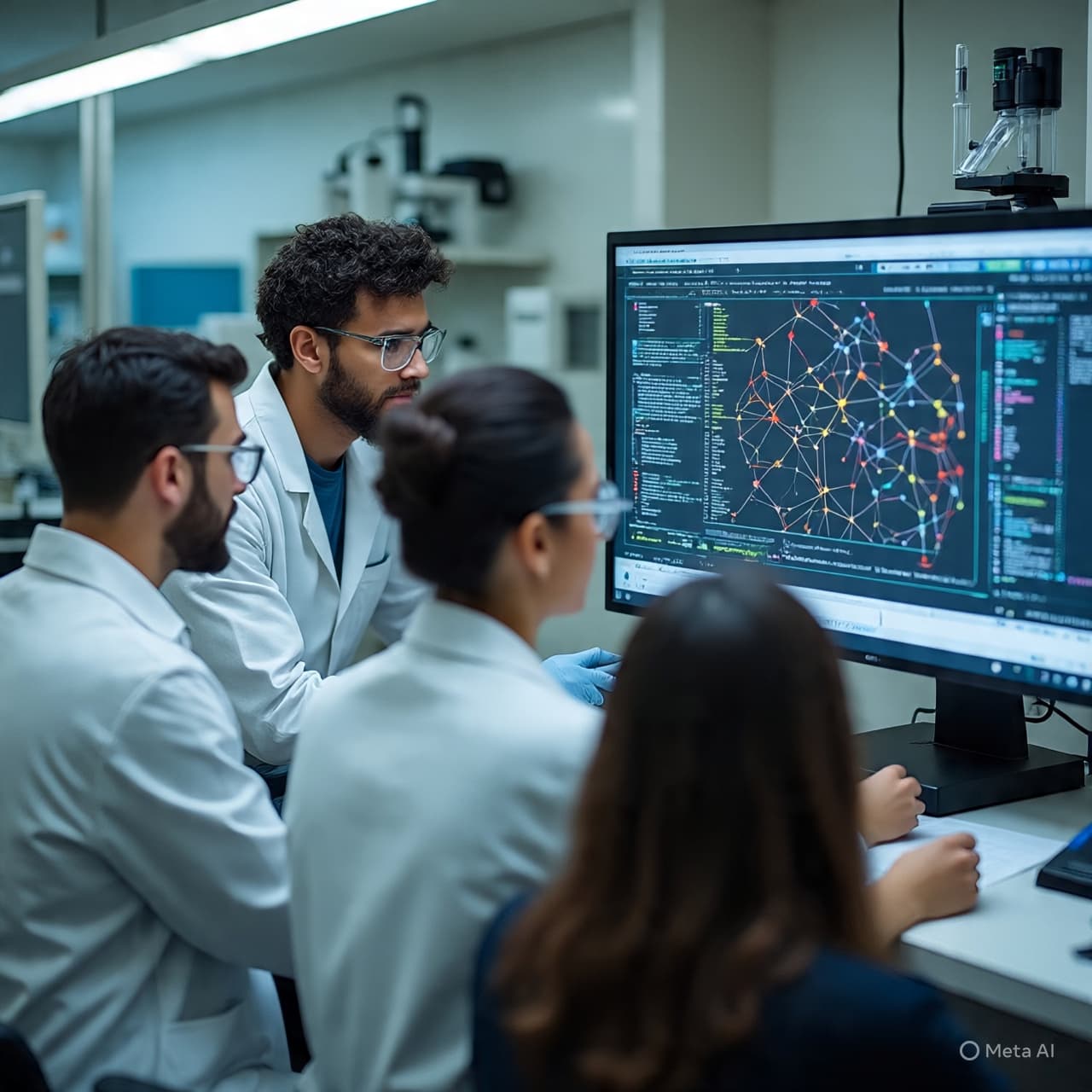
As winter sun filters ever so gently over research corridors and hospital halls, there is a quiet innovation unfolding — one that asks us to listen closely to the subtle symphony of molecules and cells within the human body. In the arena of triple-negative breast cancer (TNBC), a form of the disease that has long defied easy prediction and tailored treatment, scientists are tuning their ears toward new biological rhythms. What if the tumor itself could hint at how it might respond to the chemotherapy meant to disarm it? What if the shape of that response could be discerned long before the first dose arrives?
In recent weeks, researchers at The University of Texas MD Anderson Cancer Center have shared results from a study published in Cell Reports Medicine that gently nudges open the door to such possibilities. They have introduced a computational biomarker — dubbed the tumor-specific total mRNA expression, or TmS — that brings an added layer of insight to an otherwise complex clinical picture. Traditional methods for anticipating how a tumor will react to chemotherapy often focus primarily on cell composition, yet they may overlook the whispered interplay between genes and the surrounding microenvironment that actually shapes a tumor’s behavior. The TmS biomarker, refined through an analytical approach known as deconvolution, seeks to weave that context into its predictions.
In a dataset of 575 patients with TNBC across ethnically diverse groups, the TmS measure distinguished tumors likely to exhibit favorable responses to chemotherapy from those likely to respond less well. In essence, it translates patterns of tumor-cell gene expression — and how these patterns are framed by nearby non-tumor cells — into a more nuanced forecast of treatment outcome. Beyond its predictive signal, the findings also highlighted subtle differences in tumor microenvironments between Western and Asian cohorts, inviting reflection on how diversity in biology may inform individualized care.
Yet science is rarely a straight line. While the promise of this biomarker is clear in early research settings, it still must be validated further before entering the rhythm of everyday clinical decisions. Researchers themselves underscore that this is a promising beginning rather than a final note — a tool that could help guide treatment selection and, in time, offer clinicians and patients alike a clearer sense of direction.
Through this humble advance, the field of precision oncology edges closer to hearing what the tumor has long been saying, crafting treatment pathways that resonate more deeply with each patient’s unique biology.
AI Image Disclaimer (rotated wording) “Visuals are created with AI tools and are not real photographs.”
Sources The ASCO Post; CURE; MD Anderson Cancer Center research news; LabMedica International; Medical Xpress / EurekAlert!.
Published by Banx Network. This article is part of the Banx decentralized media programme, powered by the BXE token on the XRP Ledger.


.jpg&w=3840&q=75 "Qantas Grounds Plane After Passengers Report Bedbug Bites")