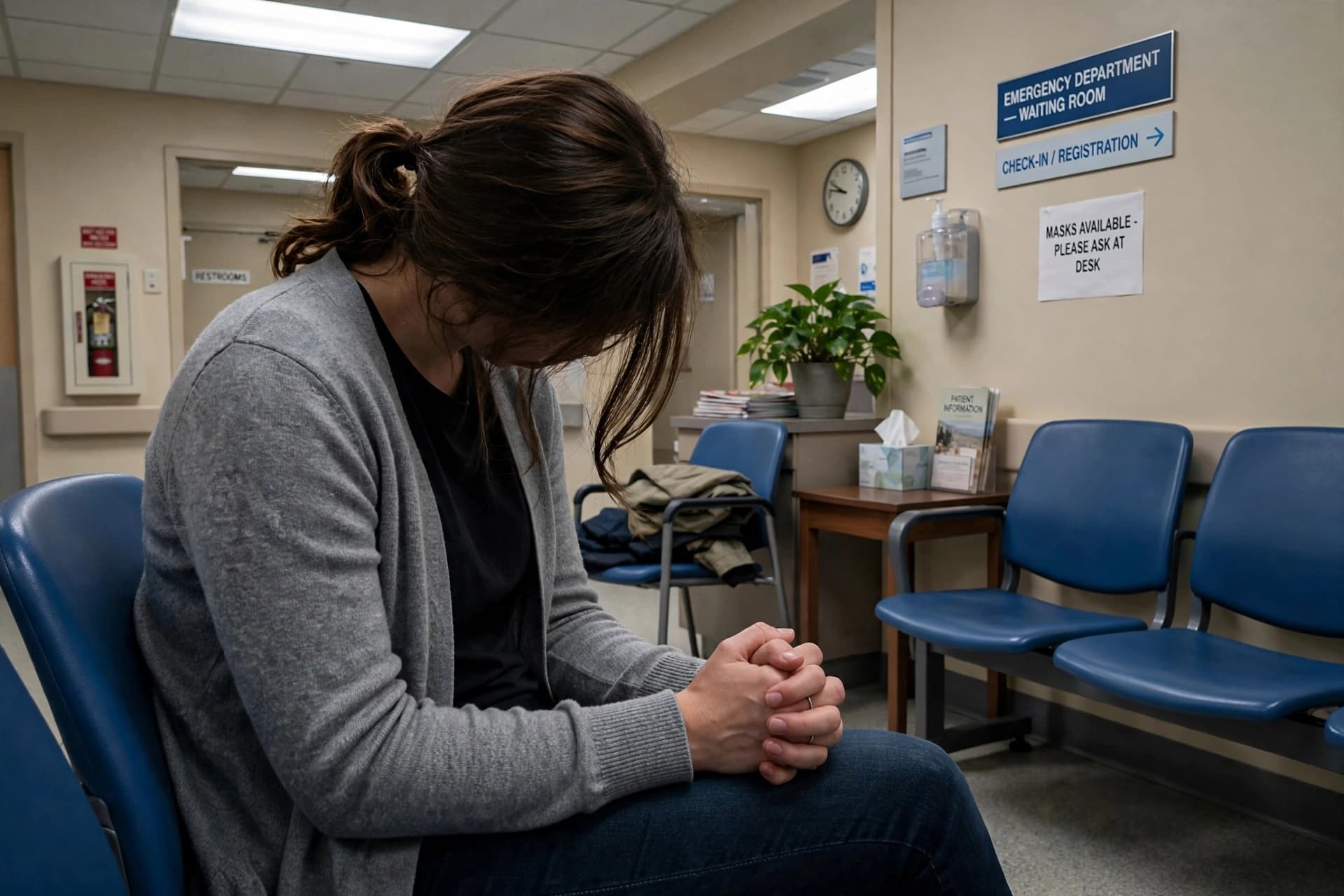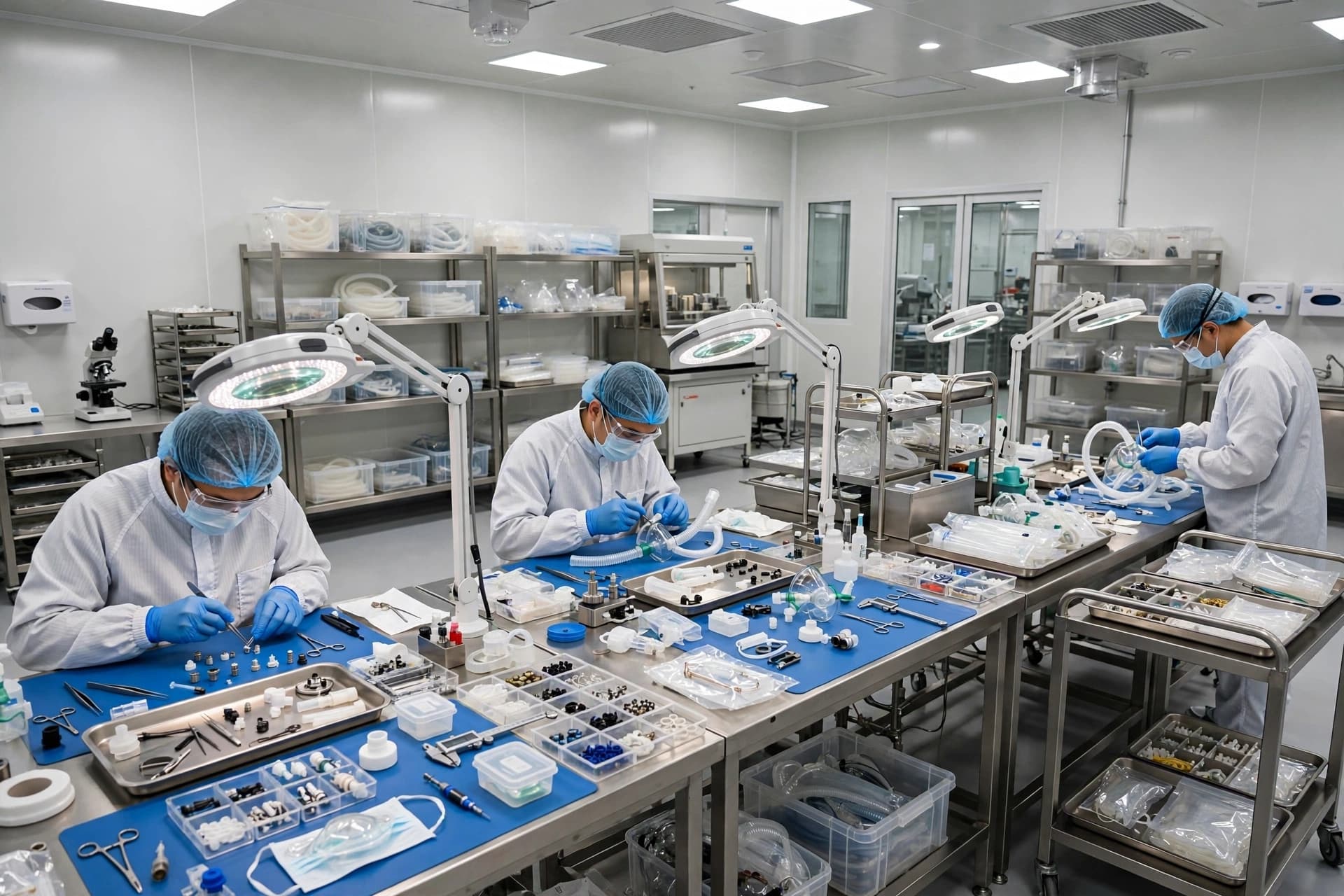
There are moments in science that feel like tending a garden at dawn — when quiet care and gradual refinement yield blossoms unseen by day. In the realm of genetics, where tiny sequences of letters compose the intricate manuscript of life, researchers are learning to edit with an ever-gentler hand. For people living with cystic fibrosis — a condition rooted in the subtleties of single-letter changes within the DNA code — this renewed focus on precision holds a promise that peers into a future where treatments may one day correct the cause rather than merely manage the effects.
At the intersection of this promise is a newly refined gene-editing tool developed by engineers working together at the University of Pennsylvania School of Engineering and Applied Science and Rice University. These scientists set out to solve a problem familiar to anyone who has ever tried to change a word in a treasured text without disturbing the surrounding words: how does one correct a single genetic “letter” without introducing unintended changes nearby? Their answer comes in the form of a more precise base editor — a molecular instrument with an exceptionally fine tip, designed to act only where intended.
Cystic fibrosis arises when mutations in the CFTR gene disrupt the function of a protein that helps regulate salt and water movement across cell membranes. These disruptions can cause thick mucus to accumulate in the lungs and other organs, leading to repeated infections and chronic respiratory challenges. While recent therapies like Trikafta have greatly improved quality of life for many patients, such medications require continuous use and may not benefit everyone. A deeper, more fundamental solution — one that repairs the underlying genetic error — has long been a scientific aspiration.
The team’s engineered base editor approaches this by literally shortening and stiffening the molecular “leash” that connects the editing enzyme to its DNA target — much like shortening a leash to keep a guide dog’s focus closer to its handler. By tightening this connection, the editor reduces its tendency to stray and mistakenly act on neighboring DNA bases. In laboratory tests using human cells relevant to cystic fibrosis, the redesigned tool cut down unintended edits by over 80 % while still performing the desired change where needed.
This improvement doesn’t just have symbolic importance: unintended edits have been one of the major safety concerns in early gene-editing research, particularly because changes in the wrong place could theoretically cause harmful consequences. By modeling disease-causing cystic fibrosis mutations and then using the refined editor to correct them, the researchers demonstrated improved cell function — hinting at how such tools might one day form the basis of more effective and safer genetic therapies.
In this evolving story of precision medicine, the refined base editor stands as a testament to how careful engineering — akin to crafting a fine brush rather than a broad stroke — can make long-held scientific hopes feel closer to reality. Much work remains before such technologies can be tested in people, including ensuring safe and efficient delivery methods to lung cells and fully understanding the implications of edits in living tissues. Still, the recent advance underscores the gradual progress toward gene-based treatments that look beyond symptoms to the subtle script of life itself.
In research released this week, engineers reported that a redesigned base-editor tool dramatically improved the precision of DNA edits relevant to cystic fibrosis gene corrections, reducing unintended bystander mutations while preserving desired changes — a development that may inform future therapeutic strategies.
AI Image Disclaimer “Visuals are created with AI tools and are not real photographs.”
Sources News-Medical; Rice University News; EurekAlert!; ScienceDaily; Medical Xpress.
Published by Banx Network. This article is part of the Banx decentralized media programme, powered by the BXE token on the XRP Ledger.