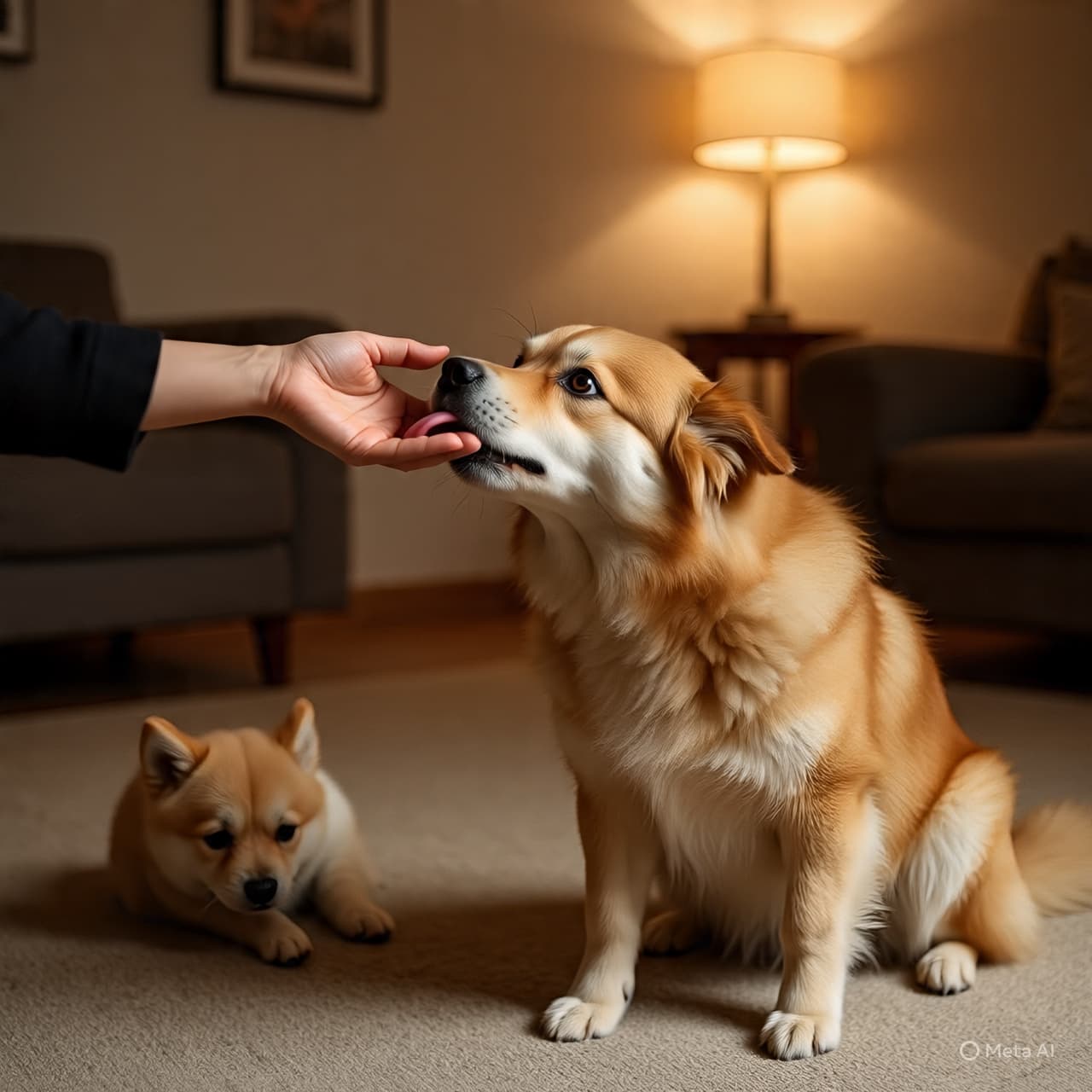
Sometimes danger does not arrive with a storm. It enters quietly, disguised as something tender — a familiar touch, a harmless laugh, a playful lick from a beloved pet. In homes across the world, dogs are not merely animals; they are companions, confidants, members of the family. Trust flows easily between human and animal, built over years of shared mornings and loyal eyes.
Yet medicine occasionally reminds us that even affection carries complexities we rarely consider.
In a widely reported case covered by major international outlets, a dog owner suffered catastrophic medical complications after a seemingly harmless interaction with his pet. What began as a playful lick evolved into a medical emergency marked by sepsis, coma, and ultimately the amputation of all four limbs.
According to medical reporting, the infection was linked to Capnocytophaga canimorsus, a bacterium commonly found in the mouths of dogs and cats. For most people, exposure to this bacterium poses little to no risk. The human immune system typically manages such contact without consequence. However, in rare cases — particularly among individuals with weakened immune systems, underlying health conditions, or spleen dysfunction — the bacteria can enter the bloodstream and trigger overwhelming infection.
Sepsis, as defined by the Centers for Disease Control and Prevention, is the body’s extreme response to infection. It can progress rapidly, leading to tissue damage, organ failure, and death if not treated promptly. Symptoms often begin subtly: fever, chills, confusion, rapid heart rate. In severe cases, blood flow to the limbs may be compromised, causing tissue death that necessitates amputation.
Medical experts frequently emphasize that such outcomes are exceedingly rare. Millions of dog owners experience affectionate licks daily without harm. The National Institutes of Health notes that serious Capnocytophaga infections occur infrequently and are more likely in individuals with specific risk factors, including alcohol use disorder, chronic illness, or immunosuppression.
What makes cases like this so striking is not their frequency, but their contrast. The ordinary becomes extraordinary. A gesture associated with loyalty becomes a reminder of biology’s unpredictability. It is not an argument against companionship, but rather an invitation to awareness.
Basic hygiene practices remain the most practical safeguard. Experts recommend washing hands after close contact with pets, avoiding allowing pets to lick open wounds, and seeking medical attention promptly if unusual symptoms develop following a bite, scratch, or exposure — particularly for those in higher-risk groups.
Veterinarians and physicians alike continue to stress that dogs provide significant emotional and psychological benefits. Studies have linked pet ownership to reduced stress, increased physical activity, and improved mental well-being. The relationship between humans and dogs is ancient and deeply woven into daily life. Cases of severe bacterial infection do not redefine that bond; they simply illuminate its biological dimension.
The story, as reported, ultimately became one of survival as well as loss. The individual endured multiple surgeries and extensive rehabilitation. While the consequences were profound, medical teams underscored the rarity of such progression and the importance of early intervention in preventing severe outcomes.
In gentle clarity, health authorities reiterate that serious infections from dog saliva are uncommon. They advise reasonable precautions, especially for vulnerable individuals, while affirming that everyday interactions with pets remain safe for the vast majority of people.
Affection need not be replaced by fear. But perhaps it can be accompanied by awareness — a quiet understanding that even in the warmth of companionship, vigilance has its place.
AI Image Disclaimer
Illustrations were produced with AI and serve as conceptual depictions.
Source Check (Credible Media Outlets Covering This Topic):
BBC News CNN The Washington Post NBC News The Guardian
Published by Banx Network. This article is part of the Banx decentralized media programme, powered by the BXE token on the XRP Ledger.