Where Seasonal Spending Meets Global Trade, Indonesia’s Growth Faces a More Measured Second Half
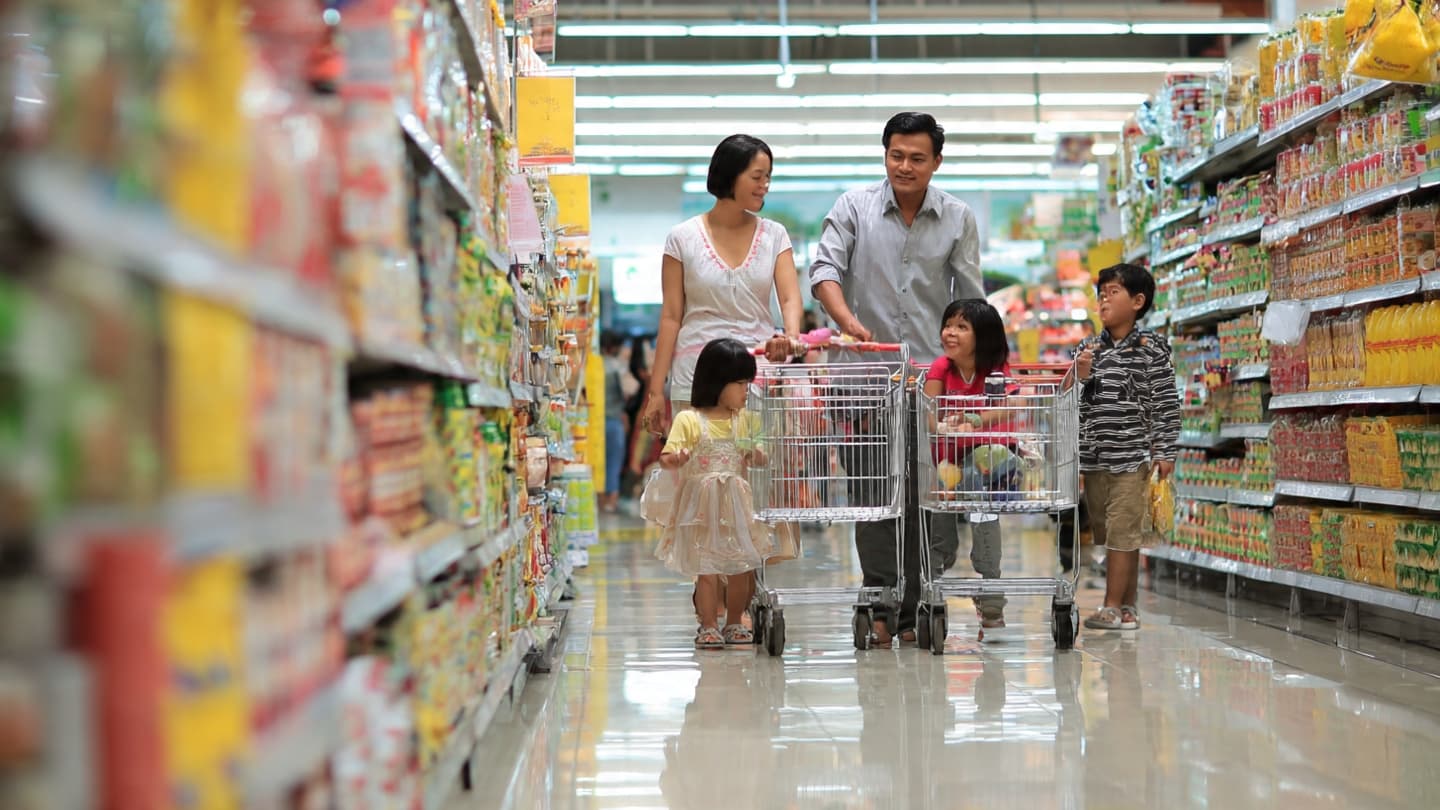
Indonesia’s Q2 growth was expected to slow as post-Ramadan consumption and exports weakened, raising questions about momentum in the second half.

Indonesia’s Q2 growth was expected to slow as post-Ramadan consumption and exports weakened, raising questions about momentum in the second half.

Indonesia’s economy grew 5.29% year over year in Q2 2026, slowing from the previous quarter but exceeding market expectations.

G20 finance officials are preparing to discuss global growth, trade imbalances, sovereign debt, and resilient supply chains at a U.S.-hosted meeting.

U.S. stocks closed lower as investors assessed higher Treasury yields and Federal Reserve Chair Kevin Warsh’s comments on inflation.

Global investors face a crowded September agenda, with inflation, government debt, interest rates, and market valuations among the main risks.

A U.S. judge blocked the Pentagon from blacklisting Anthropic after a dispute over military use of its AI systems.

U.S. new-home sales fell 10.5% in July to 607,000 units as elevated mortgage rates continued to discourage buyers.

Celestica plans to create more than 2,100 jobs in Malaysia as demand for AI and cloud infrastructure continues to expand.

Switzerland and China reached an updated free-trade agreement covering goods, services, and digital trade, expanding their economic ties.

Switzerland is emerging as a European leader in electric truck adoption, with battery-powered freight vehicles gaining ground on its roads.

Swiss engineering and manufacturing show signs of recovery, though companies remain cautious as global trade and demand continue to fluctuate.

Switzerland’s economy grew 1.6 percent in 2025, supported by domestic demand and stronger investment despite global uncertainty.

Japan’s economy grew 0.2% in the second quarter, below forecasts, as weaker household and business spending limited the recovery.

Chinese humanoid-robot makers are shifting from demonstrations toward practical factory and warehouse applications as commercialization becomes the next major test.

Iran’s dollar rate has reached 202,000 tomans, intensifying economic pressure as a falling rial fuels inflation and encourages fuel smuggling.

Company directors have been convicted for hiring the driver involved in a Hunter Valley wedding bus crash, highlighting the importance of corporate due diligence and safety.

Prime Minister Albanese recognizes the inevitability of the data center boom, navigating energy constraints and regulatory challenges to secure Australia’s place in the digital economy.

US toilet paper prices are surging due to tariffs on Canadian wood pulp, highlighting the economic impact of the ongoing trade war with Canada.

India is promoting its growth story overseas as foreign investment retreats, raising questions about confidence, competitiveness, and future economic momentum.

Iran’s central bank rejects claims of hyperinflation, but economists argue that soaring prices and currency weakness tell a different story.
.jpg&w=3840&q=75)
Meta agreed to pay up to $17.1 billion and introduce new safeguards following claims its platforms harmed children.

U.S. consumers could face higher toilet paper prices as tariffs disrupt cross-border trade and threaten supplies of Canadian pulp and paper products.

A crackdown on smuggling networks has caused significant delays for Chinese Australian shoppers, leaving legitimate parcels stuck in customs limbo.

A new survey reveals that FIFO workers in Western Australia are driven by lifestyle factors like structured free time and camaraderie, not just high salaries.