In the quiet spaces between markets, economies are connected by currents that rarely appear on a single screen. Trade routes, supply chains, government borrowing, and investment move across borders every day, creating a global system whose balance can change gradually before the effects become visible.
That broader economic landscape will be the focus of a G20 finance meeting hosted by the United States in Asheville, North Carolina. Finance officials are expected to discuss global economic growth, trade imbalances, sovereign debt, and the resilience of supply chains.
The meeting comes at a time when governments are facing several overlapping economic pressures. Growth remains uneven across major economies, while inflation and borrowing costs continue to influence investment decisions and household spending.
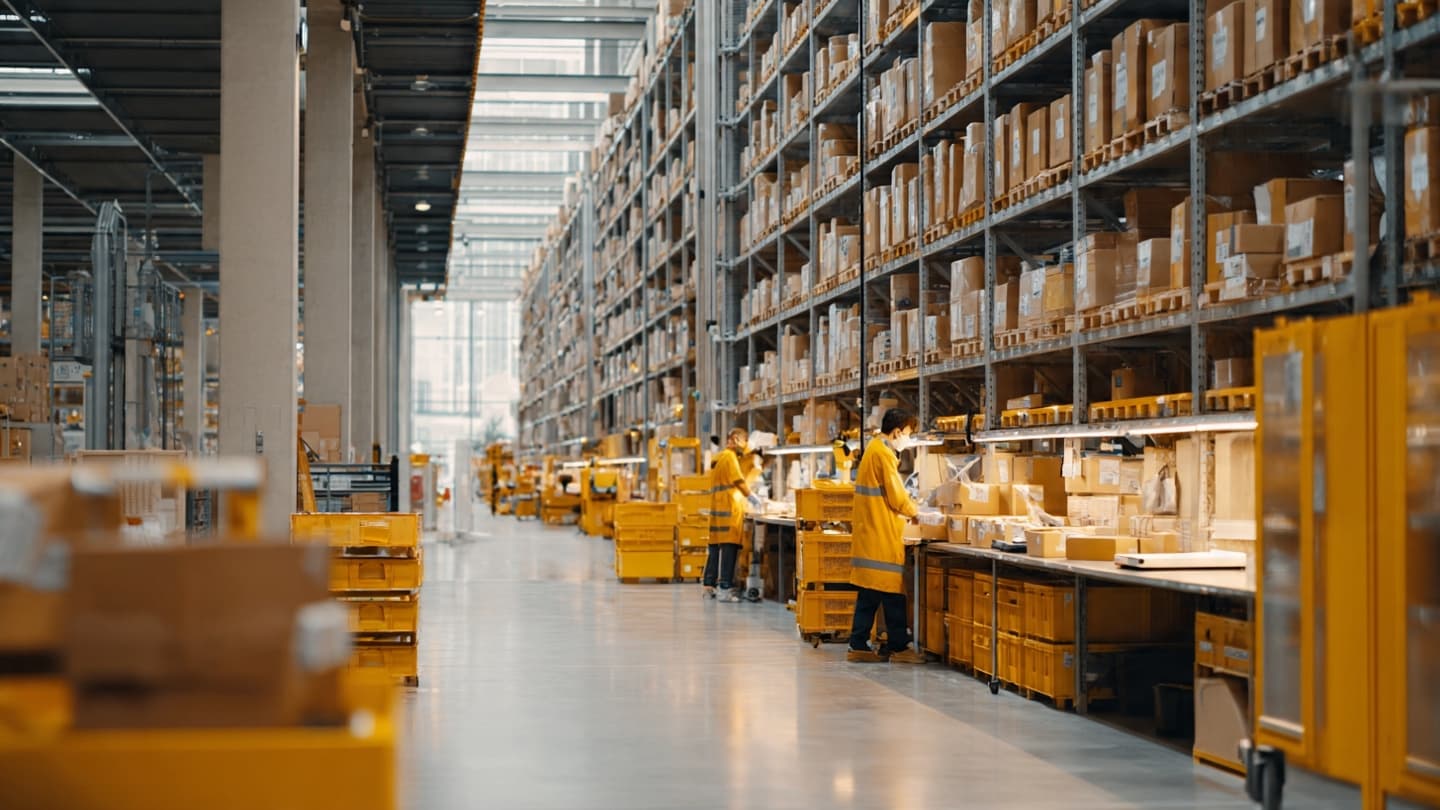
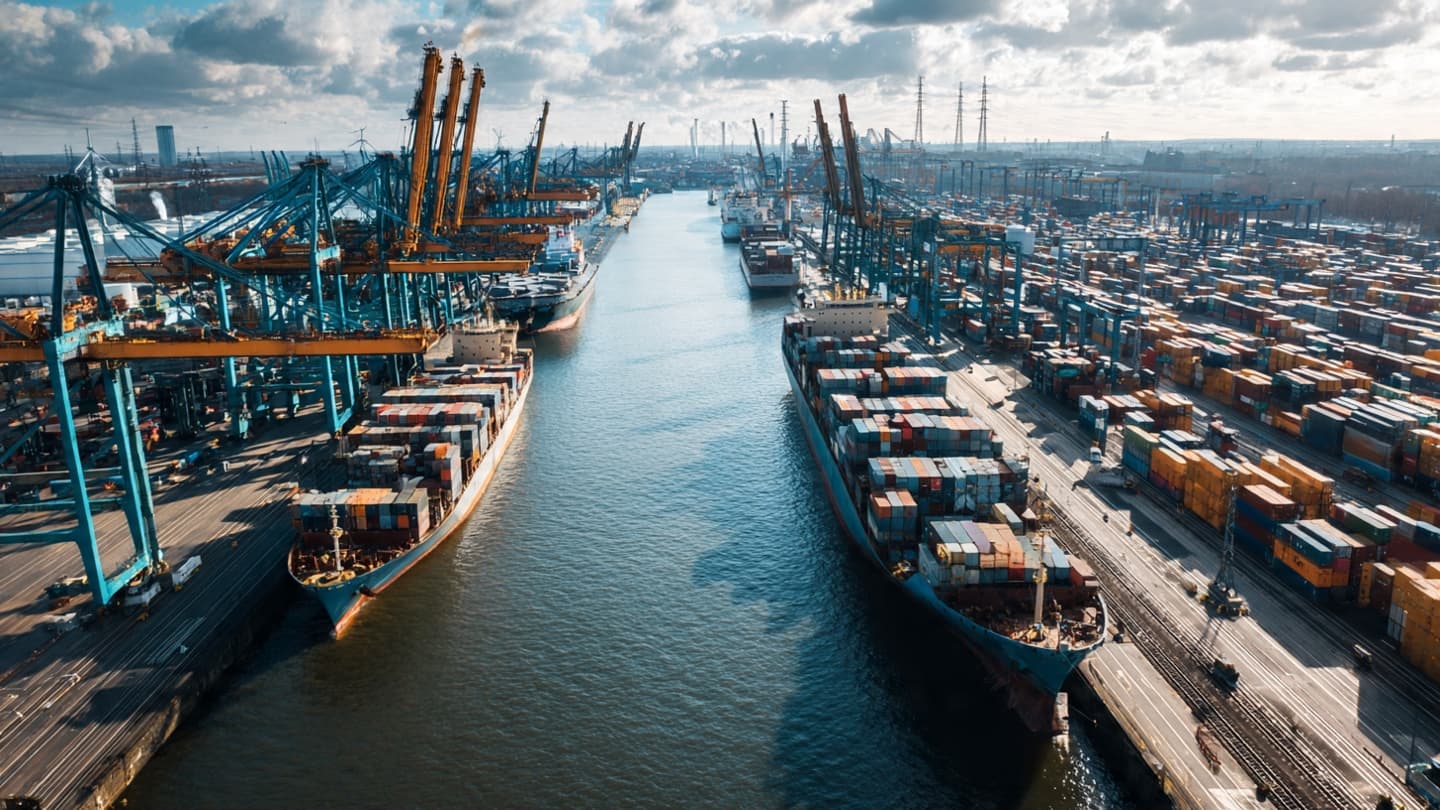
Supply-chain resilience is expected to receive particular attention. Recent disruptions in global trade have highlighted the importance of reliable access to energy, raw materials, and other critical resources. Governments and businesses have increasingly sought alternatives that can reduce exposure to individual transport routes or concentrated sources of supply.
Energy is especially important in the current environment. The disruption surrounding the Strait of Hormuz has encouraged Gulf countries to consider additional pipelines, ports, and alternative export routes. The waterway normally handles a significant share of global oil flows, giving infrastructure decisions in the region implications for markets far beyond the Gulf.
Sovereign debt will also form part of the financial discussion. Government borrowing has increased across several major economies, while higher long-term bond yields are raising the cost of servicing that debt. For investors, the issue is increasingly tied to how governments can finance spending without creating additional pressure on inflation or interest rates.
The U.S. Treasury is also working to influence long-term borrowing conditions through increased purchases of longer-maturity bonds. Market participants are watching whether such measures can reduce pressure on long-term yields without creating new concerns about government financing.
For businesses, the discussion is closely connected to investment. Companies require predictable trade routes, access to materials, stable financing, and clear regulatory environments when deciding where to build factories or expand operations. Supply-chain decisions made today can influence production costs for years.
The G20 meeting therefore arrives at a moment when global economic policy is increasingly connected to practical questions about infrastructure and investment. Growth is no longer discussed only through GDP figures, but also through the ability of economies to maintain reliable networks of energy, transport, technology, and manufacturing.
As finance officials gather in North Carolina, the discussions will offer another view of how major economies are attempting to navigate an uncertain global environment. The emphasis on growth, debt, trade, and supply-chain resilience reflects the practical challenges facing businesses and markets as the year moves toward its final months.
AI Image Disclaimer The accompanying illustrations were generated using artificial intelligence and are intended as conceptual depictions of the international economic meeting and related themes.
Sources Reuters
Published by Banx Network. This article is part of the Banx decentralized media programme, powered by the BXE token on the XRP Ledger.